In an era where digital privacy is increasingly at odds with the convenience of artificial intelligence, the developers behind Day One—the industry-standard journaling application—have unveiled a significant technological shift. By integrating Apple Intelligence into its platform, Day One is aiming to redefine how users interact with their personal histories, offering powerful generative tools without compromising the sanctity of private thoughts. This development marks a pivotal moment for personal record-keeping, as it marries the sophisticated capabilities of Large Language Models (LLMs) with the uncompromising security of local, on-device processing.
The Intersection of Technology and Intimacy
For over a decade, Day One has functioned as a digital vault for millions, preserving everything from mundane daily musings to life-changing revelations. The introduction of Apple Intelligence in version 2025.19 of the app is not merely an update; it is an architectural overhaul of the user experience.
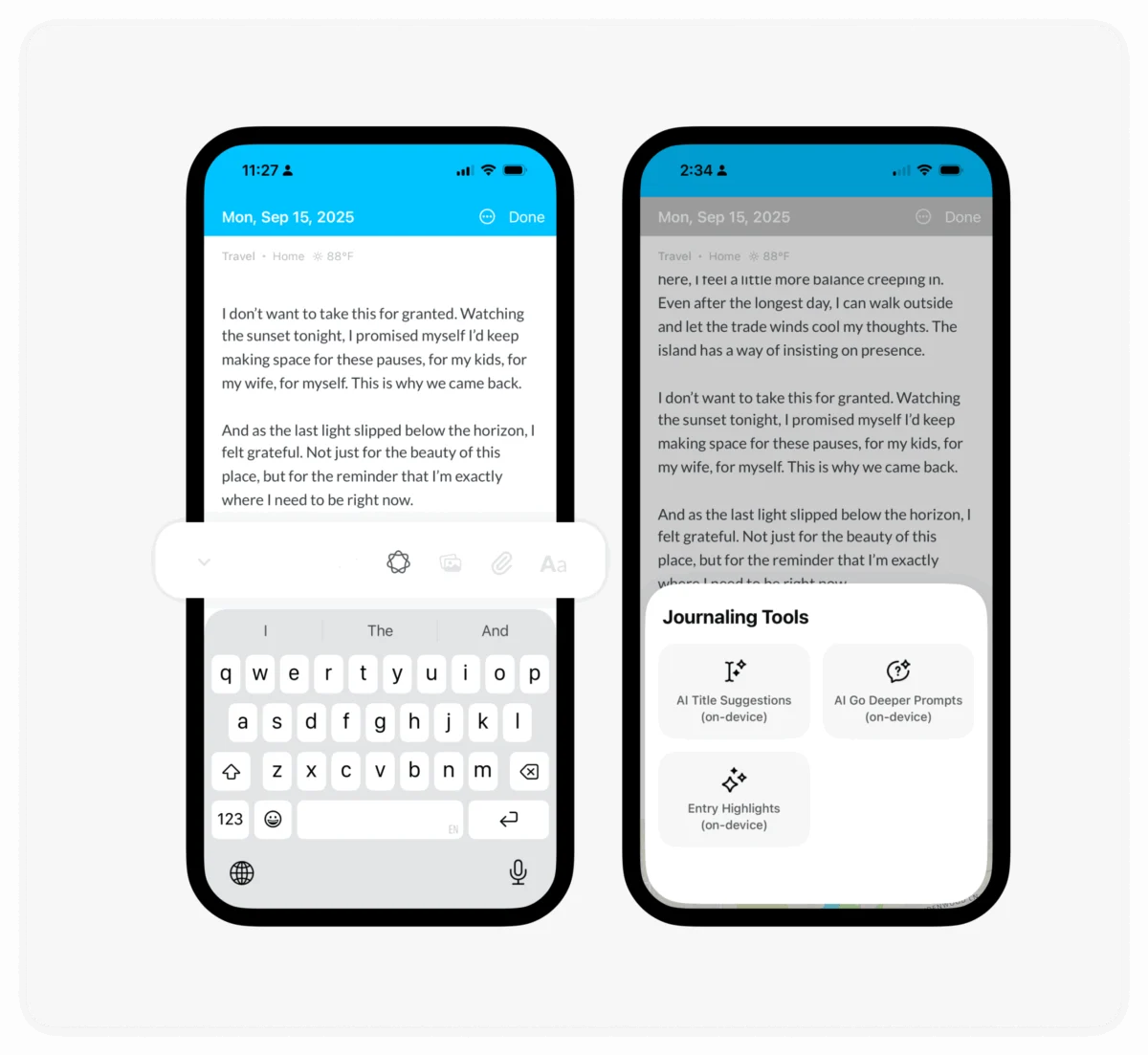
The core mission remains consistent: to help users capture life’s moments. However, the new tools—which include "Go Deeper" prompts, intelligent title suggestions, and entry highlights—leverage the Foundation Models framework provided by Apple. Unlike cloud-based AI services that transmit sensitive data to external servers for processing, this implementation is entirely localized. The implication for the user is profound: one can leverage the creative assistance of AI while resting assured that their most vulnerable, intimate, and private entries never leave the physical confines of their iPhone or iPad.

A Chronology of Integration
The journey toward this integration has been characterized by a methodical, privacy-first approach.
- The Pre-AI Foundation: Long before generative AI was a mainstream consideration, Day One built its reputation on end-to-end encryption and local storage. This established the trust required to eventually introduce experimental features through their "Labs" program.
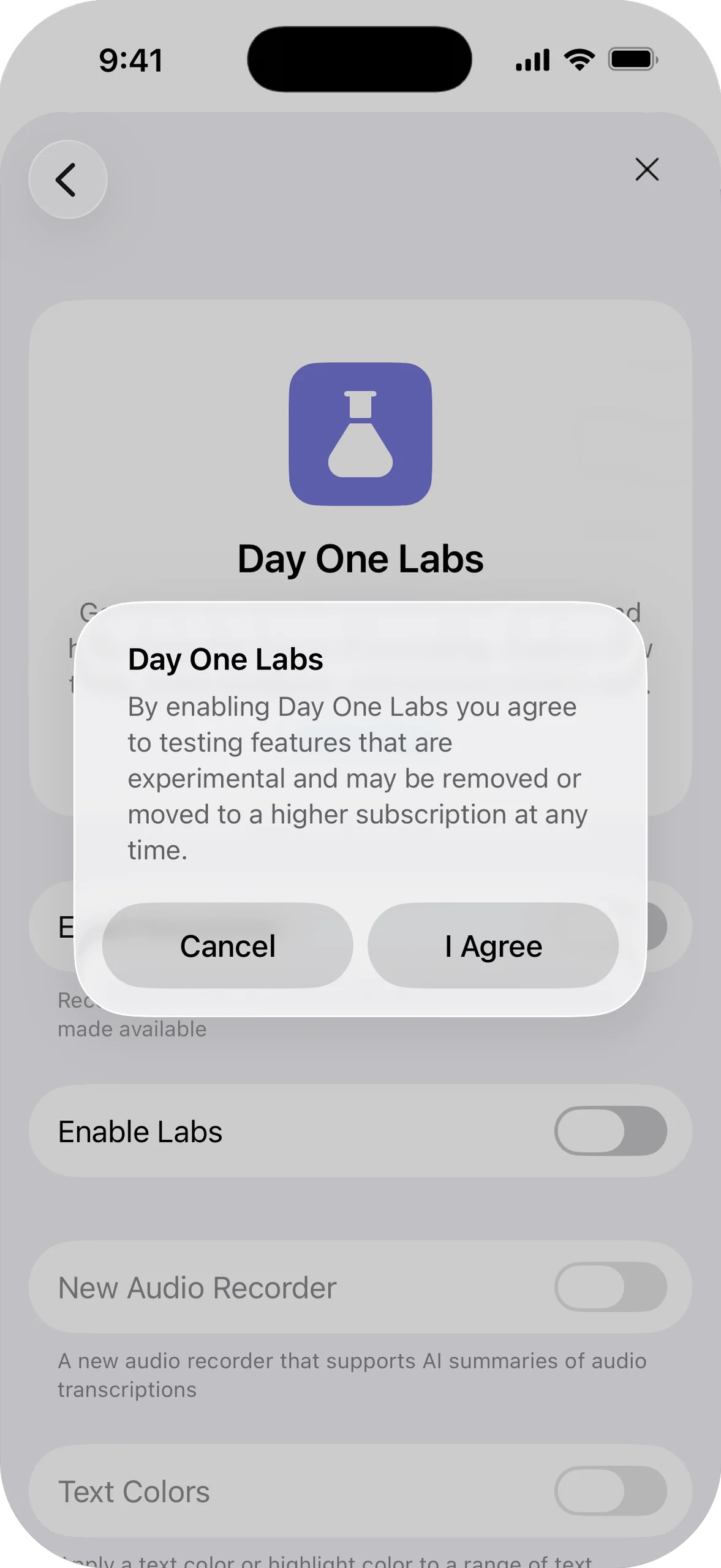
- The "Labs" Era: Earlier this year, Day One introduced "Entry Summary" within its Labs feature set. This served as a beta testing ground, allowing early adopters to experiment with AI-driven insights while the development team refined the underlying algorithms and user interface.
- The Apple Intelligence Catalyst: With the release of iOS 26 and the maturity of Apple’s on-device Foundation Models, the company saw an opportunity to bring these tools out of the experimental phase and into the primary user experience.
- The Launch: As of version 2025.19, the transition is complete. The previous "Entry Summary" feature has been deprecated in favor of the more robust, natively integrated "Entry Highlights," signaling a shift from experimental feature to core functionality.
Technical Architecture: Privacy by Design
The primary concern regarding AI in a diary app is data leakage. Day One has addressed this by ensuring that the entirety of the "Apple Intelligence" stack operates within the "sandbox" of the user’s device.
The Foundation Models framework, which is the engine behind these new features, operates on the neural engine of Apple’s silicon. Because the processing is done locally, there is no latency associated with server requests, and crucially, there is zero data transmission. Even in an airplane mode or deep wilderness setting where no internet connection is available, the AI features remain fully functional.

This creates a "walled garden" of intelligence. When a user requests an "Entry Highlight," the app feeds the text of the journal entry into the local model, which then returns the requested summary or insight. The data does not travel to an OpenAI or Google server; it does not get used to train external models; it remains on the device, as private as the user’s passcode-protected vault.
Official Perspectives: The Philosophy of the "Creative Companion"
The development team at Day One has been vocal about their stance on AI: it is meant to be a companion, not a replacement for the human voice.
"We understand that using AI in journaling might feel like a big step," the company stated in a recent press release. "At Day One, we see AI as a creative companion. It is designed to make journaling more accessible, intuitive, and rewarding for those who experience writer’s block or who simply want to see their life’s events from a different perspective."

The official stance highlights that these tools are strictly optional. Users who prefer a purely manual experience are not coerced into adoption. The settings are intentionally granular, allowing users to toggle features on or off via the "Settings > Apple Intelligence" menu. This respect for user autonomy is a hallmark of the company’s long-term strategy to balance innovation with user retention.
The Trio of New Features
The integration brings three distinct tools to the editor, each aimed at different stages of the journaling process:
- Go Deeper Prompts: For users who find themselves staring at a blank page, the AI analyzes the current draft and provides context-aware prompts. These are not generic "how was your day" questions; they are specific to the content written, encouraging the user to explore nuances they might have overlooked.
- Entry Title Suggestions: A common struggle for journalers is titling entries. The AI suggests relevant, evocative titles based on the content, making it easier to search for and revisit memories later.
- Entry Highlights: By synthesizing long, rambling entries into clear, bulleted summaries, this feature helps users gain a bird’s-eye view of their past entries, making the act of "looking back" much more efficient and impactful.
Implications for the Future of Personal Record-Keeping
The deployment of these features signals a broader trend in the software industry: the "Local AI" revolution. As more applications move toward on-device processing, the trade-off between the power of AI and the safety of personal data begins to disappear.

For the journaling community, this is a transformative moment. The psychological benefits of journaling—mental clarity, emotional regulation, and memory retention—are now being augmented by a digital assistant that never forgets and never judges. If the AI can effectively summarize a year of entries, it could provide users with a "year in review" that offers insights into their growth, emotional cycles, and patterns in behavior that were previously hidden in the noise of daily life.
However, there is also the philosophical question of "authenticity." Critics might argue that if a machine summarizes one’s life, the act of reflection becomes mechanized. Day One’s response to this is clear: the AI does not write the diary; it only illuminates the writing already present.
Managing the User Experience
For those looking to adopt these features, the transition is seamless but requires awareness of hardware requirements. Users must be running iOS 26 on a device that supports the latest Apple Intelligence frameworks.

The company has also provided a robust FAQ section to address concerns regarding the "black box" nature of AI. They emphasize that the models are "evolving," and users should expect variation in output. This transparency is vital. By framing these tools as an evolving technology rather than a perfect product, Day One is managing expectations while fostering a collaborative relationship with its user base.
A Call for Continued Feedback
The company has explicitly stated that they are "just getting started." The current iteration is a baseline from which they intend to build. By encouraging users to share their experiences through their feedback portal, Day One is positioning itself as a platform that grows in tandem with its users’ needs.
As we look toward the future, the implications are vast. Could we eventually see predictive journaling, where the app suggests topics based on recurring emotional trends? Or perhaps an AI that helps curate multimedia journals, connecting photos and locations to thematic insights?

For now, the integration of Apple Intelligence into Day One stands as a gold standard for how developers can adopt cutting-edge technology without sacrificing the core tenets of user privacy. It is a reminder that in the digital age, our most personal data—our memories and reflections—deserve the highest level of protection, even as we embrace the tools that help us make sense of them.
Whether you are a seasoned journaler looking to deepen your practice or a newcomer intimidated by the blank page, these new tools offer a compelling reason to open the app. The future of journaling is not just about writing it down; it’s about engaging with the story of your life in new, meaningful, and incredibly secure ways.