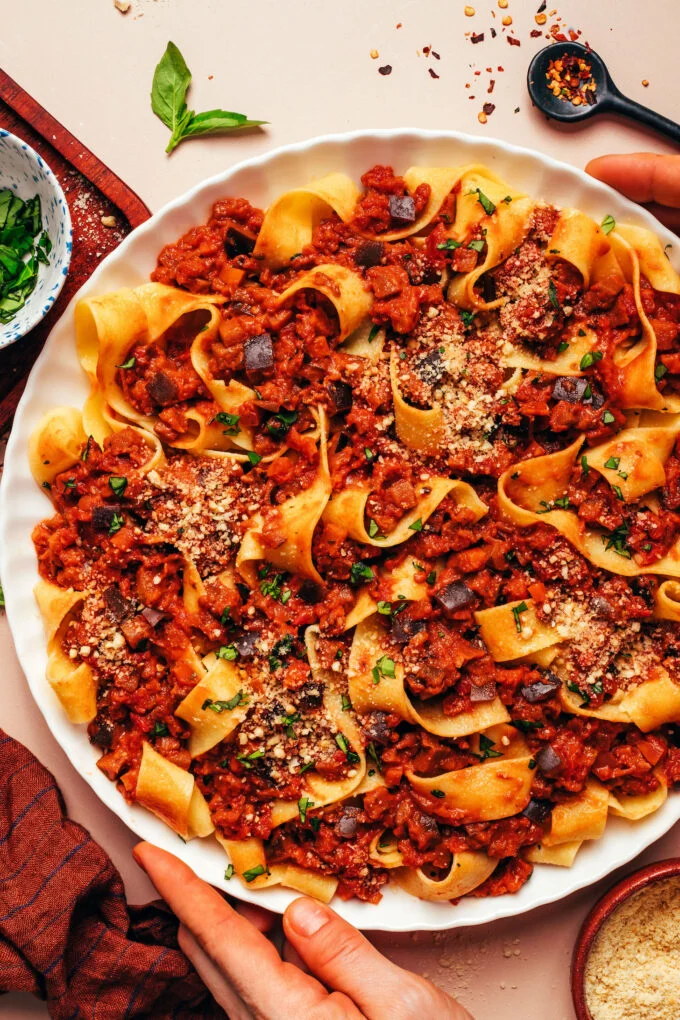
In the landscape of modern home cooking, the term "Bolognese" has long been synonymous with slow-simmered, meat-heavy comfort food. Traditionally originating from the Italian city of Bologna, the classic sauce relies on a foundation of soffritto—a carefully sautéed mirepoix of onions, celery, and carrots—combined with ground meat, white wine, milk, and tomatoes. However, as dietary preferences shift toward more sustainable, plant-forward lifestyles, the definition of this iconic dish is undergoing a significant transformation.
The latest culinary development from the Minimalist Baker test kitchen introduces a one-pot Eggplant Bolognese that challenges the necessity of meat to achieve a "meaty" mouthfeel. This article explores the mechanics of this dish, the shift in home cooking trends, and why this particular recipe has become a standard-bearer for the plant-based movement.
Main Facts: A Modern Twist on an Italian Staple
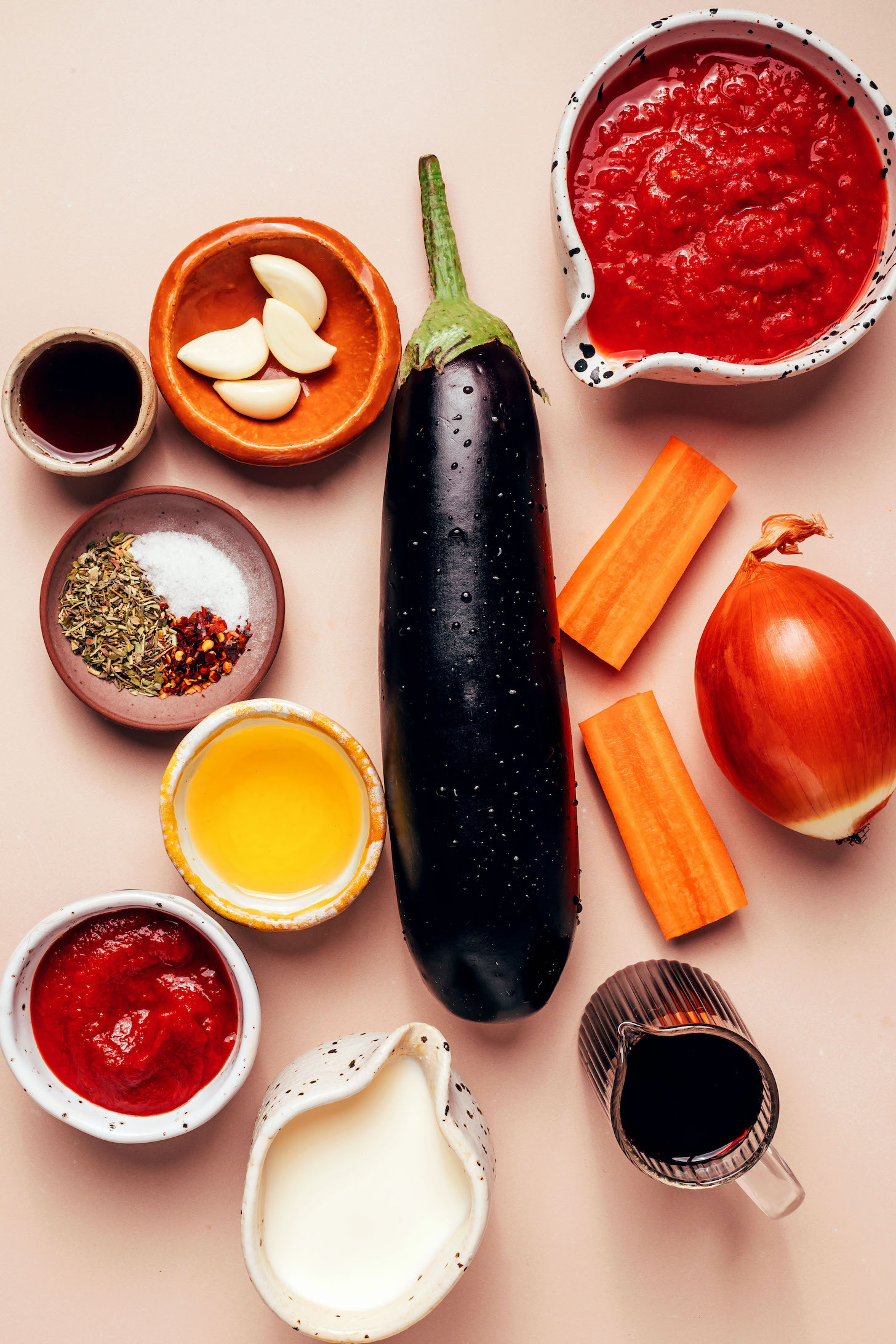
The core innovation of this recipe is the substitution of protein-heavy meats for the humble, versatile eggplant. When diced finely and sautéed properly, eggplant acts as a sponge for the surrounding flavors, absorbing the richness of the tomato paste, the acidity of the wine, and the aromatic profile of dried Italian herbs.
The Pillars of the Recipe
- The Foundation: The dish utilizes a traditional soffritto base, creating a sweet and savory aromatic profile that is essential to any authentic Bolognese experience.
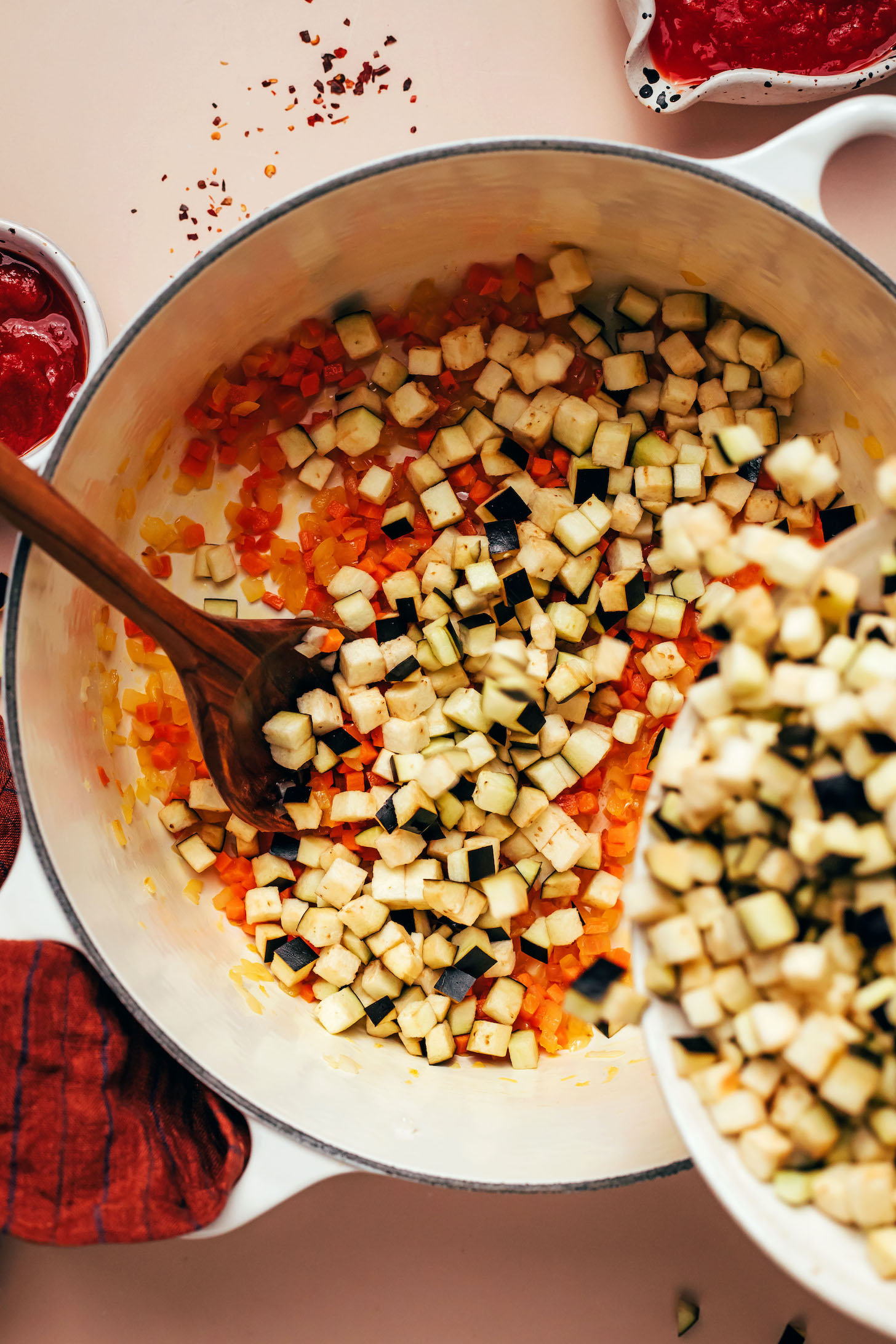
- The Textural Element: By utilizing finely cubed eggplant, the cook achieves a satisfying, chunky texture that mimics the mouthfeel of traditional ragù.
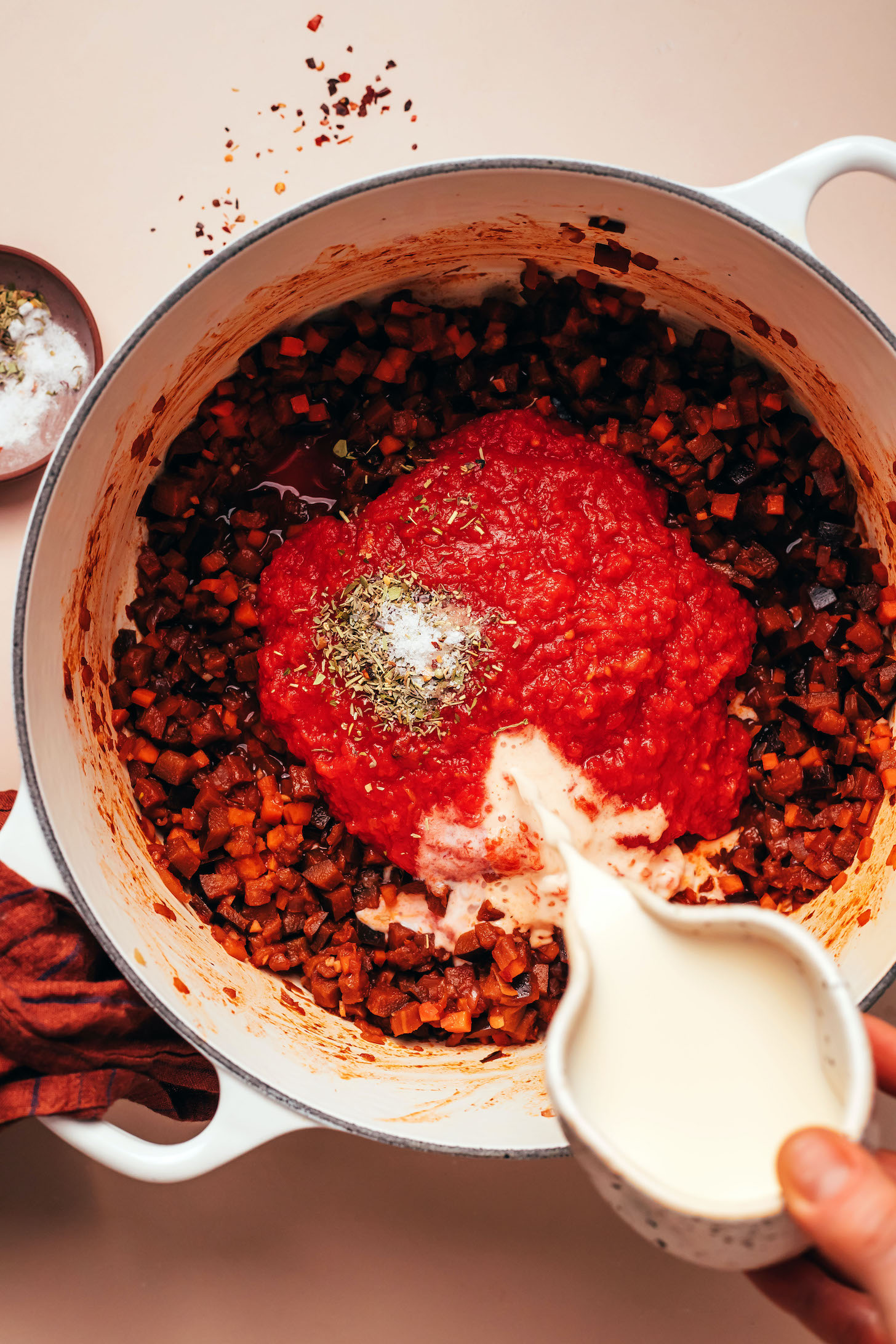
- The Creamy Finish: A departure from traditional dairy-based milk, the inclusion of homemade cashew milk provides a silkiness that balances the high acidity of the crushed tomatoes.
- The "One-Pot" Efficiency: Designed for the modern, time-pressed home cook, the entire process—from the initial sautéing of vegetables to the final simmer—is consolidated into a single vessel. This minimizes cleanup while maximizing flavor concentration.
Chronology: The Journey to the Perfect Plant-Based Ragù
The evolution of this recipe did not happen in a vacuum. It follows a lineage of previous iterations on the Minimalist Baker platform, including versions featuring mushrooms, red lentils, tempeh, and chickpeas.
Phase 1: The R&D Process
Development began with the challenge of finding a vegetable that could withstand a 30-to-60-minute simmer without disintegrating into mush. Eggplant was identified for its ability to maintain structural integrity while softening enough to integrate into a cohesive sauce.
Phase 2: Building Flavor Profiles
The process relies on a specific sequence:
- Sautéing: Onion and carrots are cooked down first to create the flavor base.
- Deglazing: A splash of dry white wine is added to lift the browned bits (fond) from the bottom of the pot, an essential step for deep flavor development.
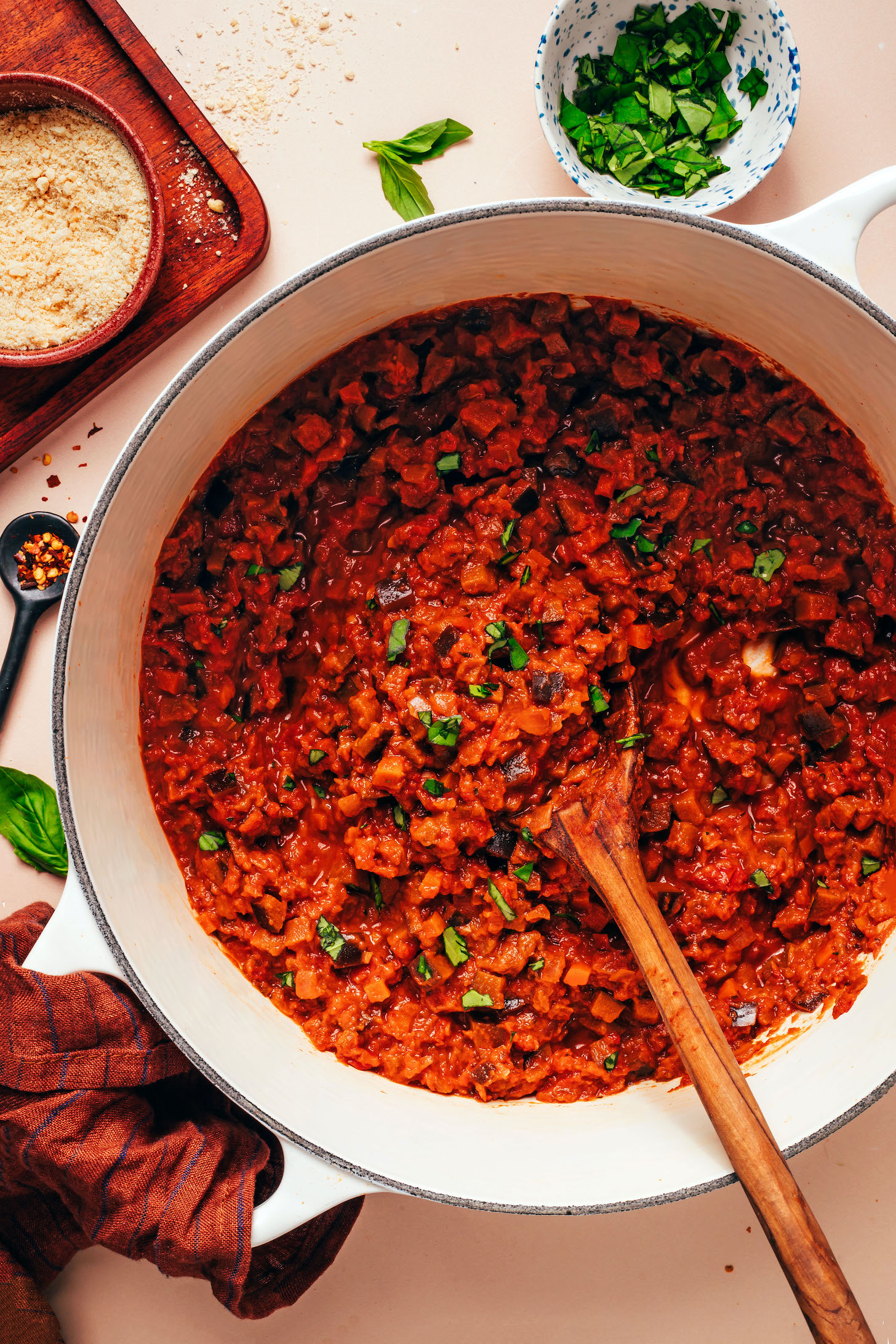
- The Simmer: A minimum of 20 to 30 minutes is required to allow the crushed tomatoes to lose their raw bite and for the vegetable juices to concentrate.
Phase 3: The Refinement
The final touch involves balancing the acidity. While traditional recipes might rely on the sweetness of carrots, this version incorporates a touch of maple syrup to neutralize the sharpness of the tomatoes, ensuring a rounded, mellow flavor profile.
Supporting Data: Nutritional and Practical Analysis
For many home cooks, the transition to plant-based meals is often dictated by nutritional parity. According to the data provided for this recipe, the Eggplant Bolognese offers a compelling profile for those looking to enjoy a substantial meal without the saturated fat and cholesterol associated with traditional meat-based sauces.
Key Nutritional Highlights (Per Serving):
- Calories: 284 kcal
- Fiber: 8.3g (A significant increase over standard meat-based ragùs)
- Protein: 6.6g
- Fat: 17.1g (Primarily from healthy fats, including olive oil)
- Cholesterol: 0 mg
The recipe is also notable for its micronutrient density, offering a substantial amount of potassium (1040 mg) and vitamin C, largely derived from the eggplant and tomato base. Furthermore, the inclusion of cashew milk provides a source of healthy monounsaturated fats, which contribute to the satiety levels of the dish.
Official Perspectives: The Philosophy of "Easy" Cooking
The design philosophy behind this dish is rooted in the belief that "easy" does not have to mean "lesser." By stripping away the complex, multi-step process of traditional Italian cooking, the recipe creates a bridge for novice cooks to enter the world of Mediterranean cuisine.
The Minimalist Baker team emphasizes that this dish is designed to be a "convertible" meal. For households with mixed dietary preferences, the base recipe functions as a canvas. The inclusion of suggested add-ins—such as lentils for extra protein or even traditional ground beef for those who prefer a hybrid approach—acknowledges that cooking is a personal, adaptive process.
Expert Culinary Tips for Success:
- The Size of the Dice: Uniformity in the eggplant cubes is paramount. Larger, uneven chunks will lead to inconsistent texture, whereas a fine dice ensures the eggplant "melts" into the sauce.
- The Importance of the Simmer: While the recipe lists a 30-minute cook time, the flavor profile significantly benefits from extended simmering. If time permits, letting the sauce reduce for up to an hour will create a more intense, jammy quality.
- Don’t Skip the Fat: High-quality extra virgin olive oil is not just a cooking medium here; it provides the mouthfeel that is often lost when removing meat fat.
Implications: The Future of Weeknight Pasta
The success of this Eggplant Bolognese highlights a broader shift in Western culinary habits. As the "meatless Monday" movement transitions into a more permanent shift toward flexible, plant-based eating, recipes that mimic the "cozy" appeal of traditional meat dishes are in high demand.
Impact on Home Dining
This recipe demonstrates that a "quick" meal does not necessitate processed ingredients. By using whole, fresh vegetables and simple pantry staples, cooks are reclaiming the ability to prepare nutritious, high-quality food in under an hour.
Sustainability and Accessibility
Eggplant is a highly accessible ingredient found in almost every grocery store year-round, though it is at its peak in late summer. The ability to freeze the finished sauce for up to a month makes this a practical solution for batch cooking, further reducing food waste and the temptation to rely on pre-packaged, store-bought sauces that often contain high levels of sodium and preservatives.
The Social Component
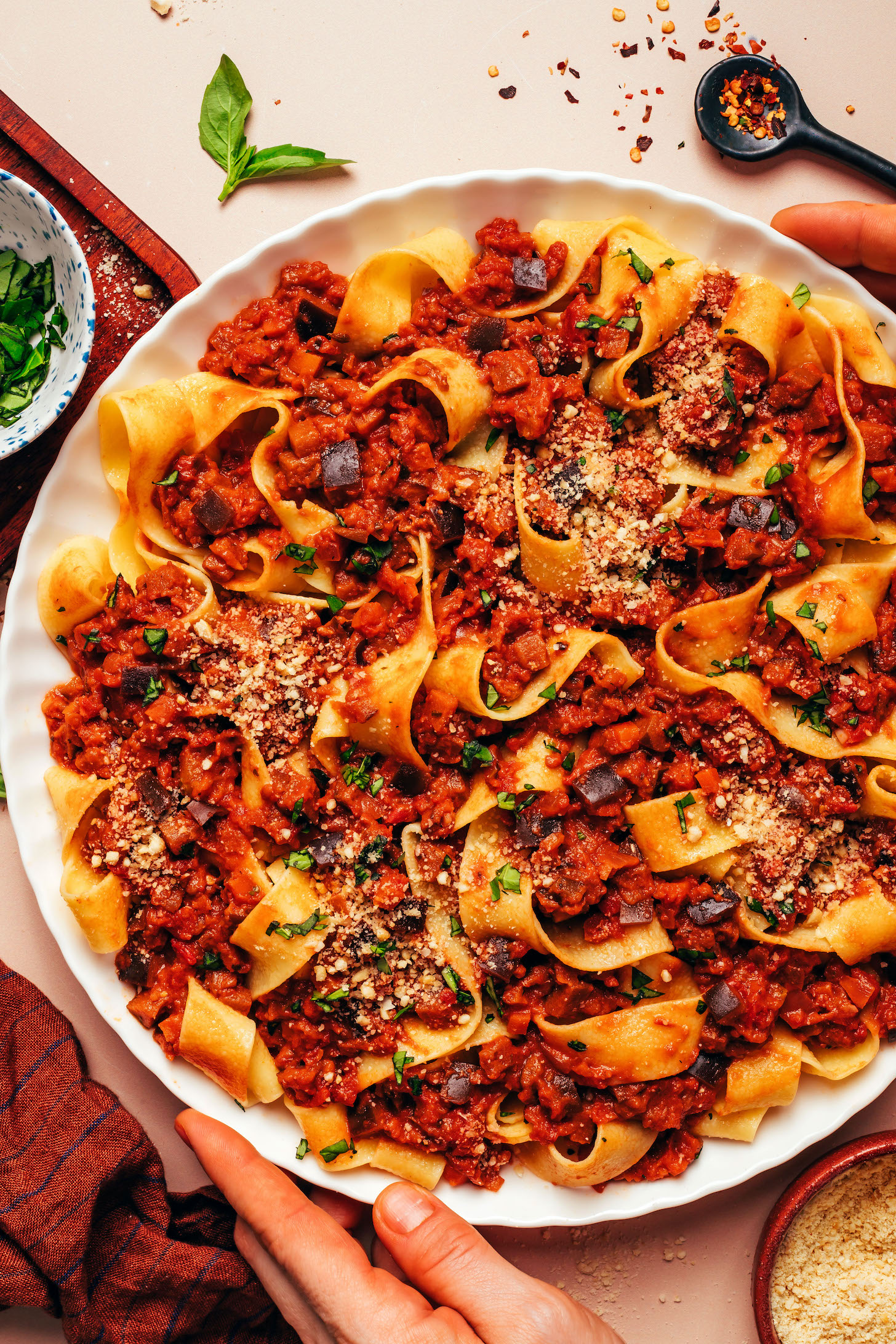
Finally, the appeal of this dish lies in its versatility as a centerpiece. Whether served over traditional pappardelle, gluten-free alternatives, or creamy polenta, it functions as a sophisticated dinner party main that can be garnished with fresh basil and vegan parmesan. It removes the social anxiety often associated with serving "special diet" food to guests, as the flavors are universally recognizable and satisfying.
Conclusion
The "Easy Eggplant Bolognese" represents more than just a recipe; it is a manifestation of contemporary culinary values. It proves that with the right technique, simple, humble vegetables can be transformed into a dish that is as complex and comforting as its meat-based predecessors. By reducing the effort required to make a high-quality sauce—using only one pot and accessible ingredients—it invites more people into the kitchen, encouraging a healthier and more sustainable approach to the daily ritual of cooking dinner.
As we look toward the future of home cooking, it is clear that the most successful recipes will be those that honor the traditional flavors we love while adapting to the practical realities and ethical considerations of the modern era. Whether you are a long-term vegan or simply a fan of a great pasta night, this dish offers a masterclass in how to elevate the simple, the sustainable, and the satisfying.