
In an era defined by digital transactions and increasingly abstract consumerism, teaching children the tangible value of a dollar has become a significant challenge for modern parents. For one Vermont-based family, known in the personal finance community as the "Frugalwoods," the local county fair served as more than just a weekend excursion; it functioned as a real-world classroom for their two daughters, aged 5 and 7, to navigate the complexities of money management.
By establishing a clear, rigid, yet empowering "family money philosophy," these parents are attempting to strip away the mystery surrounding currency, shifting the narrative from money as a status symbol to money as a functional tool.
Main Facts: The "Family Money Philosophy"
At the core of the Frugalwoods’ approach is a fundamental distinction between essential needs and discretionary desires. The family has codified this into a straightforward policy: parents are responsible for the "needs"—shelter, clothing, food, education, and access to enriching experiences like museums and fairs—while children are responsible for funding their own "wants."

This philosophy is designed to be simple enough for a kindergartner to grasp. If the parents provide the admission ticket to the county fair, the child must provide the funds for the souvenir. If the parents provide a nutritious dinner at a restaurant, the child must use their own savings if they desire a dessert. This framework eliminates the ambiguity often associated with "allowance," placing the agency and the responsibility squarely in the hands of the children.
A Chronology of Financial Growth
The family’s approach to financial education is scaffolded, meaning they introduce concepts sequentially rather than overwhelming the children with adult-level theories.
- Phase 1: Earning and Counting (Ages 5–7): The initial focus is on the mechanics of money. This includes learning to count various denominations, understanding price tags, and, most importantly, grasping the "work-for-pay" equation.
- Phase 2: Real-World Transactions: The children are encouraged to engage in commerce independently. Whether it is ordering a dessert at a farm-to-table pizza night or purchasing a ring at a museum gift shop, the parents emphasize the process: saving, bringing the money, and executing the transaction.
- Phase 3: The Debt Experiment: In a pivotal moment last year, the eldest daughter sought to purchase a $13 inflatable unicorn while possessing only $9. The parents facilitated a loan for the remaining $4, under the strict condition that she pay it back through required, paid chores. This experiential learning—the "sting" of working to pay for an item already consumed—left a lasting impression.
- Phase 4: Future Horizons: The family is now preparing to introduce the concept of compound interest through an internal "Bank of Parental Units," signaling a move toward teaching long-term wealth building.
Supporting Data: Chores and Market Value
The financial ecosystem of the Frugalwoods household is built on the concept of "fair market value." Chores are not viewed as a right of citizenship within the home, but as a potential income stream.

The family differentiates between two categories of household labor:
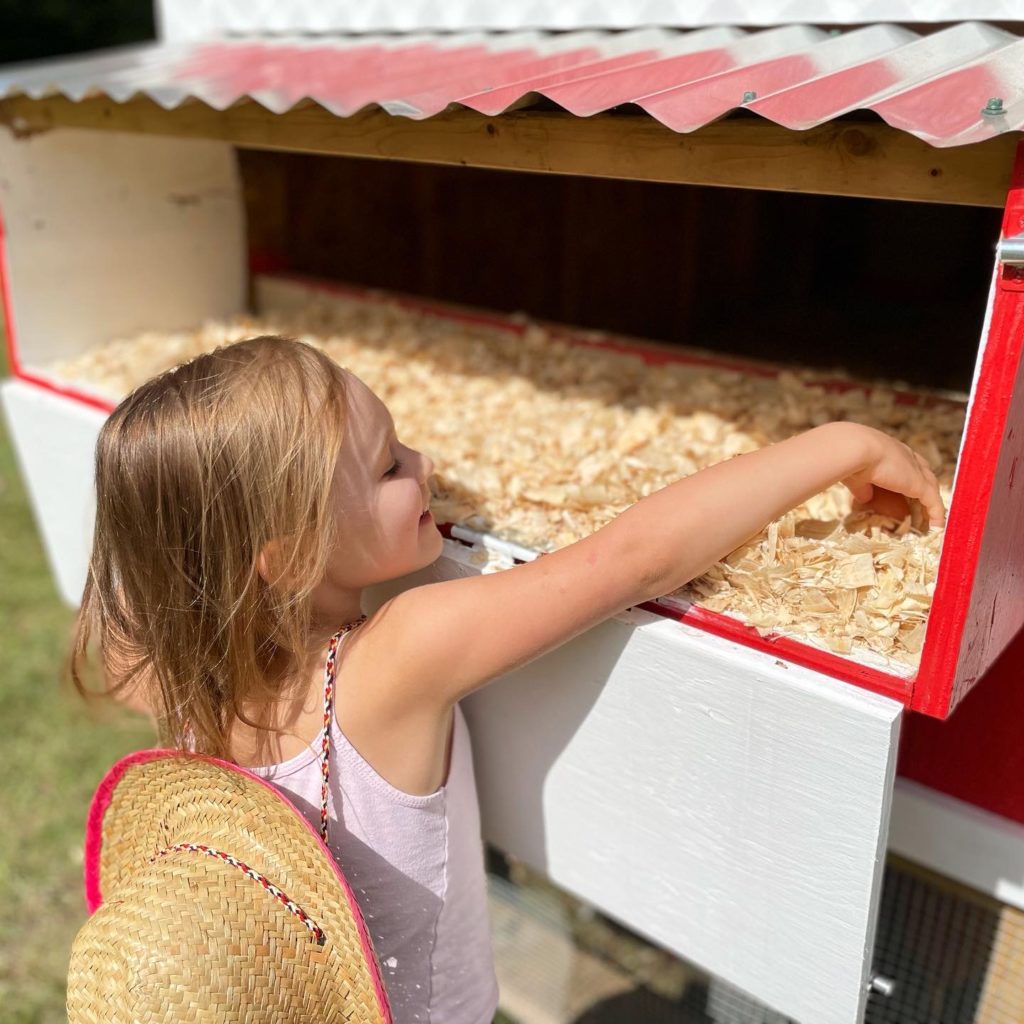
- Daily Unpaid Work: Tasks that contribute to personal hygiene and basic family maintenance, such as making beds, tidying personal toys, or collecting eggs from the family coop. These are framed as inherent responsibilities of living in a household.
- Paid Chores: Projects that provide additional value to the family, such as deep-cleaning kitchen cabinets or organizing specific storage areas.
The parents report that the system is dynamic. During "chore sprints," the children are highly motivated to earn, while at other times, they opt out. Crucially, the parents remain neutral: if a child chooses not to work, they have no money for discretionary spending. This removes the emotional weight of "saying no" to a child’s purchase request; the child has simply opted out of the necessary labor to afford it.
Official Perspectives: The Philosophy of Money as a Tool
The parents emphasize that their goal is to demystify the adult world. They believe that many parents avoid discussing money due to a misplaced fear that it will cause anxiety. However, the Frugalwoods argue that by keeping the lessons basic—"Mama works, gets paid, and buys groceries"—they are removing the shame and mystery often associated with family finances.
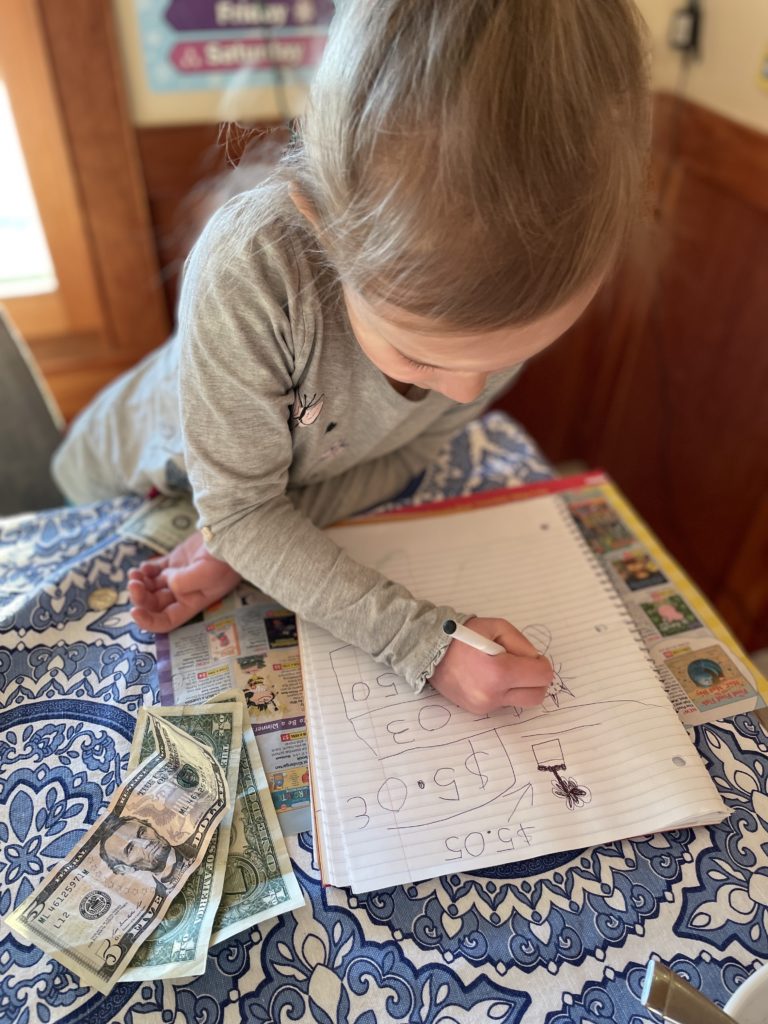
"Money is not status, self-worth, emotional wellness, or happiness," the mother notes. By treating money as a tool—similar to exercise, sleep, or nutrition—the parents aim to raise children who view financial decisions as logical rather than emotional. This "scaffolded" approach ensures that while the children understand the value of work, they are not burdened by the weight of the family’s long-term investment strategies or household budgeting anxieties.
Implications for Modern Parenting
The implications of this approach are profound for child development. By allowing children to experience the "near-crisis" of a misplaced wallet or the "boredom" of working off a debt, the parents are fostering resilience and executive function.
The Impact of "The Debt Lesson"
Allowing a child to go into debt is a controversial but highly effective pedagogical tool. By permitting the purchase of the $13 unicorn, the parents allowed the child to experience the visceral reality of "buyer’s remorse." When the child realized that she had to work for an hour to pay for a toy she was already playing with, the lesson was internalized in a way that no lecture on fiscal responsibility could achieve. The data shows that in the year since that event, neither child has opted for debt, indicating a significant behavioral shift.
Enfranchisement and Autonomy
The shift from being a passive recipient of parental spending to an active manager of one’s own funds is the ultimate goal. When the eldest daughter began sharing a $7 dessert with her sister, she naturally negotiated a split-cost arrangement. This not only taught them about division and coin denominations but also forced them to navigate the social and financial dynamics of partnership.
Preparing for the Future
The move toward an internal bank that pays interest is the next logical step in this developmental arc. By simulating a savings account, the parents hope to bridge the gap between "money for spending" and "money for growing." This transition acknowledges that as children age, their financial needs will evolve from trinkets and snacks to long-term goals like education or transportation.
Conclusion: Lessons for the Broader Public
The Frugalwoods’ experiment suggests that financial literacy is not a subject to be taught in high school economics, but a habit to be formed through the mundane trials of daily life. By stripping away the "magic" of the credit card and the convenience of parental subsidies, they are forcing their children to confront the reality of their own agency.

The success of this approach is perhaps best summarized by the 7-year-old’s own assessment of her mother’s job: "Her job is to help other people with their money… They are serious but kind." By modeling this seriousness and kindness in their own home, the parents are providing their children with a foundational understanding that will serve them long after the childhood toys have been discarded.
As the family continues to refine their methods—moving from the simple act of counting coins to the complexities of interest rates—they offer a blueprint for parents who wish to raise financially conscious, autonomous, and grounded individuals. In a world where the ease of "tap-to-pay" hides the reality of cost, these lessons in earning, saving, and planning are more vital than ever.