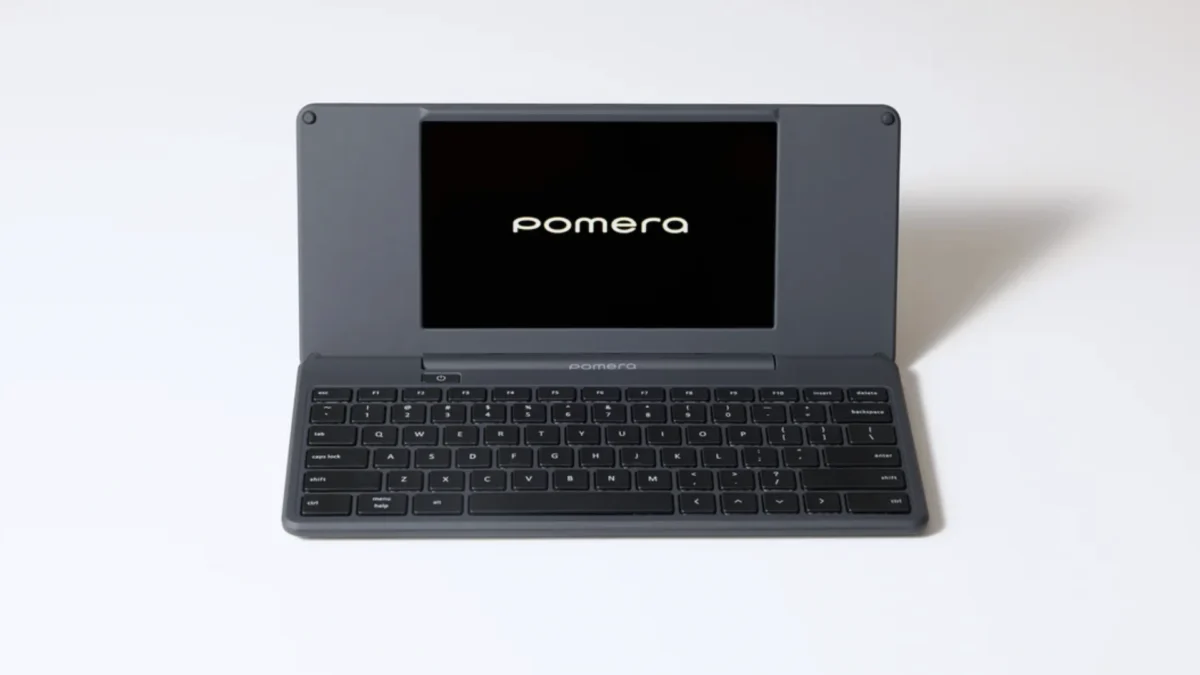
In an era defined by constant connectivity, algorithmic feeds, and the relentless ping of notification badges, the act of writing has become an exercise in willpower. For the modern professional, the creative process is often interrupted by the siren call of social media, urgent emails, or the lure of a browser tab rabbit hole. Enter the Pomera DM250: a niche, "single-use" digital typewriter that promises to restore the sanctity of the focused mind.
While some might dismiss it as the latest fetish object for the tech-savvy hipster, a week of intensive use reveals a profound truth: the Pomera DM250 is perhaps the most effective productivity tool for writers, journalists, and creatives released in the last decade.
The Core Concept: Engineering Radical Focus
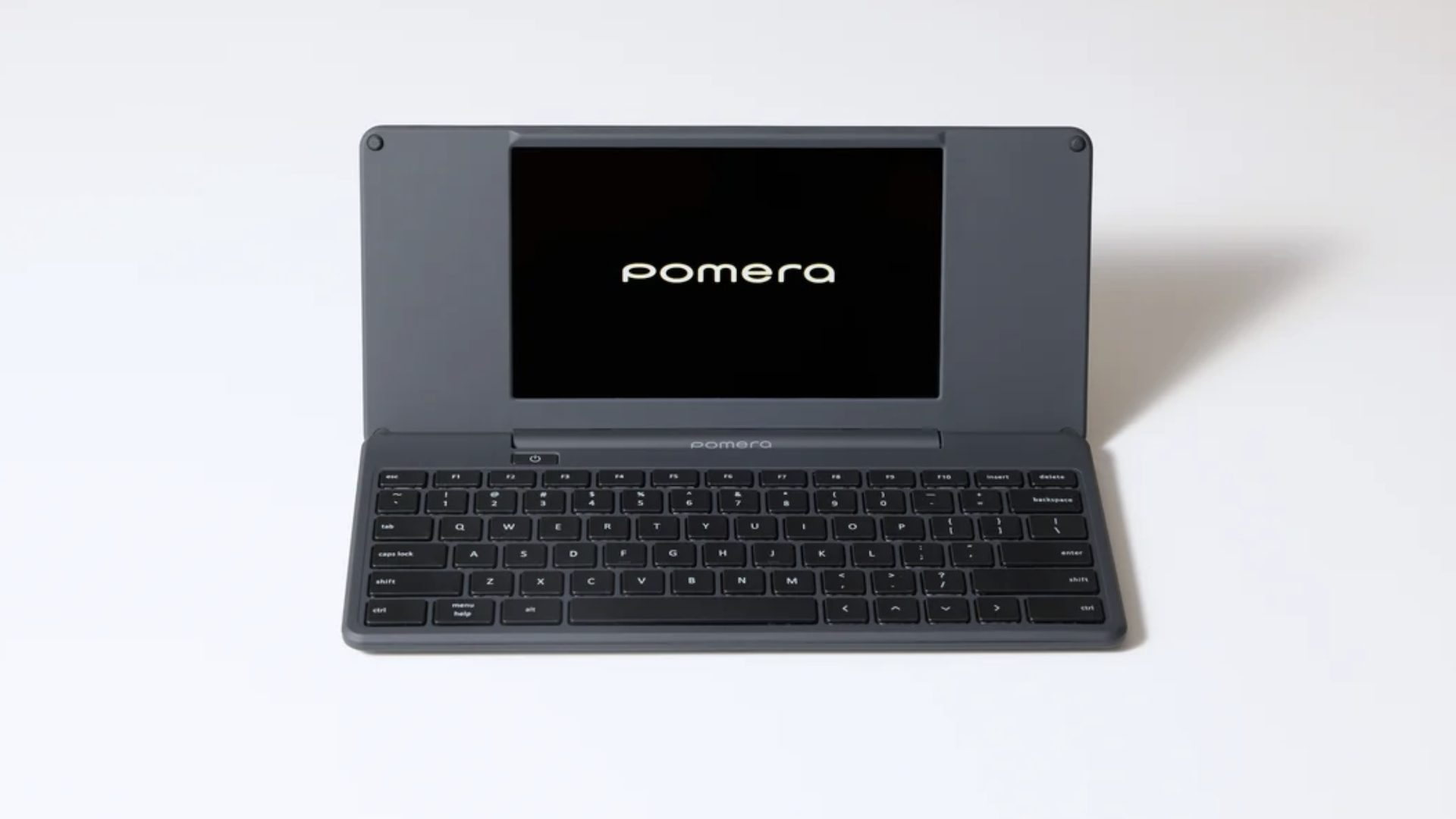
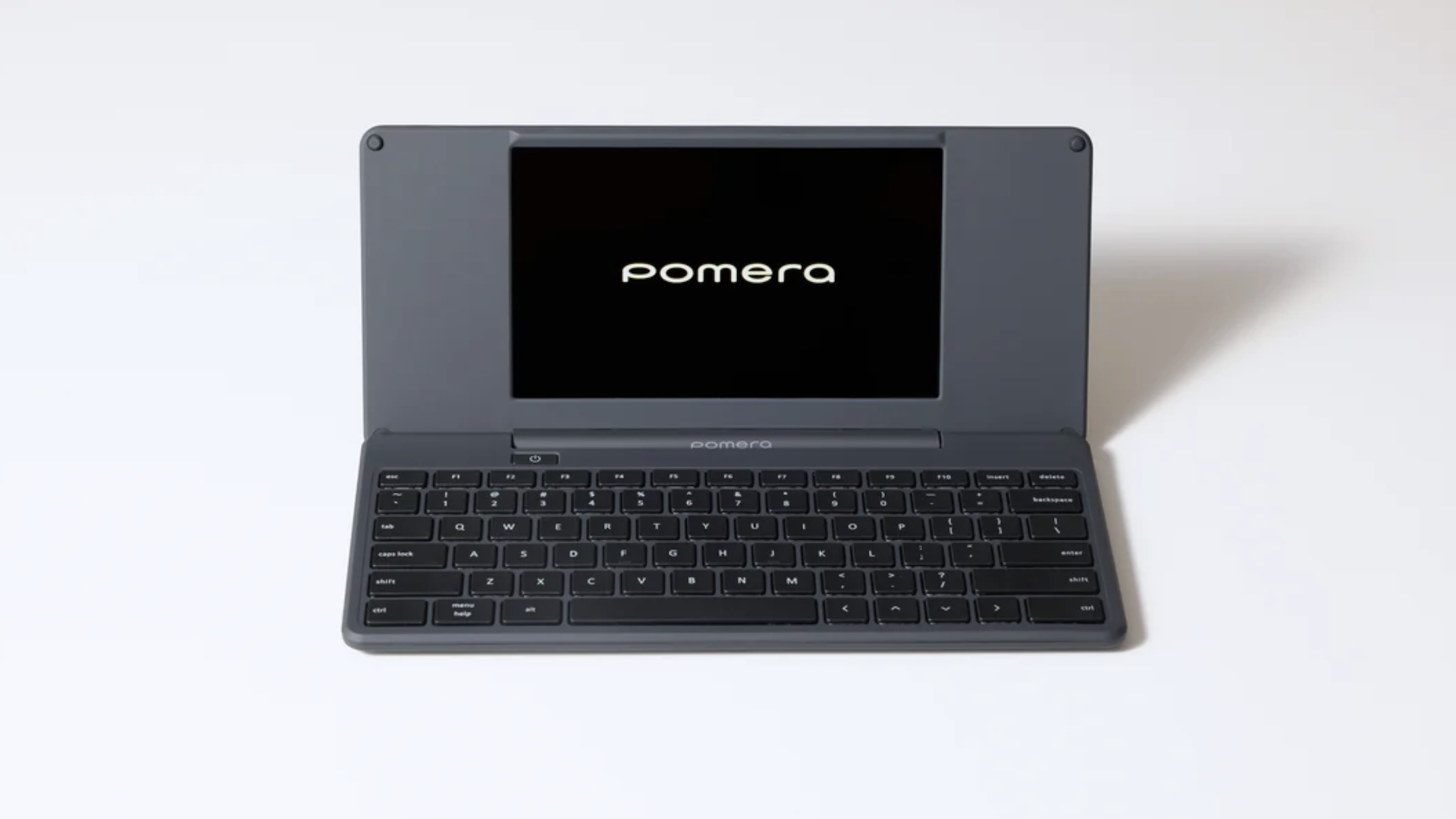
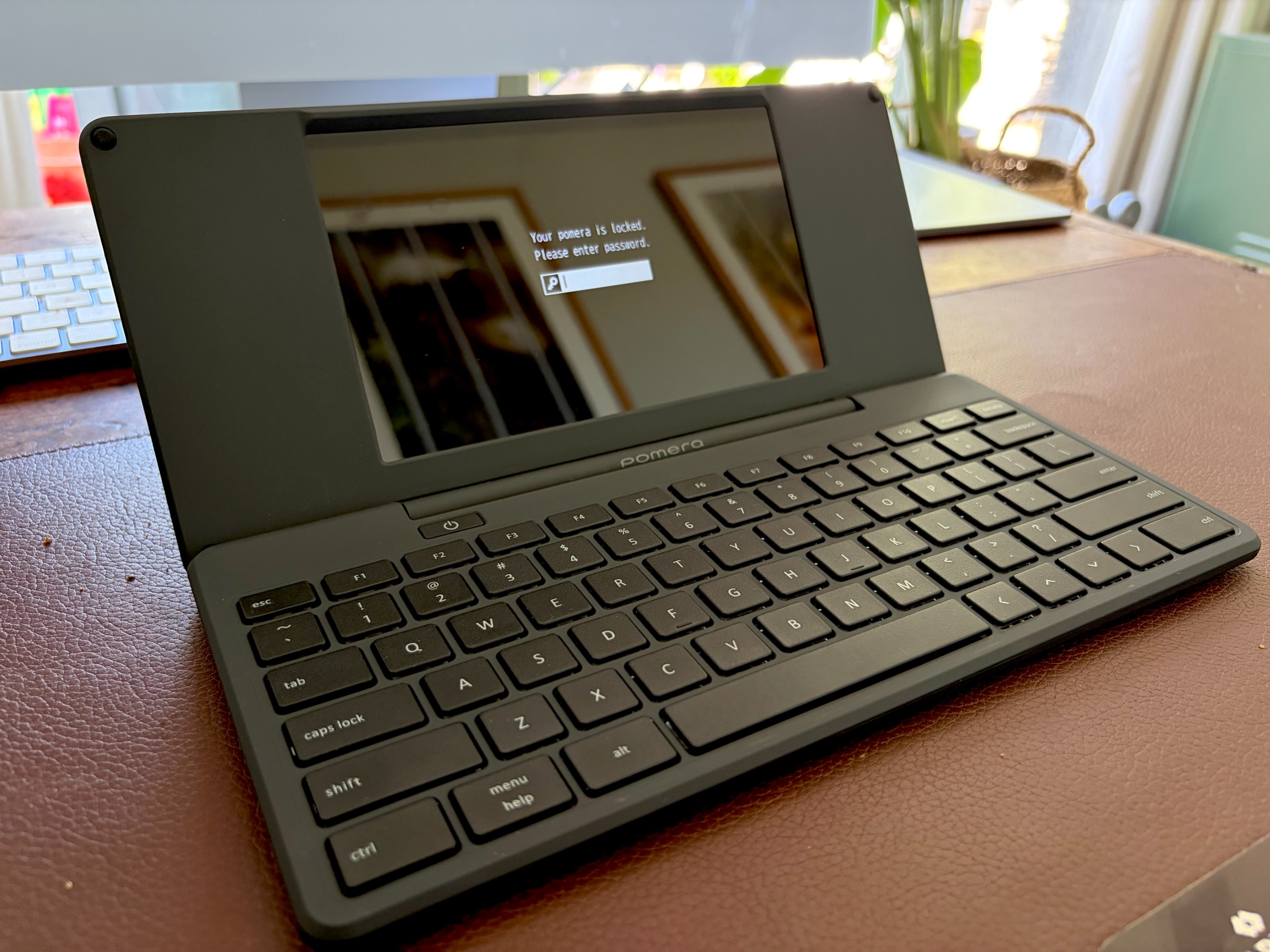
The Pomera DM250 is a digital typewriter manufactured by King Jim, a Japanese company that has long championed the concept of the "dedicated writing tool." Unlike a laptop or an iPad, which are essentially Swiss Army knives designed to do everything, the DM250 is a singular instrument designed to do one thing exceptionally well: text entry.
The Hardware Specifications
- Form Factor: A portable, folding clamshell design that fits into a standard bag.
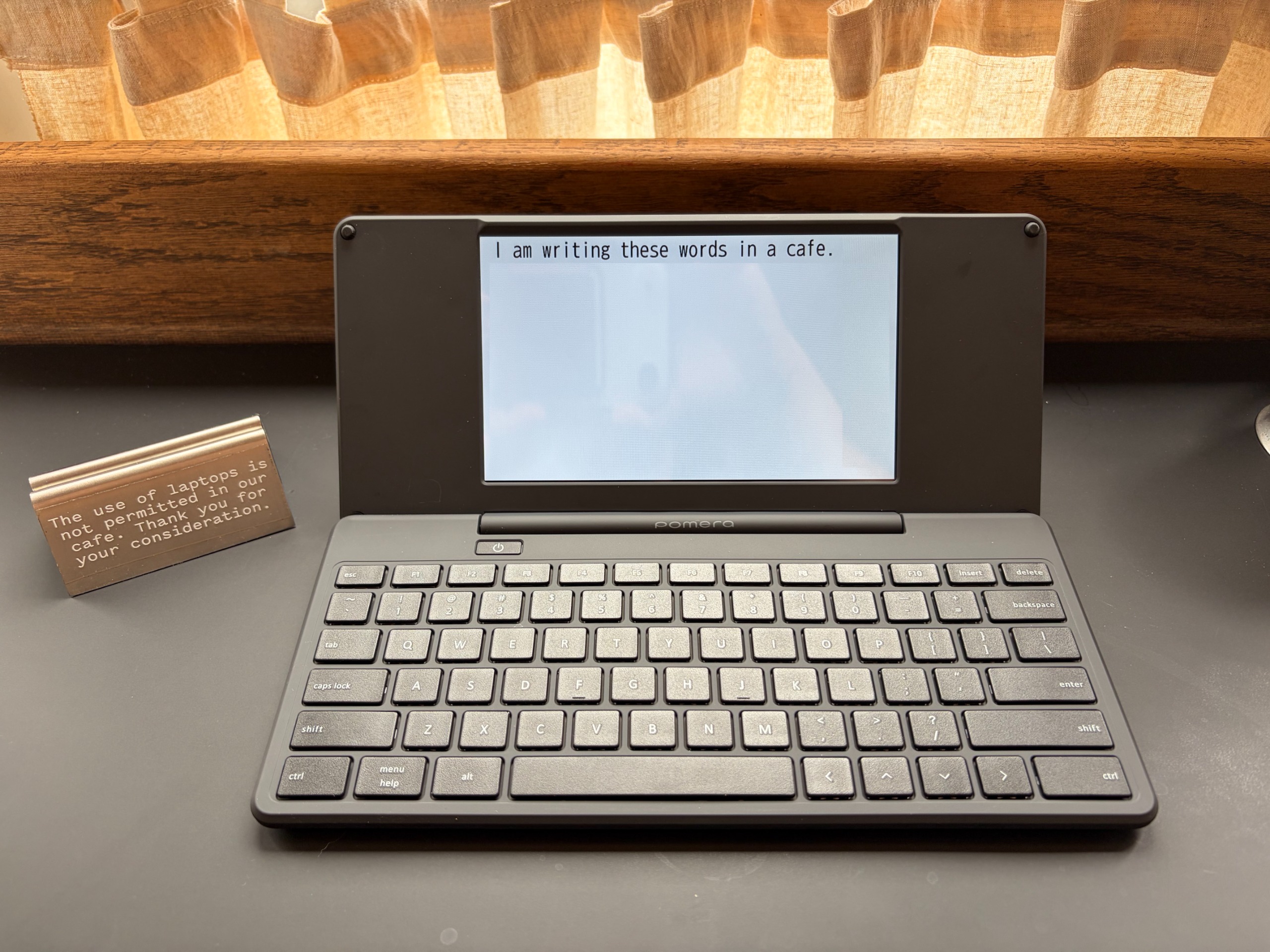
- Display: A high-contrast, sharp LCD screen that eliminates the latency issues frequently associated with E-ink displays found in competitors like the Freewrite Traveller.
- Keyboard: A full-sized, tactile keyboard that provides satisfying, precise feedback without the bulk of a mechanical board.
- Connectivity: Limited Wi-Fi functionality, restricted solely to file transfers and email-to-self capabilities.
- Power: Long-lasting battery life optimized for sustained, marathon writing sessions.
The device does not have a browser. It does not have an app store. It does not have a notification center. By stripping away the digital infrastructure of modern computing, the DM250 forces the user into a "flow state," where the only option is to put words on the page.
A Chronology of the Digital Distraction Problem
To understand why a device like the Pomera DM250 has gained such a cult following, one must look at the evolution of the writer’s workstation over the last twenty years.
The Golden Age of the Laptop (2000–2010)
At the turn of the millennium, the laptop was the ultimate tool for the mobile writer. It liberated the creative from the desk, allowing for composition in coffee shops, trains, and parks. However, as the internet became ubiquitous and mobile, the laptop transformed from a tool of creation into a portal for consumption.
The Rise of the "Dumb" Movement (2015–Present)
As the mental health implications of "always-on" culture became a mainstream topic of discussion, a counter-movement emerged. 2015 saw the early, often flawed, attempts at distraction-free hardware. The initial Freewrite machines promised the "typewriter experience" but were often hindered by clunky software and laggy screens.
The Refinement Phase (2022–2024)
With the launch of the DM250, the market has finally reached a level of maturity. Users are no longer looking for "retro" gimmicks; they are looking for professional-grade tools that solve the problem of digital fragmentation. The success of products like the reMarkable paper tablet and the resurgence of simple "dumbphones" underscores a growing demographic of users who are willing to pay a premium for silence and focus.
Supporting Data: The Psychology of Single-Tasking
The appeal of the Pomera DM250 is supported by cognitive psychology. Research into "task switching" consistently shows that the human brain pays a "switching cost" every time we move between windows or respond to an incoming alert. This cost is not just measured in time, but in the degradation of creative quality.
The "Flow State" Advantage
Psychologist Mihaly Csikszentmihalyi’s theory of "flow" posits that optimal performance is achieved when a task is immersive and free from interruption. By physically separating the writing environment from the research/communication environment, the DM250 provides the necessary conditions for deep work.
- Zero-Latency Typing: The crisp LCD screen ensures that the visual feedback is instantaneous, preventing the "drag" that occurs when writing on slower e-ink devices.
- Portable Reliability: The weight and size of the DM250 mean that a writer can carry their office anywhere. It eliminates the anxiety of having to "find a place to work" where a desk and outlet are available.
Official Perspectives: The Philosophy of King Jim
While King Jim, the maker of the Pomera, rarely engages in the hyper-competitive marketing of Silicon Valley, their design philosophy is clear. In various corporate briefs and product materials, the company emphasizes the importance of "tools that spark the creative engine."
For King Jim, the device is not about being "analog"—it is about being "dedicated." Their engineers have focused on the tactile experience of the keyboard and the instant-on capability of the software. When you open the clamshell, the device is ready to type in seconds. This eliminates the "friction of entry" that often kills a writing session before it begins.
Implications: The High Cost of Focus
At a price point of $549, the Pomera DM250 occupies an interesting space in the market. It is not an affordable toy; it is a professional investment.
The Value Proposition
The central question for any prospective buyer is: What is your focus worth? If a writer earns their living by the word or the page, the ability to produce a draft in three hours instead of six—due to the lack of distractions—makes the device pay for itself within a few weeks of professional use.
The Future of "Dedicated" Tech
The success of the DM250 suggests that the future of hardware might be moving toward specialization. As AI and complex software become standard on our primary computers, the need for "safe spaces" for human thought will only increase. We are likely to see a continued bifurcation in the tech market:
- The Supercomputer: The device that does everything (AI, rendering, communication).
- The Specialist: The device that does one thing perfectly (writing, sketching, reading).
Conclusion: A Tool for the Modern Writer
The Pomera DM250 is not for everyone. If your work requires constant research, complex formatting, or real-time collaboration, this device will be a frustration. But for the novelist, the journalist, the screenwriter, or the academic, it is a revelation.
In a world that demands we constantly look at our screens, the Pomera DM250 offers a rare opportunity: to look through the screen and into our own thoughts. It is a quiet, steady, and remarkably efficient companion in a loud world. It doesn’t just store our words; it protects the time required to create them. Whether you are a self-proclaimed hipster or a seasoned professional looking to reclaim your attention, the DM250 is, quite simply, the best writing experience available today.