
Introduction: The Biweekly Budgeting Challenge
For many households, the journey toward financial wellness hits an early, formidable roadblock: aligning a monthly billing cycle with a biweekly income schedule. While tracking spending is universally acknowledged as a cornerstone of financial health, the mechanics of budgeting often feel daunting or overly complicated. When paydays fluctuate and pay periods stretch across calendar months, even the most enthusiastic savers can quickly throw in the towel.
However, getting paid every two weeks—resulting in 26 paychecks a year rather than the traditional 24 semi-monthly distributions—does not have to be a financial puzzle. In fact, with the right framework, tools, and mindset, a biweekly income can transform from a logistical headache into a powerful financial superpower.

Main Facts: Decoding the Biweekly Pay Cycle
To build an effective budget, one must first understand the fundamental mechanics of a biweekly pay schedule.
- The Numbers Game: Being paid biweekly means receiving 26 paychecks per calendar year.
- Biweekly vs. Semi-Monthly: It is vital to distinguish biweekly pay (every other week, 26 paychecks annually) from semi-monthly pay (twice a month on fixed dates, such as the 1st and 15th, yielding 24 paychecks annually).
- The Secret Weapon: By basing a monthly household budget strictly on the income generated by two paychecks per month, individuals create a surplus. Twice a year, the calendar aligns to deliver a "third paycheck" month—an unallocated financial windfall that can be funneled directly into savings, investments, or debt reduction.
- The Buffer Strategy: Because bills do not pause to wait for irregular paydays, establishing a small buffer fund is essential for smoothing out cash flow discrepancies between pay periods.
Chronology: A 5-Step Process to Build Your Biweekly Budget
Creating financial stability requires a systematic approach. By breaking down the budgeting process into actionable sequential steps, households can transition from reactive spending to proactive wealth building.

Step 1: Pinpoint Net Income
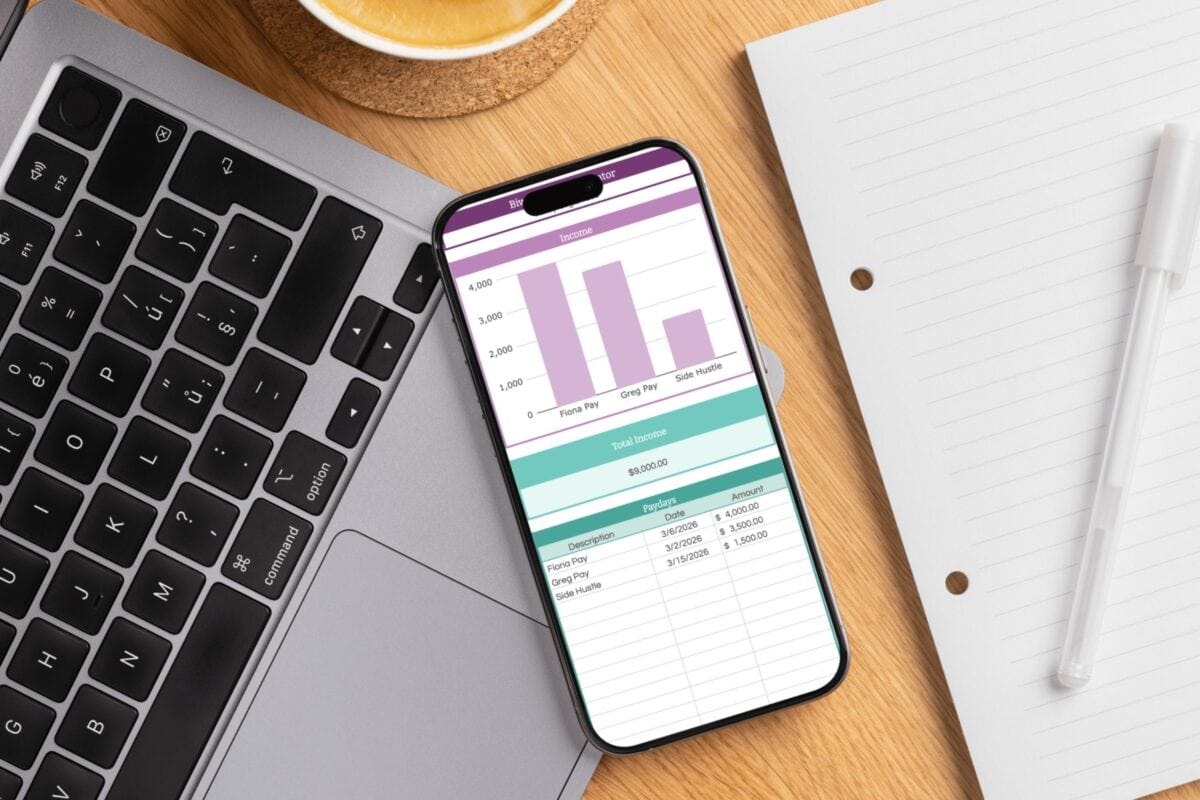
The foundational step of any budget is knowing precisely how much money enters your household. Calculate your net income (take-home pay) from each biweekly paycheck. If you have multiple earners in the household or generate supplemental income through side hustles, aggregate these figures to establish your baseline working capital.
Step 2: Audit Bills, Debts, and Due Dates
Next, conduct a thorough inventory of your fixed financial obligations. Pull bank and credit card statements from the previous month to compile a comprehensive list of recurring bills and debt payments.

- Record the name, exact due date, and amount due for every expense.
- For fluctuating utilities (such as water or electricity), budget a ballpark figure slightly higher than your historical average to ensure a safety margin.
- Optimizing Due Dates: Analyze the distribution of your bills. Ideally, expenses should be split evenly between the first and second halves of the month. If the bulk of your bills land in the first two weeks, contact service providers to request due-date adjustments—companies are frequently accommodating.
Step 3: Outline Variable Expenses
Once fixed obligations are organized, list your variable spending categories. These typically include groceries, fuel, dining out, entertainment, and personal care. If your spending habits in these areas are unfamiliar, dedicate your first month of budgeting strictly to tracking these expenses without rigid limits. By month two, you will have realistic data to establish firm spending caps.
Step 4: Account for Savings Contributions
A complete budget must pay your future self first. Document automatic contributions to emergency funds, retirement accounts, and specific sinking funds (such as holiday shopping, annual vehicle maintenance, or vacation savings). Your goal is to cover all variable expenses and savings contributions using the remaining "left-to-spend" balance after your bills are deducted.
Step 5: Establish Weekly Tracking Habits
A budget is not a set-it-and-forget-it document; it requires maintenance. Dedicate a short window—such as 20 minutes every Friday morning—to log weekly transactions into a dedicated budgeting spreadsheet or app. Reviewing the numbers regularly empowers households to make mid-course corrections before overspending occurs.
Supporting Data: Navigating the Math with Specialized Tools
For many consumers, calculating which bills are covered by which specific paycheck introduces human error and anxiety. Financial educators increasingly recommend utilizing automated digital calculators designed specifically for biweekly schedules.
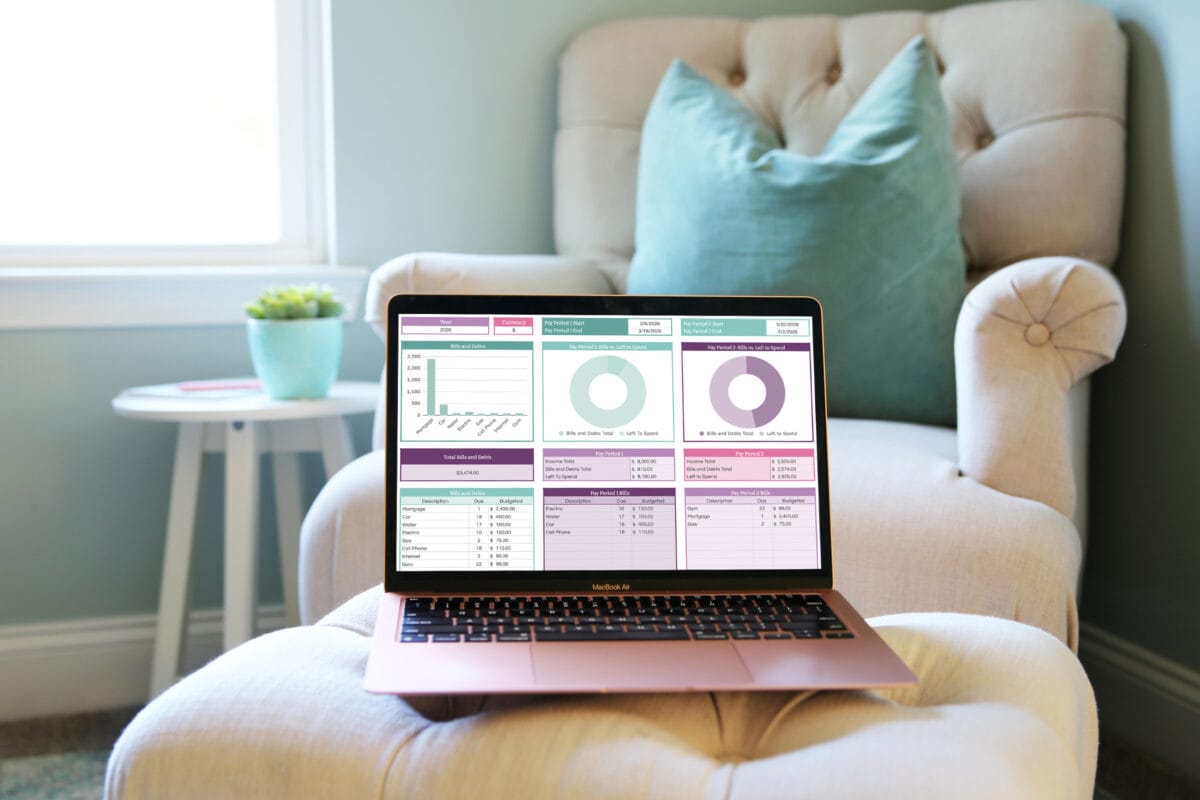
By inputting net income, recurring debt obligations, and specific pay period dates into a biweekly paycheck calculator, users can instantly automate the matching process. These tools aggregate bill totals, project remaining spendable income per pay period, and provide a clear panoramic view of cash flow across the entire calendar year.
Furthermore, data shows that households utilizing dedicated digital tracking spreadsheets are 40% more likely to identify spending leaks within the first 60 days of implementation compared to those relying on mental math or unstructured paper notes.

Official Responses and Expert Perspectives
Financial advisors and budgeting specialists consistently emphasize that behavioral psychology plays a larger role in financial success than raw mathematics.
"The moment people realize they don’t have to overhaul their entire lives to manage a biweekly income, the anxiety drops dramatically," notes consumer finance advocate Abby Lawson. "The secret isn’t restricting every fun purchase; it’s simply paying attention to the timing of your cash flow."

Experts highlight that the primary reason budgets fail is rigid complexity. When systems require meticulous daily accounting without automated relief valves—such as a buffer fund—users experience decision fatigue. Financial planners advocate for structural simplicity: automating bill payments, utilizing software to handle the biweekly calendar shift, and establishing pre-ranked financial goals for unexpected cash surpluses.
Implications: What to Do with the "Third Paycheck"
The ultimate financial implication of mastering a biweekly budget is the strategic deployment of the two annual "third paycheck" months. When a household operates on a 24-paycheck baseline while actually earning 26 paychecks, those two extra distributions represent uncommitted capital.

Rather than absorbing these funds into lifestyle inflation—such as dining out more frequently or purchasing non-essential luxury items—financially resilient households consult a pre-ranked list of goals. These funds can be strategically deployed to:
- Accelerate Debt Payoff: Eradicating high-interest credit card debt or reducing principal balances on auto loans.
- Fortify Emergency Reserves: Expanding a standard 3-to-6-month emergency fund to insulate against economic uncertainty.
- Fund Major Milestones: Covering upcoming property taxes, home renovations, or educational expenses without relying on credit.
Ultimately, shifting from a mindset of financial uncertainty to one of structural organization transforms biweekly paychecks from a scheduling obstacle into a reliable engine for long-term wealth creation.