By Education and Lifestyle Desk Published: August 2026
Main Facts
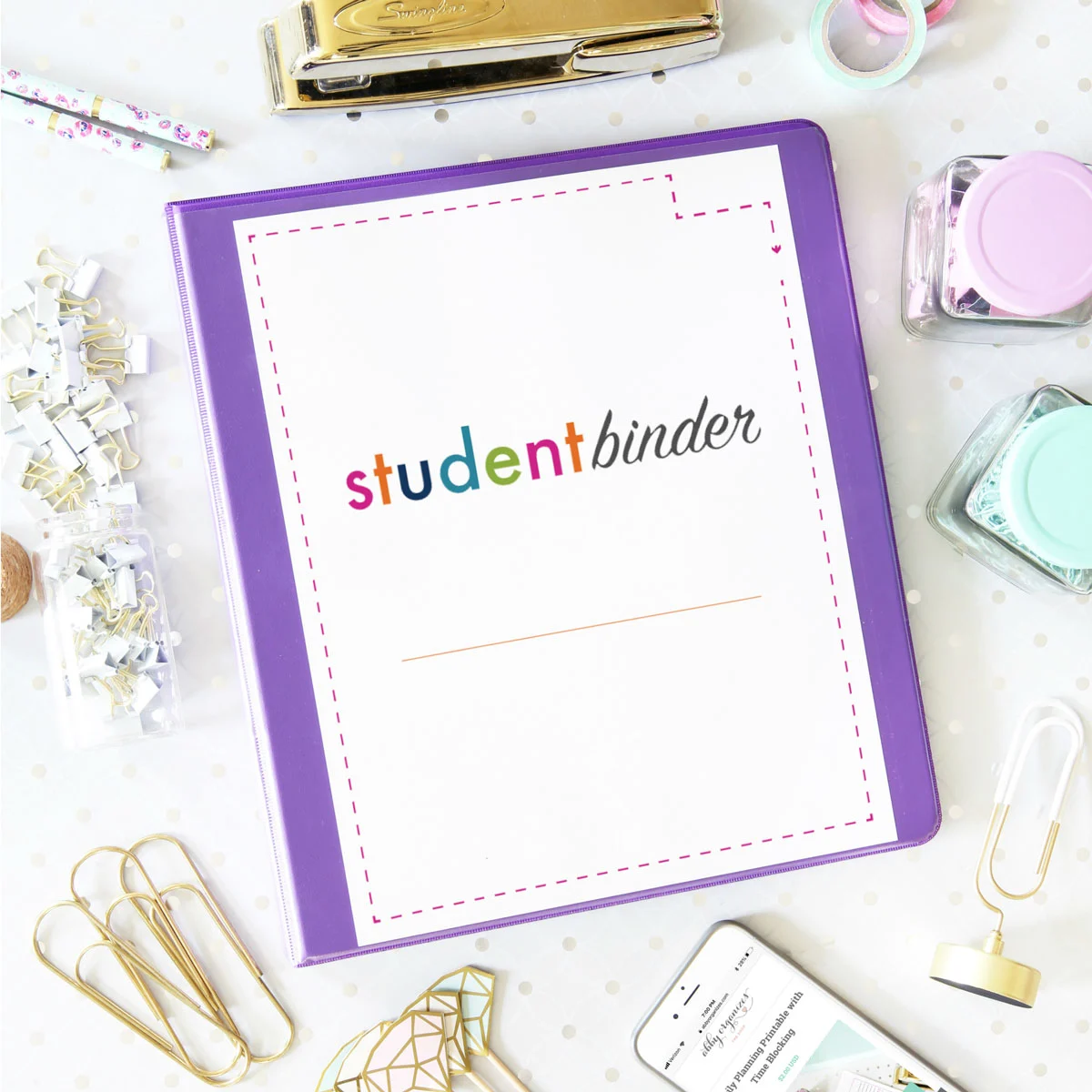
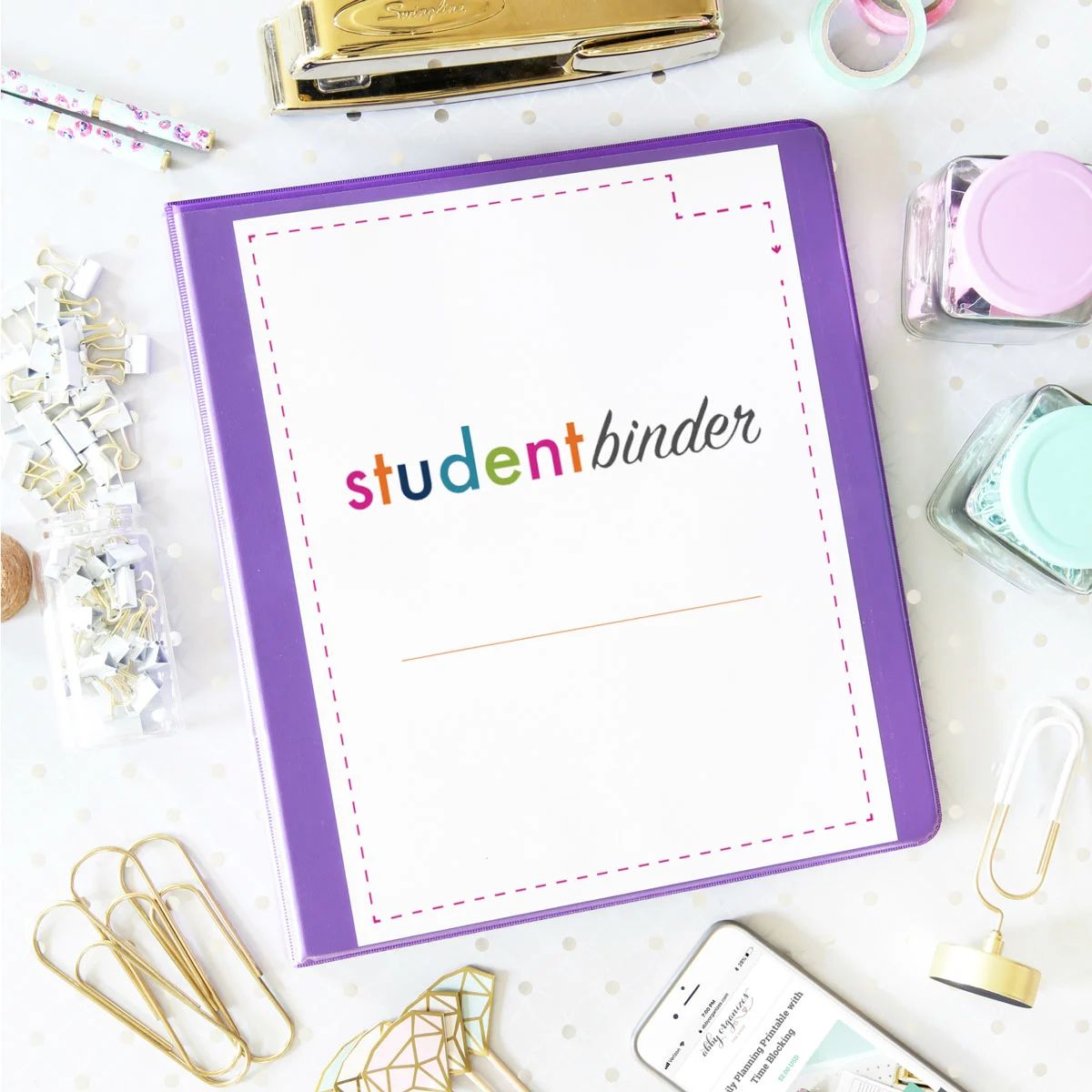
As students, parents, and educators prepare for the upcoming academic year, the perennial challenge of managing syllabi, tracking assignments, and balancing extracurricular activities has returned to the forefront of household discussions. In response to overwhelming demand from families seeking structure, lifestyle and organization platform Just a Girl and Her Blog has officially released its heavily anticipated, newly updated Free Printable Student Binder.
Designed to set students up for success from their very first day back to school, the comprehensive toolkit offers a vast array of customizable printables. The resource is tailored to accommodate learners across all developmental stages—spanning middle school, high school, and undergraduate college programs.
Key elements of this year’s release include:
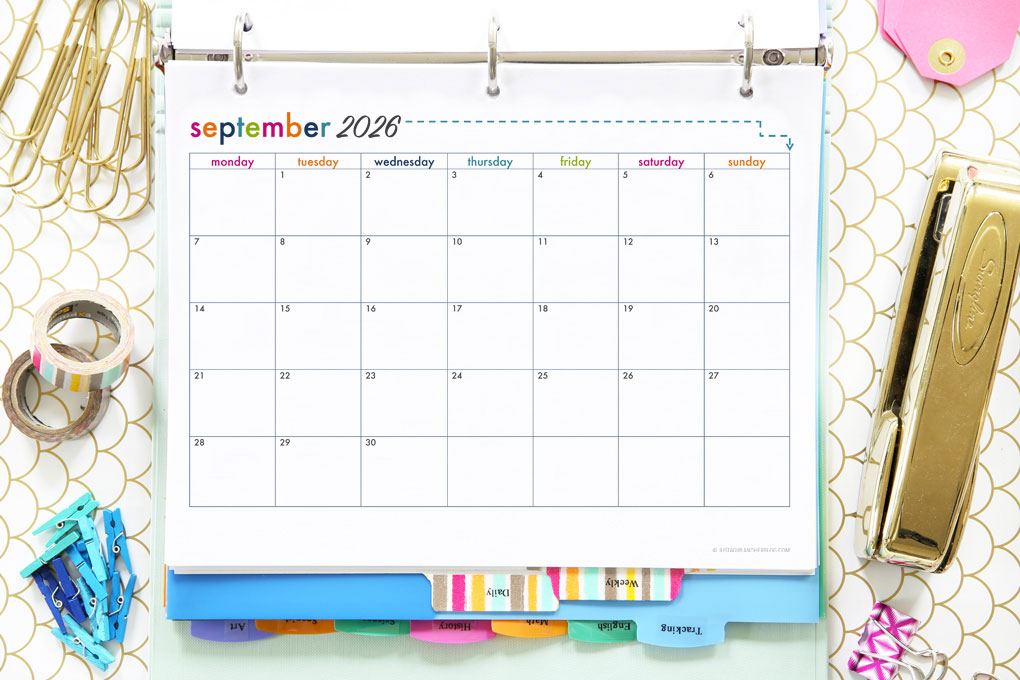
Extended Calendar Support: Updated dated monthly calendar pages running from July 2026 through December 2027, alongside fully customizable undated calendar templates.
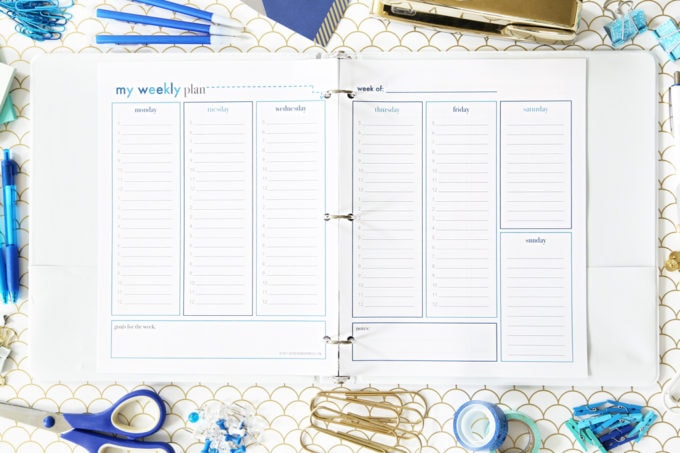
Dual Aesthetic Options: Complete sets available in both vibrant signature color schemes and a versatile blue-toned palette designed to suit diverse student preferences.
Accessibility: Available entirely free of charge as part of the platform’s extensive digital printable library.
Chronology of the Student Binder Evolution
The journey toward modern digital-physical hybrid organization tools like the printable student binder reflects a broader shift in how educational strategists view time management.
Early Academic Planning (Pre-2016): Traditionally, students relied heavily on generic school-issued paper planners or disjointed notebooks. These often lacked dedicated metrics for tracking cumulative grades or breaking down long-term projects into manageable, actionable steps.
The 2016 Launch: Recognizing a gap in the market for aesthetically pleasing, highly structured, and customizable student organizational assets, the original student binder system was conceptualized and published by organization advocates and former educators.
Iterative Community Feedback (2017–2024): Over successive academic cycles, user feedback drove significant design expansions. Notably, the introduction of alternative colorways—specifically requested by parents seeking less traditional palettes for boys or students preferring cooler tones—transformed the binder from a singular aesthetic product into a flexible, inclusive system.
The 2026 Comprehensive Overhaul: Responding to record numbers of inquiries throughout the spring and early summer of 2026, developers launched the current iteration. This update incorporates extended 18-month dated scheduling metrics (spanning mid-2026 through late 2027), refined time-blocking templates, and streamlined grade-tracking sheets designed to eliminate end-of-semester grade surprises.
Supporting Data: The Science of Student Organization
Educational research consistently demonstrates a direct correlation between effective time management, structured goal setting, and academic performance. According to recent studies published in educational psychology journals, students who actively utilize planners and tracking matrices experience significantly lower levels of academic anxiety and higher rates of task completion.
The Impact of Physical Planning Tools
While digital applications dominate modern productivity markets, tactile planning—such as writing down assignments, color-coding binders, and manually tracking grades—offers distinct cognitive advantages:
Enhanced Memory Retention: Writing notes and schedules by hand activates the reticular activating system (RAS) in the brain, filtering unnecessary information and prioritizing key academic tasks.
Visual Accountability: Maintaining a physical three-ring binder with dedicated subject tabs creates immediate visual feedback loops. When students review their grade-tracking sheets weekly, they can instantly identify areas requiring additional study time.
Reduced Screen Fatigue: In an era where students spend hours daily interacting with digital learning management systems (LMS) like Canvas or Blackboard, a physical paper binder provides a tactile, distraction-free environment for organizing daily priorities.
Official Responses and Insights from Creators and Educators
The release of the updated student binder has drawn widespread praise from educators, parents, and student communities alike.
"Over the past few months, one of the most common questions I have received was, ‘When are you going to update the student binder?!’ Well, I’m thrilled to say that it is here," shares the creator behind the release. "Whether you’re a student or not, organization is the cornerstone of productivity. We wanted to provide a system that is simple yet robust enough to genuinely make the school year—and everyday life—smoother."
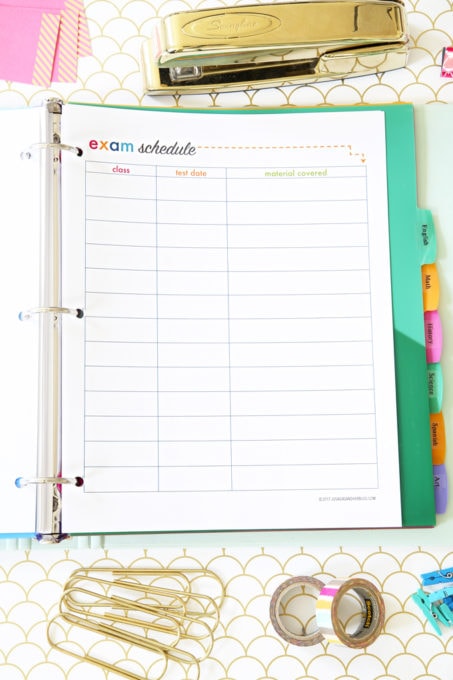
Educators have similarly lauded the inclusion of specific tracking sheets, such as the Assignment Schedule and Exam Schedule templates. Transitioning from middle school to high school, or high school to college, often overwhelms students who receive multiple syllabi on the first day of class.
"When students are handed four or five syllabi on day one, panic often sets in," notes a veteran high school counselor. "Tools that break those massive sets of deadlines down into weekly and daily action steps bridge the gap between feeling overwhelmed and taking control of one’s education."
Furthermore, the introduction of the dual-color scheme addressed historical feedback from parents. "As a boy mom, I completely understood the requests for printables that weren’t exclusively pink," the creator noted, explaining the development of the secondary blue aesthetic option designed to appeal universally across gender preferences.
Practical Implementation: How to Build Your Student Binder
Assembling the ultimate organizational tool requires minimal investment and basic office supplies. Experts recommend gathering the following items before printing out the system:
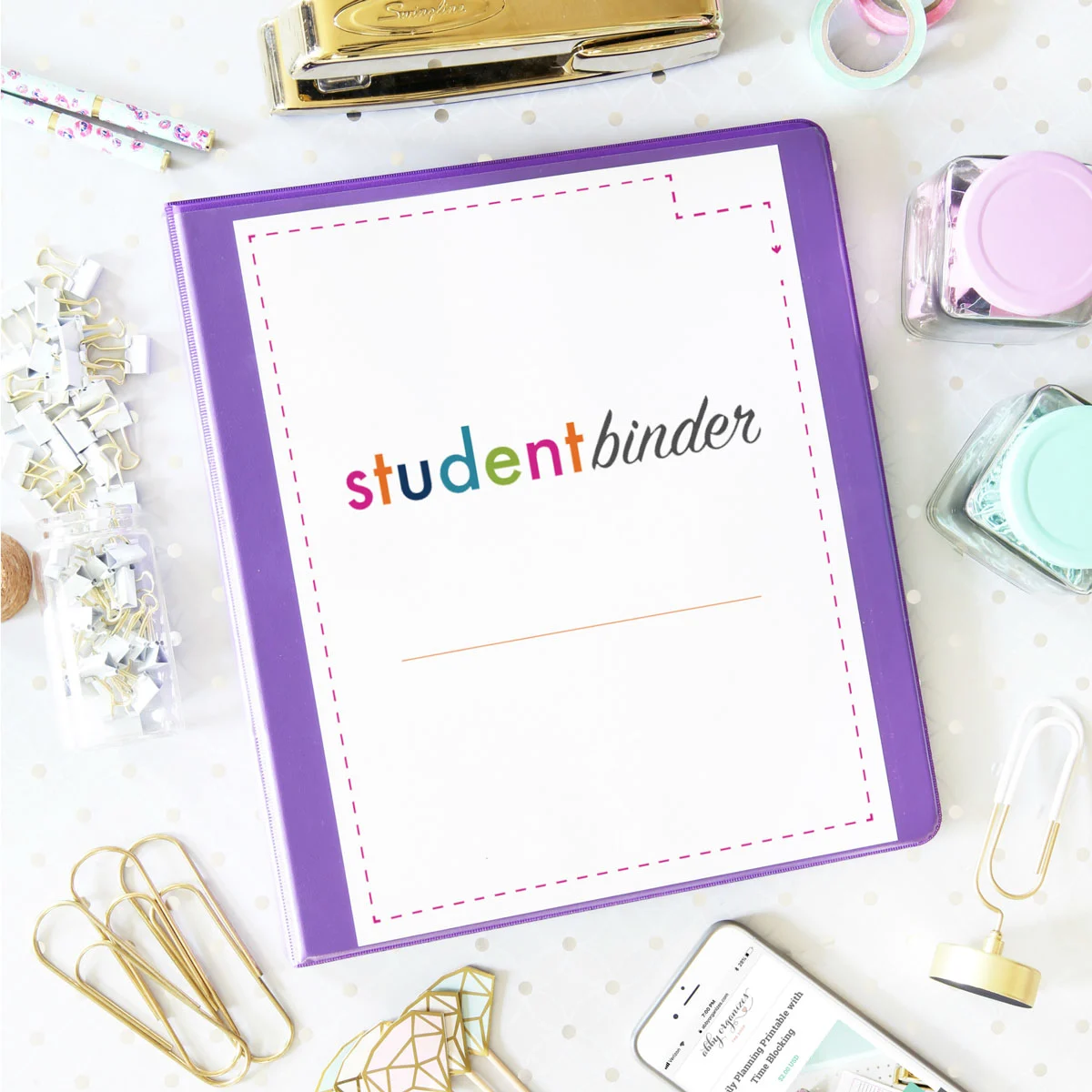
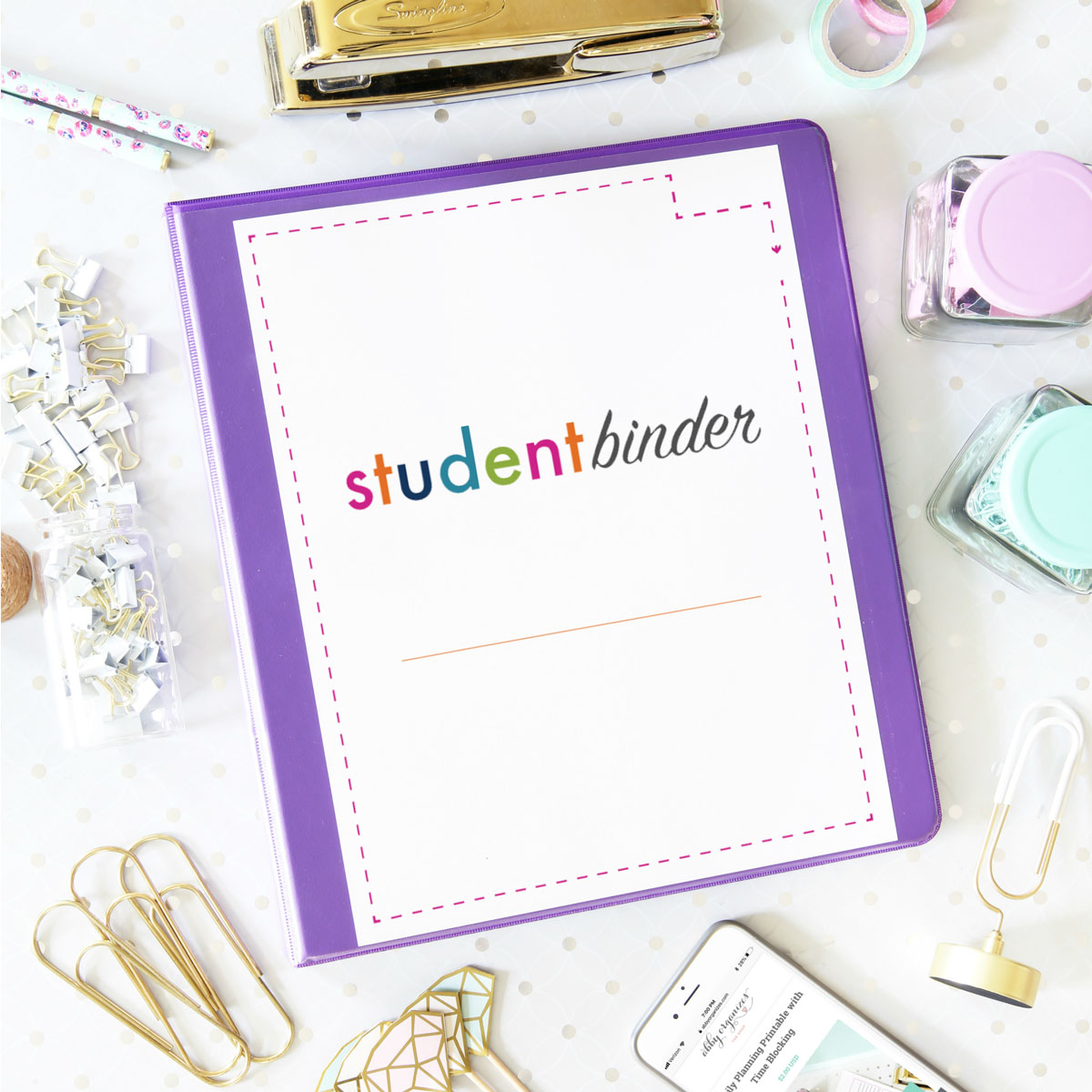
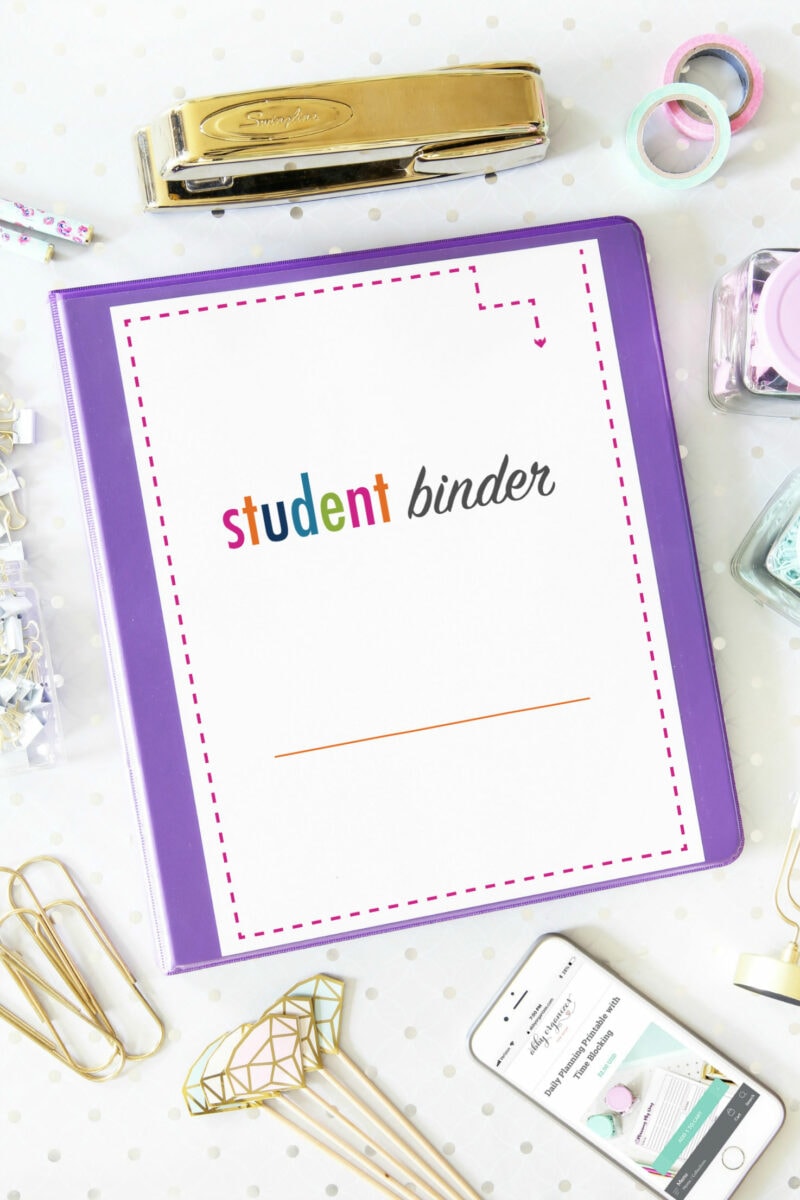
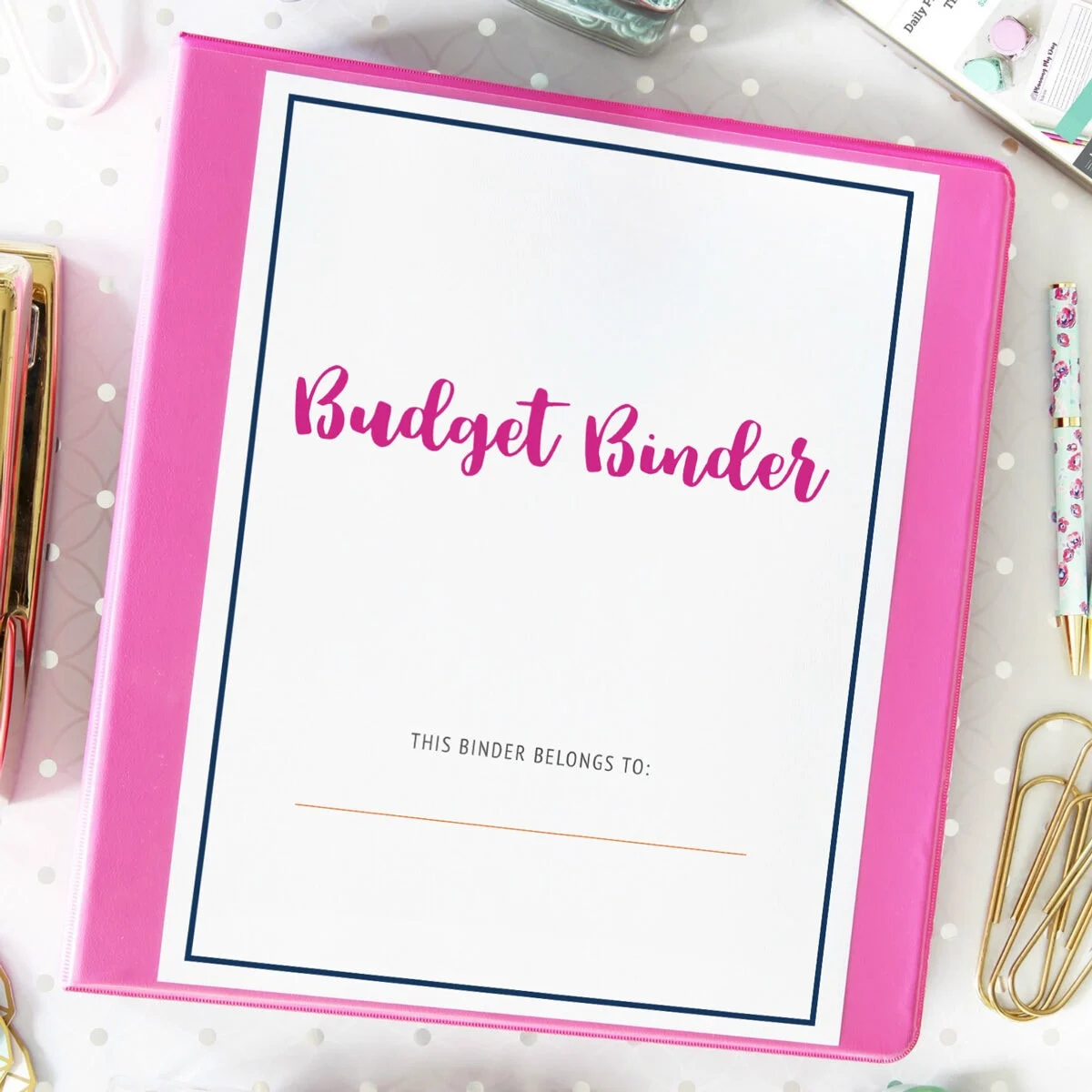
A Heavy-Duty 3-Ring Binder: Choose a sturdy binder with clear front-cover overlay pockets to slide in the bright, customizable binder cover.
White Cardstock Paper: Printing structural elements—such as binder covers, subject dividers, and goal-setting pages—on heavier cardstock ensures durability throughout the academic year.
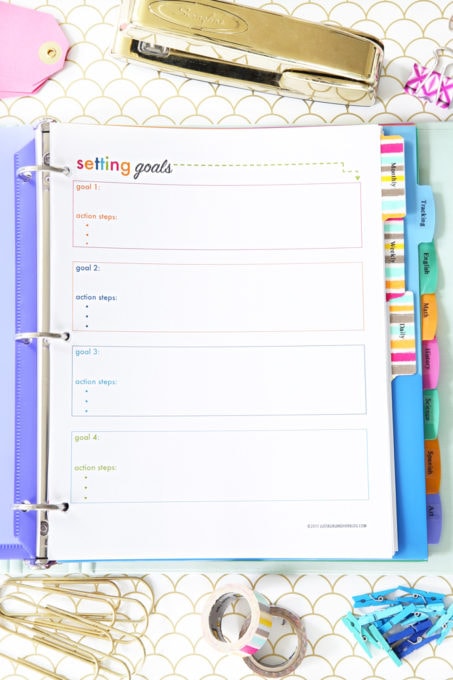
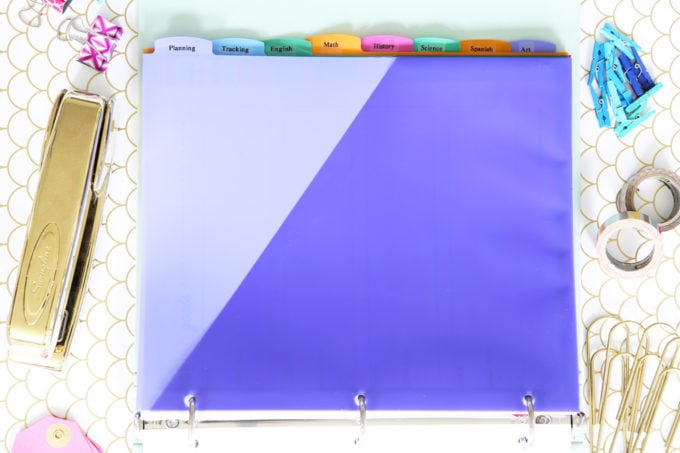
Tab Dividers with Pockets: Organizing sections by subject (e.g., Mathematics, Literature, Science, History) alongside general planning and tracking sections keeps loose handouts secure.
Hole Punch and Office Accessories: A reliable three-ring hole punch, colorful washi tape, and highlighters help maintain the system efficiently.
Breakdown of Binder Sections
Section 1: General Planning
Class Schedule: Maps out class times, room numbers, and instructor contact details.
Goal-Setting Sheet: Encourages students to establish annual benchmarks and outline granular action steps.
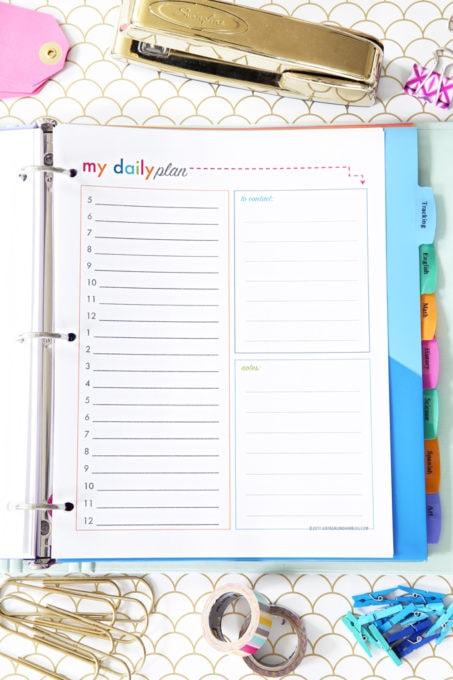
Weekly & Daily Planners: Utilizes hourly time-blocking frameworks to manage after-school activities, homework blocks, and personal rest time.
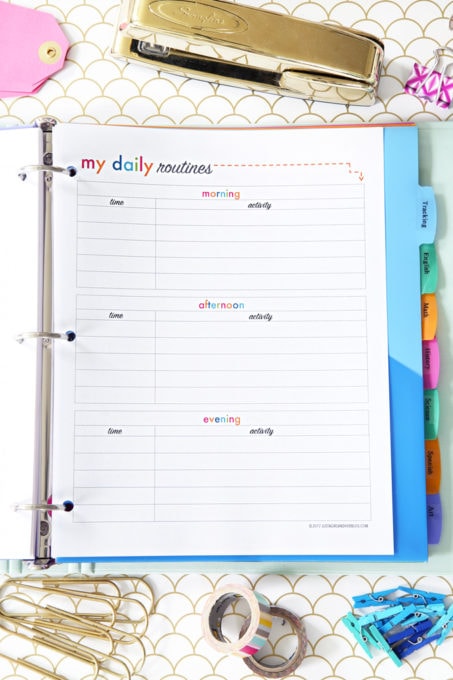
Daily Routines: Establishes consistent morning, afternoon, and evening habits (e.g., packing backpacks, laying out clothes, reviewing next-day priorities).
Section 2: Academic Tracking
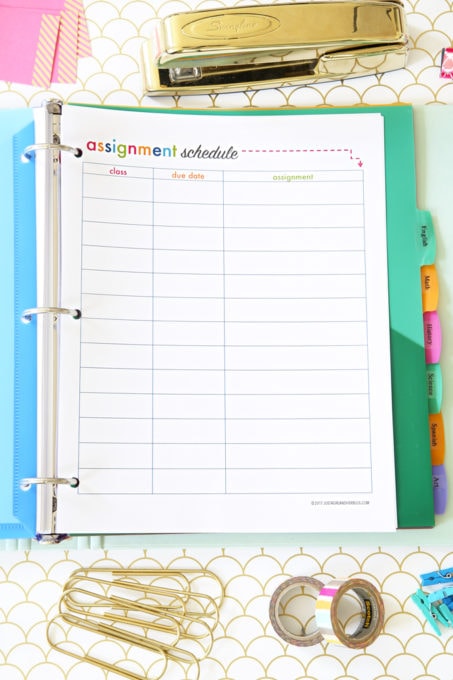
Assignment & Exam Schedules: Consolidates all syllabus deadlines into master tracking logs.
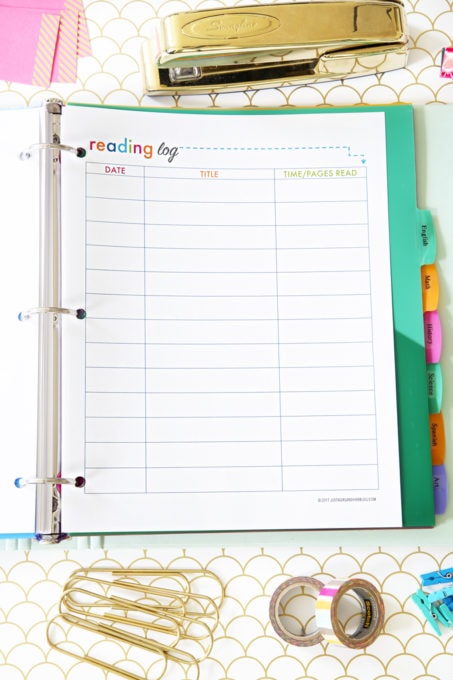
Reading Logs: Encourages sustained literacy habits by tracking pages and minutes read per session.
Section 3: Subject-Specific Tabs
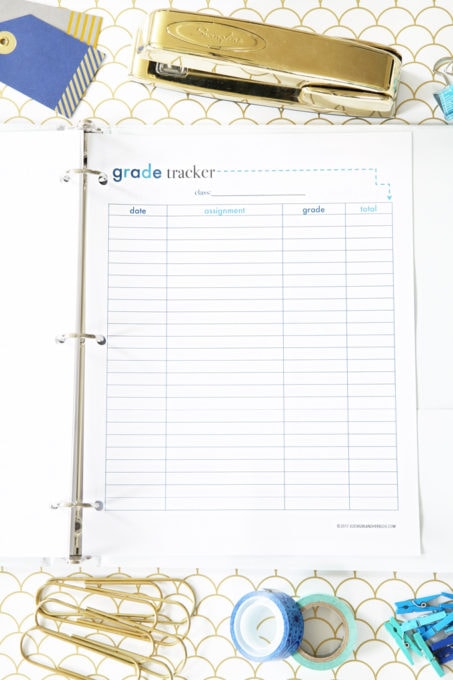
Grade Tracking Printable: Features dedicated columns for individual assignment scores alongside a running cumulative total column, preventing unexpected grade drops at the end of a marking period.
Notes Pages: Clean, structured lined pages designed for fast-paced classroom lectures.
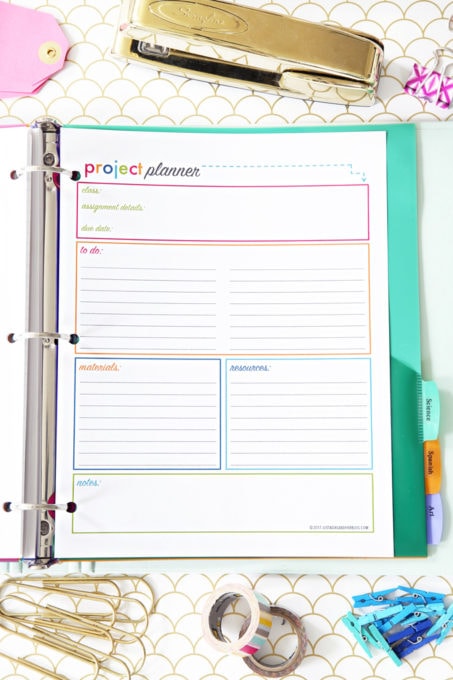
Project Planning Sheets: Breaks down complex multi-step school projects into manageable mini-milestones.
Implications for the Academic Year Ahead
The widespread availability of free, high-quality organizational resources democratizes access to productivity tools that might otherwise carry a significant retail price tag. By equipping students with professional-grade planning templates, families can foster executive functioning skills early in a child’s academic journey.
As educational standards continue to evolve and academic pressures mount, tools that promote time management, accountability, and mental clarity are more critical than ever. Whether utilized by a university undergraduate navigating a rigorous semester, a high schooler balancing advanced placement courses, or a busy adult seeking structured personal planning, the 2026 Student Binder provides a flexible, enduring framework for success.
To access the complete library of over 300 free printable pages, including both color schemes of the newly updated Student Binder, visit the official resource portal and join the community mailing list to receive the files directly in your inbox.