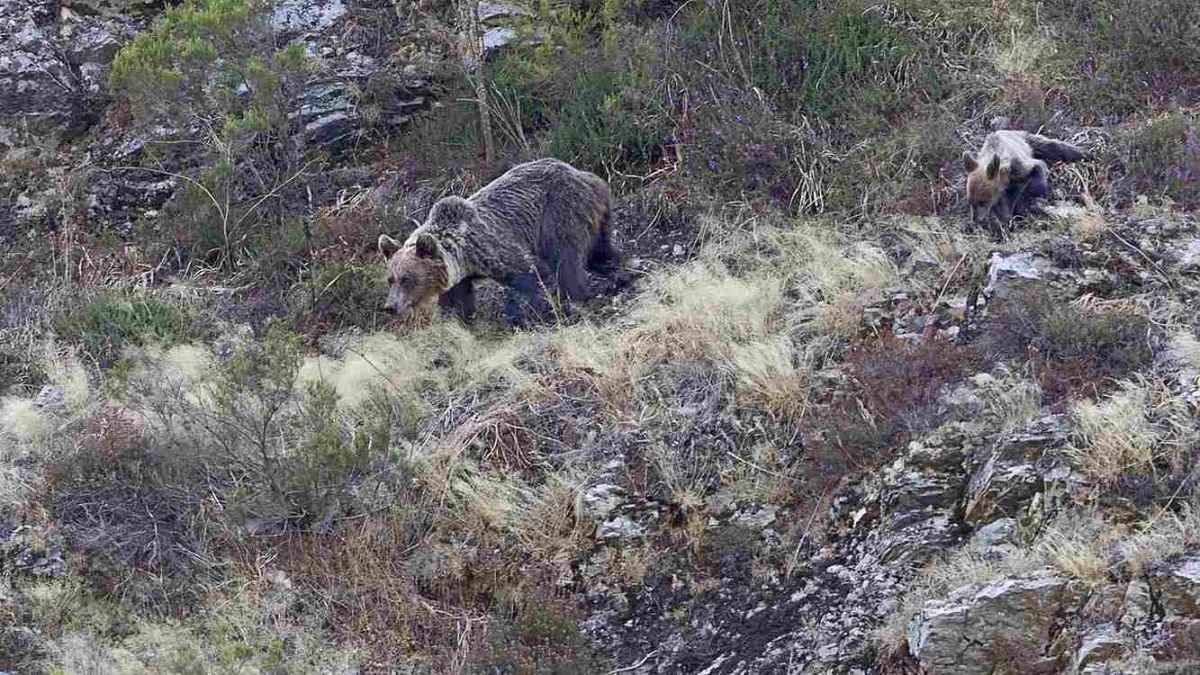
MADRID, SPAIN — In the rugged, mist-shrouded mountain ranges of northern Spain, a quiet wilderness revolution is underway. Once pushed to the absolute precipice of extinction by decades of direct human persecution and the relentless encroachment of agricultural development, the Cantabrian brown bear (Ursus arctos pyrenaicus) has made a triumphant return.
Over the last twenty years, populations of this magnificent apex predator have more than doubled. According to comprehensive wildlife tracking data, the population has surged from a precarious estimate of just 140 individuals at the dawn of the 21st century to an estimated 370 bears today. No longer confined to isolated, desperate pockets of survival, these iconic mammals now roam freely across more than 6,500 square miles (17,000 square kilometers) of northern Spanish terrain.
This resurgence is not an isolated stroke of biological luck. Rather, it stands as a shining testament to concerted, long-term conservation strategies, shifting socio-economic demographics in rural Europe, and a growing cultural commitment to restoring Spain’s rich endemic biodiversity. Alongside the celebrated recovery of the Iberian lynx, the triumph of the Cantabrian brown bear marks Spain as one of the world’s leading success stories in modern wildlife restoration.
Main Facts: The State of the Cantabrian Brown Bear Today
To understand the magnitude of the brown bear’s recovery in Spain, one must first appreciate the scale of their current distribution and ecological footprint.
Taking its name from Cantabria—a historic northern region whose steep, limestone mountains served as the bear’s final redoubt during its darkest days—the population’s true modern range spans across multiple autonomous communities. Today, these bears can be found traversing the rugged landscapes of Asturias, León, Galicia, Palencia, and Cantabria.
The Iberian Peninsula’s northern mountain ranges have historically acted as geographic barriers, restricting animal movement and fostering high rates of endemism. This geographic isolation is precisely why ancient lineages of iconic regional fauna—including the Iberian wolf, the Iberian lynx, and the brown bear—managed to persist here long after they vanished from the rest of Western Europe.
Today, the total area occupied by brown bears exceeds 17,000 square kilometers. Furthermore, conservationists note that the bear has begun knocking on the door of neighboring territories, such as adjacent parts of Asturias, where an additional 5,000 square kilometers of pristine, viable habitat awaits colonization.
As Europe’s largest terrestrial carnivore, the return of the brown bear carries immense ecological significance. Operating at the very top of the terra firma food web, the bear acts as a keystone species. By scavenging carrion, brown bears help clean the landscape and prevent the spread of disease. Moreover, their foraging habits and shaggy coats make them exceptional seed dispersers, directly boosting plant biodiversity across the forests and alpine meadows they call home.
Chronology of Recovery: Tracking Three Decades of Progress
The remarkable turnaround of the Cantabrian brown bear did not happen overnight. It is the result of a multi-decade trajectory meticulously documented by wildlife researchers. A landmark study published in the journal Conservation Science and Practice tracked the population shifts across three distinct ten-year intervals: 1982–1992, 1993–2002, and 2003–2012, followed by subsequent tracking through 2022.
The Dark Years (1982–2002)
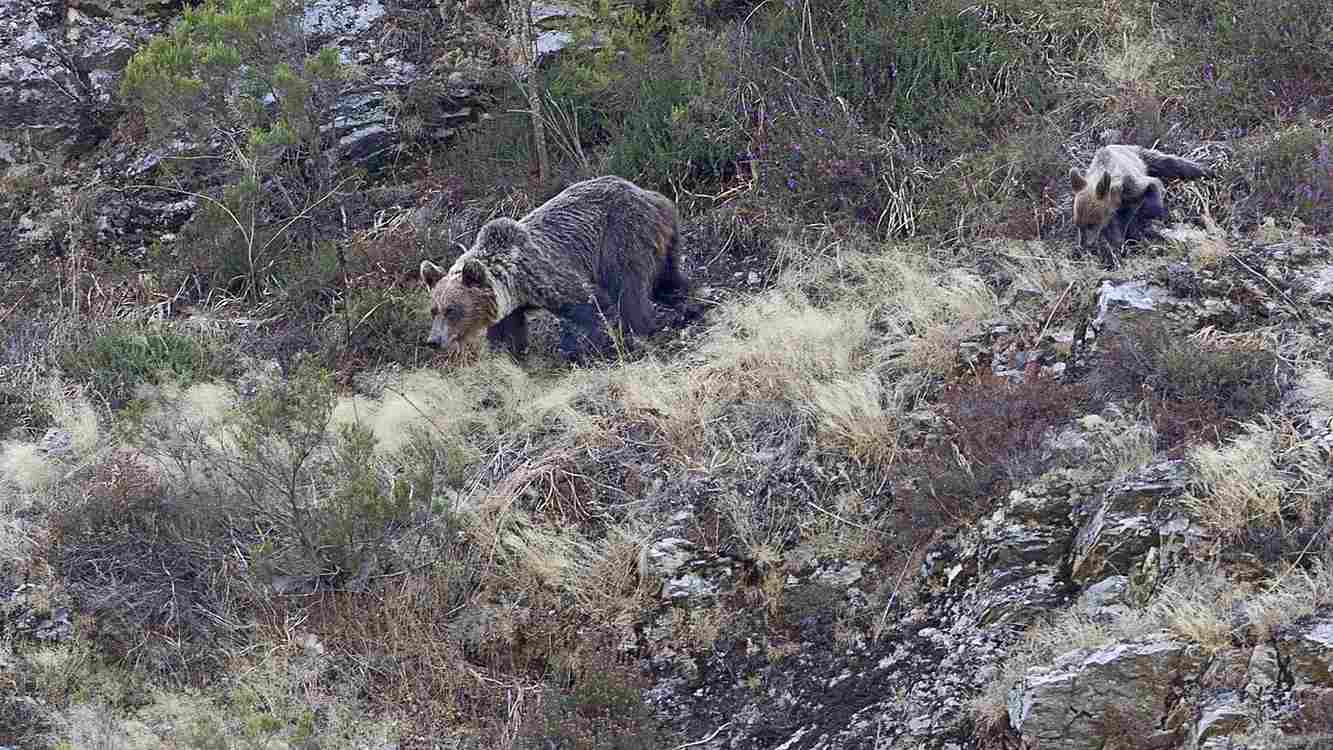
During the first two monitored periods, the outlook for Spain’s brown bears was grim. Between 1982 and 2002, researchers observed a distressing 25% reduction in overall bear numbers. Decades of habitat fragmentation, illegal hunting, and poisoning had carved the population into two distinct, isolated sub-populations—an eastern sub-population and a western sub-population—separated by an 18-to-24-mile stretch of gorges sliced through by a major highway.
During these vulnerable decades, however, the foundational groundwork for recovery was quietly laid. The Spanish government and regional authorities began establishing crucial protected areas. The creation of Somiedo Natural Park in 1988 and Redes National Park in 1996 significantly expanded protected terrain directly centered around the bears’ remaining strongholds, adding hundreds of square kilometers of safe haven. Concurrently, regional authorities implemented draconian penalties for poachers, with fines for the unauthorized killing of a brown bear soaring as high as $350,000.
The Tipping Point (2003–2012)
The third period analyzed by the study marked a historic turning point. Between 2003 and 2012, the bear population experienced a staggering 70% increase.
Just as importantly, the bears’ breeding ranges expanded by 30%. This geographic creep culminated in a monumental ecological milestone: Cantabria’s two long-isolated breeding populations finally reconnected and began to overlap once more, bridging the gap that had kept them genetically separated for decades.
The Modern Expansion (2013–2022)
Building on the momentum of the previous decade, researchers documented an additional 77% growth in the bear’s geographical range between 2013 and 2022. Crucially, this expansion occurred precisely in the proportions and locations that wildlife conservation models had predicted, proving that scientific forecasting tools are becoming increasingly accurate in managing European megafauna.
Supporting Data: Behind the Numbers
The resurgence of the Cantabrian brown bear is supported by a confluence of rigorous scientific data and socio-economic shifts across rural Spain.
| Metric | Historical Low (Early 2000s) | Current Status (Present Day) |
|---|---|---|
| Estimated Population | ~140 individuals | ~370 individuals |
| Total Geographic Range | Highly fragmented pocket zones | >6,500 square miles (17,000 sq km) |
| Breeding Populations | 2 isolated groups (East and West) | Reconnected and overlapping |
| IUCN Status Context | Brink of local extinction | Stable, expanding recovery |
Beyond direct government intervention—such as habitat protection, strict law enforcement, and wildlife corridors—researchers point to an unexpected ally in the bear’s recovery: rural depopulation.
Over the latter half of the 20th century and into the 21st, many traditional farming and mining communities in northern Spain experienced demographic decline as younger generations moved to urban centers. This human retreat from marginal mountain lands allowed forests to regenerate, agricultural pressure to recede, and wilderness corridors to heal naturally. With fewer human-wildlife friction points and recovering native ungulate populations (such as wild boar and deer), the bears found an abundance of food and space to thrive.
Official Responses and Conservation Warnings
While the overarching narrative is overwhelmingly positive, conservation scientists and regional policymakers emphasize that success breeds new challenges.
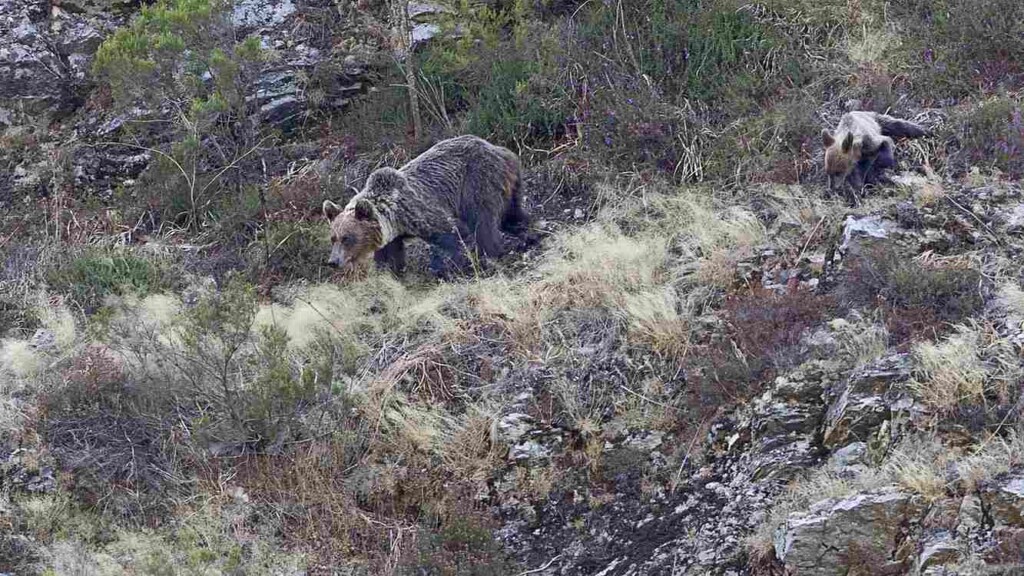
In the wake of the 2023 study, lead researchers issued a cautionary note regarding future management. They warned that existing wildlife management plans drafted by surrounding regional territories are largely outdated. Crucially, these bureaucratic frameworks drastically underestimate the natural dispersal capabilities of modern bear populations.
Conservationists are urging local governments to proactively update their management strategies—transitioning from reactive damage-control models to forward-thinking coexistence frameworks. Preparing rural communities for the return of large carnivores is essential to preventing potential human-wildlife conflicts, particularly regarding livestock protection and beekeeping.
“We cannot wait for conflict to happen before we act,” wildlife advocates note. Ensuring that local farmers are equipped with subsidized electric fencing, guard dogs, and rapid-compensation schemes for livestock losses will be vital to maintaining public support for the bears as they venture into new territories.
Broader Implications: A Blueprint for European Rewilding
The success of the Cantabrian brown bear holds profound implications for European conservation biology as a whole. It proves that large mammalian carnivores can successfully return to densely populated human landscapes if given adequate legal protection, secure core habitat, and time.
Furthermore, the brown bear’s recovery mirrors another monumental conservation triumph in Spain: the resurrection of the Iberian lynx. Once listed as "Critically Endangered" by the International Union for Conservation of Nature (IUCN), the Iberian lynx clawed its way back from the brink of extinction over a similar two-decade timeline. Today, over 600 adult lynx roam across Spain and Portugal, prompting the IUCN to downgrade their
status to "Vulnerable"—putting them on par with Africa’s cheetahs.
Together, the stories of the Iberian lynx and the Cantabrian brown bear demonstrate that ecological restoration in Western Europe is not a pipe dream, but an achievable reality. By blending rigorous science, political will, and financial backing, nations can successfully heal fractured ecosystems and restore the magnificent wild heritage that defines the natural world.