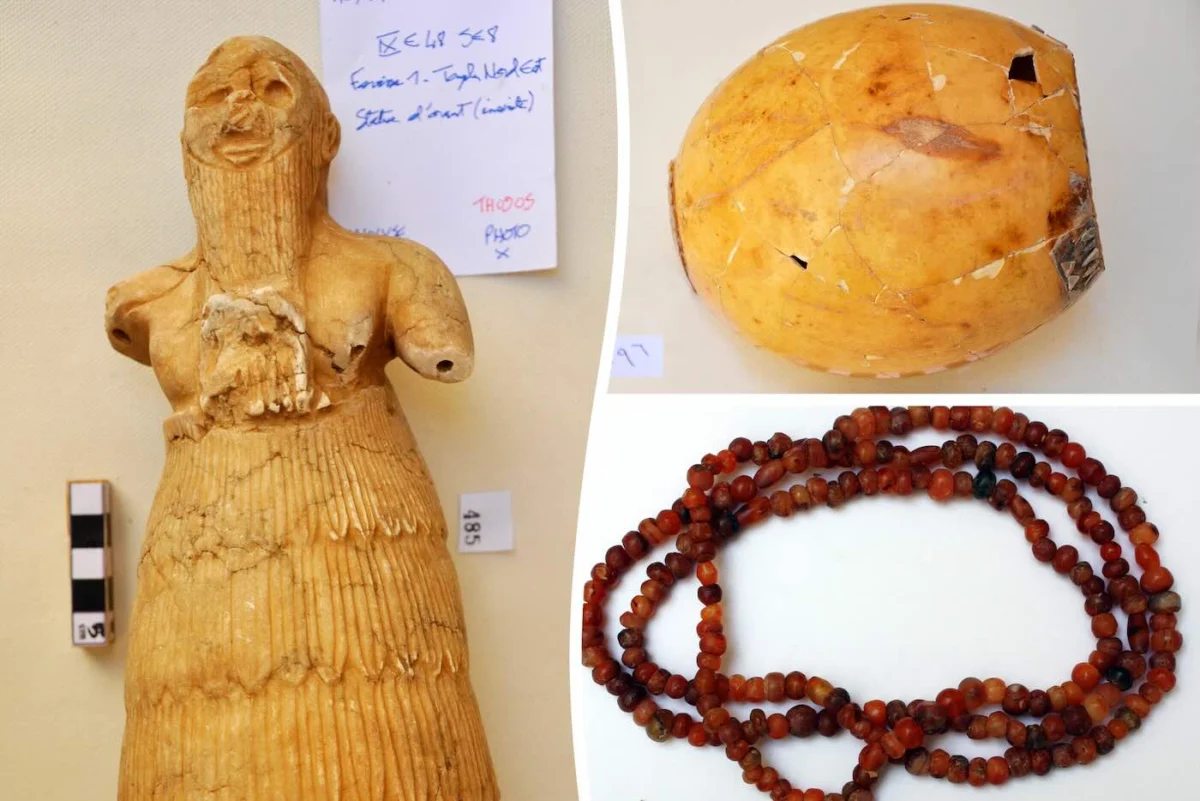
Amid the harrowing devastation of the Syrian civil war, a quiet, high-stakes battle for the soul of human history was waged behind the front lines. A newly published academic study has brought to light the extraordinary, death-defying efforts of Syrian archaeologists who risked their lives to rescue 30,000 priceless historical artifacts from the Deir ez-Zor Museum just as the city fell under the shadow of the Islamic State of Iraq and Syria (ISIS).
The operation, detailed in a paper published in the journal Museum Management and Curatorship, serves as a masterclass in wartime cultural preservation. Authored by Professor Maamoun Abdulkarim—who at the time led Syria’s Directorate-General of Antiquities and Museums (DGAM)—the study outlines the razor-thin margins, psychological burdens, and logistical nightmares involved in saving a fraction of humanity’s earliest recorded heritage from intentional destruction and illicit trafficking.
Main Facts
The core of the rescue operation centers on the evacuation of the Deir ez-Zor Museum during the height of the Syrian conflict between 2014 and 2015. Located in eastern Syria, Deir ez-Zor is the capital of a province rich in vital oil and gas fields, making it one of the most fiercely contested and bloodiest battlegrounds of the 15-year civil war.
As ISIS forces closed in on the city, threatening a total siege, local heritage workers faced an agonizing choice: abandon the museum and allow its irreplaceable collections to face the fate of other regional antiquities—smuggled, sold on the black market, or intentionally smashed to rubble—or risk certain death to smuggle them out.
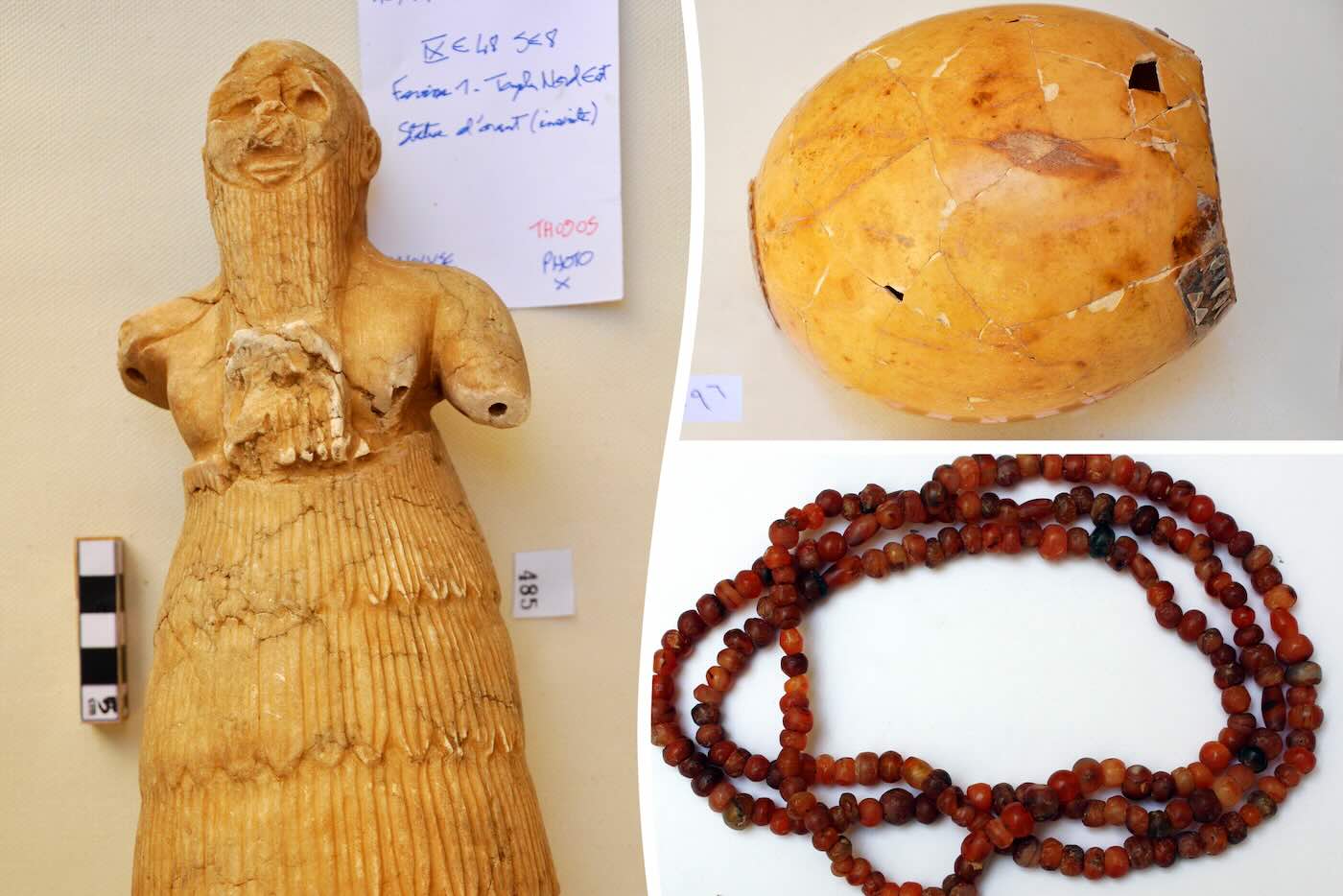
Working under active sniper fire, mortar attacks, and extreme isolation, the team successfully packed and transported approximately 30,000 objects. These were not ordinary relics; they included rare, delicate pieces from world-renowned Mesopotamian archaeological sites such as Halaf, Dura-Europos, Mari, and Tell Terqa, featuring items like second-millennium BCE agate bead necklaces and ancient cuneiform tablets.
Professor Abdulkarim’s research emphasizes that this rescue was part of a much larger, nationwide endeavor. During his tenure leading the DGAM until 2017, his teams managed to rescue and relocate roughly 300,000 museum items from across Syria—representing the vast majority of the nation’s institutional collections.
However, the Deir ez-Zor operation stands out due to the sheer hostility of the environment, the strategic importance of the region, and the brutal ideological war that ISIS was waging against pre-Islamic and non-conforming cultural heritage across the Middle East.
Chronology of the Crisis
To understand the magnitude of the Deir ez-Zor rescue, it is necessary to trace the timeline of escalating danger that engulfed Syria’s cultural sector following the outbreak of civil unrest in 2011.
2011–2013: The Gathering Storm
Before the civil war, Syria was a recognized epicenter of archaeological wealth, boasting 35 state-run museums that protected remnants of the birthplace of civilization. As the conflict escalated into a full-scale civil war, museums near active conflict zones became increasingly vulnerable to collateral damage, break-ins, and localized looting. Recognizing the brewing storm, the DGAM began implementing rudimentary emergency protocols, transferring smaller collections to safer provincial capitals where possible.
2014: The ISIS Surge and the Catalyst of Mosul
The geopolitical landscape shifted catastrophically in 2014 as ISIS surged across large swathes of Iraq and Syria. The turning point for global and regional antiquities protection occurred with the fall of Mosul in Iraq. The subsequent looting of the Mosul Museum and the systematic destruction of ancient artifacts from Nineveh and Assyria sent shockwaves through the international archaeological community.
For Syrian authorities, the fall of Mosul was a blaring alarm siren. It made it chillingly clear that heritage sites and museums were deliberate targets for an extremist group seeking to erase history and finance its operations through illicit antiquities trafficking. Prompted by this existential threat, Professor Abdulkarim and his colleagues threw out standard bureaucratic procedures, expediting emergency evacuation policies for cities at immediate risk of siege or collapse—chief among them, Deir ez-Zor.
2014–2015: The Deir ez-Zor Evacuation Under Fire
By late 2014 and into 2015, Deir ez-Zor was effectively cut off from the rest of government-controlled Syria. The city was surrounded on multiple sides by hostile forces, and the museum itself was tethered to the outside world only through a military airport connected by a single, narrow, and exceptionally vulnerable logistics corridor.
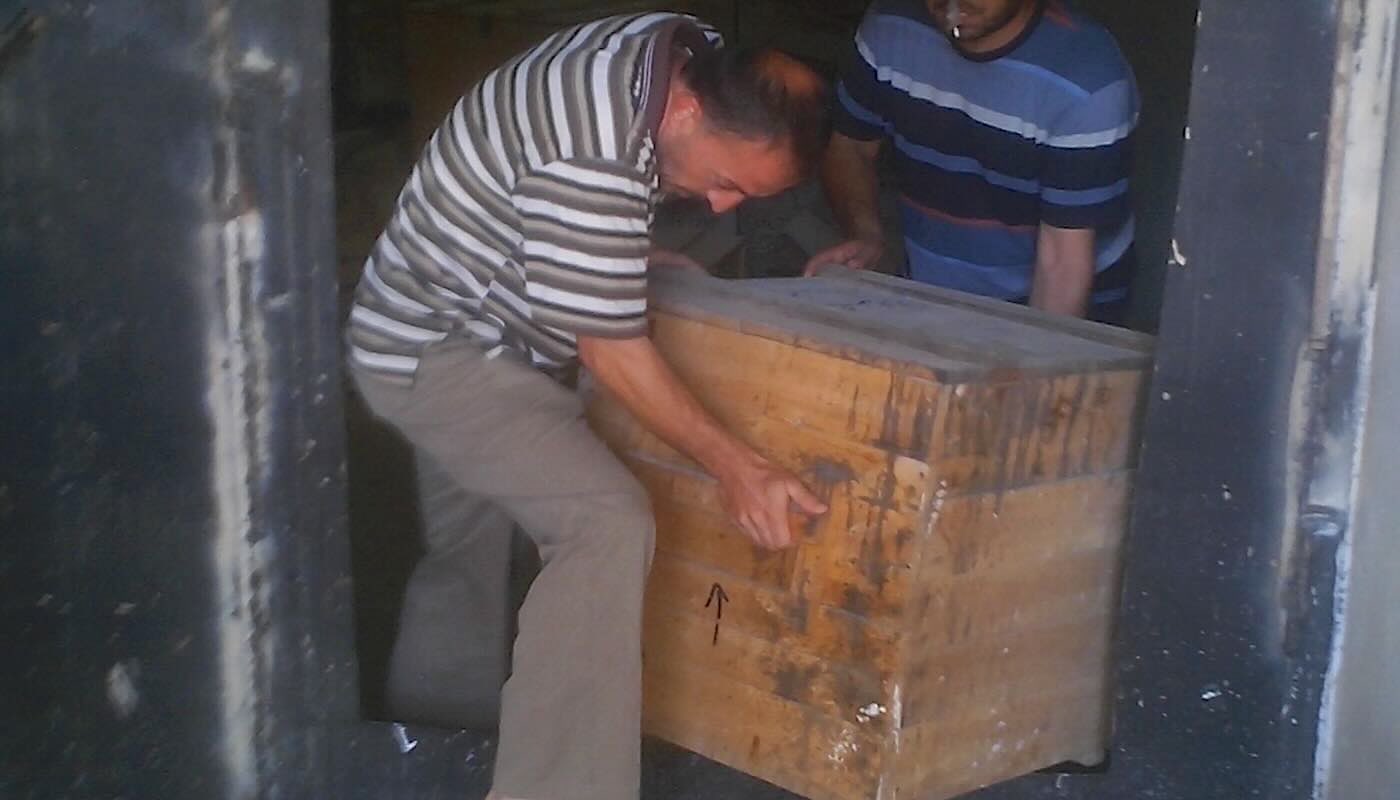
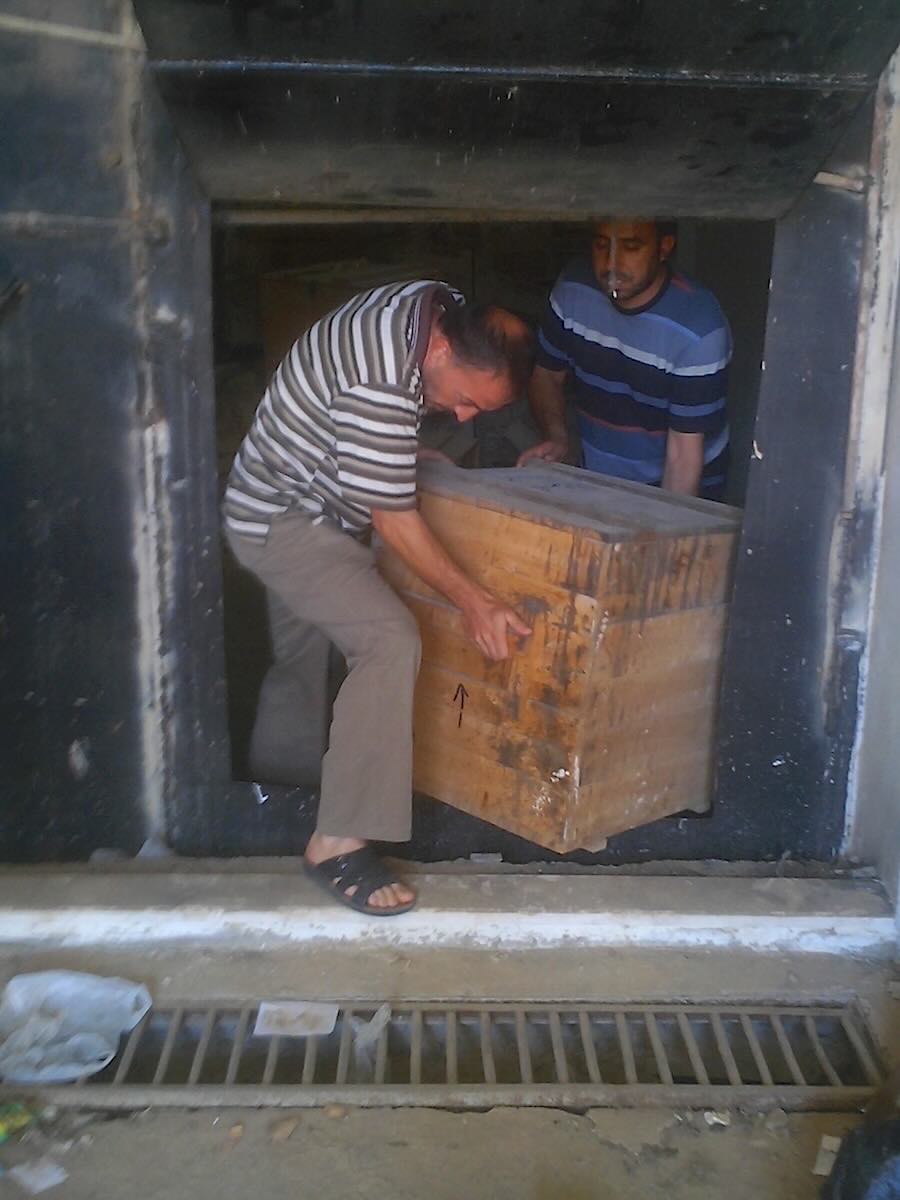
Operating in this deadly bottleneck, a dedicated team of curators, local staff, and security personnel worked in shifts under the constant threat of sniper fire and shell bursts. They painstakingly cataloged, crated, and loaded thousands of fragile artifacts into vehicles bound for the military airport. Every transport run was a roll of the dice; a single direct hit could vaporize centuries of human history. Yet, through sheer determination and adaptability, the team managed to extract all 30,000 pieces before the city was entirely overrun.
2016–2017: Consolidation and Safe-Keeping
Once the artifacts were flown or smuggled out of Deir ez-Zor, they were integrated into a national network of secret, secure holding facilities across safer regions of Syria, largely centered around Damascus. Abdulkarim continued his tenure until 2017, overseeing the safe-keeping of a cumulative 300,000 national treasures until the immediate wave of destruction crested.
Supporting Data & Institutional Context
The success of the Deir ez-Zor evacuation is underpinned by several critical factors, detailed in Abdulkarim’s case study published in Museum Management and Curatorship. The research moves beyond romanticized notions of "heroic archaeologists" to examine the hard mechanics of crisis management in active combat zones.
- Scale of Preservation: Approximately 300,000 total artifacts were saved nationwide under Abdulkarim’s directive, making it one of the largest wartime heritage rescue operations in modern history.
- The Deir ez-Zor Yield: 30,000 distinct objects were evacuated from the Deir ez-Zor Museum, representing the entirety of its premier exhibits from the Euphrates river valley.
- Historical Significance of the Region: The artifacts belonged to the Mesopotamian cultural sphere, which marks the dawn of human civilization, urban planning, writing, and agriculture. Sites like Mari and Dura-Europos are foundational to global history, tracing back millennia.
- The Cost of Inaction: In parallel conflicts throughout Iraq and Syria, ISIS destroyed or heavily damaged iconic ancient sites like Palmyra, Nimrud, and Hatra, underscoring what would have happened to Deir ez-Zor without intervention.
Official Responses and Reflections
Reflecting on the operation a decade later, Professor Abdulkarim—now a Professor of Archaeology and History at the University of Sharjah in the United Arab Emirates—offered profound insights into the psychology of leadership during a humanitarian and cultural crisis.
"There is rarely a perfect moment to act during an armed conflict," Abdulkarim noted in interviews accompanying the study’s release. "Often, delaying a decision in search of greater certainty poses a greater danger than acting under uncertainty."
He admitted that the decisions he made carried immense personal and professional risks. In the fog of war, government directives can be misinterpreted, and accountability can swiftly turn into liability. However, Abdulkarim emphasized that his moral compass pointed entirely toward preservation.
"My foremost priority was the protection of cultural heritage, and I was prepared to bear whatever personal and professional risks and consequences those decisions might entail," he stated.
According to Abdulkarim, physical resources—such as advanced security systems, armored vehicles, or large budgets—are rarely the decisive factors in a true crisis. Instead, the ultimate currency of survival is trust.
"The most valuable resource during a crisis is not always money or technology," Abdulkarim explained. "Sometimes it is trust, the trust between colleagues who can make the right decision when there is no time left for normal procedures."
Implications for Future Conflict Zones
The publication of Abdulkarim’s case study is not merely a historical retrospective; it serves as an urgent playbook and warning for the international heritage community as conflicts continue to flare up across the globe—from Ukraine to Sudan, Gaza, and beyond.
1. Re-evaluating Institutional Resilience
Traditional museum management teaches caution, peer review, inventory cycles, and strict bureaucratic oversight. Abdulkarim’s study argues that heritage institutions in volatile regions must cultivate institutional agility. Museums must build decentralized protocols that allow local staff to act autonomously when communication lines with central governments or international bodies are severed.
2. The Redefinition of "Value"
A central tenet of the study is that cultural property is not merely a collection of expensive or aesthetically pleasing museum pieces. Abdulkarim stresses that the 30,000 objects from Deir ez-Zor embody the collective memory, identity, and continuity of the communities living along the Euphrates River.
"We did not rescue 30,000 objects simply to save 30,000 museum pieces," Abdulkarim reflected. "We were protecting thousands of years of memory that war threatened to erase. These objects hold thousands of years of human history and are part of the identity and memory of the communities… transcending the borders of the countries in which they are found."
3. International Collaboration and Legal Frameworks
The study highlights the necessity of pre-established international networks. While local teams executed the physical rescue on the ground, the long-term survival of these artifacts depended on international awareness, documentation, and the cooperation of neighboring states and global organizations like UNESCO to prevent looted items from entering the legal art market.
Conclusion
As the world watches ongoing conflicts threaten cultural heritage sites from Eastern Europe to the Middle East and Africa, the heroism displayed at the Deir ez-Zor Museum stands as a beacon of hope and a testament to human resilience. It proves that even when modern warfare seeks to reduce history to dust, the dedication of individuals willing to trade comfort and safety for the preservation of memory can cheat destruction and safeguard the heritage of generations yet unborn.