In an era where the fitness industry is saturated with high-intensity boot camps, restrictive diets, and complex tracking apps, many individuals feel alienated by the traditional "gym bro" culture. For the beginner, the path to improved health is often obscured by jargon and an overwhelming sense of "where to start." Nerd Fitness, a community-driven organization that gamifies the path to physical wellness, is addressing this barrier to entry with a new, systematic 30-day challenge designed to normalize movement and build long-term consistency.
This initiative, spearheaded by Coach Matt, is a direct response to a growing trend of "fitness anxiety"—the paralyzing feeling that if one cannot commit to a perfect, hour-long gym session, the effort is not worth making. By breaking fitness down into manageable "quests," Nerd Fitness aims to prove that sustainable health is built on micro-habits rather than Herculean feats of strength.
The Genesis of the Challenge: Listening to the Community
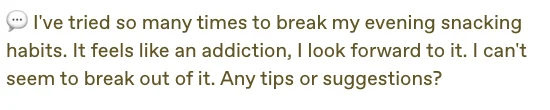
The impetus for this program arose from a candid email sent by a reader seeking guidance. The individual, representative of a large demographic, expressed a desire to get stronger and build healthier habits without the emotional toll of feeling overwhelmed.
"I’m mainly looking to get healthier, get stronger, and finally build some habits that I can actually stick with long-term," the reader wrote. "I’m hoping Nerd Fitness can help make the process a little less overwhelming—and maybe a bit more fun, too!"
This request highlights a critical gap in the fitness market: the need for a low-friction entry point. In response, Coach Matt designed a 30-day "Adventure Log" framework, shifting the focus from performance-based metrics—like weight or body fat percentage—to process-based metrics—like consistency and habit formation.
Chronology: A Step-by-Step Tactical Approach
The Nerd Fitness methodology operates on a progressive overload principle, similar to how one might level up a character in a Role-Playing Game (RPG). The first 30 days are structured into weekly quests, with each week introducing a new layer of complexity to the participant’s routine.
The Foundation: Quests #0 and #0.5
Before the main program begins, participants are tasked with "Quest Zero." This is not a high-intensity workout but a psychological reset. The assignment is simple: go for a short walk. Whether it is a stroll around the block or a few laps inside one’s home, the goal is to shift momentum.
"This marks the start of the 30 days, and a shift in momentum," says Coach Matt. "You’re out there doing the thing. We can build off of that."
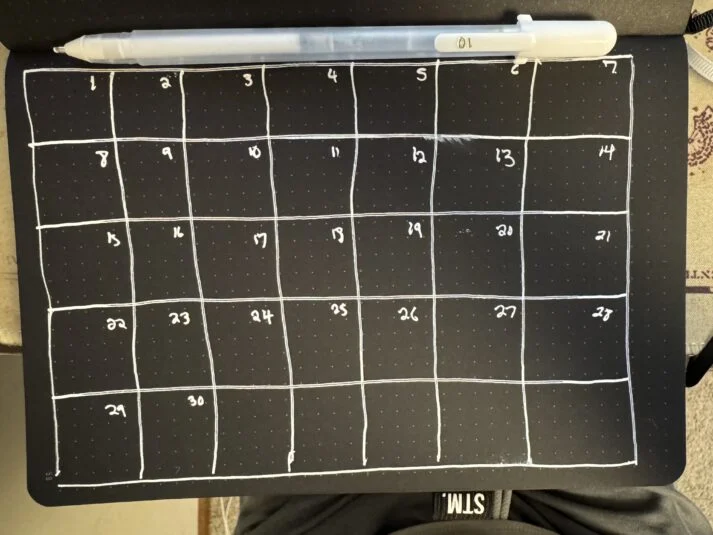
Simultaneously, "Quest #0.5" introduces the "Adventure Log." Participants are instructed to draw 30 boxes on a piece of paper, creating a physical, visual representation of their progress. This serves as a tangible reminder of the participant’s commitment, providing a dopamine reward each time a box is marked.
Week #1: The "Movement Snack" Philosophy
The inaugural week of the 30-day challenge focuses on "movement snacks." This concept, which has gained traction in exercise physiology, involves breaking up sedentary time with short bursts of activity rather than relying on a single, prolonged exercise session.
These snacks might include:
- Bodyweight squats while waiting for the coffee to brew.
- Stretching on the floor during commercial breaks.
- A series of push-ups against a kitchen counter.
To remove the "decision fatigue" that often prevents people from exercising, Nerd Fitness suggests a gamified approach: assign six exercises to the numbers 1 through 6 and use a die to choose the day’s "snack." This removes the pressure to design a perfect workout and replaces it with the randomness and playfulness of a game.
Supporting Data: Why Small Habits Stick
The Nerd Fitness strategy is rooted in behavioral psychology. Research from the European Journal of Social Psychology suggests that it takes, on average, 66 days to form a new habit. By focusing on "movement snacks," the program lowers the threshold for participation, making it significantly easier for an individual to complete the action on a "low-motivation" day.
Consistency, not intensity, is the primary driver of physiological adaptation in the first month. When individuals perform even five minutes of movement, they keep the neural pathways for exercise active. This creates a psychological "loop" where the participant begins to identify as someone who moves their body daily, regardless of the intensity of the effort.
Official Responses and Methodology
Coach Matt emphasizes that the program is designed for people who feel "stuck." By framing the fitness journey as an adventure, the program reclaims the concept of physical health from the domain of "chores" and places it into the domain of "exploration."
"We’ll continue to level up and build from here," the organization stated in their internal briefing. The emphasis is on a "low-stakes" entry. If a participant misses a day, it is not viewed as a failure but as a "missed quest" in the larger, month-long narrative. This reduces the "all-or-nothing" mentality that frequently causes individuals to abandon fitness programs entirely after one or two missed days.
Implications for Long-Term Wellness
The broader implication of this 30-day challenge is the democratization of fitness. By stripping away the requirement for expensive equipment, gym memberships, or specialized training, Nerd Fitness provides a blueprint that is universally accessible.
The "Adventure Log" serves as a meta-analysis of the participant’s behavior. By keeping a physical log, individuals can observe their own patterns. If they find they are consistently skipping their "movement snacks" on Wednesdays, they can adjust their strategy accordingly. This self-monitoring is a key component of Cognitive Behavioral Therapy (CBT) and is often cited by life coaches as the most effective tool for long-term behavioral change.
Addressing the Psychological Barrier
Many people suffer from "Analysis Paralysis"—the state of researching fitness for hours, reading countless articles, and comparing workout plans, only to never actually begin. By providing specific, bite-sized tasks, the Nerd Fitness model bypasses the executive function required to plan a workout, allowing the participant to simply execute.
How to Join the Adventure
For those interested in participating, the barrier to entry is intentionally low. The organization has provided a direct sign-up mechanism for those who wish to receive the subsequent weekly quests.
- Opt-In: The organization requires active consent, sending the sequence only to those who explicitly request it.
- Preparation: Participants must secure a physical space and a writing tool to create their 30-day tracker.
- Execution: The first quest is immediate, emphasizing the "bias toward action" that the program promotes.
As the program progresses past the first week, the quests are expected to evolve, likely moving from simple movement snacks to more structured strength training or nutritional adjustments. However, the core philosophy will remain the same: make the hurdle small enough to jump over, and eventually, the hurdle will become a habit.
Conclusion: A Shift in Perspective
The Nerd Fitness approach to the next 30 days is a refreshing departure from the industry standard of "no pain, no gain." By prioritizing the "Adventure Log" and the "Movement Snack," the program respects the humanity of the participant. It acknowledges that life is busy, motivation is fleeting, and the best workout is the one that actually gets done.
Whether you are a seasoned athlete looking to regain consistency or a complete beginner who has never stepped foot in a gym, the premise remains the same: pick up a pen, draw 30 boxes, and go for a walk. The rest of the adventure will reveal itself in time.
For those ready to start, the invitation is clear. As Coach Matt puts it: "OK, now go take that walk!"