WASHINGTON — In an era where traditional classrooms spend thousands of hours on academia but often bypass practical life skills, a growing number of parents are turning the annual family trip into a real-world financial laboratory. Financial literacy advocates and family planning experts increasingly point to vacation budgeting—specifically putting children in charge of tracking travel expenses—as an effective method for bridging the gap between theory and practice, ensuring the next generation steps into adulthood equipped for economic self-sufficiency.
Main Facts: The Real-World Classroom
The core premise of this modern parenting strategy is simple: rather than treating family vacations as a financial black box where money magically appears to pay for hotels, meals, and excursions, parents are pulling back the curtain.

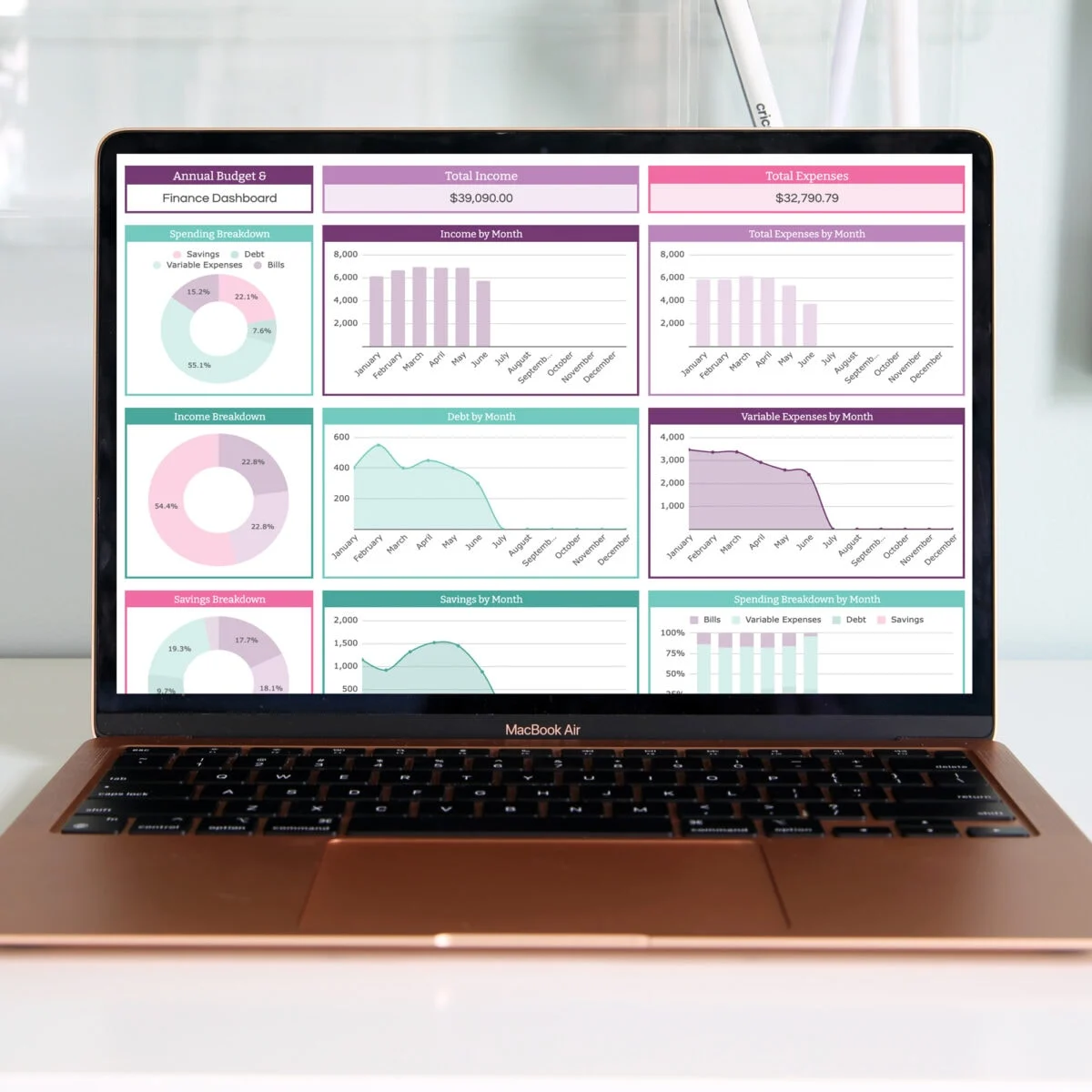
By utilizing cloud-based spreadsheets, sinking funds, and shared digital devices, kids as young as elementary and middle school age are taking the wheel of vacation expense tracking. The approach demystifies money management, transforming what is often viewed as a stressful, restrictive chore into an engaging, interactive game.
Key elements of this educational shift include:

- Pre-Planning via Sinking Funds: Families save week-by-week throughout the year to cover vacation costs entirely in cash, avoiding post-trip credit card debt.
- Category Allocations: Budgets are divided into clear operational categories—such as lodging, food, transport, and leisure—giving children a structured framework to monitor.
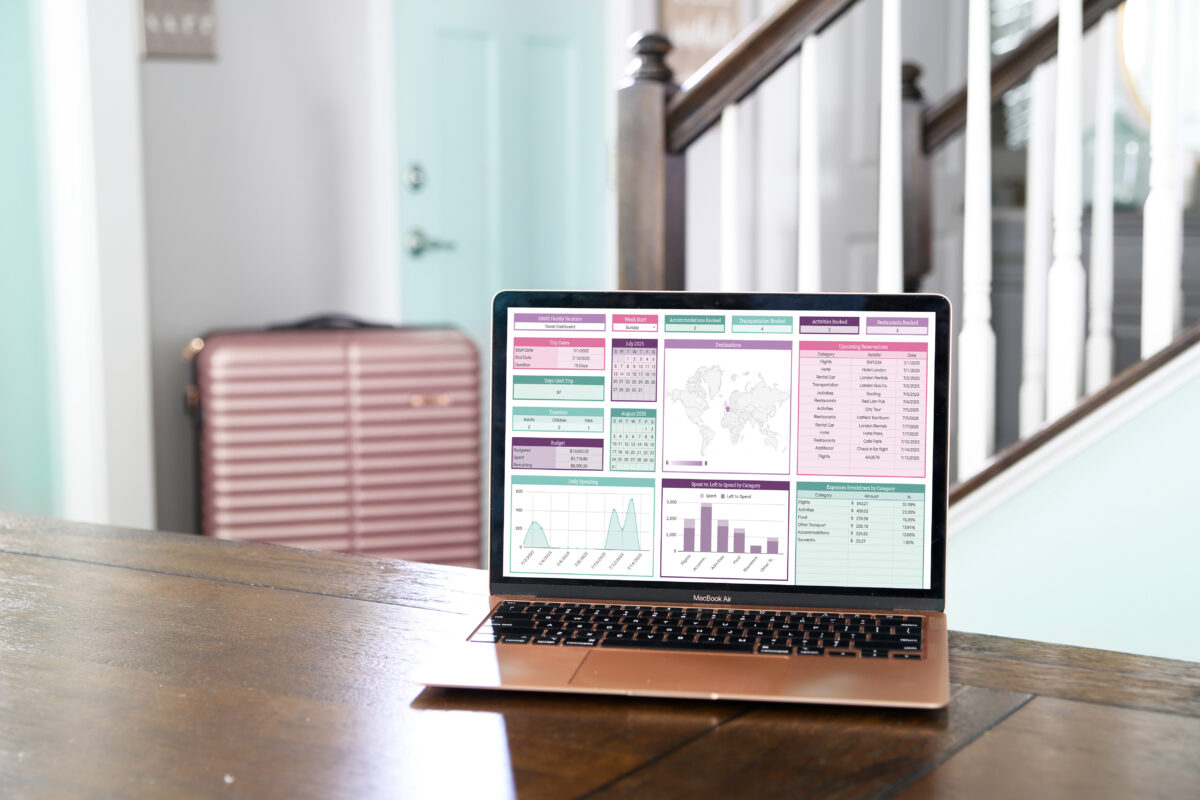
- Shared Digital Accountability: Using tools like Google Sheets via mobile apps, children actively log purchases in real-time, allowing automated software to calculate remaining balances instantly.
Chronology: From Concept to Execution
The journey of embedding financial education into a family vacation typically spans several distinct phases across the calendar year:
Phase 1: Year-Round Accumulation (The Sinking Fund)
Months before departure, families establish a sinking fund. Instead of scrambling for funds or relying on high-interest loans when summer arrives, a modest amount is set aside weekly. This teaches children that large goals are achieved through consistent, incremental habits.

Phase 2: Pre-Trip Setup and Categorization
Prior to departure, parents establish the macro-budget. They outline expected costs for the trip—transportation, lodging, dining, and souvenirs. By defining these parameters early, the family establishes a definitive ceiling for expenditures.
Phase 3: Real-Time Tracking on the Road
Once the trip begins, the administrative duty shifts to the children. As transactions occur—whether paying for parking, buying ice cream, or booking a museum tour—the kids take turns entering the data into a shared digital ledger.

Phase 4: Reflection and Retrospective Analysis
As the trip winds down and the "left-to-spend" figures shrink, children naturally begin forecasting daily allowances. Post-trip, families can review where they overspent or saved, creating lasting memories—and inside jokes, such as debating whether a $6 gas station cheese container was a worthwhile investment.
Supporting Data and Methodological Frameworks
Financial wellness researchers frequently emphasize that early exposure to budgeting correlates strongly with reduced debt and higher savings rates in early adulthood. According to recent consumer finance studies, individuals who learn basic tracking mechanisms during adolescence demonstrate significantly higher credit scores and financial resilience by age 25.

The shift toward digital tools has accelerated this learning curve. Traditional piggy banks and paper ledgers, while useful, lack the dynamic feedback loops of modern applications. When children use collaborative cloud spreadsheets on smartphones or tablets, they immediately see how a single purchase impacts the broader ecosystem of the budget.
By watching automated formulas adjust remaining totals in real-time, children grasp fundamental economic concepts:

- Scarcity: Recognizing that resources are finite.
- Opportunity Cost: Understanding that spending money on one item inherently precludes buying another.
- Adaptive Problem-Solving: Learning how to reallocate funds across categories when unexpected expenses arise.
Perspectives and Expert Responses
While this hands-on approach is driven primarily by individual families, educational theorists and consumer advocacy groups have taken note of its broader implications.
"The traditional schooling model assumes that financial acumen will naturally osmosis from everyday life, but without active participation, kids often reach adulthood blind to the mechanics of cash flow," notes a leading family financial strategist. "When parents empower children to manage real-world stakes—even on a micro-scale like a vacation budget—they replace anxiety with agency."

Parents who have adopted this methodology report a distinct shift in family dynamics during trips. Rather than viewing parental "nos" as arbitrary restrictions, children begin policing their own choices based on objective data. If an afternoon excursion threatens to drain the entertainment category, the children themselves are often the first to suggest alternative, lower-cost activities to keep the trip on track.
Implications for the Future of Financial Literacy
The broader implications of gamified, family-led financial education extend far beyond a single summer getaway. As macroeconomic pressures mount and younger generations face complex housing, educational, and investment landscapes, early foundational training becomes paramount.
By normalizing budgeting as a positive, proactive tool rather than a punitive measure, this strategy reshapes how children perceive wealth management. It teaches them that financial discipline does not equal deprivation; rather, it represents intentional resource allocation to secure what matters most.
Ultimately, integrating children into vacation finances proves that building a secure financial future does not require dry, theoretical lectures. With a smartphone, a collaborative spreadsheet, and an adventurous spirit, families can turn every journey into a roadmap for lifelong economic success.