WASHINGTON — As households across the country grapple with the post-holiday financial hangover—marked by the accumulation of seasonal credit card bills and a post-festive reality check—personal finance advocates are stepping up with actionable solutions. Amidst growing economic anxieties and a collective desire to curb inflation-driven spending, a newly released, comprehensive financial planning tool aims to help consumers regain control over their wallets.
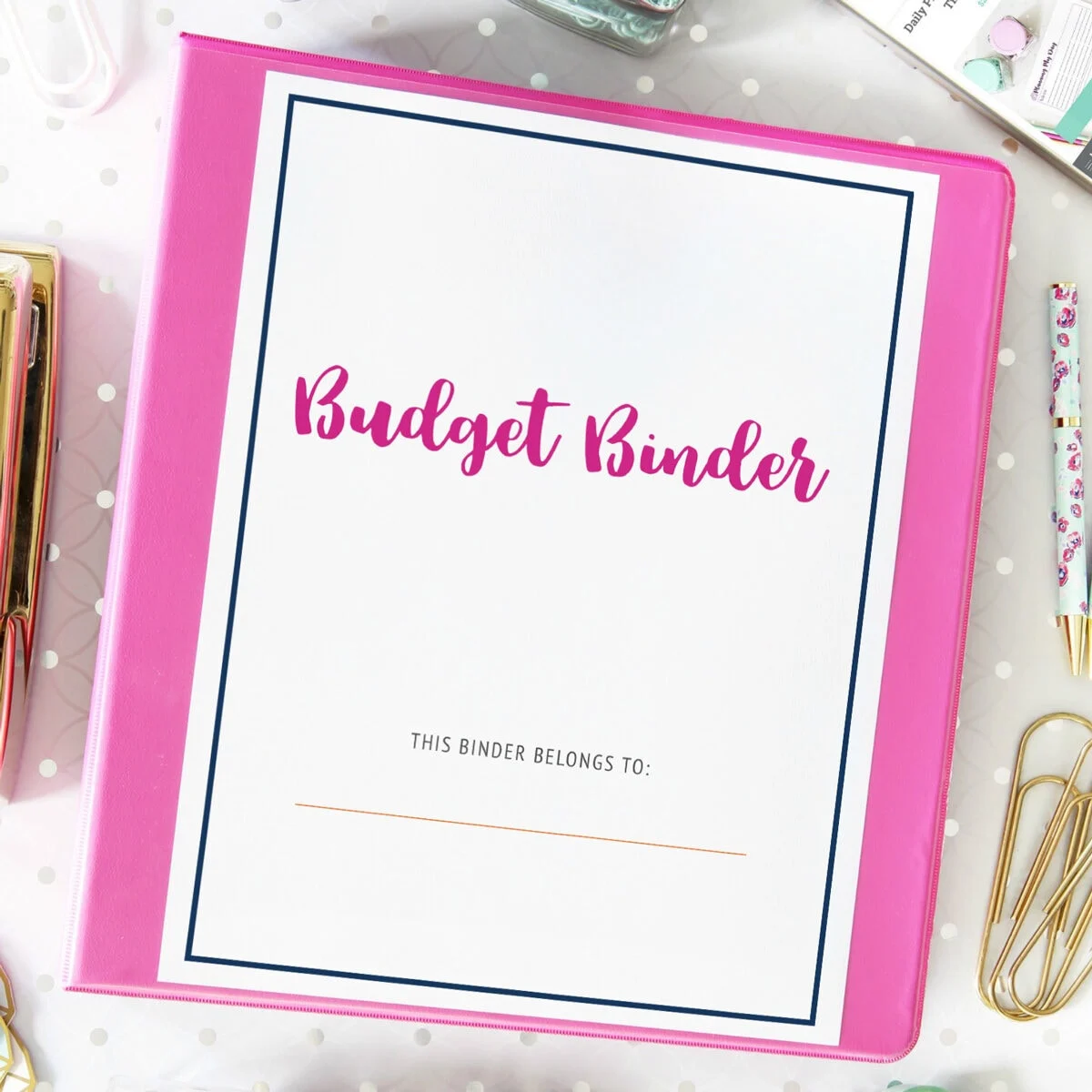
The highly anticipated 2026 Budget Binder and Planner, a free printable resource developed by popular lifestyle and organization platform Just a Girl and Her Blog, officially launched today. Responding to a surge of reader requests numbering in the dozens daily, the release arrives at a critical juncture when millions of Americans are setting ambitious New Year’s resolutions centered around debt eradication, aggressive saving, and smarter spending.
Designed with simplicity and functionality in mind, the 2026 toolkit bridges the gap between vague financial aspirations and concrete daily habits, offering a structured roadmap to transform personal wealth management in the year ahead.
Main Facts: What is the 2026 Budget Binder?
The core premise of the newly released planner is straightforward yet transformative: by rigorously tracking income, categorizing expenditures, and maintaining a visual connection to long-term financial milestones, individuals can drastically reduce impulse spending and accelerate debt payoff.
Unlike expensive, commercial software subscriptions or rigid digital applications that often carry steep learning curves, this analog approach relies on physical accountability. The binder provides a tactile, customizable system that users can tailor to their unique economic situations.
Key structural highlights of the 2026 kit include:
- Zero Cost Accessibility: Distributed entirely free of charge to newsletter subscribers, lowering the barrier to entry for financial literacy.
- Holistic Architecture: Combines goal-setting frameworks, recurring bill tracking, categorized monthly expense registers, and end-of-month performance evaluations into a single cohesive binder.
- Enhanced Motivation Design: Features a cheerful, minimalist aesthetic designed to make the often stressful task of budgeting feel approachable and encouraging rather than punitive.
Chronology: From Concept to the 2026 Launch
The journey toward the 2026 edition reflects a multi-year evolution of consumer-driven personal finance tools.
- Early Implementations: The conceptual framework behind the binder was born out of personal necessity years ago, as creators sought an effective way to align household expenditures with shared family goals without resorting to complex accounting jargon.
- Annual Iterations: Recognizing the shifting economic landscape—including fluctuating interest rates, rising costs of living, and evolving household debt profiles—the planners have been updated annually. Each year incorporates user feedback to refine tracking categories and goal-setting prompts.
- The Lead-Up to 2026: Throughout the final quarter of the previous year, preliminary inquiries and reader emails spiked, culminating in the formal release today. The rollout coincides precisely with the critical window when consumers traditionally audit their yearly subscription renewals, holiday debt, and annual savings targets.
Supporting Data and Structural Anatomy of the Planner
To understand how the budget binder functions as an engine for wealth accumulation, financial analysts often point to the psychological power of written accountability. Studies consistently show that individuals who physically write down their goals and expenditures exhibit significantly higher rates of follow-through compared to those who rely purely on mental accounting.
The 2026 planner is meticulously divided into specific modular sections, each serving a distinct fiscal purpose:
1. The Cover and Goal-Setting Framework
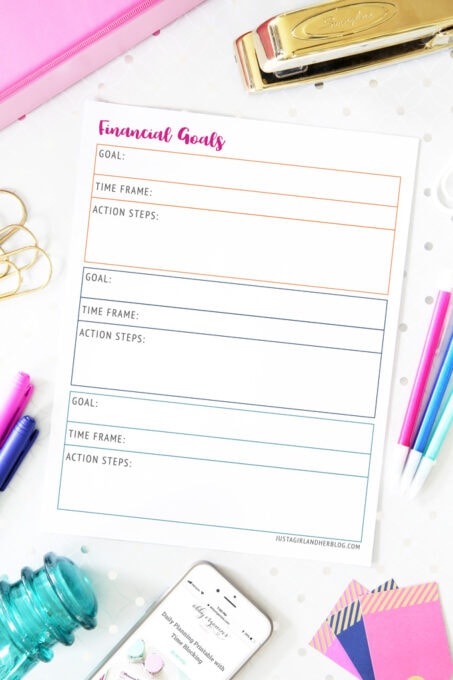
The experience begins with a bright, customizable cover sheet that sets an optimistic tone. Immediately following is the Financial Goals Page, positioned intentionally at the very front of the binder.
- The Strategy: Financial experts emphasize that setting a goal—such as paying off student loans by December 2026—is useless without a tactical execution plan.
- The Action: Users are prompted to define their target, set a strict deadline, and list granular, actionable steps. This might include committing to double monthly loan payments, picking up a side hustle, or systematically slashing discretionary categories like dining out and apparel shopping. By keeping these goals front and center during daily expense logging, users experience a psychological deterrent against impulse purchases.
2. Recurring Expenses Master List
One of the most common pitfalls in personal budgeting is losing track of infrequent or automatic charges. The recurring expenses module tackles this by capturing bills paid on a monthly, quarterly, or annual basis.
- Audit Protocol: Users are encouraged to review past bank statements—easily accessible online—to unearth forgotten subscriptions, insurance premiums, and utility outlays.
- Tracking Mechanism: The sheet utilizes a grid system with month initials. Once a bill clears, a simple checkmark confirms payment, ensuring no late fees are incurred and providing total transparency over fixed overhead costs.
3. Monthly Expense Trackers (Category Registers)
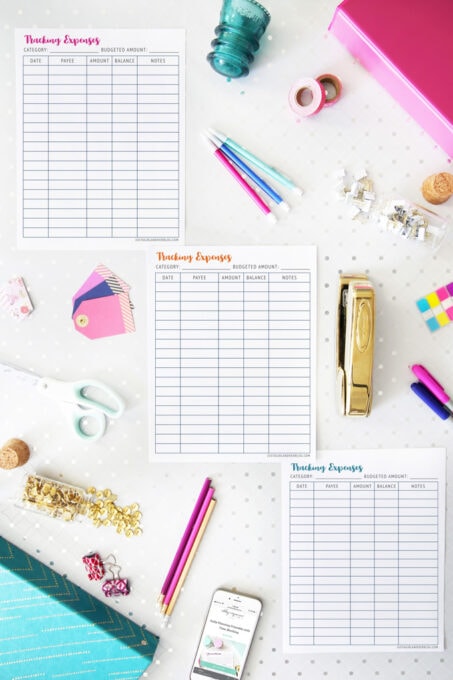
Variable spending represents the battlefield where most budgets are won or lost. The 2026 binder employs specialized tracking sheets—resembling traditional checkbook registers—assigned to distinct spending categories (e.g., groceries, entertainment, gas, household goods).
- The Process: Users assign a predetermined budget limit at the top of each category page. Every transaction is logged with a running balance, providing real-time visibility into how much capital remains for the remainder of the month.
- The Learning Curve: For novices unsure of appropriate spending caps, the creator recommends leaving the budget line blank for the first 30 days while purely observing baseline habits. This empirical data then informs accurate allocations for month two.
4. The Monthly Check-In Evaluation
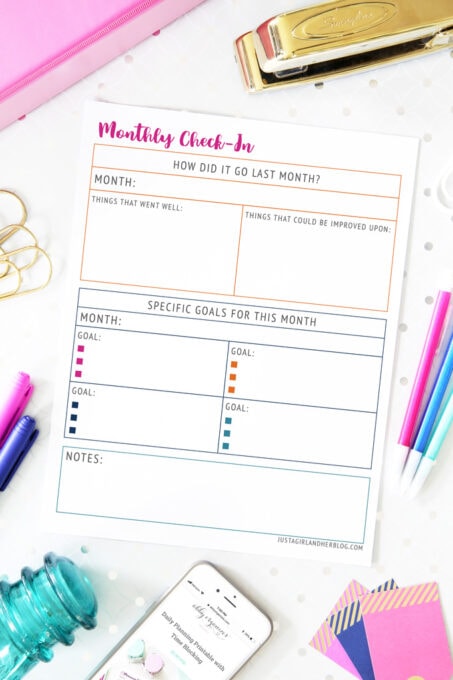
Accountability does not end when the month closes. The monthly check-in page acts as a vital retrospective tool.
- Performance Review: Users jot down what went right and where spending went off the rails. This isolates strengths and weaknesses.
- Micro-Goal Integration: Larger yearly objectives are broken down into bite-sized monthly milestones here—such as resolving to allocate an extra $100 toward principal debt reduction during the current cycle. Celebrating these incremental victories yields the psychological momentum required for long-term endurance.
Official Insights and Expert Perspectives
While the creators of the binder explicitly clarify that they are not licensed financial advisors or certified public accountants (CPAs), the underlying methodology aligns closely with established principles endorsed by behavioral economists and financial counselors alike.
"Goal setting is oh-so-important, especially when it comes to finances," shared the creator behind the launch. "When families take the time to sit down together and write out their financial objectives, it puts everyone on the same page. You are exponentially more likely to achieve what you set out to do when you have a tangible plan and a daily reminder of why you are making sacrifices."

Financial literacy advocates have long championed the "friction" introduced by analog planning. In an era dominated by tap-to-pay cards, digital wallets, and one-click online ordering, money often feels abstract. Writing down an expense by hand forces consumers to consciously process the transaction, theoretically curbing mindless consumerism.
Furthermore, integrating related financial concepts—such as the creation of sinking funds for predictable future expenses (like vehicle repairs or holiday shopping)—helps insulate households from emergency debt spirals.
Implications for Consumers in 2026
The release of the 2026 Budget Binder arrives at a critical economic crossroads. With household debt levels remaining a persistent talking point across macroeconomic forecasts, tools that democratize financial organization carry profound societal implications.
1. Mitigation of Post-Holiday Stress
By channeling the anxiety of January credit card statements into a proactive organizational framework, consumers can pivot from panic to empowerment. The binder provides an immediate triage mechanism to inventory liabilities and establish repayment hierarchies.
2. Shifting Consumer Mindsets
The psychological barrier to impulse buying is heavily reinforced when an individual must actively calculate how a $50 discretionary purchase impacts their running monthly balance. Over time, this fosters mindful consumer habits that extend well beyond a single calendar year.
3. Accessibility in Financial Education
In an age where financial coaching programs can cost hundreds of dollars, the availability of comprehensive, zero-cost physical printables levels the playing field. Households operating on tight margins can access institutional-grade budgeting structures without straining their limited resources.
How to Access the Resource
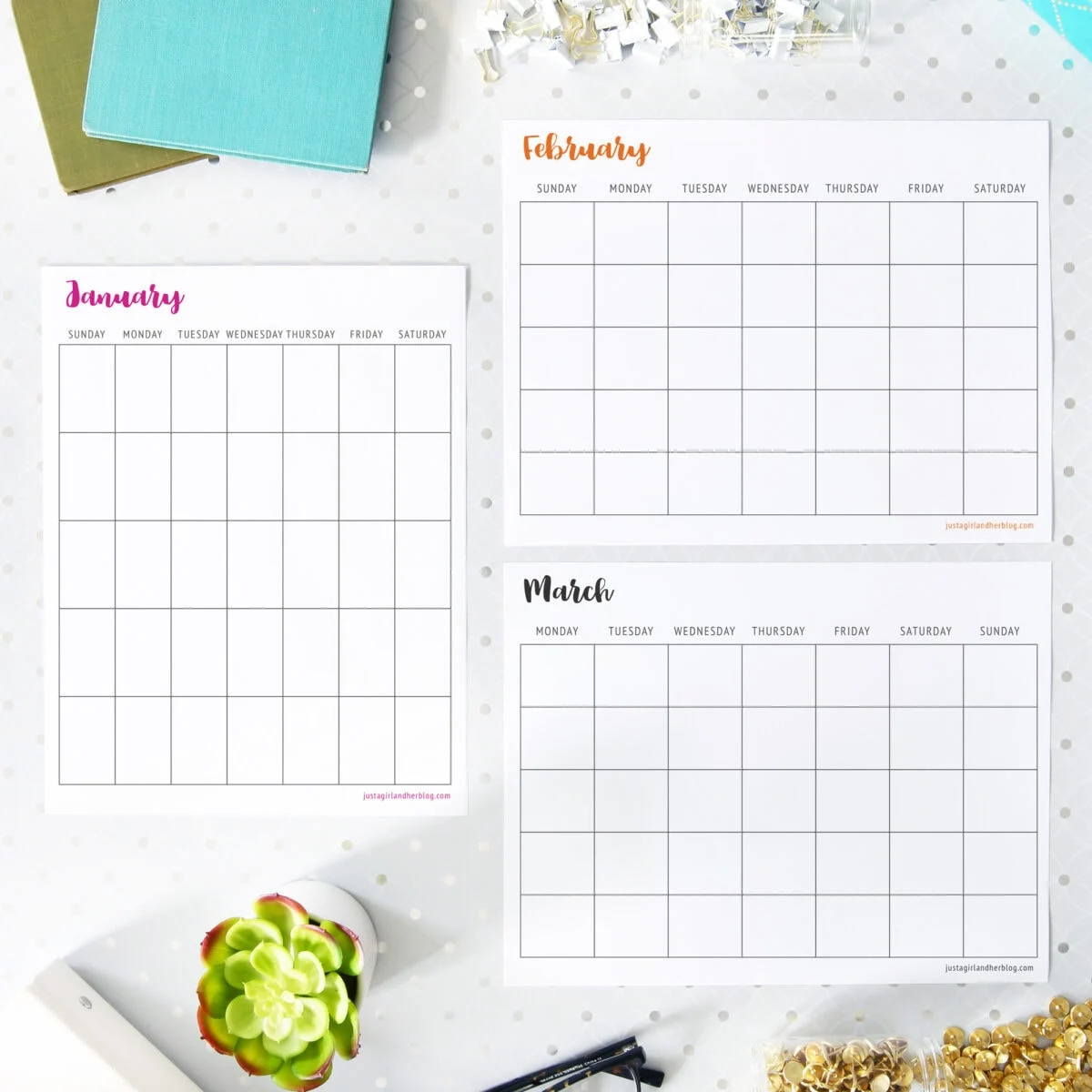
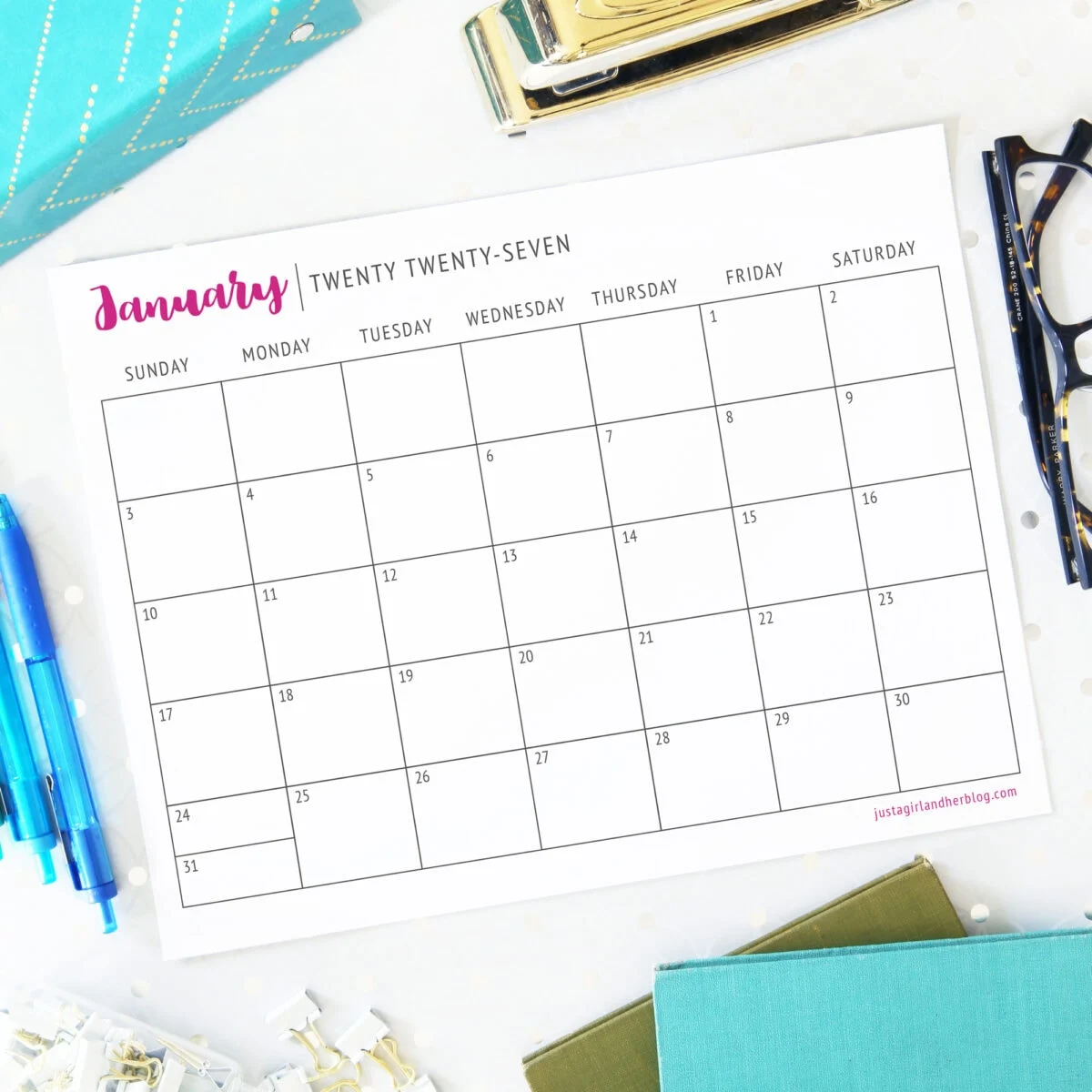
Consumers looking to overhaul their finances for the upcoming year can access the binder through the official Just a Girl and Her Blog platform. By subscribing to the site’s newsletter, readers receive direct digital delivery of the 2026 Budget Binder PDF, alongside complimentary entry to an expansive library containing over 300 pages of free organizational printables, calendars, and lifestyle planners.
As households look toward the horizon of 2026, tools like this serve as a timely reminder that financial wellness is rarely achieved through grand gestures; rather, it is built one logged expense, one intentional goal, and one checked box at a time.