For many families, the addition of a dog is a milestone of domestic joy—a fuzzy companion that anchors the home. However, for the family behind the popular personal finance blog Frugalwoods, the journey to bring a hound named Genevieve (Gigi) into their lives became a profound exercise in humility, logistical impossibility, and financial strain.
After months of silence regarding the sudden disappearance of their canine companion from social media updates, the family has finally addressed the burning question from their community: "What happened to your dog?" The answer is a sobering reminder that even with the best intentions, the most thorough research, and significant financial investment, some matches are simply not meant to be.
The Arrival: An Unexpected Rescue
In late September 2022, a stray hound appeared in a friend’s yard, emaciated and covered in scratches. With no tags, no microchip, and no response to local advertisements, the prevailing theory was that the dog had been a hunting hound that wandered away from its pack.

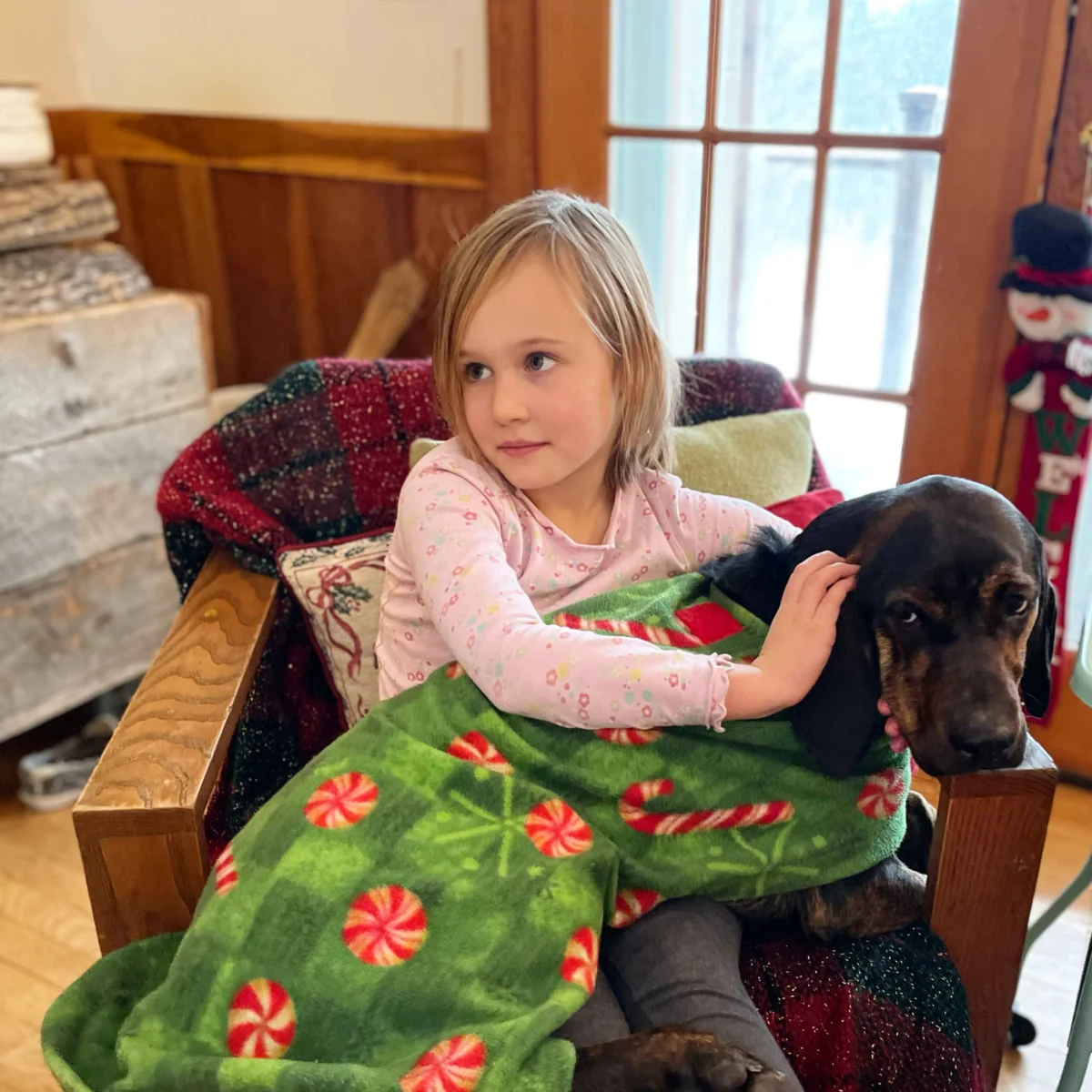
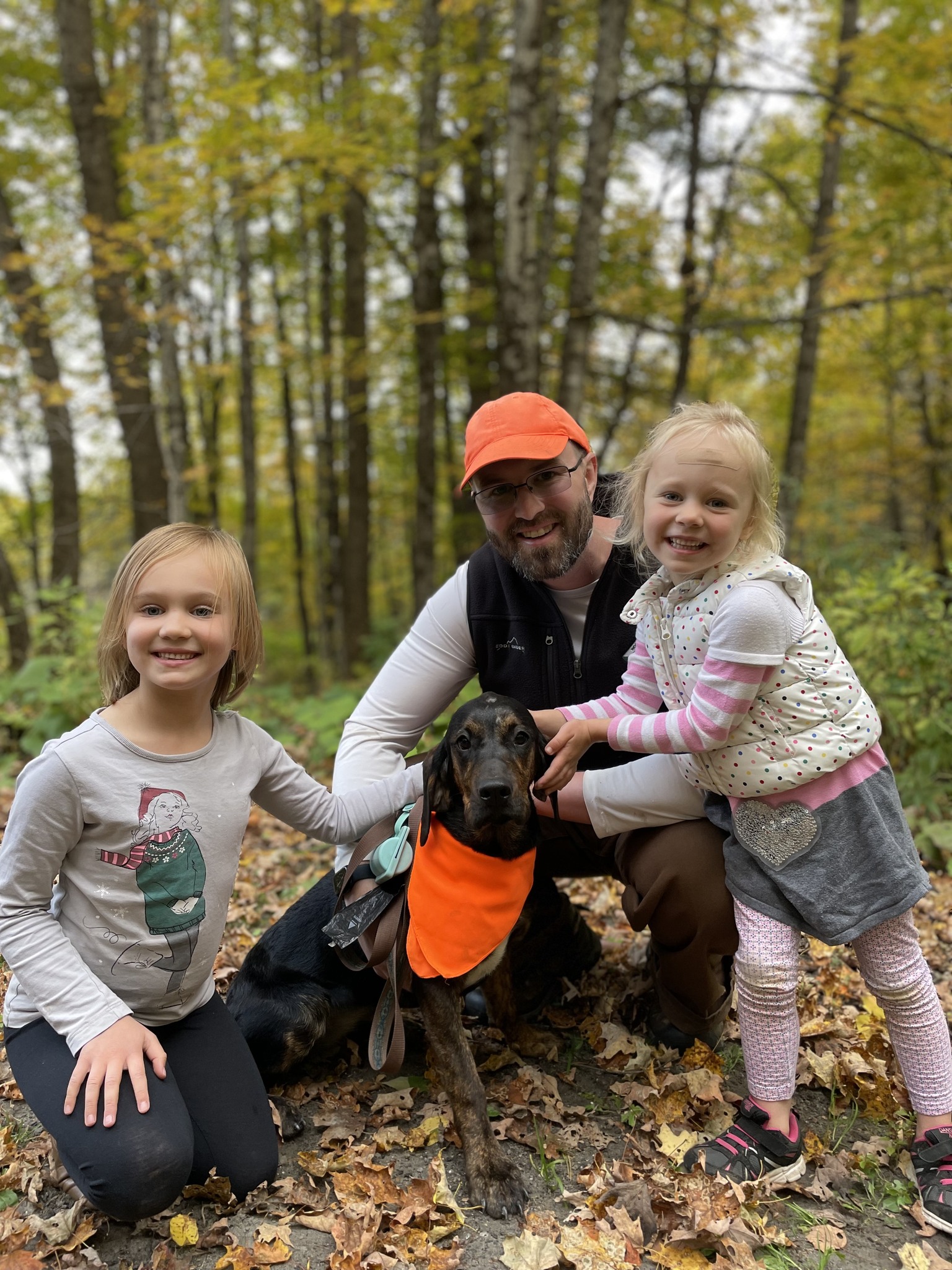
The Frugalwoods family, already known for their thoughtful approach to life and living, felt a deep pull to intervene. When their friends, who were unable to accommodate a second dog, mentioned they would need to surrender the animal to a shelter, the family stepped in. On October 3, 2022, "Gigi" officially joined their household. She was, by all accounts, a perfect companion: gentle with the children, eager to hike, and quiet in the home. But there was one fatal flaw that would soon dominate their lives: she suffered from severe, incapacitating separation anxiety.
The Chronology of a Crisis
The family’s attempt to integrate Gigi into their lives was not a casual endeavor; it was a rigorous, four-month-long campaign to overcome a behavioral barrier that rendered the family’s lifestyle unsustainable.
Phase 1: The Behavioral Approach
Initially, the family relied on traditional training. Having successfully crate-trained a previous dog, they assumed the same methodology would apply. Gigi, surprisingly, loved her crate when the family was present, often retreating there for naps or solitude. However, the moment the front door closed, the situation deteriorated. The family engaged a professional dog trainer, implementing a regimen of short-duration absences. Despite their persistence, Gigi could not handle being alone for more than five minutes without entering a full-blown panic.
Phase 2: The Technological Pivot
Believing the issue might be rooted in a lack of stimulation or a need for reassurance, the family invested in surveillance. They installed cameras to monitor the dog, followed by an interactive camera-treat-dispenser system designed to reward calm behavior remotely. Neither tool provided a breakthrough; the panic persisted regardless of voice-recorded comfort or automated snack delivery.
Phase 3: The Medical Intervention
Finally, the family turned to veterinary medicine. Over several months, they worked with their vet to cycle through a variety of interventions—from mild anti-anxiety medications to sedatives and tranquilizers. Despite the professional guidance and the mounting prescriptions, the dog’s physical response to isolation remained unchanged. Every departure resulted in the same traumatic outcome: a panicked dog, a soiled crate, and a cycle of cleanup and distress that began to weigh heavily on the household.
Supporting Data: The Financial Reality of Failed Adoption
One of the most transparent aspects of the Frugalwoods disclosure is the raw financial data. Pet ownership is often romanticized, but the fiscal reality can be staggering, especially when health or behavioral issues arise. The family spent a total of $2,373.25 in their four-month attempt to provide Gigi with a stable home.

| Item Category | Cost |
|---|---|
| Medical (Vet, Vaccines, Meds) | $1,152.98 |
| Adoption/Rescue Fees | $600.00 |
| Supplies (Food, Beds, Toys, Gear) | $454.18 |
| Training & Tech (Trainer, Cameras) | $166.09 |
| Total Expenditure | $2,373.25 |
For context, the family notes that their previous dog, a greyhound, cost approximately $930 annually. The discrepancy highlights the "unknown variables" of animal rescue—costs that can balloon rapidly when a dog requires specialized, ongoing behavioral or medical support.
Implications for the Family Dynamic
The decision to surrender Gigi was not made lightly. The family reached a point where their lifestyle was being dictated by the dog’s inability to be left alone. For a family with young children, this meant one parent was effectively "housebound" at all times.
"We didn’t go to church as a family, we didn’t go to school events as a family, we rarely skied as a family," the family shared. The strain of the situation began to permeate their lives, affecting the children and creating a sense of pressure that contradicted their values of being an active, engaged unit. They eventually concluded that the trade-off—a happy home environment versus the constant, overwhelming stress of managing the dog’s separation anxiety—was unsustainable.

Resolution and Recovery
The story ends with a bittersweet but positive outcome. The family located a foster-based rescue organization that understood the unique needs of hounds like Gigi. Through this organization, it was determined that Gigi’s anxiety was rooted in her history; as a former pack-hunting dog, she simply could not thrive in an environment where she was the only dog.
Gigi was successfully adopted by a new family that already owned other dogs. In that environment, she reportedly thrives. The Frugalwoods family, meanwhile, has decided to remain dog-free for the foreseeable future. They have found a "perfect compromise" in pet-sitting for friends—a role that allows them to enjoy the companionship of a dog without the long-term, 24/7 commitment that their current stage of life cannot support.
Lessons Learned: A Reflection on Responsibility
The experience serves as a powerful, non-judgmental look at the complexities of pet ownership. It is not a story of neglect, but one of incompatibility. The family acknowledges feelings of "failure," yet balances that with the reality that they provided Gigi with medical care, socialization, and, ultimately, the path to a more suitable forever home.
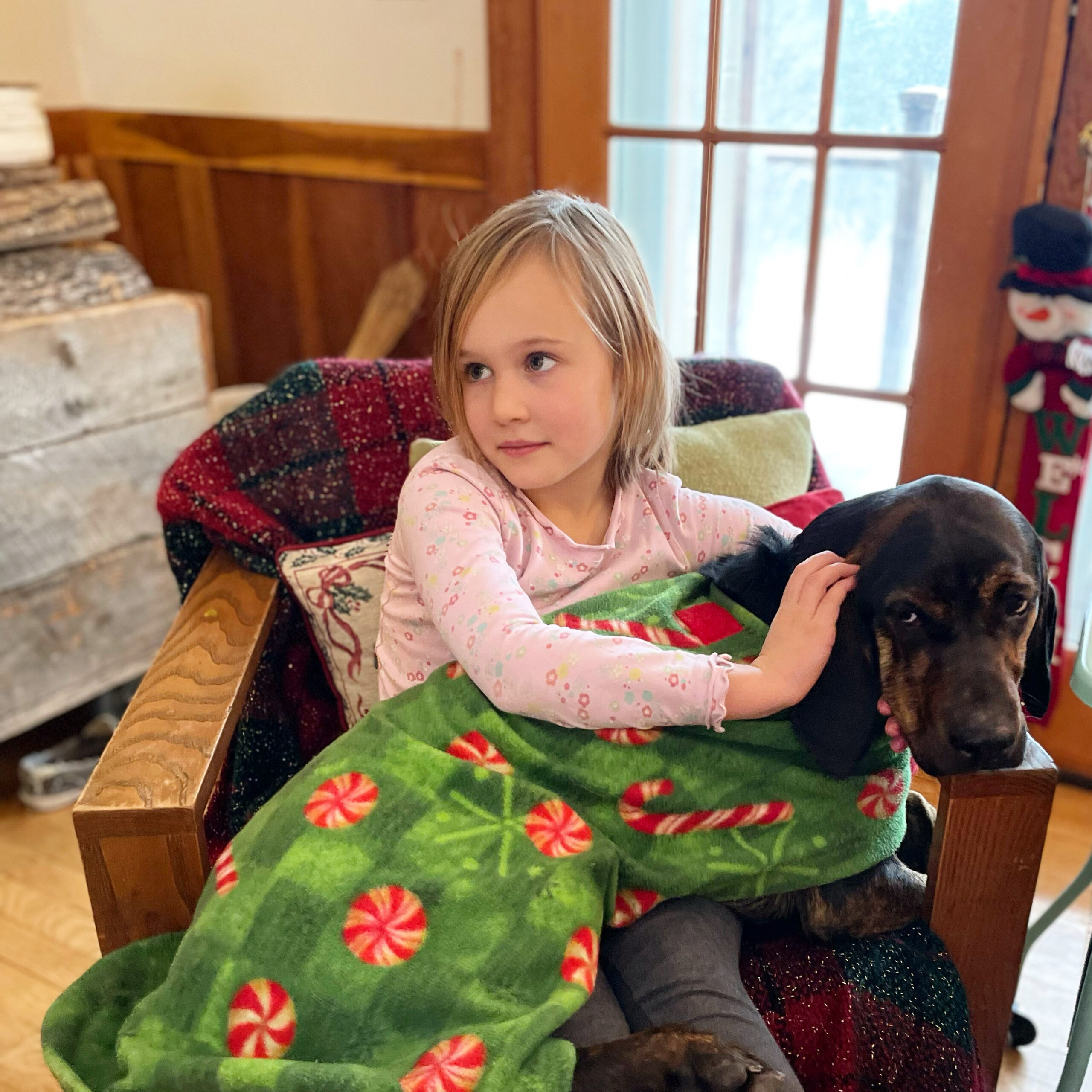
Their reflection offers a critical lesson for prospective adopters:
- Understand the Breed: Many rescue dogs come with historical baggage—hunting, abandonment, or pack-living—that can manifest as severe behavioral quirks.
- Financial Buffers: Unexpected costs, from emergency vet visits to professional training, are a standard part of the "pet tax."
- Lifestyle Alignment: It is vital to honestly assess one’s current season of life. For a family with young children or an active, outgoing schedule, the reality of a high-needs dog can be a source of, rather than a relief from, stress.
As the family concludes, they are currently in a phase of life where they are prioritizing their children’s curiosity and the freedom to explore the world as a family unit. While the "dog-sized hole" remains, they are at peace with their decision. In the end, the most responsible choice—both for the family and the dog—was to acknowledge their limits and facilitate a transition that ensured Gigi’s long-term happiness.