WASHINGTON — In an era dominated by high-powered digital productivity applications, cloud-based sync ecosystems, and artificial intelligence-driven task managers, a remarkably analog trend is gaining unprecedented momentum. Organization enthusiasts, busy parents, corporate professionals, and students are turning back the clock to paper.
The nationwide craving for physical organization tools has officially reached a fever pitch, with requests for upcoming yearly schedules arriving earlier than ever before. For planning aficionados, the wait is finally over: the highly anticipated, fully customizable free printable calendar for 2026 has officially been released to the public, signaling a massive shift in how households prepare for the upcoming year.
Main Facts: The Return to Tangible Organization
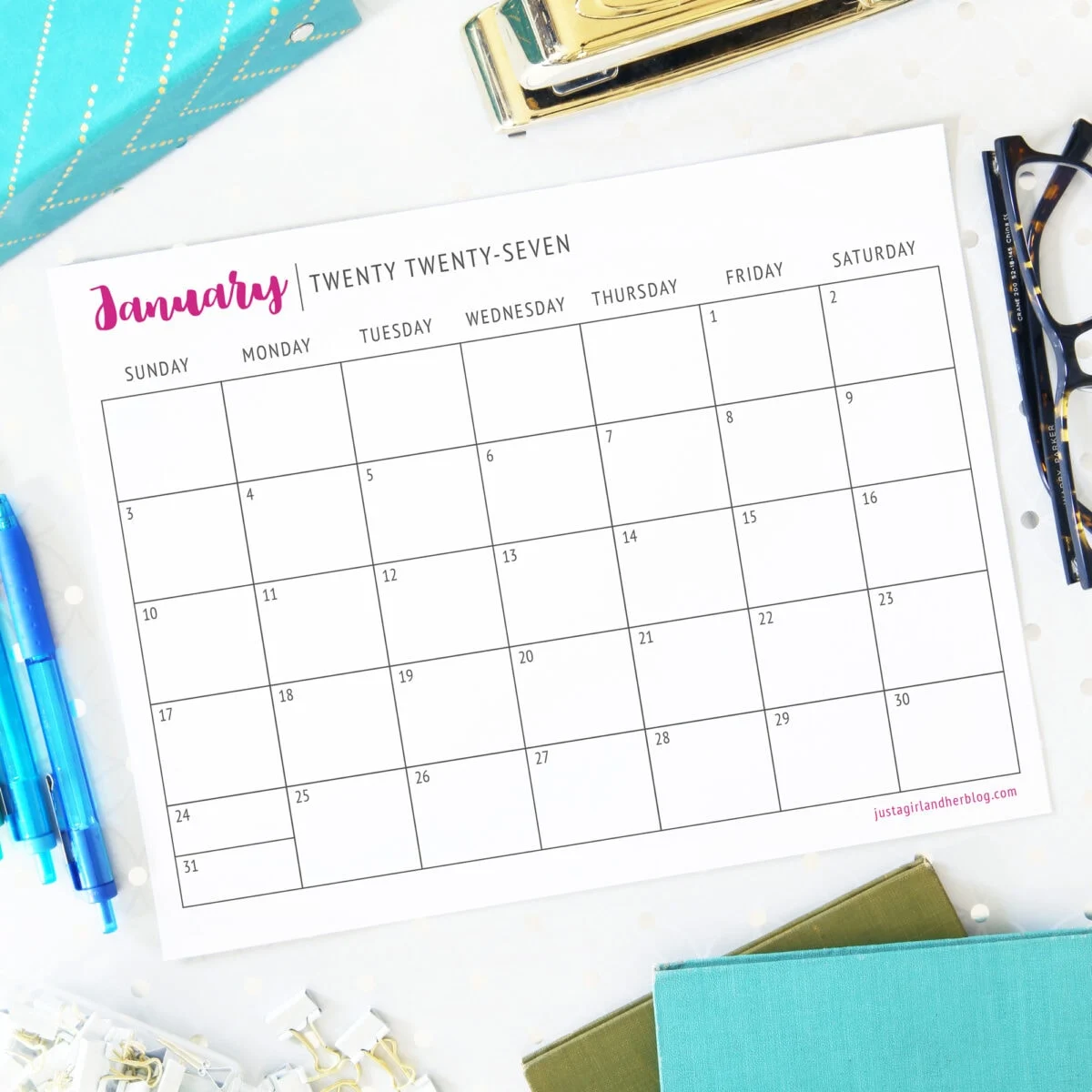
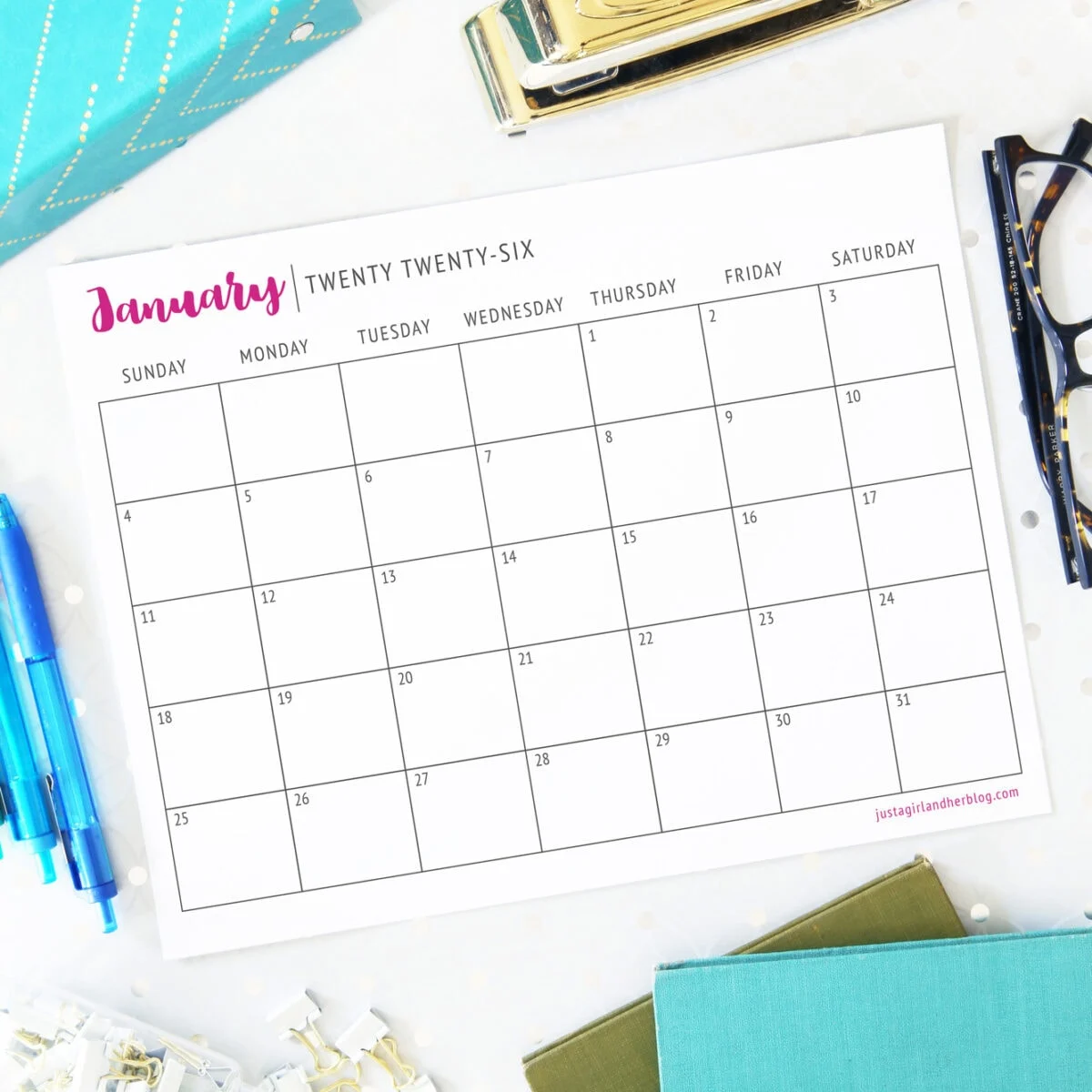
The release of the 2026 printable calendar collection addresses a growing cultural appetite for tactile planning systems. Designed to fit standard 8.5” x 11” printer paper, the newly launched monthly layouts provide a minimalist yet stylish aesthetic featuring handwritten-style headings, ample daily grid spacing, and versatile orientation options.

Far from being mere relics of a pre-digital age, these printable calendars have evolved into multi-functional productivity hubs. According to design trends and user engagement metrics across lifestyle platforms, individuals are utilizing these physical grids for everything from high-level corporate project management and academic milestone tracking to meal planning, fitness regimens, and household chore delegation.
The core appeal lies in cognitive retention and intentionality. Psychologists and productivity experts have long noted that writing tasks down by hand activates neural pathways associated with memory and commitment in ways that typing on a smartphone screen simply cannot replicate. By offering these resources entirely free of charge, creators are democratizing access to high-end organizational tools, ensuring that effective time management remains accessible to everyone regardless of budget.
Chronology: A Timeline of Growing Demand
The journey toward the 2026 calendar release highlights a fascinating consumer phenomenon characterized by an accelerating desire to plan ahead:

- The Historical Precedent: Decades ago, during the heyday of traditional brick-and-mortar banking institutions, handing out promotional paper calendars during the winter holidays was a standard community outreach practice. Even then, demand routinely outpaced supply, with patrons requesting copies months in advance.
- April 2025 (Early Inquiries): The timeline for the 2026 rollout shattered all previous records. The first formal user inquiries regarding the availability of a 2026 calendar landed in creator inboxes as early as April—marking the earliest recorded surge in consumer demand in the platform’s history.
- Summer 2025 (Design and Development): Throughout the summer months, design teams finalized horizontal and vertical monthly iterations, incorporating user feedback from previous years to enhance grid usability, aesthetic versatility, and printer efficiency.
- Fall 2025 (The Official Launch): The official digital release goes live, providing instantaneous access to monthly grids spanning January through December 2026, alongside a robust library of complementary planning printables.
- Looking Ahead to 2026: As households download, print, and bind their new schedules into 3-ring binders or mount them to refrigerators, the focus shifts toward proactive goal-setting and long-term milestone mapping for the upcoming year.
Supporting Data: The Anatomy of Modern Planning
While precise national figures for independent printable downloads are difficult to aggregate, consumer behavior studies shed light on the enduring dominance of hybrid productivity systems—those that combine digital alerts with physical desk calendars.
- The Paper Preference: Market research indicates that nearly 60% of remote workers and busy parents utilize a physical calendar, planner, or wall chart in tandem with digital smartphone reminders to prevent burnout and screen fatigue.
- Printable Economy: The "print-at-home" niche has experienced exponential growth, with traffic to free organizational resource libraries increasing year-over-year. Users cite the ability to print unlimited copies, customize layouts, and avoid expensive commercial planner subscriptions as primary drivers for this shift.
- Versatility Metrics: Analysis of user applications reveals that modern printable calendars are rarely used for scheduling alone. Approximately 45% of users repurpose monthly grids for specialized tracking, including:
- Habit formation and tracking (e.g., daily water intake, meditation).
- Content planning and editorial calendars for creators and small business owners.
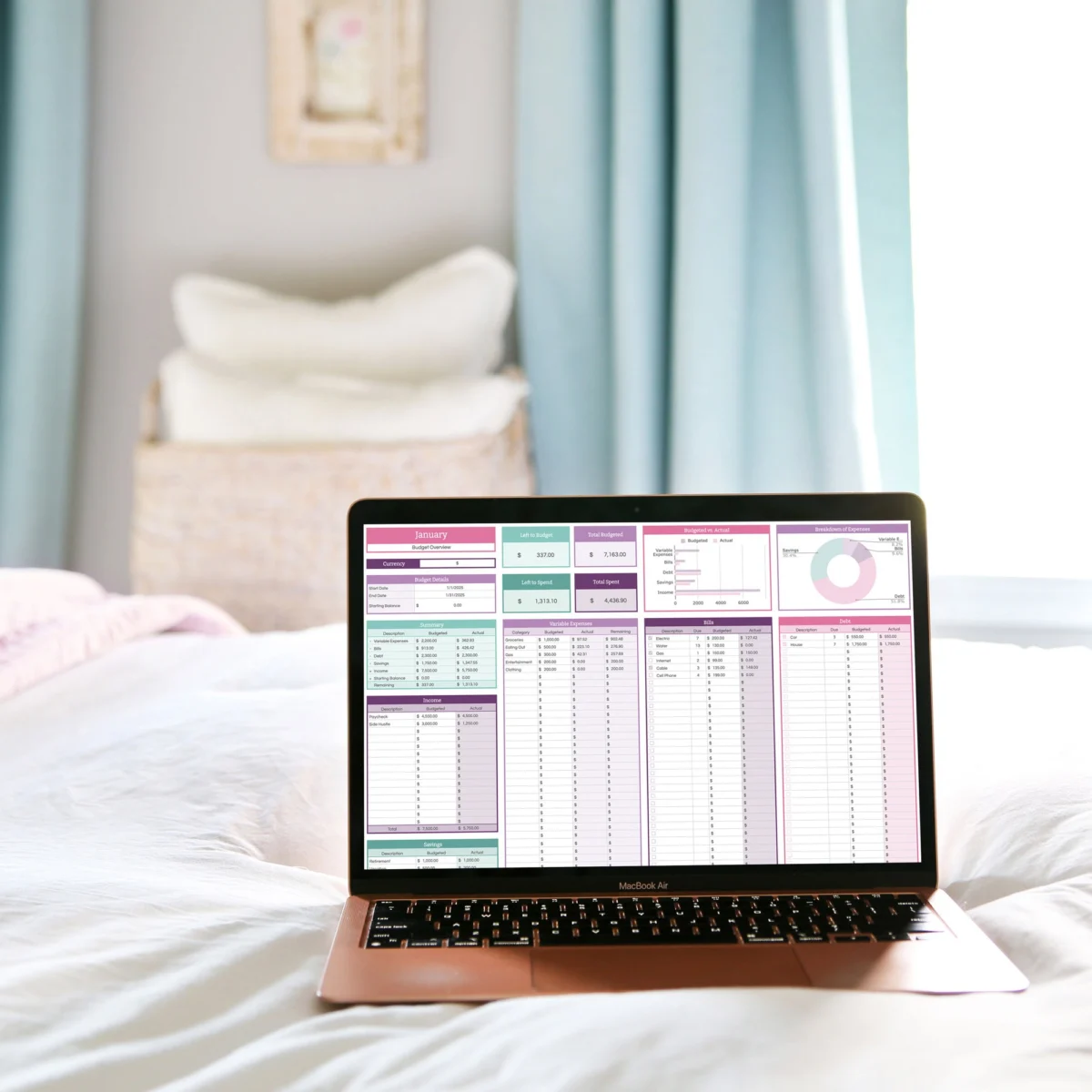
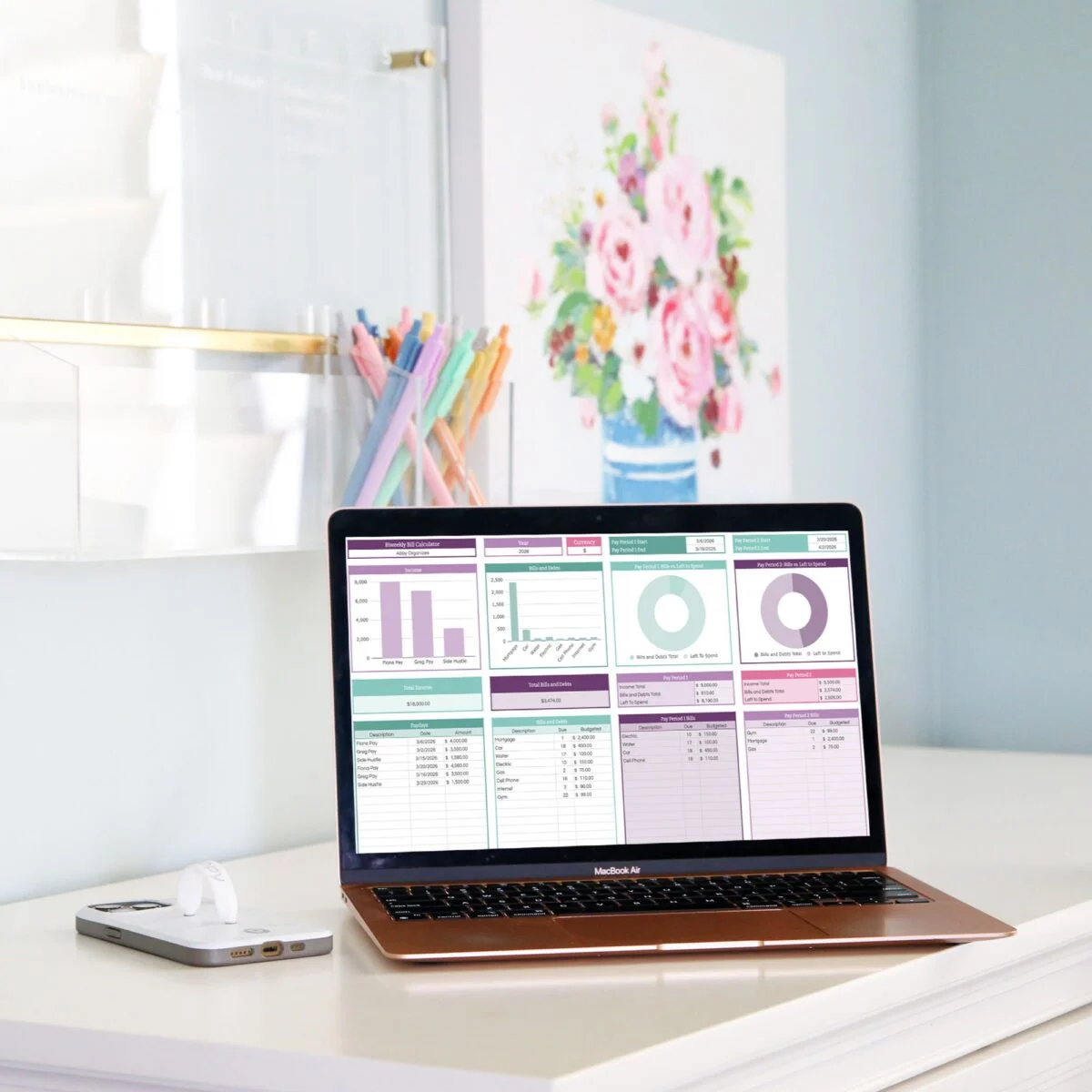
- Long-term financial savings and debt payoff milestones.
- Fitness progression and marathon training logs.
- Classroom schedules and homeschooling lesson plans.
Official Perspectives and Community Feedback
The cultural momentum behind physical planning tools has generated widespread discussion among productivity advocates, lifestyle bloggers, and organizational experts.
Abby Lawson, creator of the widely followed lifestyle and organization platform Just a Girl and Her Blog, noted the extraordinary passion surrounding annual calendar rollouts. Drawing from her past professional experiences in the banking sector—where holiday calendars had to be strictly rationed due to overwhelming summer demand—Lawson emphasized that the craving for structure runs deep within the human psyche.

"Calendar people are my kind of people," Lawson shared in her release announcement. "Every year around this time, I start to get a bunch of emails asking, ‘When is next year’s calendar coming out?!’ This year it started earlier than ever. I think I got my first 2026 calendar request in April! It’s just a simple tool, but sometimes the simplest tools are the best. I’m always amazed at how a little organization can spark motivation and help get the ball rolling on all of those things you’ve been wanting to accomplish."
Industry analysts point out that community-driven platforms offering free resources play a critical role in reducing household stress. By removing financial barriers to entry, creators empower individuals to take control of their schedules without investing in costly commercial stationery systems.
Implications: What the 2026 Calendar Trend Means for Productivity
The massive early-season adoption of the 2026 printable calendar carries several broader implications for personal development, workplace habits, and consumer mental health.

1. The Antidote to Digital Burnout
As daily life becomes increasingly saturated with screen time—from remote Zoom meetings to constant smartphone notifications—individuals are actively seeking "low-tech" sanctuaries. A paper calendar pinned to a refrigerator or resting on a home office desk offers a tangible, distraction-free zone to reflect on daily priorities without the risk of pop-up interruptions or algorithmic feeds.
2. Proactive Goal Setting
The fact that consumers began requesting 2026 schedules as early as April demonstrates a cultural shift toward ultra-long-term thinking. Rather than reacting to deadlines at the last minute, modern planners are adopting a macro-level perspective, mapping out multi-month projects, career transitions, and family milestones well in advance.
3. Empowerment Through Customization
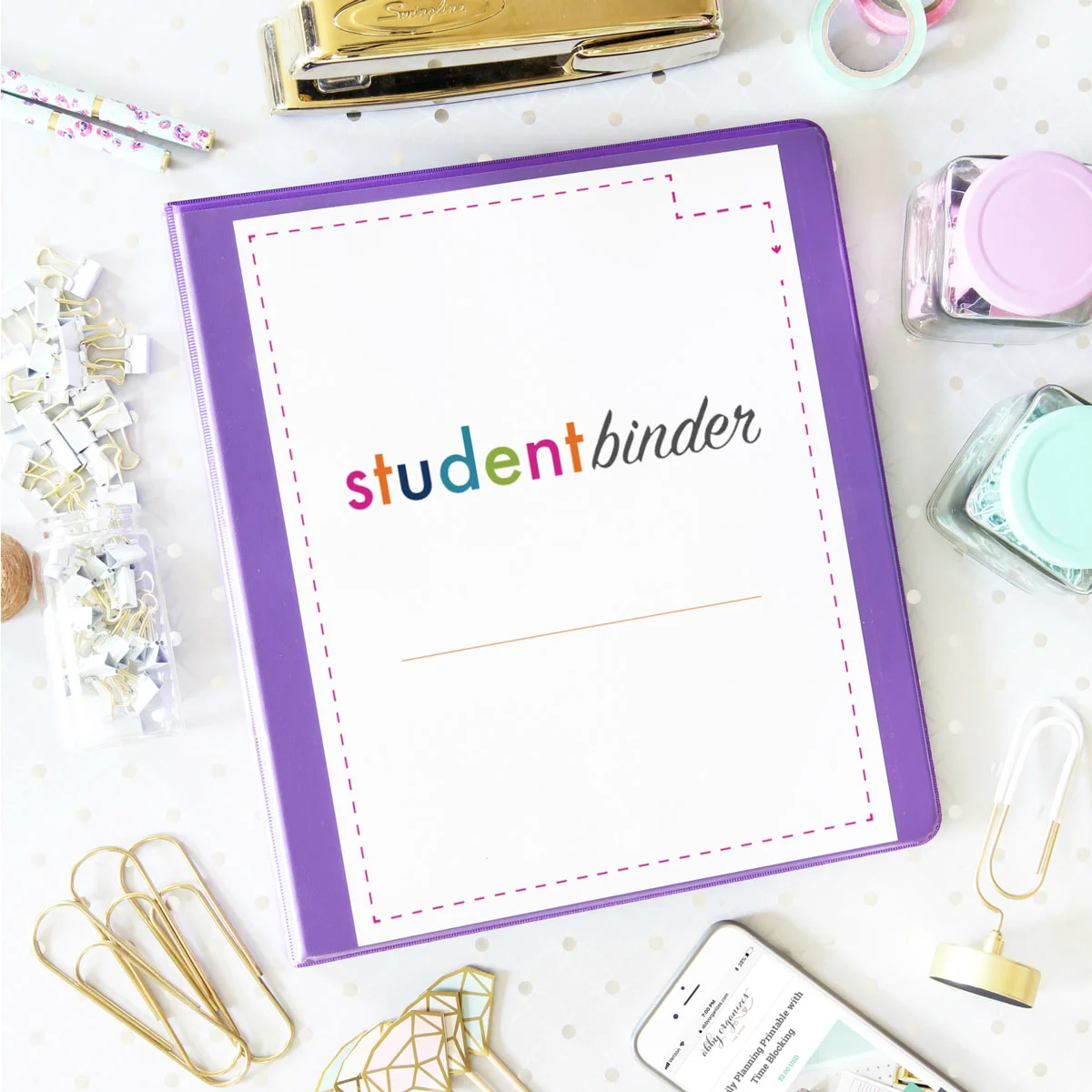
Standardized store-bought planners often force users into rigid formatting that may not align with their unique lifestyles. The printable format empowers users to tailor their organizational ecosystem to their exact specifications. Whether slipped into a 3-ring binder alongside financial trackers, clipped to a magnetic refrigerator strip, or bound into a custom home management binder, printables adapt to the user rather than forcing the user to adapt to them.

Frequently Asked Questions
For those looking to integrate the new 2026 calendars into their daily routines, several common questions guide the setup process:
- What paper size is recommended for printing?
The calendars are optimized for standard US Letter size paper (8.5” x 11”), making them universally compatible with home and office printers. - Can these calendars be used commercially?
No. All provided printables are strictly designated for personal use and cannot be resold or redistributed by unauthorized parties. - Where can additional organizational resources be found?
Users seeking a broader array of organizational tools can access comprehensive printables libraries, which often feature over 65 free resources ranging from budget planners to cleaning checklists.
As the countdown to 2026 continues, the humble paper calendar remains a testament to the enduring power of simplicity. In a complex world, sometimes all it takes to conquer your goals is a clean grid, a reliable pen, and a fresh sheet of paper.