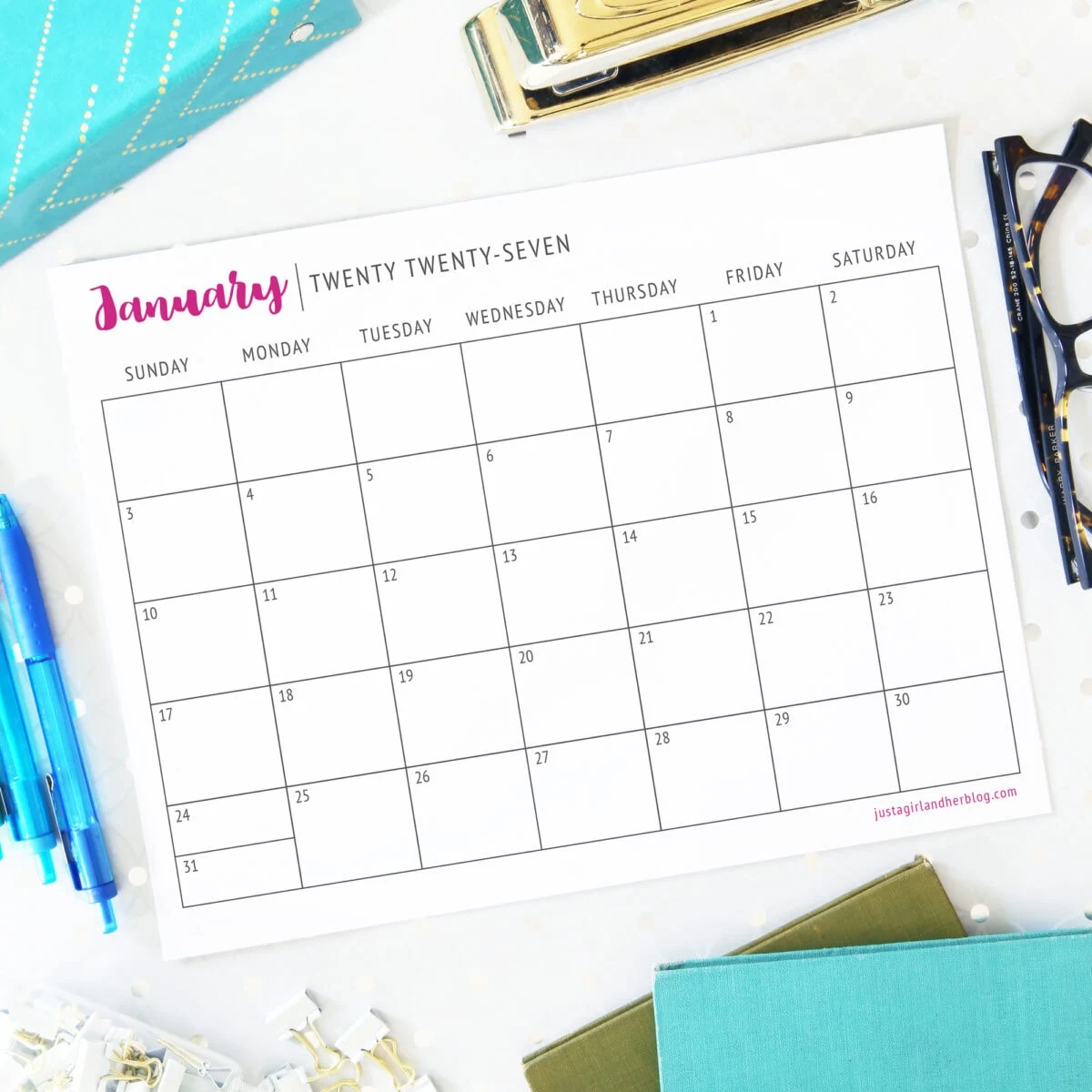
WASHINGTON — For organization enthusiasts and productivity planners alike, the holiday season isn’t the only time anticipation peaks. Across the digital planning sphere, the official rollout of the Free Printable Calendar 2027 has arrived earlier than ever, fueled by an escalating public appetite for early-bird scheduling, goal management, and intentional time-blocking tools.
While digital tools, smartphone apps, and cloud-based calendars continue to dominate modern enterprise and personal project management, a parallel counter-movement remains exceptionally strong: the tangible, highly customizable world of paper-based monthly layouts. Creators report that inquiries for upcoming yearly calendars now frequently arrive as early as April—shattering historical trends and demonstrating a profound cultural shift toward proactive, long-term personal organization.
Main Facts: The 2027 Printable Calendar Phenomenon
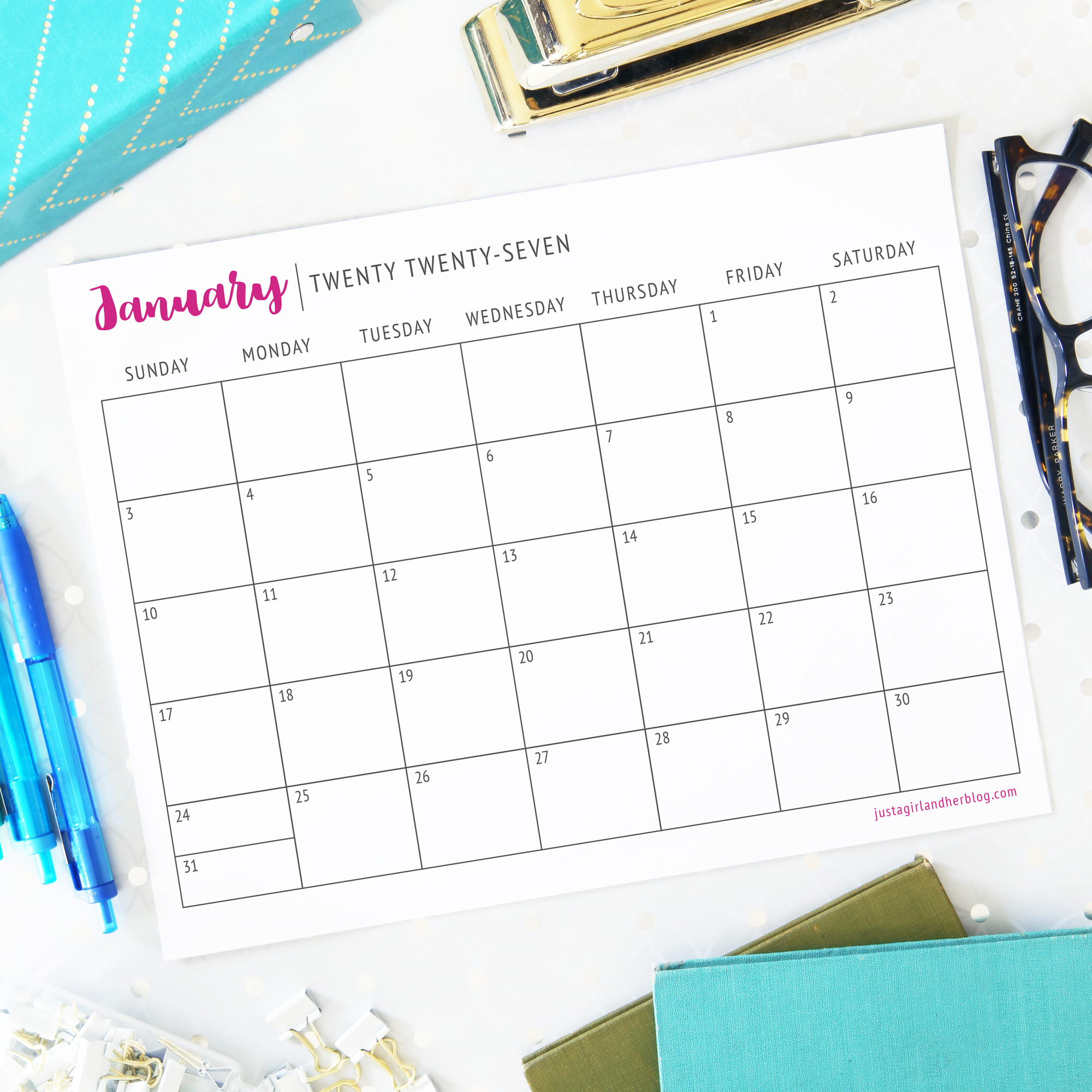
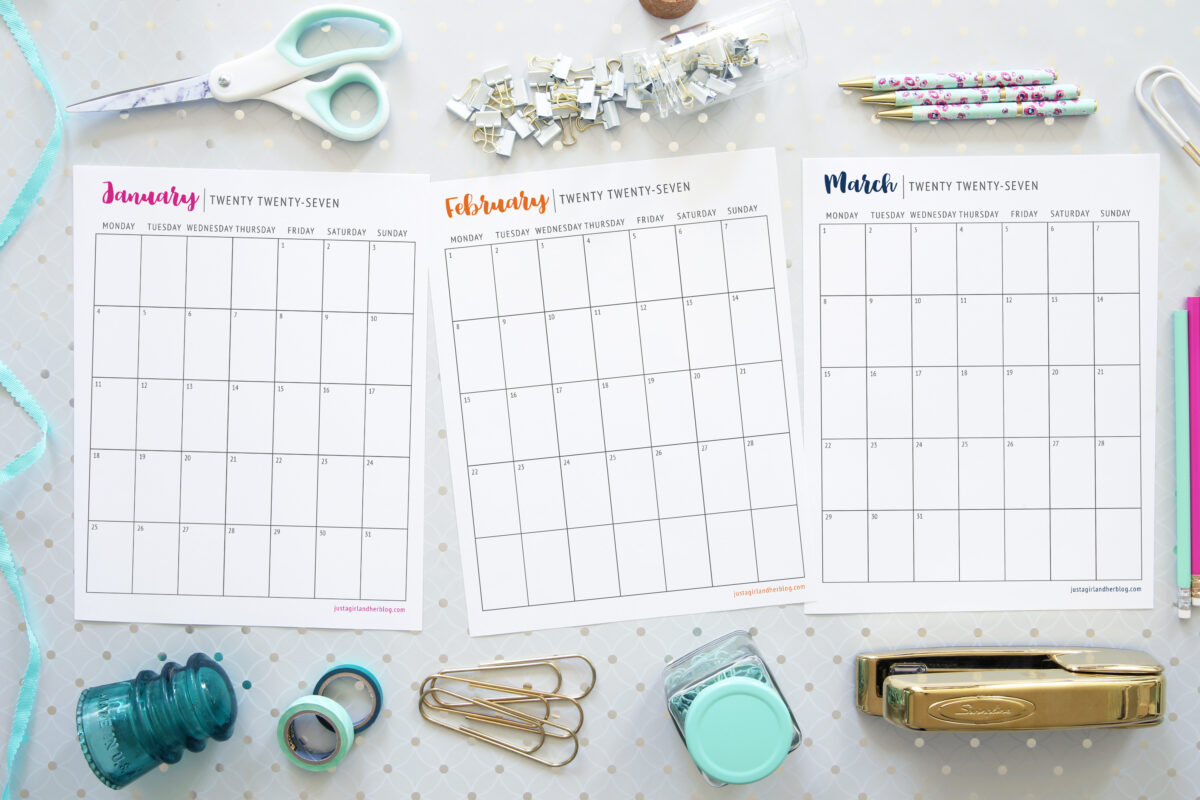
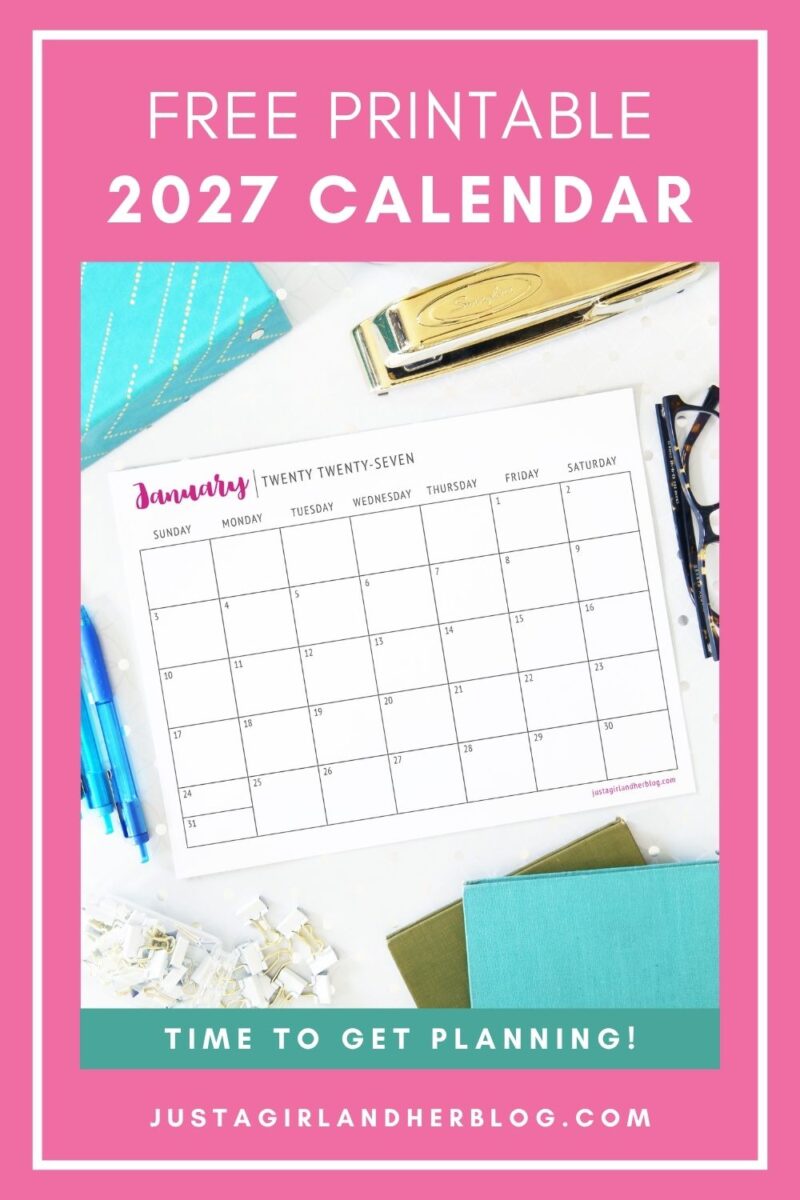
The newly released 2027 calendar collection is designed to bridge the gap between digital convenience and tactile productivity. Created primarily to serve as a comprehensive organization tool, the free printable package allows users to plan daily schedules, map out major life events, track health and fitness habits, and manage both short-term milestones and long-range goals.
- Accessibility: Available digitally at no cost, the files are optimized for standard 8.5” x 11” printer paper.
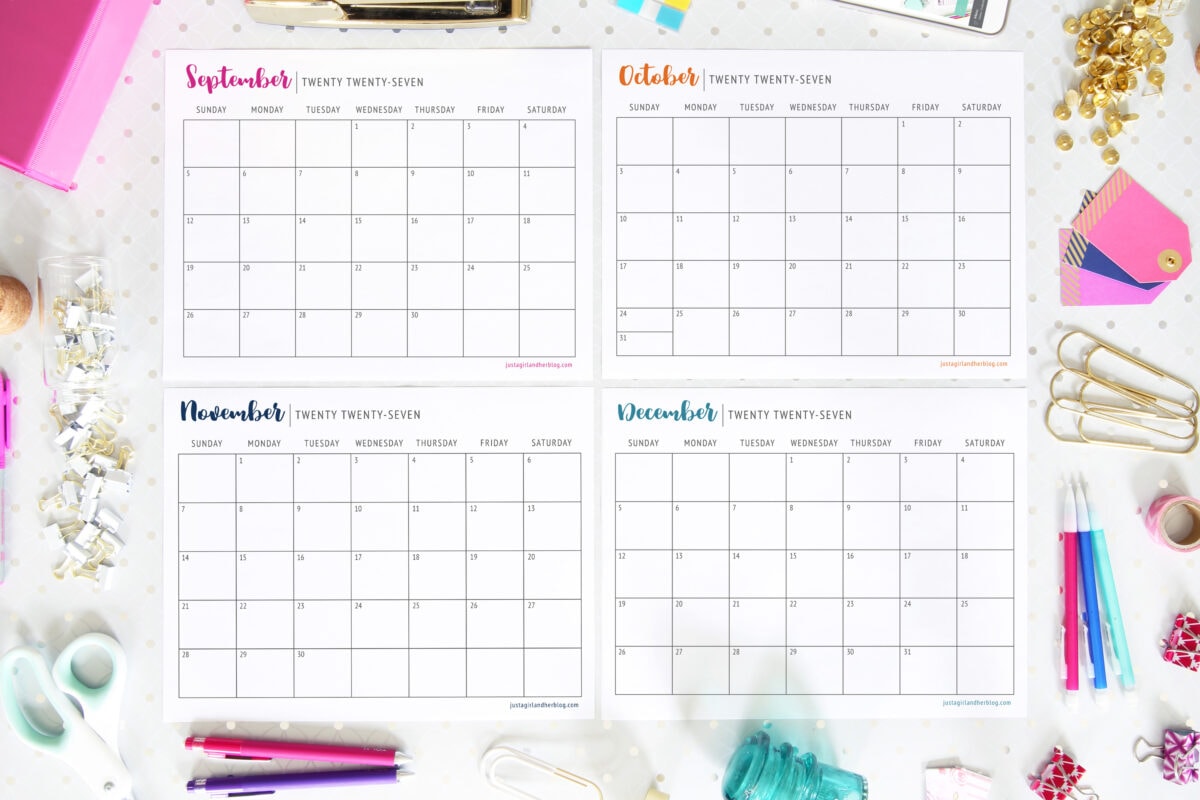
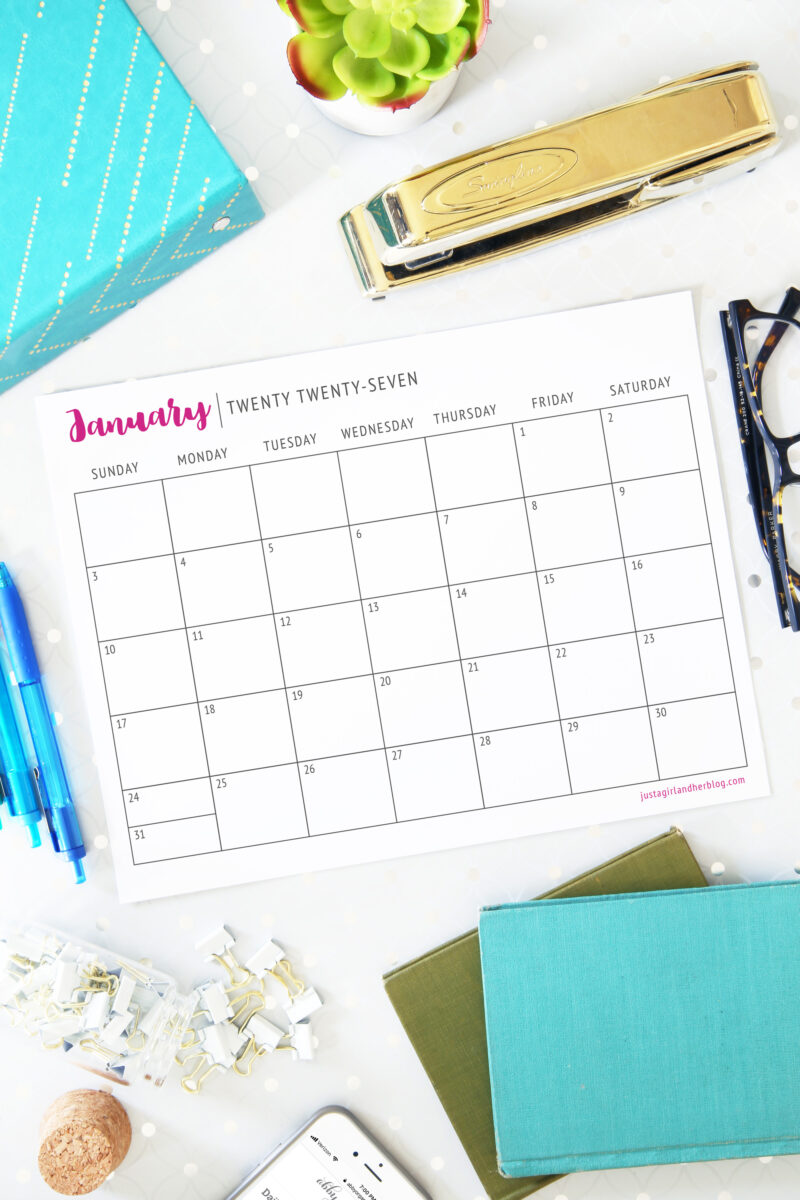
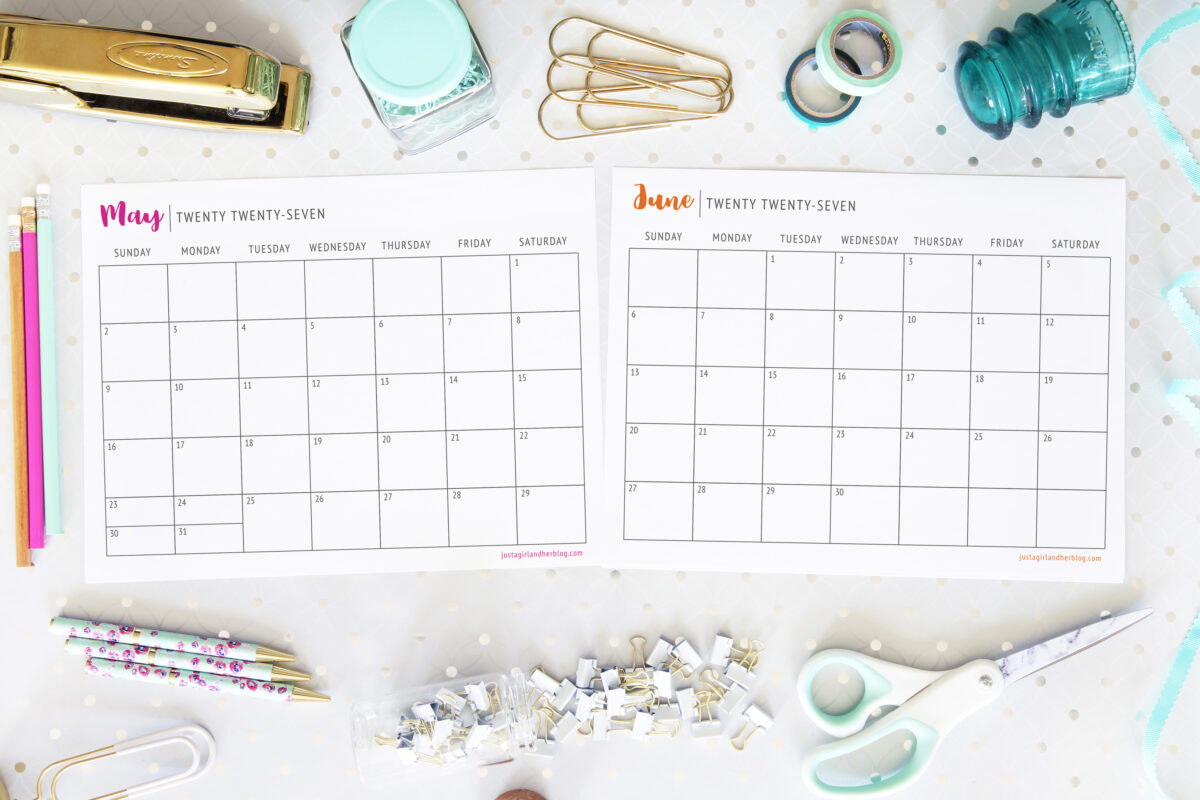
- Format Variety: The collection includes options for both vertical and horizontal layouts, catering to diverse aesthetic preferences and functional use cases (such as refrigerator displays, desktop pads, or three-ring binder insertions).
- Usage Versatility: Beyond standard appointments, users routinely repurpose these printable grids for meal planning, academic tracking, habit formation, content creation schedules, and fitness milestones.
"Calendar people are a dedicated community," notes Abby Lawson, creator of the widely followed organizing platform Just a Girl and Her Blog. "Every year around this time, the inbox fills with questions asking when the next year’s layouts will drop. This season, those requests started arriving in April. It speaks to a universal desire to get ahead of the chaos."
Chronology: The Evolution of Early-Bird Planning
The demand for physical calendar layouts has undergone a fascinating evolution over the last several decades, transitioning from traditional corporate giveaways to a vibrant consumer-driven design market.
- The Traditional Era (Late 20th Century): Commercial banks, local businesses, and insurance agencies traditionally distributed branded wall calendars during the November and December holiday periods as tokens of appreciation. Historical anecdotes from banking institutions reveal that clients would eagerly request these promotional tools as early as summer, often attempting to stockpile multiple copies for home, office, and family use.
- The Digital Transition (2010s): As smartphones and digital productivity applications took over personal scheduling, many analysts predicted the demise of paper planners. Instead, a hybrid model emerged. While digital apps managed real-time schedule changes, physical calendars experienced a renaissance as creative, distraction-free zones for goal setting and visual brainstorming.
- The Modern Micro-Season (2025–2026): In recent years, the timeline for releasing upcoming annual layouts has steadily accelerated. Creators and stationery brands have responded to audience demand by pushing release schedules forward from late autumn into the mid-summer months. The debut of the 2027 collection in mid-2026 marks the earliest widespread availability of such tools in the platform’s history.
Supporting Data: The Psychology of Paper Productivity
While the convenience of digital notifications is undeniable, behavioral studies and productivity metrics continue to underscore the cognitive benefits of tactile planning. According to organizational psychologists, physical writing engages different neural pathways than typing on a glass screen, enhancing memory retention and cognitive processing.
Why Printables Outperform Standard Notebooks
- The Big-Picture View: Unlike digital applications that often require scrolling through day- or week-view screens, a printed monthly grid provides an immediate, macro-level view of an entire month’s commitments.
- Reduced Digital Fatigue: With remote work and screen time at an all-time high, stepping away from devices to map out schedules on physical paper provides a necessary cognitive break.
- Customization and Creativity: The integration of stationery items—such as washi tape, color-coded pens, highlighters, and sticky notes—transforms basic scheduling into an engaging, creative ritual rather than a mechanical chore.
Data from consumer lifestyle trends indicate that structured organization tools directly correlate with lower reported stress levels. Individuals who utilize visual planning systems report feeling more in control of their personal time, better equipped to balance professional and domestic responsibilities, and significantly more likely to achieve long-term objectives.
Official Responses and Creator Insights
The release of free, high-accessibility organizational resources has drawn widespread praise from consumers seeking budget-friendly ways to manage their households. In an era where commercial planners can cost anywhere from $20 to $60, open-access printables democratize productivity.
"My ultimate hope in providing these simple printable calendars is to help people clear the mental clutter," explains Lawson. "It’s a remarkably simple tool, but sometimes the simplest tools are the most powerful. A little bit of organization can spark the exact motivation needed to get the ball rolling on goals you’ve put off for months."
Industry observers also note that the restriction of these files to personal use only protects original copyright holders (such as Twenty-Three Publishing, LLC) while allowing communities to freely share, pin, and bookmark the resources for future planning sessions. The integration of digital bookmarking platforms—such as Pinterest, where planning pins generate millions of impressions annually—has further accelerated the cross-platform sharing of these assets.
Implications: What the 2027 Calendar Trend Means for the Future
The early arrival and rapid adoption of the 2027 printable calendars carry several broader implications for consumer behavior, the stationery market, and the personal development sector.
1. The Blending of Digital and Analog Workflows
Rather than replacing one another, digital and paper systems are increasingly coexisting. Professionals and students alike are utilizing cloud calendars (like Google Calendar or Outlook) for real-time alerts, meetings, and collaborative events, while reserving printable monthly grids for high-level goal setting, habit tracking, and creative life-planning.

2. The Rise of "Micro-Productivity"
Consumers are no longer waiting for New Year’s Day to reset their habits. The shift toward mid-year planning indicates that people view personal organization as an ongoing, fluid process rather than an annual resolution. By making tools like the 2027 calendar available well in advance, creators empower users to run multi-year projections, financial forecasts, and long-term project timelines without arbitrary calendar constraints.
3. Economic Accessibility in Organization
As cost-of-living concerns impact household budgets globally, free digital downloads provide an economical alternative to premium retail stationery. Families can print out multiple copies for different household members—tracking kids’ school schedules, extracurricular activities, meal prep, and work deadlines—without incurring financial overhead.
Conclusion
As the digital landscape continues to evolve at a breakneck pace, the enduring appeal of a blank monthly grid printed on crisp paper highlights a fundamental human need: the desire for clarity, structure, and control over our time. With the early release of the Free Printable Calendar 2027, the planning community has once again proven that looking ahead is not just a logistical necessity, but a deeply satisfying creative ritual.
For those looking to transform their daily chaos into structured productivity, the tools are now readily available, inviting planners everywhere to pick up a pen, pin their layouts, and take the first step toward a well-organized future.