WASHINGTON — In an era dominated by digital notifications, endless app tabs, and screen fatigue, a counter-movement toward tactile, pen-and-paper planning continues to gain significant momentum. Addressing this growing demand for intentional organization, lifestyle bloggers and productivity experts have rolled out a comprehensive, highly anticipated suite of free printable calendars. Designed to accommodate diverse global planning habits, the newly released templates for 2027—alongside evergreen undated variants—offer households, students, and professionals a customizable roadmap for conquering their schedules.
The release comes at a time when organizational tools are more critical than ever. Whether managing remote work schedules, tracking academic milestones, or mapping out long-term personal goals, individuals are increasingly seeking out physical solutions that bridge the gap between digital overload and structured clarity.

Main Facts: What the 2027 Printable Calendar Collection Offers
The newly released collection is built around flexibility, ensuring that no matter how an individual prefers to visualize their month, a layout is available to match. Developed by organization expert Abby Lawson of Just a Girl and Her Blog, the rollout addresses specific user requests gathered over years of community feedback.
Key elements of the 2027 collection include:
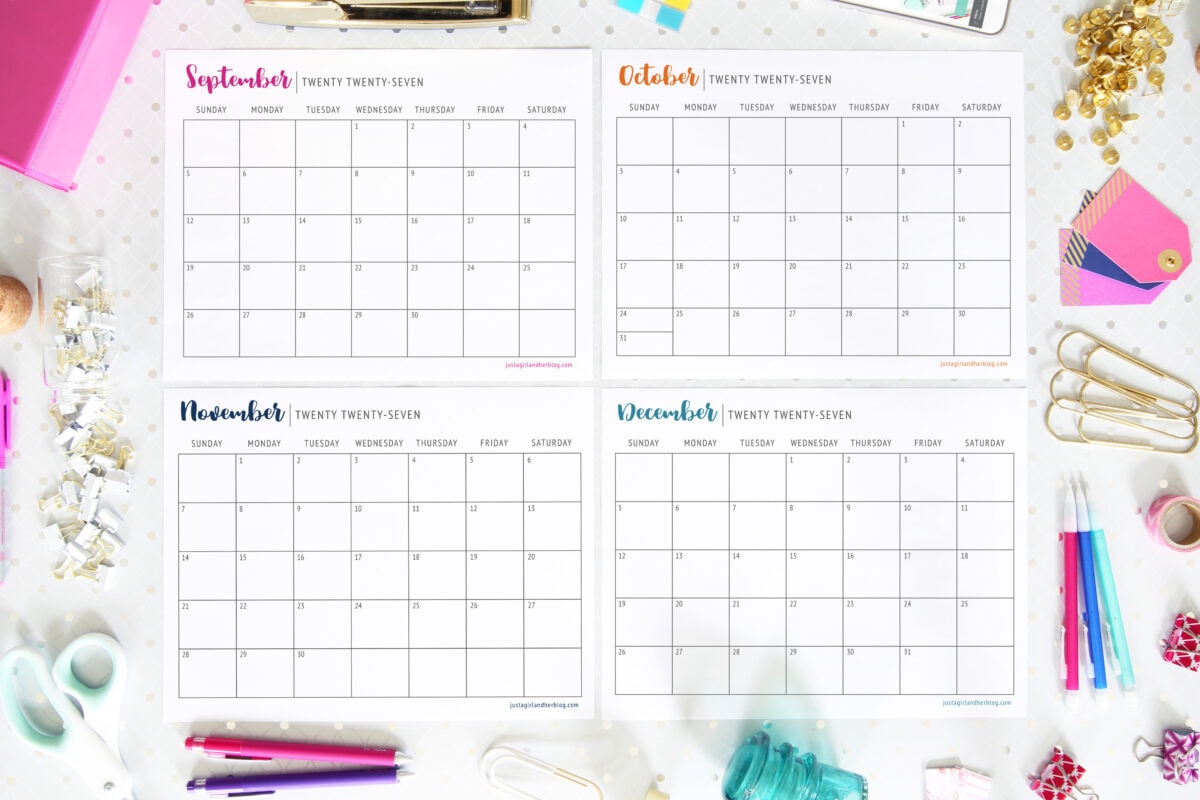
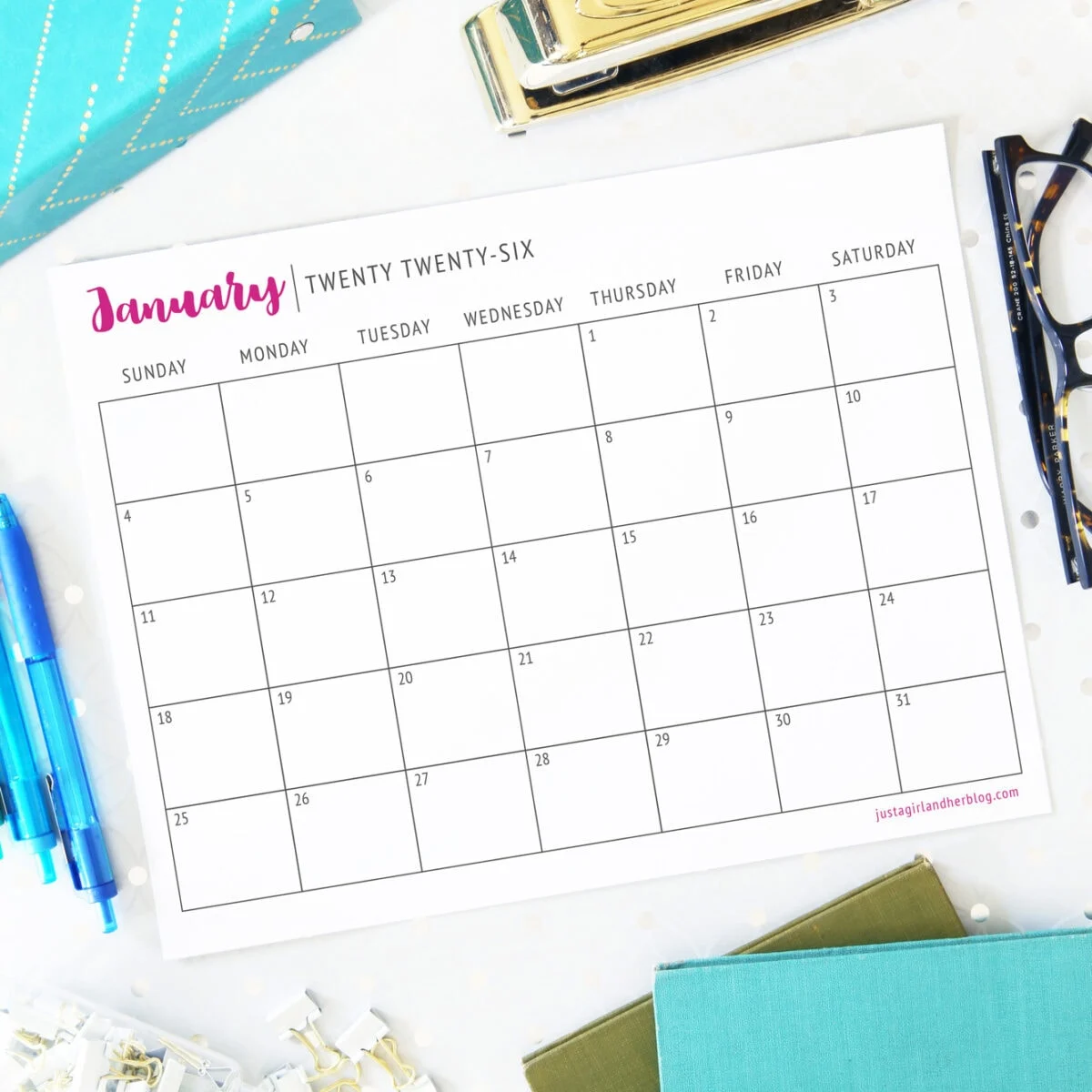
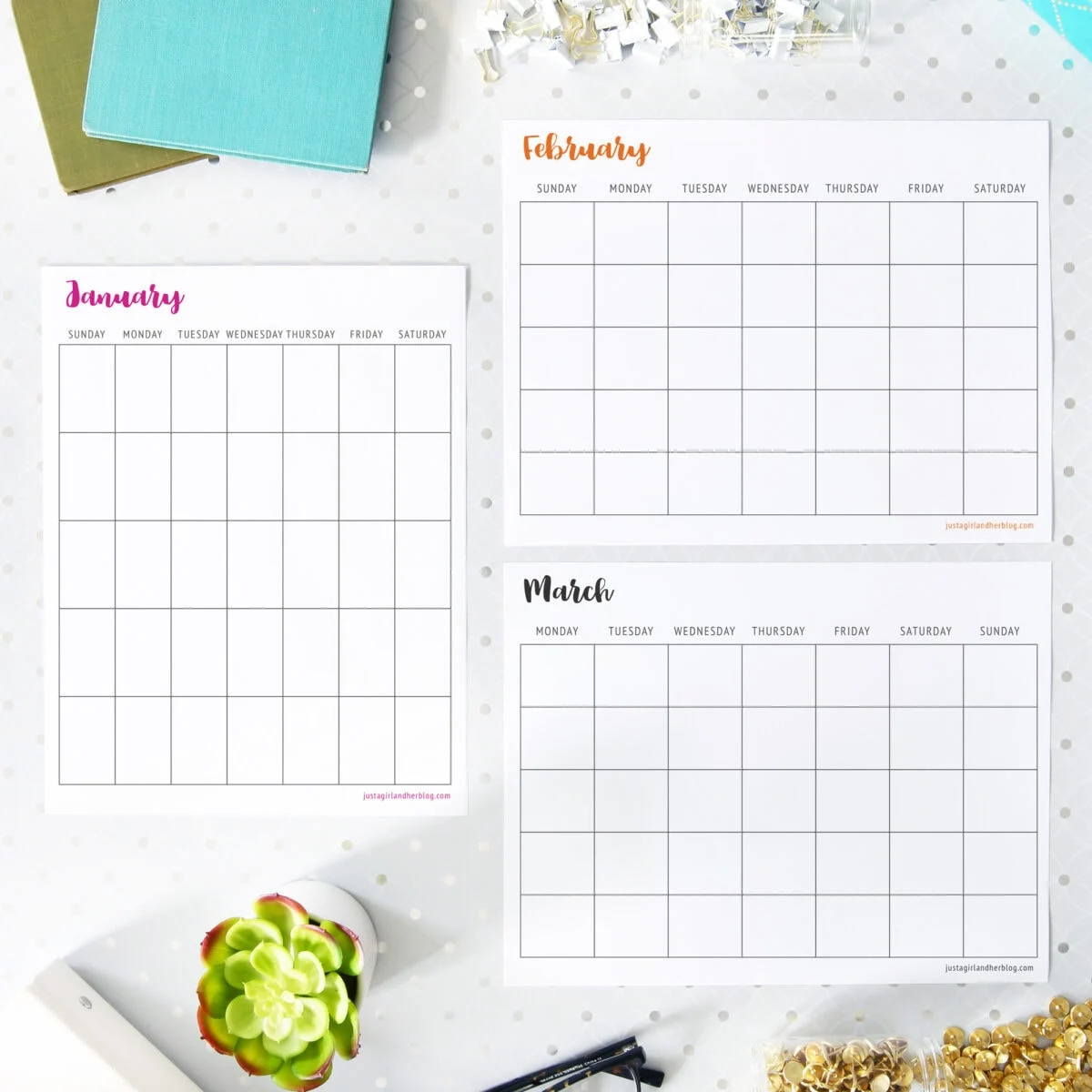
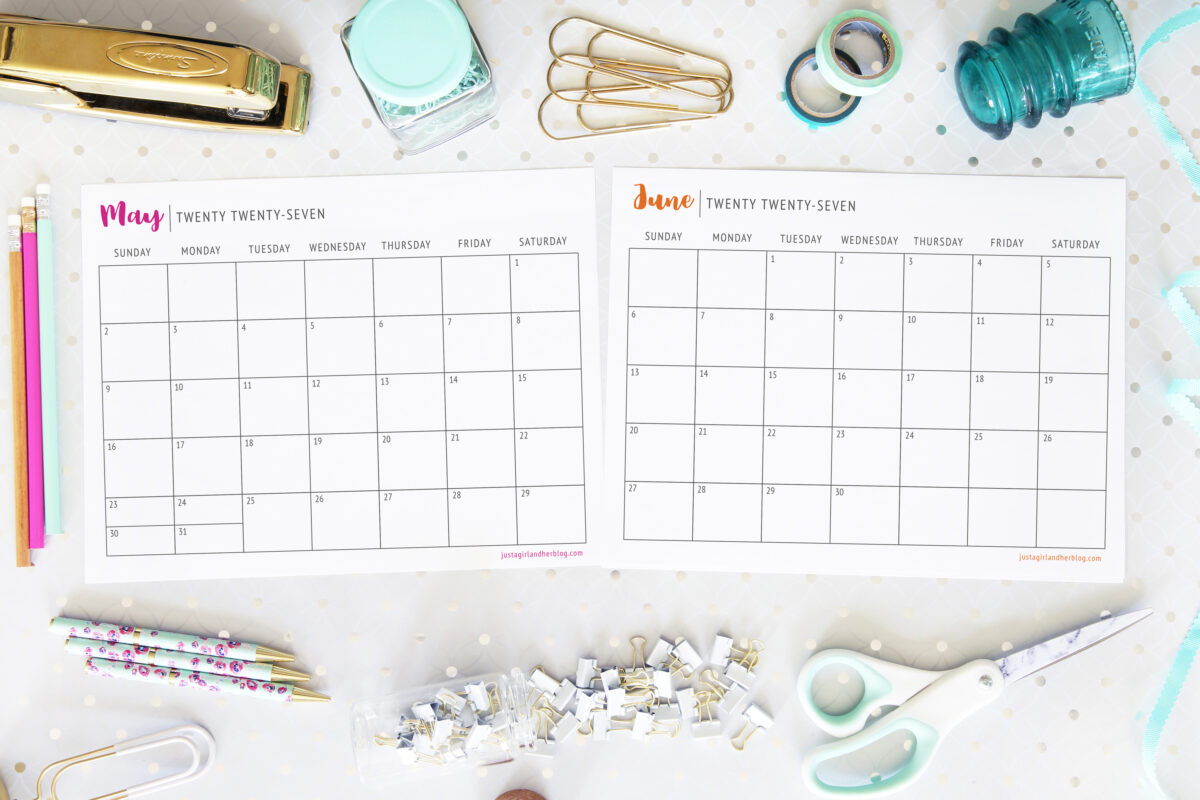
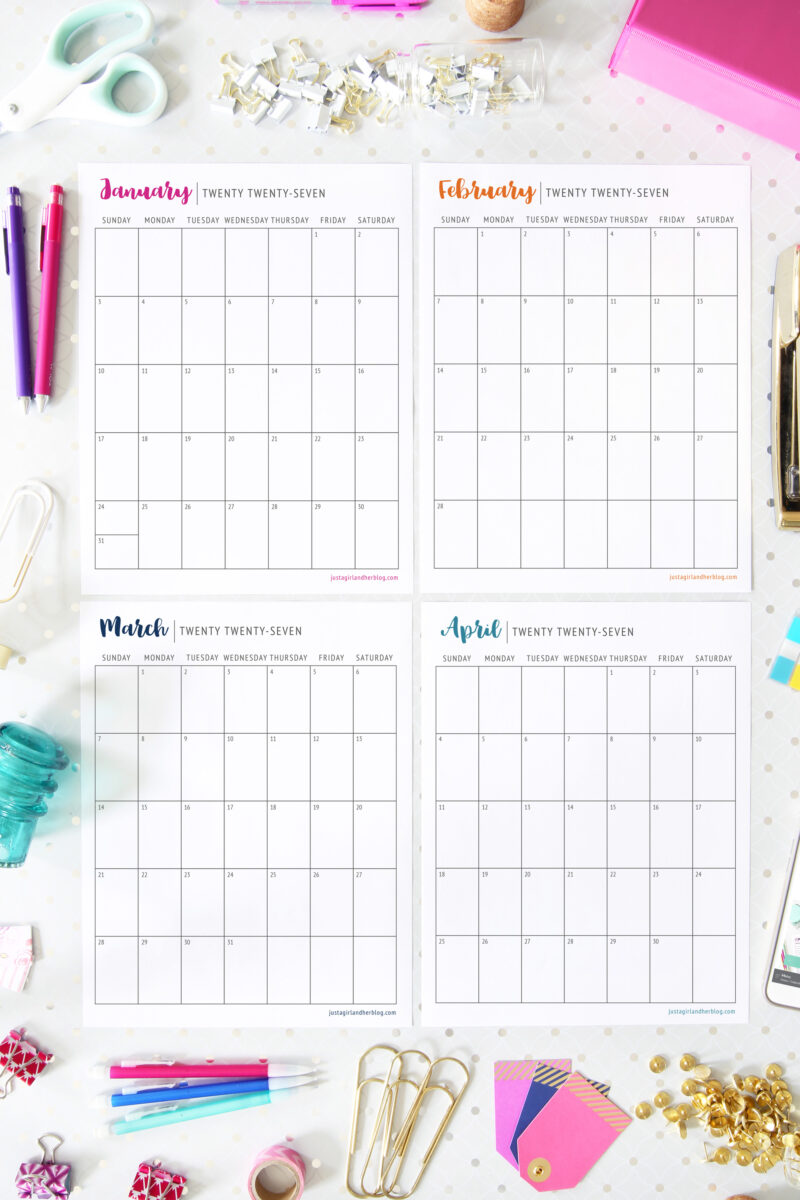
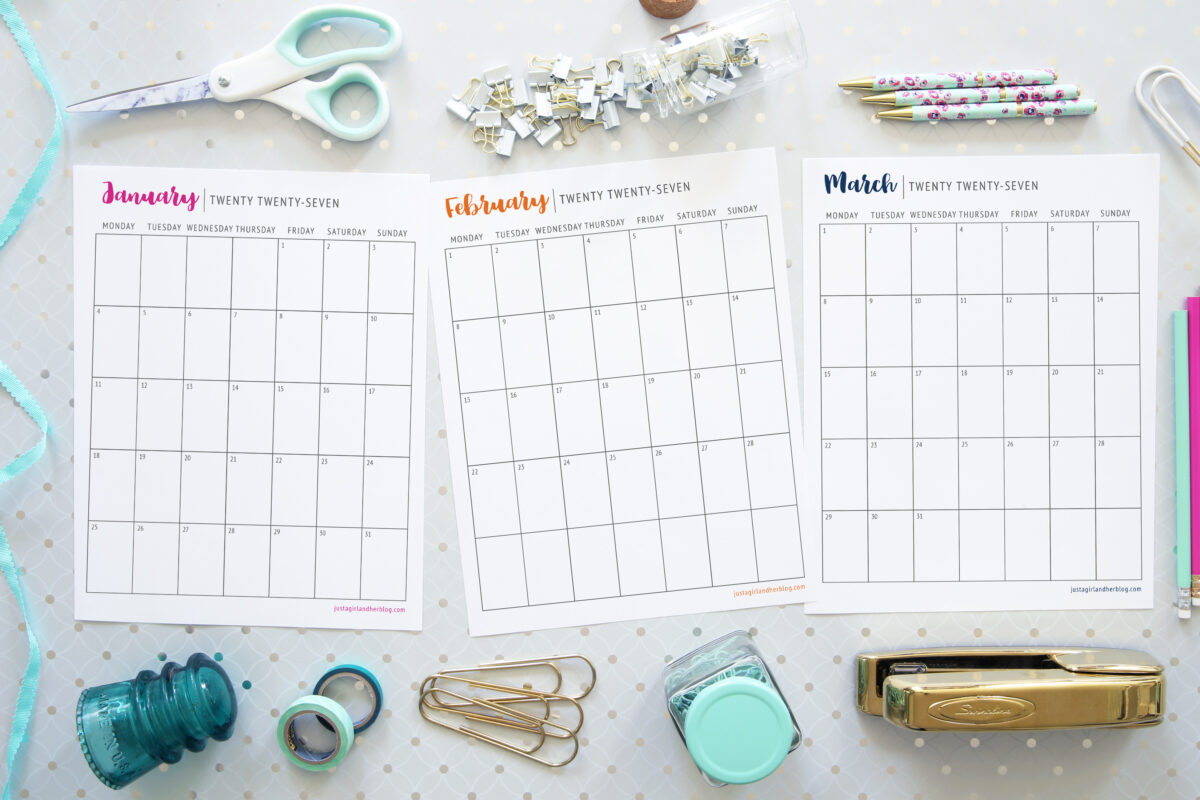
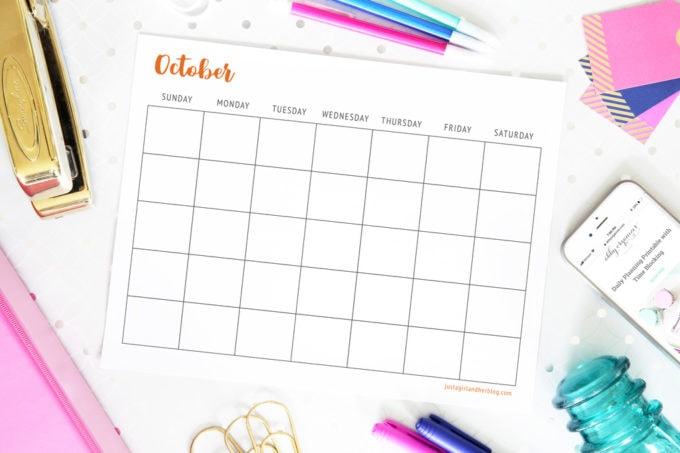
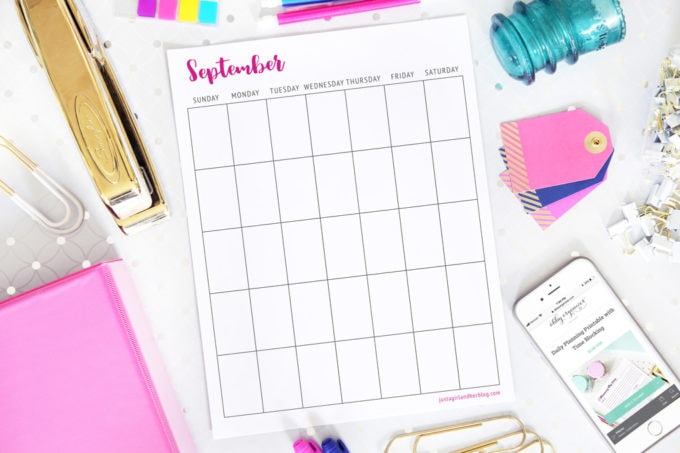
- Multiple Orientations: Users can choose between horizontal (landscape) layouts, which are ideal for desktop use or wall pinning, and vertical (portrait) layouts, designed specifically for seamless integration into 3-ring binders and planners.
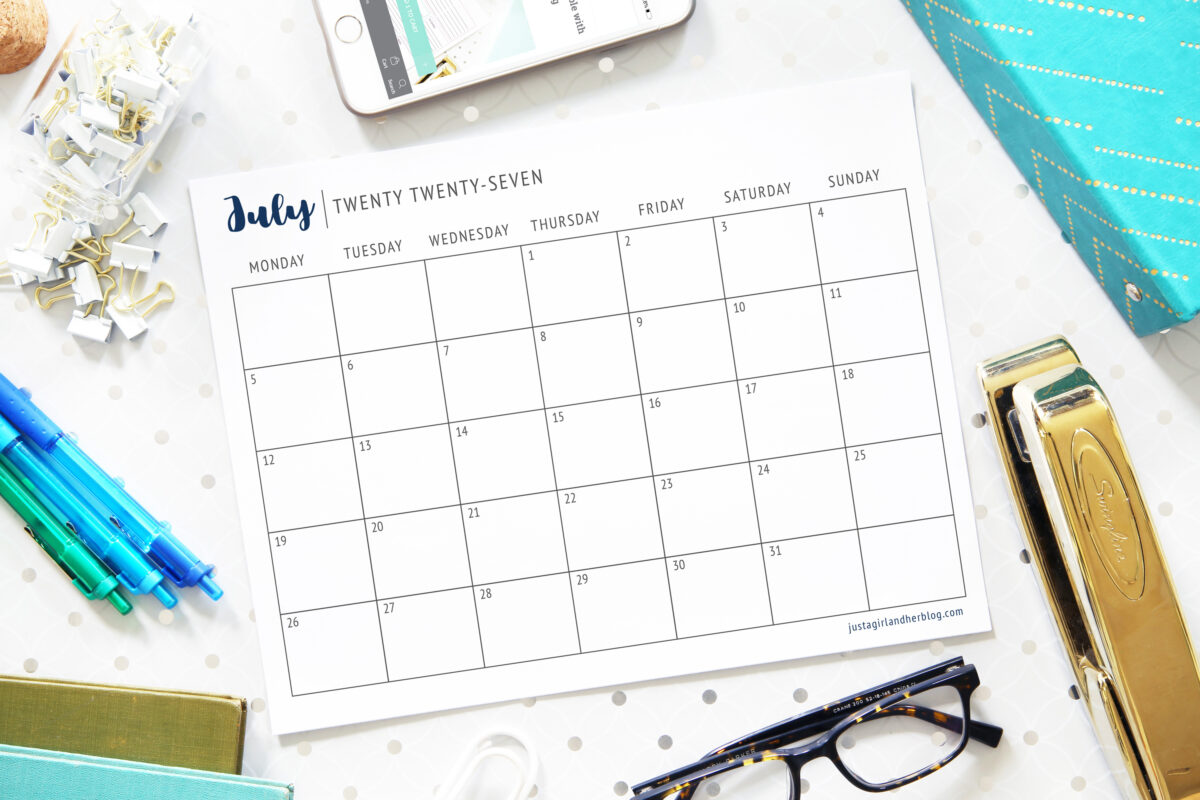
- Flexible Week Starts: Catering to both domestic and international preferences, the calendars feature options for both traditional Sunday starts (widely used in the United States) and Monday starts (standard across international business sectors, European school systems, and corporate environments).
- Undated Flexibility: For those wishing to plan far in advance, reuse templates across multiple years, or customize their layouts without strict date constraints, fully undated monthly variants are included in both orientations and start-day configurations.
- Accessibility: All templates are provided entirely free of charge for personal use, downloadable via high-resolution PDF formats designed for standard home printing.
Chronology: The Evolution of Printable Productivity Tools
The journey toward these comprehensive printable suites reflects a broader cultural shift in time management over the past decade:
- Pre-2019: The market for organization tools was heavily bifurcated. Consumers had to choose between expensive, rigid commercial planner books or basic, unappealing digital templates.
- 2019–2021: Recognizing a gap in the market for aesthetically pleasing, highly functional home organization tools, creators began offering foundational layout templates. The introduction of the first undated landscape and portrait grids allowed users to take creative control of their schedules.
- 2024–2025: As remote and hybrid work models stabilized, user demand shifted toward specialized formats. International requests surged for Monday-start calendars, while binder users voiced a strong preference for vertical orientations that eliminated the need to rotate planners.
- 2026–2027 (Current Release): Consolidating years of user feedback, publishers have released a unified library of eight core calendar types tailored specifically for the 2027 planning cycle, alongside legacy archives for previous years. This release represents the most comprehensive suite of free organizational printables to date.
Supporting Data: Why Tactile Planning Works
While digital calendars offer convenience, synchronization, and reminders, behavioral science and productivity data continue to support the psychological benefits of physical writing.
According to cognitive research regarding the generation effect, the physical act of writing down appointments and goals engages the brain’s reticular activating system (RAS) much more effectively than typing on a glass screen. This deeper cognitive processing aids in memory retention and emotional commitment to goals.
Furthermore, utilization data from productivity platforms indicates that:
- Goal Completion Rates: Individuals who break down macro-goals into micro-steps on a physical monthly calendar are up to 40% more likely to achieve them compared to those who rely solely on memory or unstructured digital alerts.
- Visual Reduction of Stress: Desktop landscape calendars allow users to see an entire month at a glance, providing a macro-level perspective that reduces cognitive overload during high-stress periods like tax season, the back-to-school rush, or corporate quarter-ends.
- Customization Preferences: Surveys among digital-age planners show that over 65% of remote workers utilize a hybrid system—maintaining high-level corporate schedules on digital apps while using printed, tactile calendars for personal projects, habit tracking, and family events.
Official Responses and Expert Insights
Productivity advocates and home organization specialists emphasize that the success of any planning tool lies in its simplicity and adaptability.
"Printable calendar pages are one of the organizing tools I use most often," notes productivity creator Abby Lawson in her release notes. "Keeping track of the schedule, setting goals, and planning events are just a few of the things you can do with these free printable calendars. When we plan in advance and break down our bigger goals into more manageable steps, we’re much more likely to succeed at what we set out to do."
Organizing experts frequently point out that rigidity is the number one reason people abandon planning systems. By offering both dated 2027 pages and flexible, undated layouts, the design philosophy acknowledges that human lives do not always fit into neat, pre-printed boxes.
Feedback from international communities has also driven design updates. "It is my understanding that outside of the United States, calendars typically start with Monday as the first day of the week," Lawson explained, highlighting the importance of the Monday-start variant for international students and professionals. "I wanted to make sure I provided that option for our international readers. I wouldn’t forget about you!"
Implications: The Future of Home Management and Goal Setting
The release of these free printable templates points toward a larger trend in consumer behavior: the democratization of design and organization. Rather than purchasing costly, pre-packaged annual planners that may contain unused sections, consumers increasingly prefer modular, on-demand organization.
Practical Applications for Users
- Family Command Centers: Landscape Sunday-start calendars are frequently mounted on refrigerators or corkboards to track family schedules, school breaks, and meal plans.
- Academic Success: Students utilize vertical Monday-start calendars to map out assignment deadlines, exam weeks, and extracurricular commitments in their binders.
- Small Business & Side Hustles: Undated vertical calendars provide ample space for entrepreneurs to track inventory, content creation schedules, and financial milestones.
For those looking to expand their organizational systems further, these calendar printables often integrate seamlessly into broader resource libraries—such as comprehensive home management binders, cleaning checklists, and weekly focus sheets.
Availability and Usage Guidelines
The complete library of 2027 monthly calendars (covering horizontal Sunday starts, vertical Sunday starts, horizontal Monday starts, and vertical Monday starts) alongside their undated counterparts is currently live and accessible for download.
Note: All printables provided through these official channels are intended strictly for personal use. They are protected under copyright by Twenty-Three Publishing, LLC, and may not be redistributed, altered, or sold commercially.
As individuals prepare to navigate the complexities of the upcoming year, these free tools offer a refreshing reminder that sometimes, the most effective technology for managing the future is simply a blank page, a good pen, and a clear plan.