By Pradershika Sharma | October 28, 2026
For years, DJI has been synonymous with the skies. As the undisputed leader in drone technology, the company’s name has become shorthand for cinematic aerial photography and reliable flight systems. However, in recent years, the tech giant has quietly pivoted toward solving a terrestrial problem: the need for reliable, high-capacity power in remote locations. Their latest entry into the market, the DJI Power 2000, represents a significant leap forward in portable energy solutions, positioning itself as a must-have tool for everyone from professional videographers to emergency preparedness enthusiasts.
Currently, for a limited time, the DJI Power 2000 is seeing a massive discount, dropping from its standard retail price of $1,299 to just $749.99. This $550 price cut makes it one of the most compelling deals in the portable power sector for late 2026.
The Evolution of Portable Energy: Main Facts
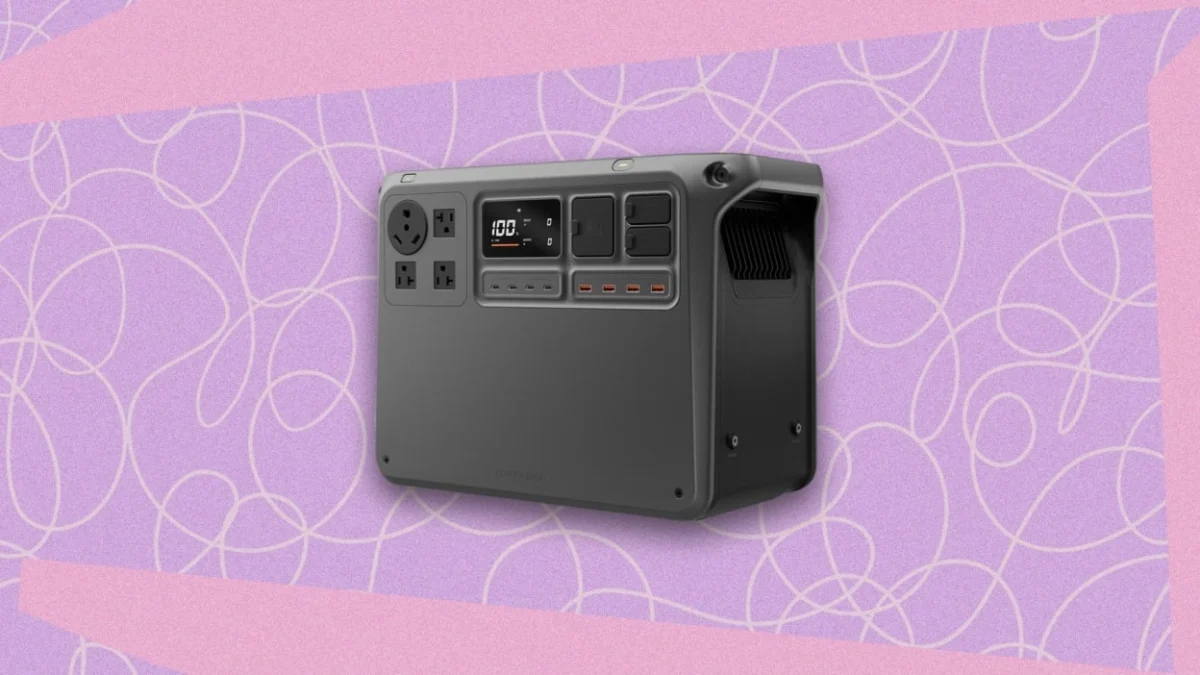
The DJI Power 2000 is not merely a battery; it is a comprehensive power management system. Designed to bridge the gap between heavy-duty industrial generators and consumer-grade power banks, the Power 2000 offers a 2,048Wh capacity housed in a chassis that is remarkably portable given its output.
At its core, the unit utilizes LiFePO4 (Lithium Iron Phosphate) battery chemistry, which is widely considered the gold standard for safety and longevity in the current energy market. Unlike traditional lithium-ion batteries that degrade significantly after a few hundred cycles, the Power 2000 is rated for 4,000 charge cycles before dropping to 70% of its original capacity. This means that if you were to cycle the battery once every single day, you would theoretically have over a decade of reliable use before the unit showed signs of significant wear.
Chronology: From Drones to Power Stations
DJI’s entry into the power market was not an overnight decision. It began as a logistical necessity for the company’s core user base. Professional drone operators often find themselves miles away from the nearest wall outlet, working in environments where downtime is not an option.
- Early 2024: DJI signaled a shift in strategy by exploring "Power" series accessories, initially focusing on fast-charging hubs for drone batteries.
- Late 2025: Following positive market feedback, the company launched its first full-scale portable power stations, emphasizing "Fast Recharge" technology.
- October 2026: The Power 2000 hits its current market maturity, coinciding with widespread availability and deep promotional discounts that signal a push for broader consumer adoption beyond the niche drone enthusiast crowd.
Supporting Data and Performance Metrics
The utility of a power station is defined by its output capacity and its ability to maintain that output under duress. The Power 2000 is designed for versatility. Weighing approximately 50 pounds and roughly the size of a standard carry-on suitcase, it is built for mobility.
Key Performance Benchmarks:
- Home Backup: In the event of a residential power outage, the 2,048Wh capacity can keep a standard energy-efficient refrigerator running for up to 40 hours.
- Mobile Computing: Digital nomads and field editors can charge a high-performance laptop roughly 18 times on a single charge.
- Entertainment/Utility: A standard portable projector can be powered for up to 18 hours, making it an ideal companion for off-grid cinema or construction site media playback.
- Recharge Speed: One of the standout features is its wall-charging capability. Using high-speed input, the unit can go from 0% to 100% in approximately 90 minutes, drastically outperforming many competitors that require several hours of downtime.
Connectivity and Ecosystem Integration
The "DJI ecosystem" is a significant selling point for this unit. Beyond standard AC outlets—of which there are three—the device features a 30-amp port designed for high-drain appliances and RV hookups. For the power user, the inclusion of multiple USB-C ports, including a 140W power delivery port, ensures that modern tablets and laptops charge at peak speeds.

Most notably, the unit includes proprietary SDC (Smart Direct Current) ports. These ports allow for ultra-fast, direct charging of specific DJI drone batteries, bypassing the need for an inverter and reducing energy loss. This synergy makes it the definitive choice for drone pilots who need to keep a fleet in the air for extended shoots.
Official Responses and Expert Consensus
While the manufacturer highlights the technical specs, independent reviews have provided a more nuanced look at the device. Mashable’s recent review praised the unit’s integration with drone gear, noting that the "seamless charging flow" between the station and the drone batteries creates a "frictionless field experience."
However, industry experts have pointed out one notable omission: the lack of a built-in LED light. While many competing brands, such as Jackery or EcoFlow, incorporate emergency lighting into the chassis of their power stations, DJI has opted for a minimalist design. This suggests the company views the Power 2000 as a precision tool for professional work rather than a general-purpose camping lantern. Users are advised to account for this by keeping a separate headlamp or lantern in their gear kit.
Implications for the Consumer Market
The current $749.99 price point has major implications for the broader market. By aggressively discounting the Power 2000, DJI is signaling a desire to capture market share from established power-station brands.
Who should consider this purchase?
- The Emergency Preparedness Planner: With climate-related power outages becoming more frequent, the Power 2000 offers a silent, fume-free alternative to gas generators.
- The Content Creator: For those filming on location, the ability to charge drone batteries, cameras, and laptops simultaneously is a massive efficiency boost.
- The Road-Tripper/Van-Lifer: The unit’s ability to accept solar input and car-charging makes it a flexible choice for long-term off-grid living.
Considerations Before You Buy:
While the deal is exceptional, consumers should weigh the weight-to-power ratio. At 50 pounds, it is manageable but not lightweight. If you require something for a weekend hiking trip, this is likely overkill. However, for those who travel by vehicle or need a stationary backup for a home or office, the weight is a fair trade-off for the massive capacity and the 4,000-cycle lifespan.
Conclusion: A Smart Investment
In a world that is increasingly dependent on high-drain electronics, the DJI Power 2000 offers peace of mind. Whether you are a professional photographer needing to keep your equipment running in the middle of the desert, or a homeowner preparing for the next storm, the reliability of a 2,048Wh battery is hard to overstate.
With the current $550 discount, the barrier to entry has never been lower. As always, deal pricing is subject to availability and can shift quickly. If you have been waiting for a reason to upgrade your off-grid power setup, this is likely the most competitive offer you will see for the remainder of 2026.
Note: This article contains affiliate links. Lifehacker may earn a commission from purchases made through these links. Always ensure that your specific appliances are compatible with the power station’s output limits before connecting them.