SANTA CLARA, Calif. — Just miles from the gleaming tech campuses and venture capital firms that put Silicon Valley on the global map, another local icon is fighting a much quieter, high-stakes battle for survival. It does not write software or manufacture microchips, but it possesses an engineering marvel of its own: the ability to endure months of blistering drought, appear completely dead, and spring back to lush life with the slightest touch of rain.
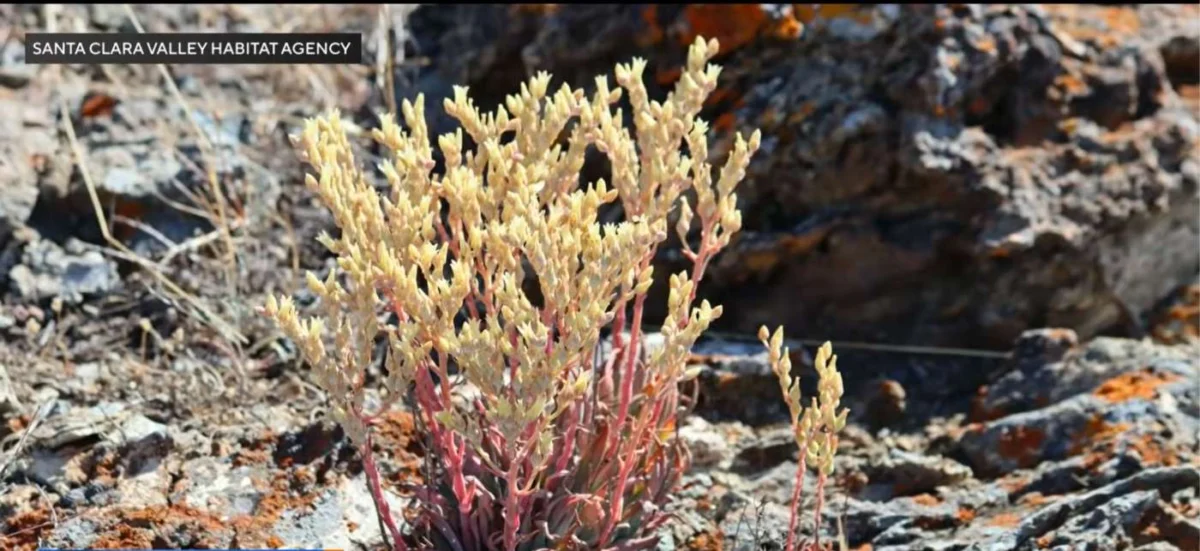
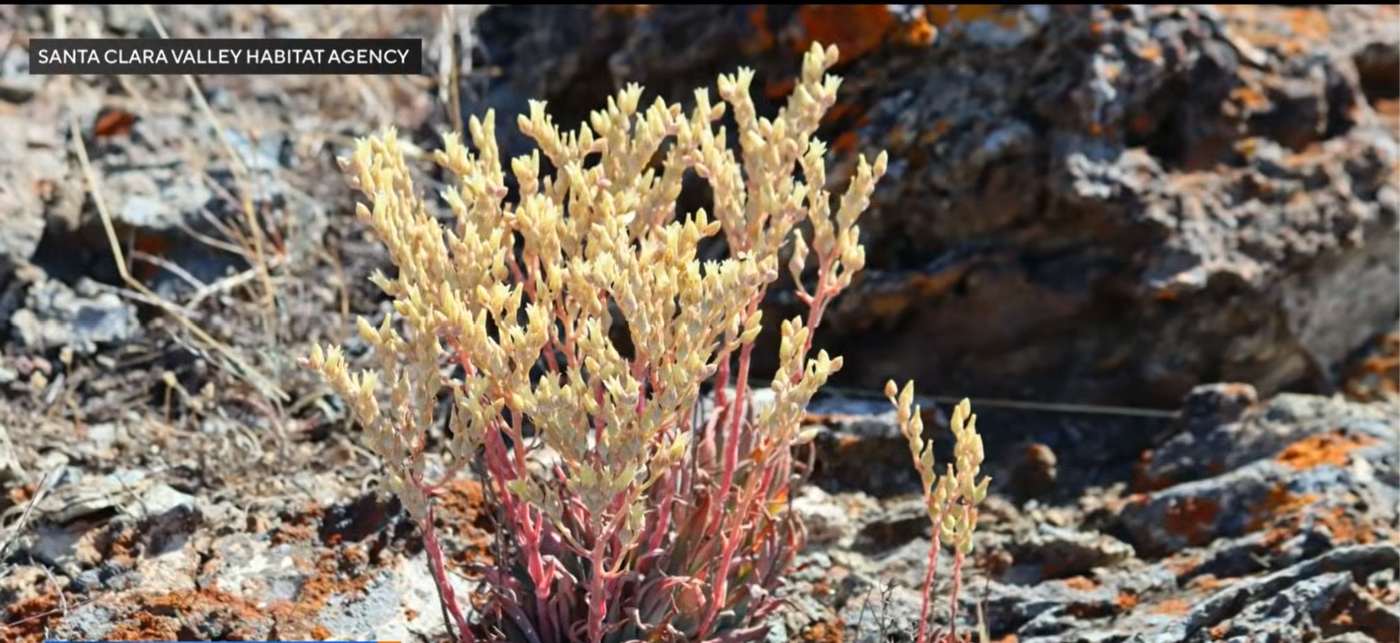
Known scientifically as Dudleya setchellii and colloquially as the Santa Clara Valley “liveforever,” this rare, flowering succulent is as unique to its native county as the tech industry that surrounds it. Found exclusively in the rugged serpentine soils of the
Coyote Valley region, the plant is a critical cornerstone of local biodiversity, acting as an essential food source for native pollinators.
However, the liveforever is facing an unprecedented convergence of threats. Plagued by climate change, aggressive habitat loss due to development, and a devastating underground black market of illegal plant poachers, the species has been pushed to the brink of federal endangerment.
Now, a dedicated coalition of scientists, horticulturists, and students at Santa Clara University is sparing no effort to rescue the succulent from the precipice of extinction. Through a combination of cutting-edge genetic research, captive breeding, wild monitoring, and a clever market-based disruption strategy, these researchers are ensuring that the plant truly lives up to its name.
Main Facts: Understanding the Santa Clara Valley Dudleya
To understand the urgency of the rescue mission, one must first understand the remarkable biology and precarious status of Dudleya setchellii.
The Santa Clara Valley liveforever is a perennial succulent characterized by tightly packed rosettes of fleshy, pale green leaves that store water to survive the harsh, dry summers of Northern California. When conditions become excessively dry, the plant enters a state of dormancy, appearing withered and lifeless for months. Yet, its resilient biology allows it to absorb even a meager pinch of rainfall, instantly plumping back up and erupting into bursts of delicate pale yellow flowers.
Despite this evolutionary resilience against natural elements, the liveforever is profoundly vulnerable to human pressures. Its restricted geographic range—confined almost entirely to the Coyote Valley region—makes every single population vital to the species’ overall survival.
The primary threats facing Dudleya setchellii include:
- Illegal Poaching: Dudleyas are heavily targeted by international and domestic plant poachers who strip wild specimens from protected lands to sell them on illicit black markets, particularly overseas where unique California succulents are in high demand.
- Habitat Loss & Fragmentation: Rapid urbanization and agricultural expansion around the southern San Francisco Bay Area have severely fragmented the plant’s historic range.
- Climate Change: Prolonged, severe droughts combined with erratic rainfall patterns disrupt the plant’s natural dormancy and flowering cycles, straining its ability to reproduce naturally.
Chronology of a Crisis and Conservation Response
The plight of the Santa Clara Valley liveforever is not a new discovery, but the strategies deployed to save it have evolved dramatically over recent years, shifting from passive observation to aggressive, multi-pronged intervention.
Phase 1: Recognition and Initial Alarm (Late 20th Century)
As Silicon Valley expanded rapidly through the latter half of the 20th century, botanists and local environmental agencies began noting steep declines in native flora within the Coyote Valley. Surveys confirmed that Dudleya setchellii was restricted to a handful of isolated pockets, leading to its eventual classification as a federally endangered species. Conservationists realized that without active intervention, the plant would succumb to encroaching development.
Phase 2: Academic Intervention and Genetic Mapping (2010s–Present)
Recognizing the escalating threat, Dr. Justen Whittall, a professor at Santa Clara University, mobilized a team of undergraduate researchers to tackle the problem from a genetic and ecological standpoint. Whittall and his students began collecting microscopic seeds from wild dudleya flowers. Instead of just planting them blindly, the team utilized advanced laboratory techniques to analyze the genetic diversity of various specimens. By identifying the most robust and genetically diverse plants, the lab successfully established protocols for breeding the succulents in captivity, creating a safe insurance policy against extinction in the wild.
Phase 3: Market Disruption and Horticultural Innovation (Recent Years)
While Whittall’s lab focused on DNA and reintroduction, fellow Santa Clara University colleague Professor Stephen McCabe approached the conservation crisis from an entirely different angle: economics. Recognizing that poachers are driven by the high market value and scarcity of wild, unique succulents, McCabe began hybridizing the plant into vibrant, commercially appealing horticultural varieties. By introducing these cultivated strains to commercial plant nurseries, conservationists hope to "flood the market," thereby undercutting the profitability of illegal poaching and satisfying consumer demand through legal, sustainable channels.
Supporting Data and Scientific Methodology
The work being conducted in the laboratories and greenhouses at Santa Clara University relies on rigorous scientific methodology to ensure that conservation efforts do more good than harm.
Genetic Diversity as an Insurance Policy
When conserving endangered plant populations, inbreeding depression is a major concern. If scientists breed only a few surviving wild specimens, the resulting offspring may lack the genetic adaptability to survive environmental shifts like disease outbreaks or extreme climate events.
Dr. Whittall’s lab addresses this by meticulously screening seeds collected from multiple wild subpopulations. By mapping genetic markers, the research team ensures that captive-bred generations maintain high levels of diversity. These healthy, lab-reared plants are then carefully reintroduced into secure, monitored natural habitats within their native range, bolstering shrinking wild populations.
Field Monitoring and Pollinator Research
Breeding plants in a lab is only half the battle; they must be able to survive and integrate into their native ecosystems. Whittall’s team routinely tracks known wild-growing specimens to observe how they interact with their environment.
Crucially, researchers are studying the plant’s infrequent flowering cycles to identify which specific native insects, bees, and butterflies rely on the liveforever for sustenance. Understanding these ecological relationships ensures that reintroduction sites possess the necessary support systems—such as active pollinator populations—to sustain the plants over the long term.
Official Responses and Perspectives
The fight to protect the Santa Clara Valley liveforever has united academic researchers, local conservation groups, and municipal authorities in a shared mission.
Dr. Justen Whittall summarized the overarching philosophy of the university’s conservation initiative in an interview with CBS News Bay Area:
"The minimum is to prevent the extinction of a species, and at best, we might even improve its current status."
This sentiment reflects a pragmatic yet ambitious shift in modern conservation biology. Rather than merely putting a species on life support, university researchers are actively engineering pathways for the plant to reclaim its footing in the wild.
In addition to scientific research, local conservation bodies—such as the Santa Clara Valley Habitat Agency—have ramped up physical protection measures for known wild habitats. Park rangers, land managers, and local law enforcement have increased surveillance in vulnerable areas to deter poachers, who often use specialized tools to pry the succulents from rocky cliffs and serpentine soils.
Furthermore, researchers are utilizing public outreach platforms to educate residents and gardening enthusiasts. A major pillar of their public awareness campaign is a direct plea to the community: Never purchase unverified wild-collected succulents, and never remove native plants from natural areas.
Broader Implications for Native Plant Conservation
The battle to save Dudleya setchellii holds significant implications not only for California horticulture, but for endangered plant conservation efforts globally.
A Blueprint for Combating Plant Poaching
Plant poaching is a multi-million-dollar illicit trade that frequently flies under the radar compared to animal trafficking, yet it devastates ecosystems worldwide. Professor Stephen McCabe’s "market flooding" strategy offers a brilliant economic deterrent that could serve as a blueprint for protecting other heavily poached flora, such as rare cacti, orchids, and cycads. By legalizing and commercializing legally propagated variations, conservationists can strip poachers of their economic incentive.
The Intersection of Tech and Ecology in Silicon Valley
There is a poetic irony—and a profound necessity—in Silicon Valley institutions dedicating high-tech research capabilities to protect low-tech, ancient life forms. As urban sprawl continues to press against natural borders, the preservation of endemic species like the liveforever reminds the region of its natural heritage.
By leveraging DNA sequencing, controlled greenhouse propagation, and market economics, Santa Clara University is demonstrating that human ingenuity, which so often disrupts natural habitats, can also be harnessed to repair them.
Ultimately, the collaborative efforts of Dr. Whittall, Professor Stephen McCabe, their dedicated students, and local environmental agencies are rewriting the future for a species that nearly slipped away unnoticed. Through rigorous science and community vigilance, they are making certain that the aptly named liveforever truly lives up to its legacy for generations to come.