QINGHAI PROVINCE — In the high-altitude landscapes of western China, where the wind sweeps endlessly across the high plateau and the sun beats down with relentless intensity, a quiet revolution in green technology has just gone live.
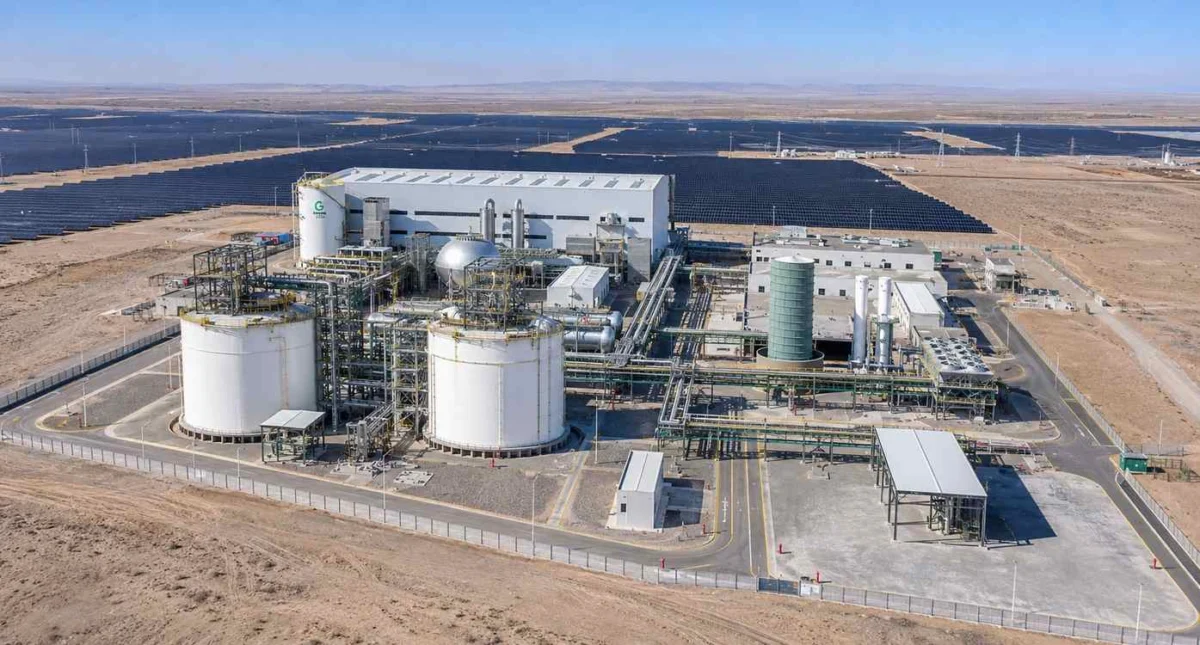
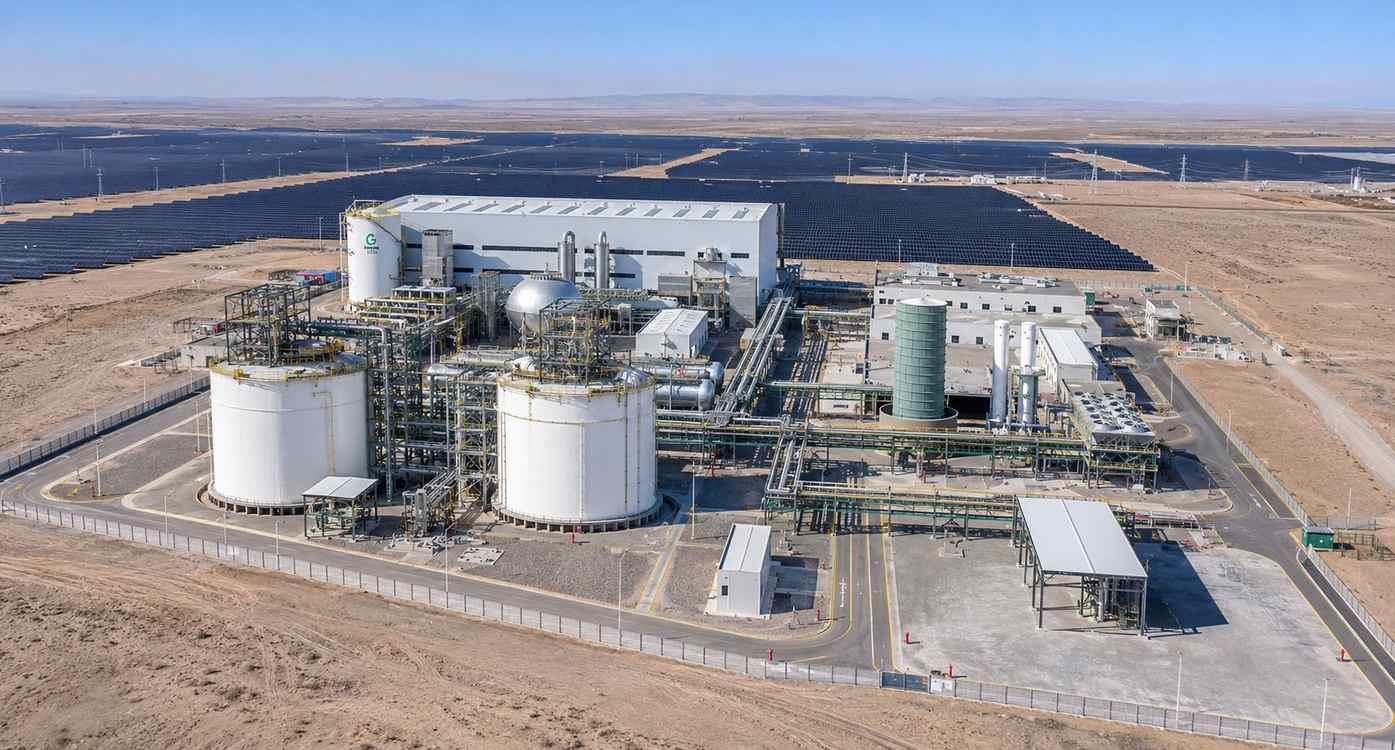
The world’s largest grid-connected Liquid Air Energy Storage (LAES) facility is officially operational in Qinghai Province. Developed by the state-owned China Green Development Investment Group (CGDG) in partnership with the Technical Institute of Physics and Chemistry at the Chinese Academy of Sciences (CAS), the massive installation represents a monumental leap forward in addressing the Achilles’ heel of renewable energy: storage.
As nations globally race to phase out fossil fuels, the intermittent nature of wind and solar power has long presented a formidable engineering challenge. When the sun sets or the wind dies down, power grids require reliable, heavy-duty backups. While chemical lithium-ion batteries have dominated the short-duration storage market, they remain expensive and resource-intensive at a multi-gigawatt scale.
Enter liquid air—a novel, cost-effective, and environmentally sustainable alternative that promises to redefine how major power grids handle green energy storage.
Main Facts: The Qinghai 60MW/600MWh Facility
The newly commissioned Qinghai facility is a marvel of thermodynamic engineering, establishing new benchmarks for capacity and output in the long-duration energy storage (LDES) sector.
- Rated Power and Capacity: The plant boasts a rated power output of 60 megawatts (MW) and a staggering energy storage capacity of 600 megawatt-hours (MWh).
- Duration: When called upon, the facility can provide a continuous, stable power supply to the regional grid for 10 hours straight.
- Integrated Generation: The project was built alongside its own dedicated 250MW solar farm, ensuring a localized, direct green energy supply to fuel the liquefaction process.
- Geographical Advantage: Situated within Qinghai Province—which encompasses parts of the rugged Tibetan Plateau and sprawling, windswept grasslands—the plant is ideally located to harvest immense volumes of solar and wind generation.
The Technology: How Liquid Air Energy Storage Works
To understand the engineering achievement behind the Qinghai plant, one must look at how LAES captures and releases energy. The system relies on fundamental thermodynamics, utilizing ordinary ambient air as its primary medium.
1. Compression and Liquefaction (Charging)
When regional renewable energy generation peaks and electricity is abundant and cheap, the LAES system draws in ambient air from the atmosphere. Industrial compressors pressurize this air, which generates immense heat. Instead of wasting this thermal energy, advanced heat exchangers capture and store it.
The pressurized air is then subjected to extreme cold, plunging to approximately -190°C (-310°F). At this cryogenic temperature, the air condenses into a liquid. Just as liquefied natural gas (LNG) takes up a fraction of the space of gaseous fuel, liquid air occupies a dramatically smaller footprint than standard atmospheric air, allowing it to be easily stored in large, highly insulated cryogenic tanks.
2. Expansion and Power Generation (Discharging)
When the sun goes down, the wind subsides, and power demand on the grid spikes, the stored liquid air is pumped to high pressures and routed back through the thermal management system.
The previously captured waste heat is reintroduced to warm the liquid air. As it warms, it rapidly vaporizes and expands back into a gas with explosive force. This high-pressure, rapidly expanding gas is directed through a specialized turbine connected to an electrical generator, pumping clean electricity back into the grid.
3. Thermal Recycling
The genius of the LAES system lies in its closed-loop thermal efficiency. By capturing the heat generated during compression and storing the cold produced during expansion, the system recycles its own thermal energy. This minimizes external energy consumption, curbs environmental disruption, and yields a remarkably high round-trip efficiency for a mechanical storage medium.
Chronology: The Road to Commercial-Scale LAES
The realization of grid-scale liquid air energy storage has been decades in the making, evolving from theoretical physics concepts into heavy industrial reality.
- Early Theoretical Frameworks (Late 20th to Early 21st Century): While cryogenic storage concepts were studied for decades, commercial interest surged as global renewable penetration exposed the vulnerabilities of electrical grids. Pioneering companies like Highview Power in the UK began developing early pilot projects to test cryogenic energy storage viability.
- The Research Phase in China: Recognizing the need for non-lithium storage solutions—particularly for heavy industry and remote regions—the Chinese Academy of Sciences heavily invested in R&D, focusing on optimizing the round-trip efficiency of liquid air systems.
- Construction and Commissioning (2024–2026): CGDG broke ground on the Qinghai project with an eye toward solving regional curtailment issues. By late 2026, the facility successfully cleared grid integration tests, officially taking the crown as the largest operational LAES installation on earth.
Supporting Data and Financial Viability
As global energy markets grapple with inflation and supply chain bottlenecks for critical minerals like lithium, cobalt, and nickel, financial analysts are closely evaluating alternative storage chemistries.
According to reports from prominent financial analyst and asset management firm Lazard, liquid air energy storage presents a staggering cost advantage over traditional lithium-ion battery installations when deployed at long durations (8 to 10+ hours). Cost comparisons indicate that LAES systems can cost as low as 33 cents on the dollar relative to equivalent lithium-ion setups, dramatically lowering the capital expenditure required for long-duration grid stabilization.
Furthermore, the Qinghai project outpaces international competitors. It boasts roughly 20% more capacity than the premier commercial-scale LAES project slated for the United States. That American project—led by Highview Power and Encore Renewable Energy in northern Vermont’s Sheffield-Highgate Export Interface—was designed to offer 400MWh of capacity over an 8-hour discharge window to ease localized grid congestion. Yet, China’s Qinghai facility has leapfrogged these Western milestones, demonstrating rapid execution and scaling capabilities.
Official Responses and Expert Perspectives
Energy economists and industrial leaders have hailed the launch of the Qinghai facility as a watershed moment for the global energy transition.
Dr. Chen Wei, a senior researcher specializing in thermal energy storage systems, noted during the inauguration ceremony: "Liquid air energy storage solves the fundamental triad of modern energy policy: it is safe, it utilizes abundant raw materials—literally the air we breathe—and it scales gracefully to multi-gigawatt levels without relying on scarce rare-earth minerals."
International observers have likewise commended China’s holistic approach to green infrastructure. Rather than treating energy storage as an afterthought, Chinese policymakers have mandated that massive renewable generation bases in remote provinces like Qinghai, Gansu, and Xinjiang be paired with dedicated, robust storage facilities to prevent energy "curtailment"—the wasteful practice of shutting down wind turbines and solar panels when local grids cannot absorb their output.
Global Implications: A New Era for LGRID-Scale Storage
The implications of the Qinghai LAES plant extend far beyond China’s borders.
1. Diversifying Beyond Lithium
While lithium-ion batteries are peerless for electric vehicles and short-duration (1 to 4 hours) frequency regulation, they face severe degradation issues over decades of deep-cycling and present significant fire risks when scaled to massive industrial footprints. Cryogenic air storage utilizes inert materials (predominantly steel, concrete, and air), featuring an operational lifespan that easily spans decades with minimal degradation. Furthermore, decommissioning an LAES plant poses virtually none of the toxic chemical waste challenges associated with spent lithium batteries.
2. Unlocking Remote Renewable Hubs
Many of the world’s best renewable energy resources are located thousands of miles away from major urban centers. By proving that cryogenic storage can reliably anchor a major regional grid with 10-hour duration reserves, Qinghai has provided a blueprint for developing the world’s most extreme environments—from the Gobi Desert to the American Southwest and the Australian Outback.
3. Economic Competitiveness
If Lazard’s financial projections hold true across broader manufacturing sectors, LAES could democratize long-duration storage for developing nations. Because air is universally free and the primary structural requirements are standard pressure vessels and cryogenic machinery, countries do not need to rely on complex mining supply chains to secure their energy futures.
As the Qinghai facility begins its routine commercial operations, engineers and policymakers worldwide will be watching closely. If this giant lung of liquid air performs as expected, it may well inspire a global breath of fresh air for the renewable energy transition.