MARSHALL ISLANDS — In an era marked by relentless environmental degradation, industrial overfishing, and the encroaching shadow of climate change, a beacon of hope has emerged from the vast, sapphire expanse of the Pacific Ocean. Scientists publishing in the Frontiers in Marine Science journal have unveiled the discovery of some of the very last wild, healthy, and entirely unblemished ecosystems left on Earth.
Nestled in the remote northern reaches of the Marshall Islands, far removed from the polluting fingerprints of modern industrial society, lie the pristine coral atolls of Bikar and Bokak. Teeming with vibrant marine life, dense seabird colonies, and untouched native vegetation, these isolated islands offer a breathtaking glimpse into a primordial world. More importantly, they provide scientists with an invaluable baseline—a living blueprint of what healthy oceanic ecosystems looked like before the dawn of the Anthropocene.
Recognizing the monumental ecological value of these sanctuaries, the Marshall Islands government has taken decisive action, officially designating an astonishing 18,500 square miles surrounding the atolls as the nation’s very first National Marine Sanctuary. This landmark decision not only safeguards a priceless ecological treasure trove but also highlights the enduring power of Indigenous stewardship in preserving global biodiversity.
Main Facts: A Glimpse Into Eden
The newly established National Marine Sanctuary encompasses roughly 18,500 square miles of protected ocean, anchored by the remote coral atolls of Bikar and Bokak. Situated roughly midway between Hawaii and the Philippines, these northernmost atolls of the Marshall Islands are remarkably isolated. Bikar sits approximately 72 miles from the nearest inhabited landmass, while Bokak is even more remote, lying some 239 miles away.
This profound geographic isolation has acted as a natural moat against human disruption. Unlike the vast majority of the world’s coral reefs, which suffer from coral bleaching, coastal runoff, and overfishing, Bikar and Bokak remain remarkably intact. During comprehensive ecological surveys, researchers cataloged an extraordinary abundance of life:
- Avian Abundance: Over a dozen thriving, breeding seabird colonies utilizing the mature native vegetation.
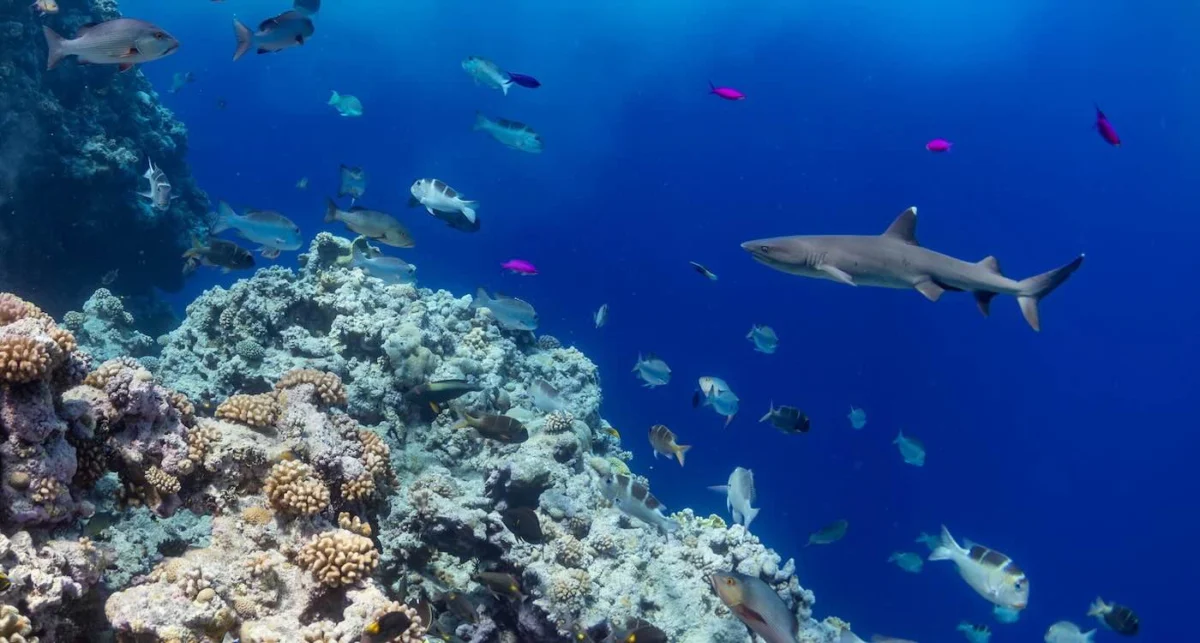
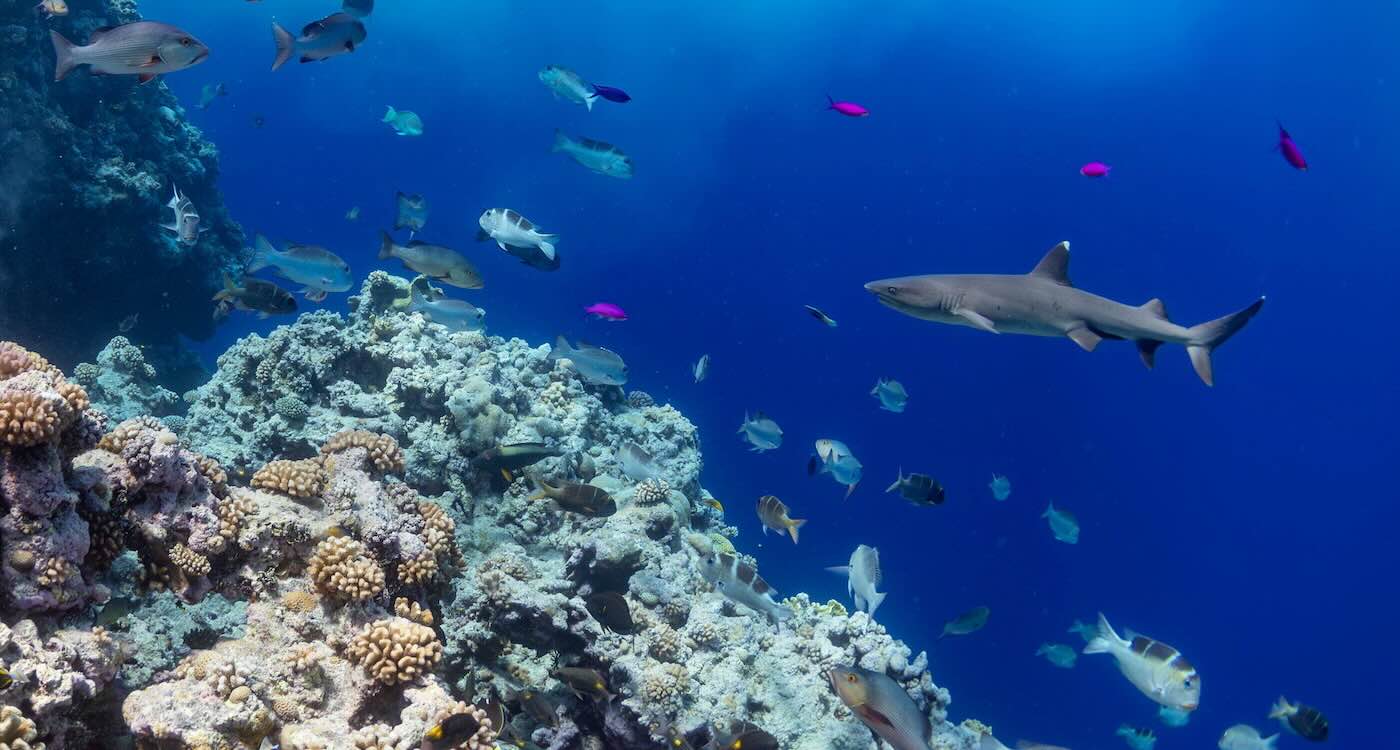
- Marine Biodiversity: Documented counts included 266 groups of reef fish, 79 distinct groups of deep-sea fishes, and 15 groups of apex open-water predators, including robust populations of sharks, jacks, and wahoo.
- Hidden Discoveries: The surveys revealed 14 animal groups never before recorded in the Marshall Islands, alongside two potential new species entirely unknown to science.
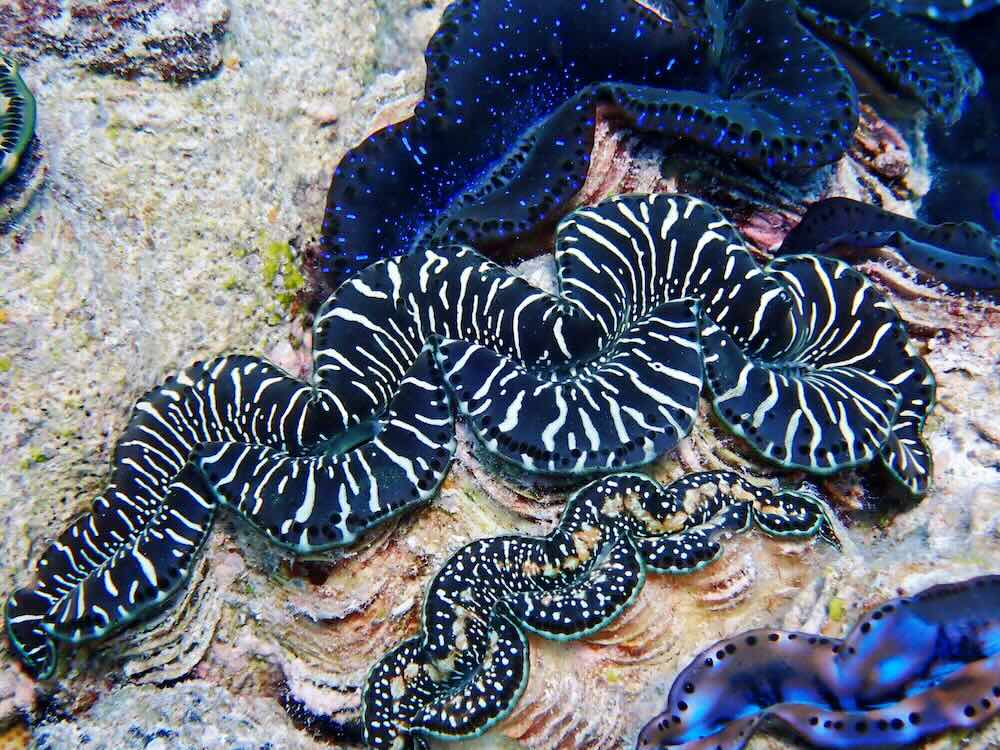
- Mega-fauna: Active, undisturbed green sea turtle nesting grounds and flourishing populations of giant clams.
Chronology: The Journey to Discovery and Protection
The path to securing legal protection for Bikar and Bokak is a story rooted in decades of vigilant traditional guardianship, culminating in modern scientific exploration and rapid legislative action.
Decades of Traditional Guardianship
For generations, the fragile ecosystems of Bikar and Bokak have been watched over by the community of Utirik Atoll. Long before marine biologists set foot on these shores with scuba gear and submersibles, traditional resource managers enforced strict customary practices, treating the northern atolls with profound reverence and limiting human access to maintain ecological balance.
The 2023 Scientific Expedition
Recognizing the potential ecological significance of the northern atolls, an international team of researchers—led by marine ecologists and supported by conservation organizations—launched a comprehensive, multi-faceted scientific expedition in 2023.
Utilizing a diverse array of modern technology, the research team conducted exhaustive monitoring campaigns:
- Land, Sea, and Sky: Scientists assessed terrestrial vegetation, shorebird populations, and marine habitats simultaneously.
- Deep-Water Exploration: Beyond traditional scuba diving and underwater video mapping, the team deployed deep-sea cameras and manned submersibles to survey the mysterious, poorly understood abyssal communities surrounding the atolls.
- Faunal Assessments: Researchers meticulously tracked turtle nesting behaviors, coral reef health, and fish assemblages to establish a comprehensive ecological census.
The 2025–2026 Legislative Milestone
Armed with the undeniable empirical data gathered during the 2023 expeditions, researchers and local stakeholders presented their findings to the Marshall Islands government. Recognizing the once-in-a-generation opportunity to protect a global biodiversity hotspot, lawmakers moved swiftly. Just two years after the initial comprehensive assessments were completed, the government officially established the 18,500-square-mile National Marine Sanctuary, cementing the nation’s commitment to global ocean conservation.
Supporting Data: Quantifying Pristine Biodiversity
The empirical data collected from Bikar and Bokak provide a stark contrast to contemporary marine ecosystems degraded by human activity. By analyzing these numbers, scientists can better understand the biological composition of a fully functioning marine trophic web.
| Ecological Metric | Data Point / Observation | Significance |
|---|---|---|
| Sanctuary Size | 18,500 square miles | One of the largest cohesive national marine protections in the region. |
| Geographic Isolation | 72 miles (Bikar) to 239 miles (Bokak) from inhabited areas | Acts as a natural buffer against local human pressures and pollution. |
| Fish Assemblages | 266 reef fish groups; 79 deep-sea groups | Demonstrates exceptional species richness across shallow and deep marine zones. |
| Apex Predators | 15 open-water predator groups (sharks, jacks, wahoo) | Indicates a healthy, top-heavy trophic pyramid characteristic of unexploited waters. |
| New Discoveries | 14 unrecorded groups in the region; 2 potential new species | Highlights the deep-sea and remote reef frontiers still left to explore. |
Dr. Alan Friedlander, a marine ecologist at the University of Hawaiʻi and lead author of the study, emphasized the sheer scale of biological wealth uncovered during the surveys. "These atolls have extensive seabird colonies, mature native vegetation, active turtle nesting, high fish numbers with large predators… and surprisingly diverse and poorly-known deep-sea communities," Dr. Friedlander noted.
Official Responses and Indigenous Stewardship
The success of the Bikar and Bokak designation is a testament to the powerful synergy between traditional Indigenous conservation ethics and modern marine science.
Dr. Friedlander was quick to credit the traditional custodians of the islands. "Bikar and Bokak are not just treasures for the Marshall Islands but for the entire planet, a gift from the community of Utirik Atoll, which has traditionally and vigilantly safeguarded these fragile ecosystems for decades," he stated.
Leaders in the Marshall Islands government have likewise been lauded by the international scientific community for their proactive governance. Conservationists point out that in an era where many island nations are overwhelmed by the immediate economic pressures of commercial fishing and resource extraction, the Marshall Islands leadership demonstrated remarkable long-term vision.
"The Marshall Island government should be applauded for their foresight in protecting these global biodiversity hotspots, where human activity is distant and habitats teem with life," added Dr. Friedlander. By placing legal boundaries around these vast oceanic tracts, the government has ensured that these living laboratories remain safe from industrial exploitation.
Implications: A Global Ecological Reference System
Beyond the immediate victories of local conservation, the discovery and protection of Bikar and Bokak carry profound implications for global environmental science.
For decades, marine biologists have struggled to accurately model what healthy coral reef systems look like in the absolute absence of human stressors. Because virtually every marine environment on Earth has experienced some degree of overfishing, climate warming, or chemical pollution, scientists have largely had to rely on fragmented data and theoretical models.
Bikar and Bokak change this paradigm entirely. Because these atolls have experienced minimal human interference, they serve as pristine ecological reference systems.
"They are among the best ecological reference systems we have to better understand what we have lost elsewhere and to provide fundamental insights needed for effective conservation and restoration efforts," the research team wrote in their published study.
As global climate change continues to stress coral reefs worldwide, the insights gleaned from the deep-sea cameras, submarine dives, and reef surveys at Bikar and Bokak will be instrumental. By understanding how these resilient, unblemished ecosystems function naturally, conservationists can design more effective, targeted restoration strategies for degraded reefs around the globe.
Ultimately, the sanctuary stands as a living testament to resilience. It reminds the global community that while much of the natural world has been altered by human hands, pockets of untamed wilderness still endure—waiting to be protected, studied, and cherished for generations to come.