Ten years after the modest debut of Warcher Defenders, the Mexican indie studio Ogre Pixel is set to redefine its legacy. The studio’s latest project, Castlebound, marks a significant departure from the retro-pixel aesthetic that defined their early success, opting instead for a striking, storybook-inspired visual identity. As the studio prepares for the game’s launch on November 12, the project stands as a testament to a decade of growth, technical experimentation, and a commitment to refining the "defend-the-castle" subgenre for a modern, cooperative audience.
The Genesis: A Decade of Evolution
In the landscape of independent game development, ten years is an eternity. When Ogre Pixel first launched Warcher Defenders, the mobile gaming market was defined by bite-sized, high-score-chasing experiences. Warcher Defenders was exactly that: a tiny, pixel-art action RPG focused on holding a line against relentless waves of enemies.
While the core concept of Castlebound is rooted in the DNA of its predecessor, the transition from mobile to PC and consoles has necessitated a total overhaul of the mechanics. According to Ogre Pixel director Steve Durán, the studio didn’t just want to create a sequel; they wanted to evolve the fundamental loop.
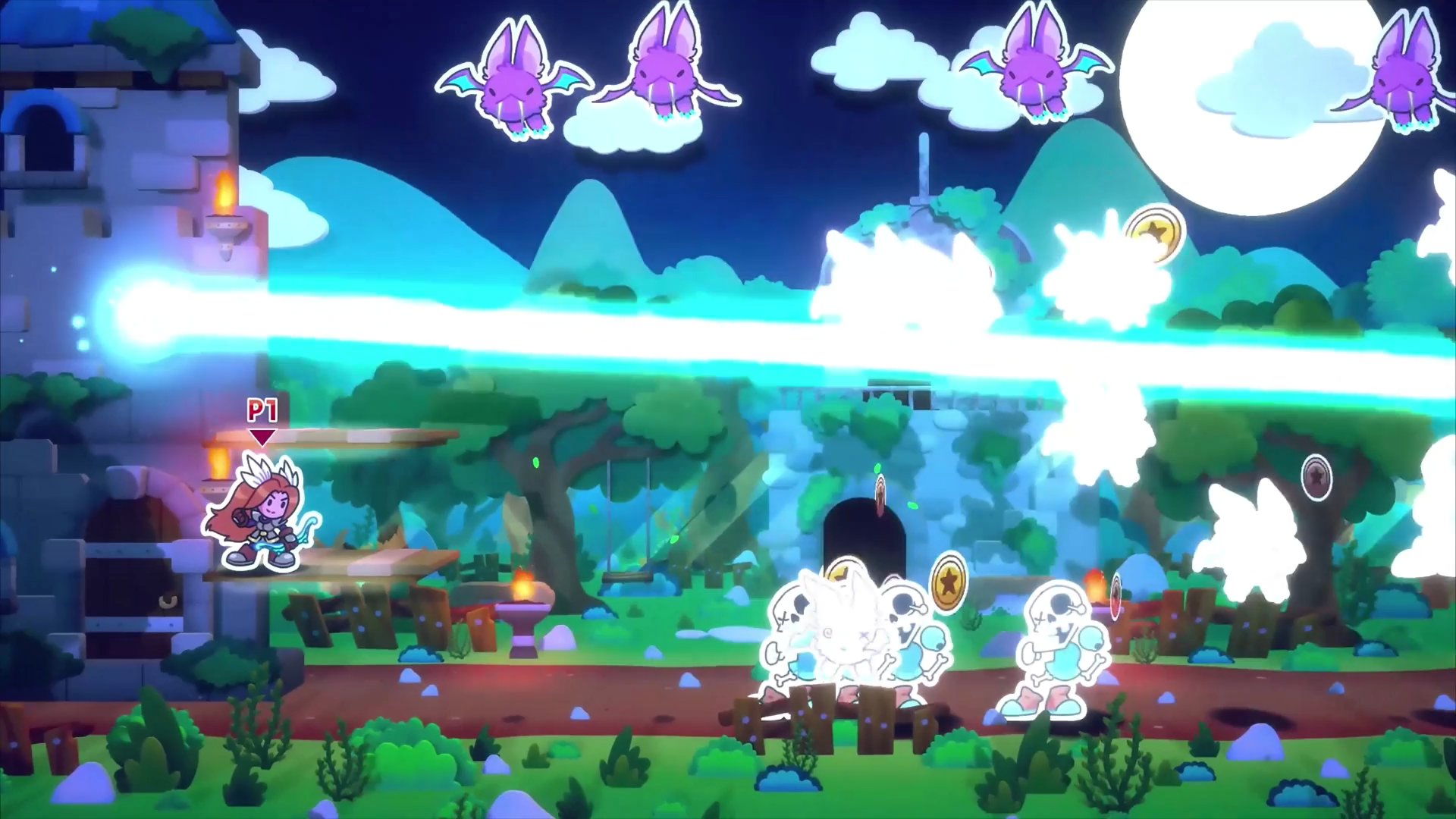
"For Castlebound, we took the enemy waves idea from Warcher Defenders and took it to the next level," Durán explains. "We introduced dynamic movement, allowing heroes to navigate the entire screen within auto-scrolling levels. By introducing support for up to four players, we’ve transformed what was once a solitary mobile defense exercise into a frantic, chaotic, and collaborative experience."
Visual Philosophy: The "Sticker-esque" Aesthetic
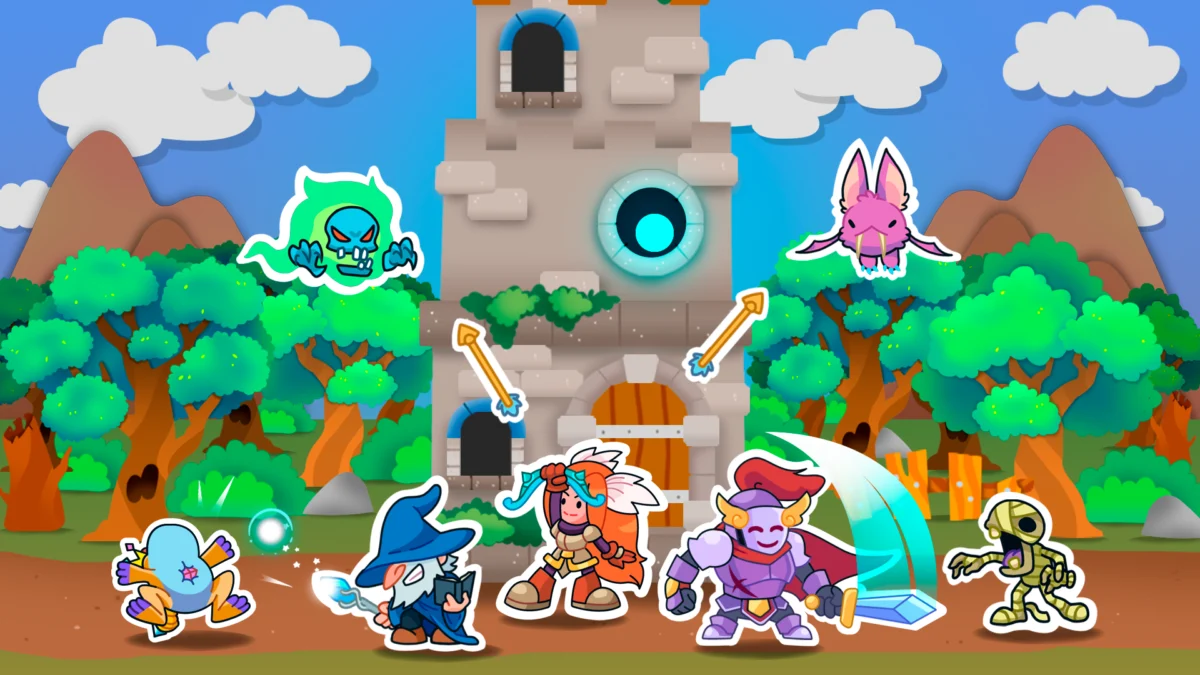
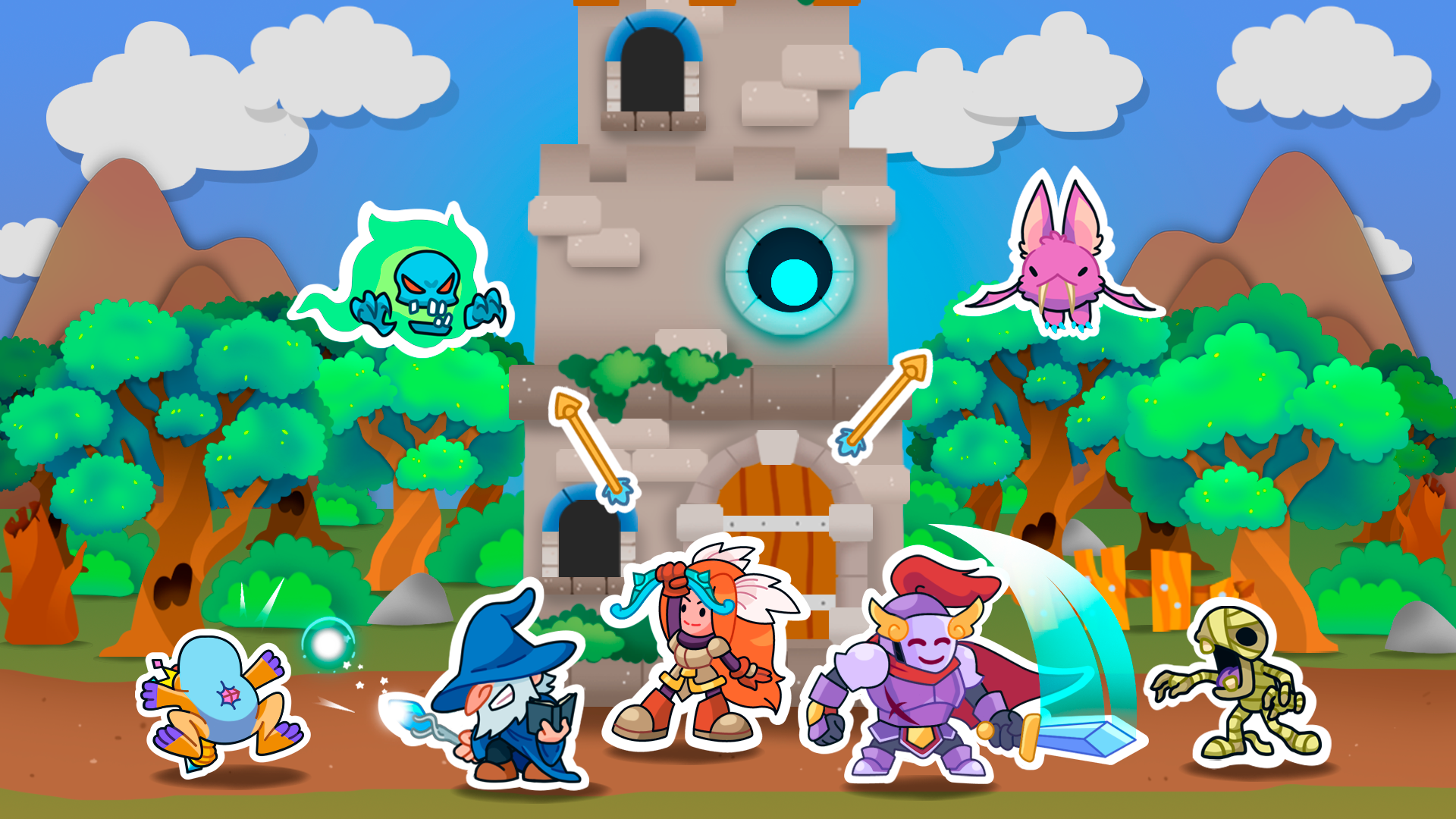
Perhaps the most jarring—and welcome—change between Warcher Defenders and Castlebound is the art direction. The studio has abandoned the traditional pixel art grid in favor of a hand-drawn, illustrative style that feels akin to a living children’s pop-up book.
The decision to pivot was not merely an aesthetic choice; it was deeply functional. Durán emphasizes that in a game where four players might be on screen simultaneously, clarity is paramount. "The art style was designed to be easy to read for the action gameplay," he notes. "Representing heroes with 2D sprites and applying a ‘sticker-esque’ outline allows for a visual hierarchy where players can immediately identify their character and incoming threats, even amidst the chaos of battle."
This approach draws a clever parallel to the Paper Mario series. By utilizing flat, 2D assets within a 3D environment, Ogre Pixel has managed to bypass the need for traditional, labor-intensive frame-by-frame hand-drawn animations. This allows for a unique, jerky charm that feels intentional and distinct, prioritizing gameplay fluidity over the "smoothness" found in titles like Hollow Knight.
Technical Architecture: Bridging 2D and 3D
The "pop-up" illusion of Castlebound is a feat of clever engine configuration within Unity. The game exists in a 3D space, yet every character and environmental asset is a flat, 2D PNG file.
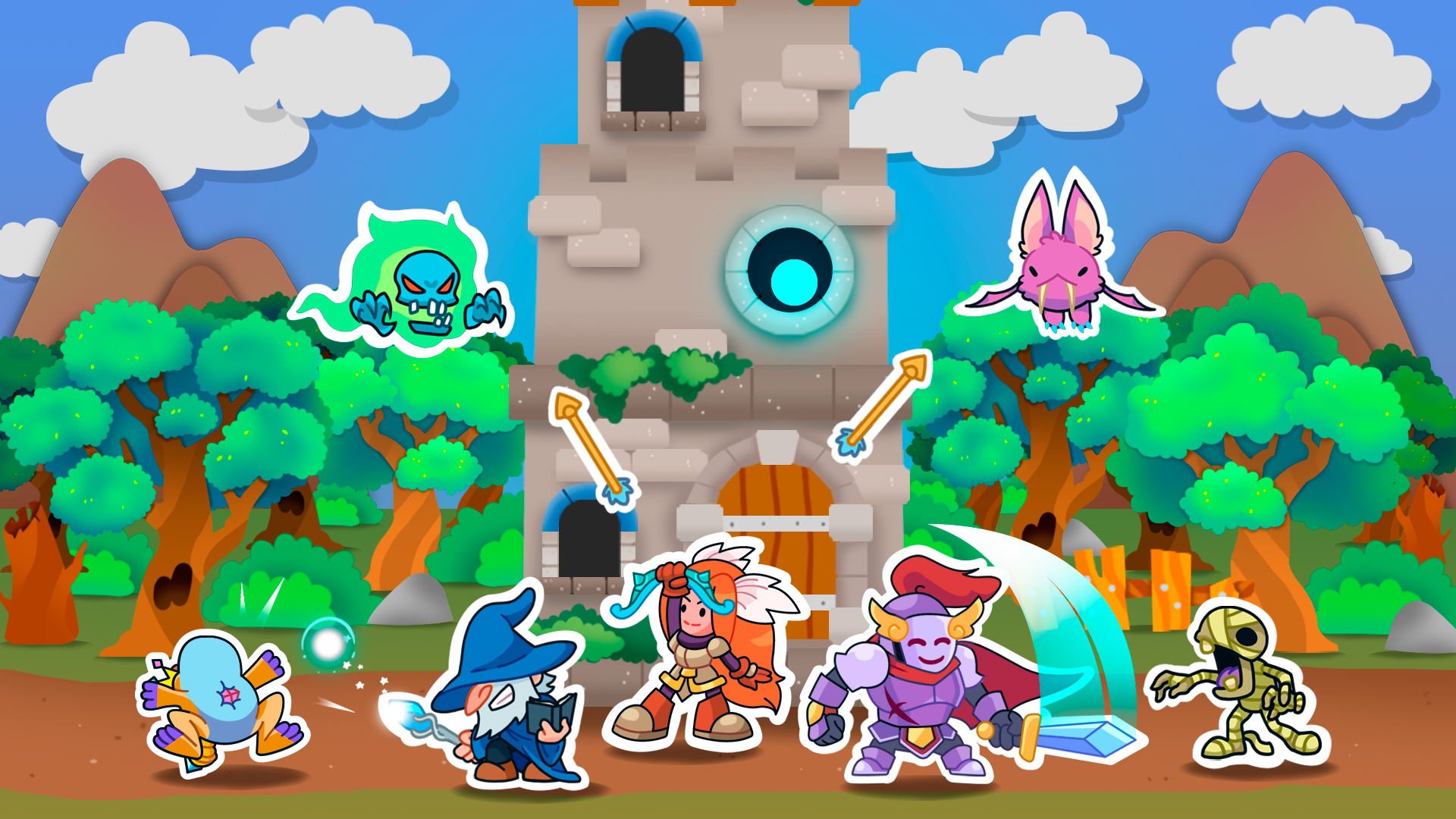
Lead programmer Marco Elizondo has been instrumental in this process, guiding the art team through the complexities of setting up 3D scenes that accommodate these 2D sprites. The result is a hybrid visual style that feels tactile. The illusion of depth is further enhanced by dynamic lighting and shadow systems.
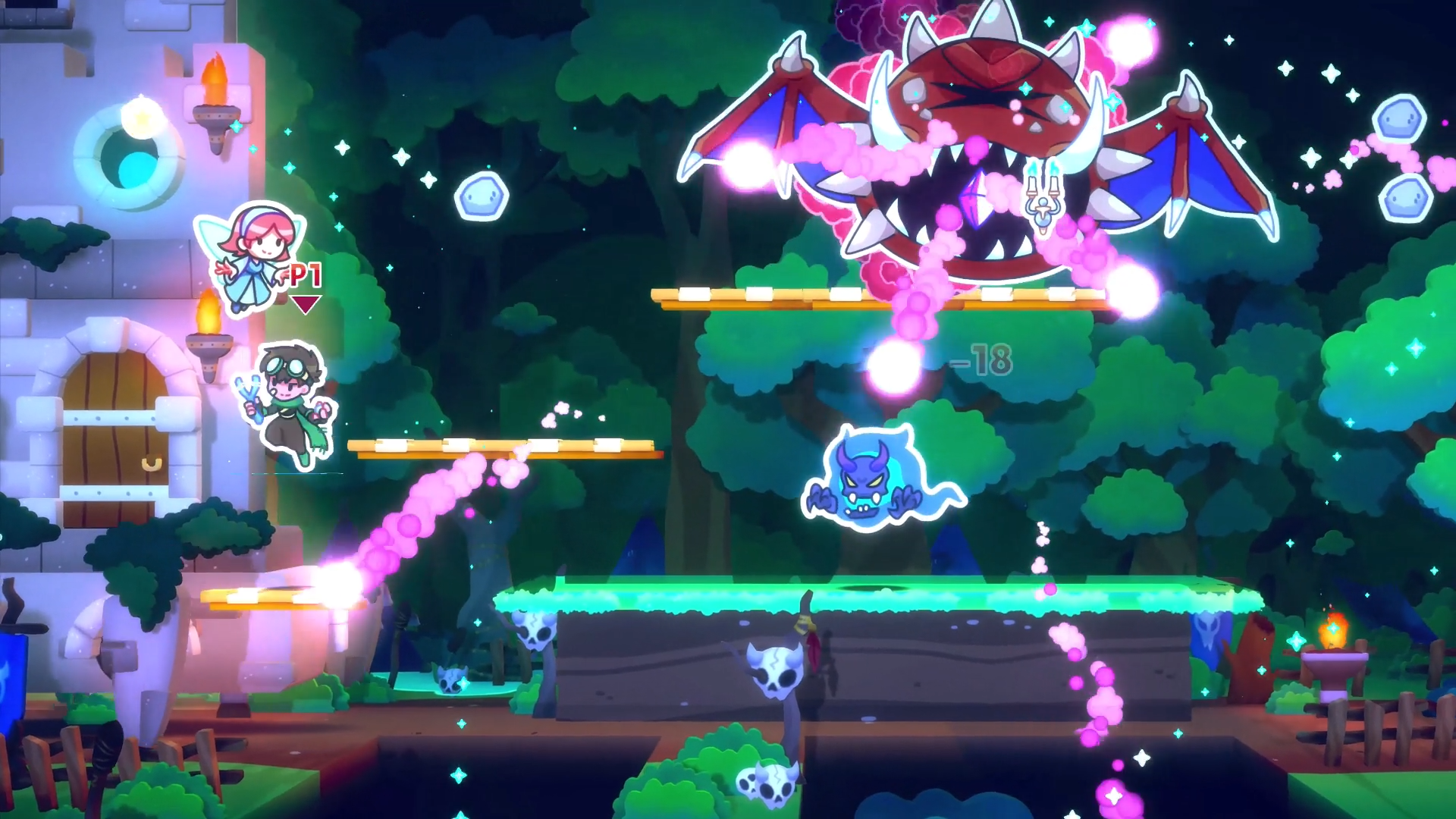
"Another important tool we worked with are illumination settings," Durán adds. "We can shift the entire mood of a level between day, noon, and night. A lighting change is sometimes all you need to make a familiar environment feel entirely new, while the 3D-projected shadows provide that necessary sense of depth, grounding these ‘paper’ characters into the world."
Expanded Horizons: Enemies and Environments
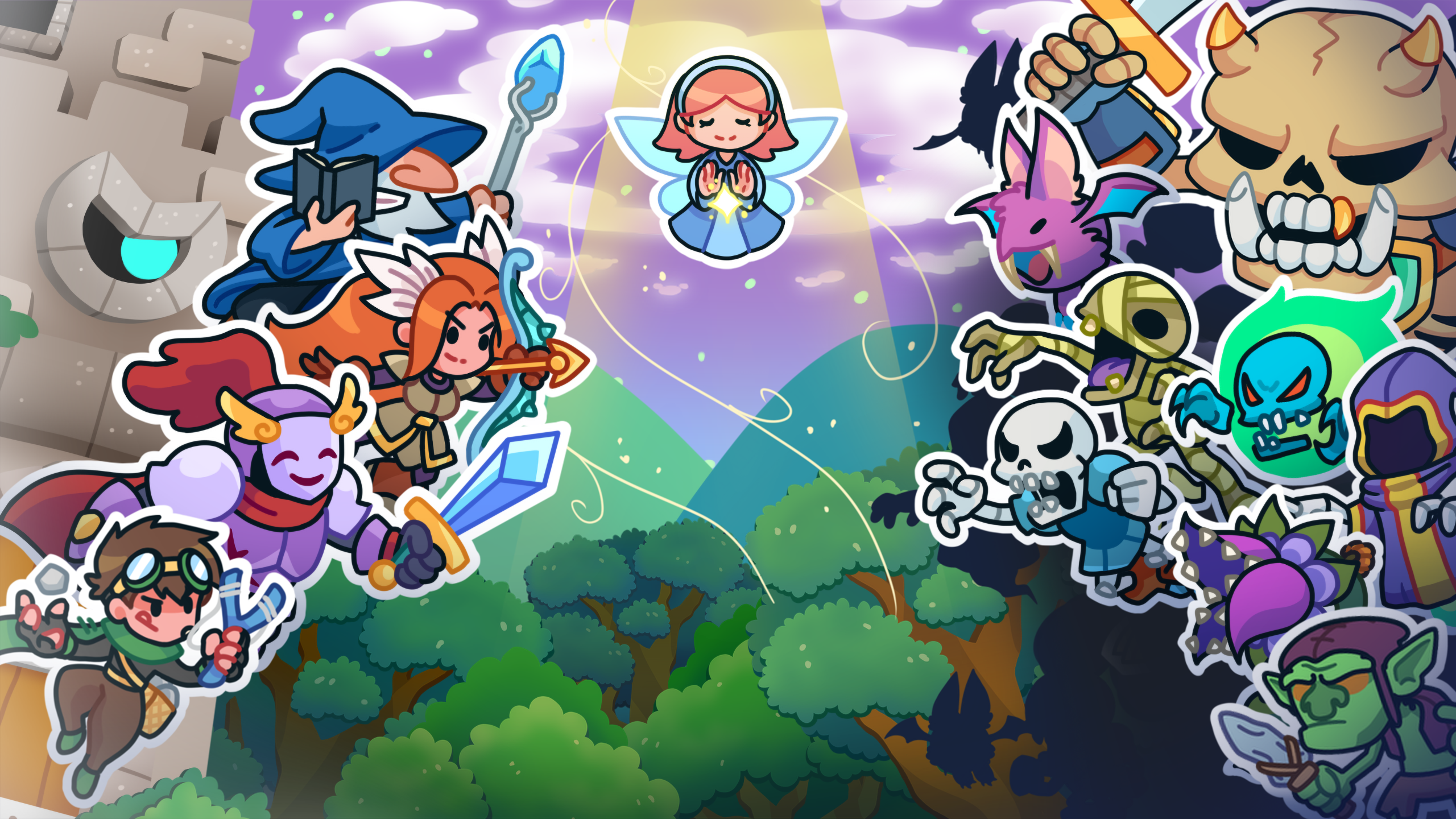
Castlebound aims to escape the limitations of the standard "medieval fantasy" trope. While the game features the traditional wizards, dragons, and ogres that one might expect from an Ogre Pixel title, the scope of the bestiary is vast.
The game is structured to take players through a variety of thematic landscapes. Players will encounter foes inspired by ancient Egyptian mythology—mummies, sphinxes, and crumbling pyramids—before transitioning into the dark corridors of horror-themed levels populated by vampires, werewolves, and mermen.
Durán is particularly excited about the "secret areas" of the game. While he remains tight-lipped to avoid spoilers, he teases that the endgame content leans into "cosmic vibes," suggesting that the narrative and visual scope will expand significantly as players progress through the campaign.
Supporting the Heroic Cast
The gameplay variety is bolstered by a diverse roster of playable characters, each designed with a distinct playstyle. The lead character, Lenora, serves as a bridge to the past as an archer, honoring the original Warcher Defenders. However, she is joined by a colorful cast including:
- Vargus the Mage: Lenora’s wise grandfather, focusing on area-of-effect spells.
- Galahad the Knight: A front-line fighter designed to soak up damage and control enemy crowds.
- Quinn the Slingshooter: A high-mobility character designed for precision attacks.
These classes are not just cosmetic; they are built to encourage synergy in the four-player cooperative mode, requiring teams to coordinate their defenses and manage the screen space effectively.
The "Freshness" Factor: Balancing Multiple Projects
Maintaining morale and creative momentum during a two-year development cycle is a notorious hurdle for small indie teams. Ogre Pixel, based in Mexico, combated development fatigue by balancing Castlebound with smaller, "palette-cleanser" projects.
Throughout the development of Castlebound, the studio released titles such as the cozy hidden-object game Hidden Around The World and the GBA-inspired adventure Black Tower Enigma.
"Castlebound has been a massive endeavor because we have been iterating constantly on art, gameplay, and balance," Durán admits. "Moving into different, smaller projects allowed us to feel ‘fresh’ during the development cycle. It keeps the team’s creative energy high and allows us to test mechanics in smaller, contained environments before applying those lessons to our larger flagship project."
Kickstarter and the Final Polish
The transition from a small-scale prototype to a feature-rich, multi-platform release was bolstered by a successful, last-minute Kickstarter campaign. The community support enabled the team to go beyond their original scope, adding a new volcanic region, a challenging secret final boss, and high-quality animated cutscenes.
These additions are crucial in the modern market, where indie games must compete for visibility during the crowded holiday release window. By providing a "substantial package," Ogre Pixel believes they have built something that offers more than just nostalgia—they have built a game with significant replay value. The inclusion of a roguelite loop ensures that each run feels dynamic, encouraging players to master the mechanics and explore the synergies between the different hero classes.
Implications for Ogre Pixel’s Future
As the November 12 release date approaches for PC, Nintendo Switch, and the upcoming Switch 2, the stakes are higher than they were a decade ago. Castlebound represents the maturation of a studio that started in the mobile-only space and is now comfortably stepping into the console arena.
The success of Castlebound will likely dictate the future of Ogre Pixel. If the blend of charming, "sticker-style" visuals and high-octane, four-player cooperative action resonates with players, it could establish a new visual signature for the studio. More importantly, it validates their "hybrid" development philosophy—the idea that a small team can produce high-quality, 3D-rendered experiences while keeping the soul and clarity of 2D art intact.
For those eager to test the waters, a free demo is currently available on Steam. It serves as a perfect introduction to the game’s core loop: pick a hero, brace for the wave, and hold the castle. As the industry continues to push for higher fidelity and photorealism, Ogre Pixel’s pivot toward the illustrative and the readable serves as a refreshing reminder that in video games, the most enduring art is often the most intentional.
Whether Castlebound becomes the next breakout indie hit remains to be seen, but the trajectory of Ogre Pixel suggests a studio that has mastered the art of building upon its foundations, one wave at a time.