PORTLAND, Ore. — "The blast blasted blubber beyond all believable bounds."
With those ten immortalized words, delivered on a gray Oregon beach in November 1970, local television reporter Paul Linnman cemented his place in broadcast history. More than half a century later, people still repeat that singular line to him wherever he goes—at the grocery store, at airports, and across the internet.
That ridiculous, incredible, and deeply human piece of local news history is the subject of Oh Whale!, a critically acclaimed documentary short directed by Winslow Crane-Murdoch. The film is part of the "JoyDrops" initiative, a curated showcase championing awards-eligible documentary shorts centered on joy, functioning as a deliberate counterweight to a medium frequently dominated by tragedy.
Co-released in partnership with The New Yorker and Switchboard Magazine, Oh Whale! has evolved from what its creators initially envisioned as a fun side project into an unexpected awards-season powerhouse. It has enjoyed a robust film festival run, earned accolades, and secured a prestigious Critics’ Choice Award nomination.
Yet, beneath the cinematic absurdity of decaying marine mammals and high explosives lies a profound examination of legacy, the unpredictable nature of viral fame, and the enduring power of local journalism.
Main Facts: The Anatomy of a Viral Phenomenon
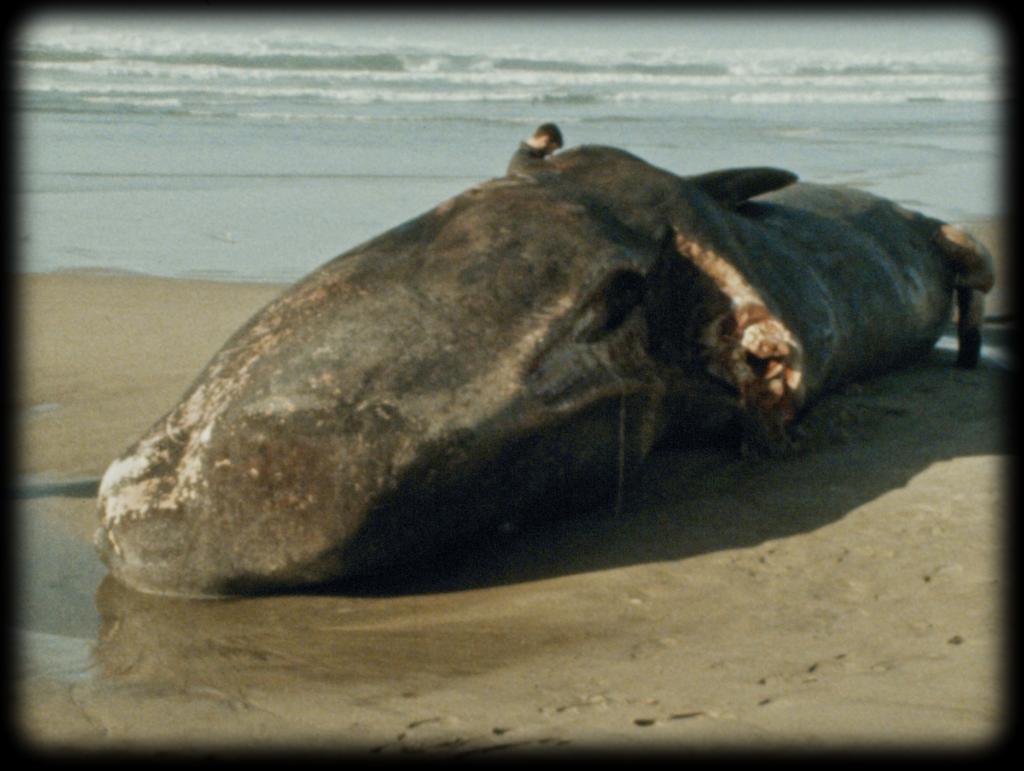
On November 12, 1970, a massive sperm whale—weighing an estimated eight tons and stretching 45 feet long—washed ashore dead on a beach near Florence, Oregon. At the time, the stretch of coastline fell under the jurisdiction of the Oregon Highway Division (now the Oregon Department of Transportation). Faced with a rapidly decomposing, foul-smelling leviathan that local citizens were eager to see removed, highway engineers devised a solution they believed was both efficient and modern.
They decided to blow it up with half a ton of dynamite.
The rationale was simple, if deeply flawed: the blast would disintegrate the carcass into tiny pieces, allowing seagulls and scavengers to clean up the remnants, while the ocean tides would wash the rest away.
Instead, the explosion acted as a catastrophic organic artillery shell. Chunks of rotting blubber the size of coffee tables rained down from the sky, crushing a parked automobile and sending a terrified crowd of onlookers—including reporter Paul Linnman and cameraman Doug Brazil—running for their lives. Miraculously, no human lives were lost, but the sheer absurdity of the event was captured on film.
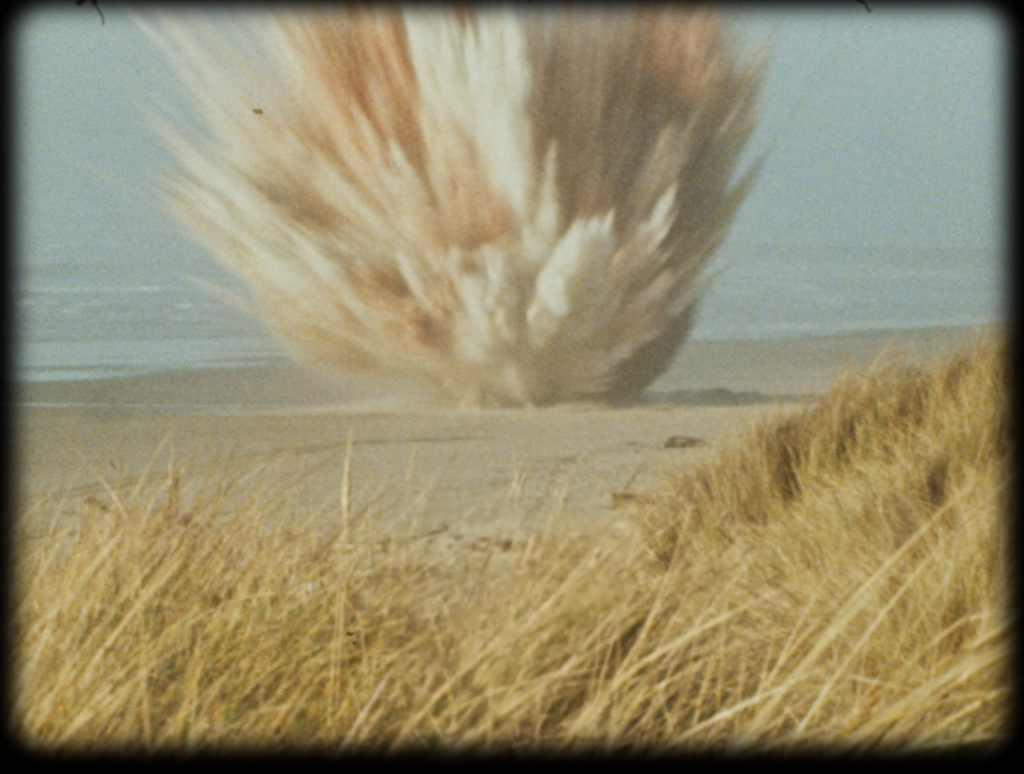
Linnman’s swift, deadpan, yet deeply comedic broadcast report for Portland’s KOIN-TV transformed an environmental mishap into an eternal piece of pop culture. It predated the internet by decades, yet it became a blueprint for viral media.
Chronology: From 1970 Beach Blunder to 2026 Cinematic Milestone
To fully understand Oh Whale!, one must trace the timeline of how a single local news segment traversed the evolving landscapes of media technology:
- November 12, 1970: The sperm whale washes ashore near Florence, Oregon; the highway department executes its fateful dynamite plan.
- November 1970: Paul Linnman files his iconic report for KOIN-TV, writing the script in a single draft that airs the following evening.
- The Pre-Internet Era (1970s–1990s): Local residents and news enthusiasts request physical film reels and VHS cassette copies of the segment, passing them around like underground comedy bootlegs.
- The Early Web (Late 1990s–2000s): The clip transitions into one of the earliest viral email attachments and pioneering blog videos, circulating through early digital networks.
- The YouTube Era (2010s): The footage lands on YouTube, where it attracts millions of views across multiple re-uploads.
- 2020: KOIN-TV releases a fully remastered high-definition version of the original broadcast for the 50th anniversary of the incident. It is during this window that future director Winslow Crane-Murdoch discovers the footage.
- 2024–2026: Crane-Murdoch directs Oh Whale!, tracking Linnman’s emotional journey from initial resentment of the clip to eventual acceptance. The film premieres on the festival circuit, earns a Critics’ Choice Award nomination, and partners with The New Yorker for digital distribution.
Supporting Data: The Viral Journey of an Oregon Whale
The longevity of the exploding whale story offers a fascinating case study in media distribution across technological shifts.
| Era | Primary Distribution Medium | Audience Engagement Style |
|---|---|---|
| 1970 | Broadcast Television | Live regional viewing; word-of-mouth |
| 1980s–1990s | Physical Media (Film Reels, VHS) | Bootleg sharing, home parties, localized viewings |
| 2000s | Early Internet (Email, Forums, Blogs) | Peer-to-peer digital forwarding, early viral spread |
| 2010s–Present | Streaming Platforms (YouTube, Remasters) | Global algorithmic discovery, memeification, annual revivals |
According to retrospective media analyses, Linnman’s report succeeded because of an intentional editorial choice. Rather than playing the incident straight as a municipal failure or an environmental tragedy, Linnman leaned into the inherent comedy of the situation. He wrote the script once, trusted his instincts, and allowed the absurdity of the visuals to speak for themselves.
Furthermore, the physical geography of the event has been permanently altered into local lore. The town of Florence, Oregon, has fully embraced its explosive legacy, establishing an annual "Exploding Whale Memorial Day." Local residents have even welcomed documentary screening crowds in Portland while dressed in whale costumes and wielding fake sticks of dynamite.
Official Responses and Filmmaker Perspectives
For director Winslow Crane-Murdoch, stepping into the world of Oh Whale! was a vital psychological pivot. Prior to this project, he spent seven grueling years producing The Quiet Epidemic, a heavy, issue-driven feature-length documentary chronicling chronic Lyme disease. Exhausted by the emotional toll of covering systemic medical trauma, Crane-Murdoch sought a project that would allow him to "fall in love with the craft of making a film again."
"I was quite literally blown away—to use a bad pun that we use many times in the film—when I first saw the remastered footage on YouTube for the 50th anniversary," Crane-Murdoch told the Good News Network.
As he researched deeper into the archives, he discovered a poignant human arc beneath the flying blubber. For decades, Paul Linnman harbored a complex relationship with the broadcast. As a serious journalist who covered major regional and national stories, Linnman initially resented the fact that a bizarre, exploding marine mammal overshadowed his entire professional portfolio. Over time, however, he came to terms with his unintended comedic legacy. Oh Whale! charts that gradual evolution from professional frustration to joyful acceptance.
"The producer of a story doesn’t get to choose the response; the audience decides," Linnman notes within the documentary—a sentiment that proved equally prophetic for Crane-Murdoch’s film.
"To sit in an audience and to have people laugh and experience joy together has been really powerful," Crane-Murdoch reflected. "It shows that community can be born around any of these stories."
Reflecting on the challenges of his craft, Crane-Murdoch made a surprising admission: making people laugh is significantly harder than chronicling tragedy.
"I was surprised at how hard it was to make," he said. "To make people laugh is a challenging thing. The sadder stuff can sometimes feel a little bit easier from a craft standpoint."
When asked for the ultimate moral of the story, Doug Brazil—the veteran cameraman who stood shoulder-to-shoulder with Linnman on that fateful November day—offered a delightfully pragmatic conclusion: Don’t underestimate the power of explosives.
Implications: The Future of Joy-Centric Documentaries
The breakout success of Oh Whale! highlights a broader cultural shift within the documentary filmmaking ecosystem. For years, prestige documentary categories at major festivals and awards shows have been heavily weighted toward trauma, geopolitical crises, systemic injustice, and human suffering. While issue-driven documentaries remain vital for societal awareness, audiences are increasingly experiencing fatigue from relentless trauma-scrolling.
Initiatives like JoyDrops are proving that audiences are hungry for an alternative entry point to meaningful storytelling.
"These films actually do have some sort of message at the center of them, but they’re doing it in a way that puts joy first," Crane-Murdoch explained. "That allows you into these greater conversations, but without having to just enter through trauma."
While Crane-Murdoch plans to return to issue-driven documentary work in the future, his detour into absurdity offers a masterclass in cinematic levity. Oh Whale! proves that profound themes—such as legacy, mortality, and how we choose to define our life’s work—do not require a somber tone to resonate deeply. Sometimes, the best way to explore what we leave behind is to look back at a man running for his life from a descending wall of marine mammal tissue, laughing all the way.
As the film continues to win over festival circuits and viewers worldwide, it stands as a refreshing reminder of why local journalism matters, how communities can form around shared laughter, and why creators should never underestimate the unpredictable power of an audience’s response.