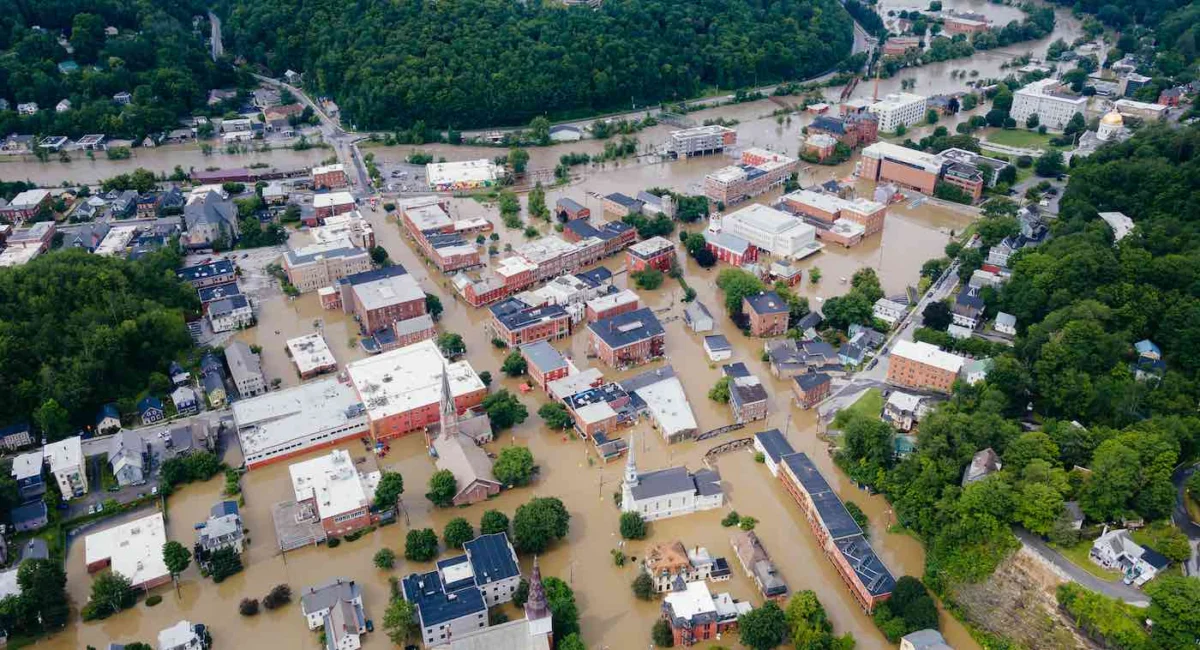
LONDON — For generations, the universal image of an impending flood has been the frantic stacking of heavy, cumbersome sandbags against doorways and garage doors. It is an enduring symbol of emergency preparedness, etched into the collective consciousness of communities worldwide. However, groundbreaking new research from the United Kingdom’s University of Hull is turning conventional wisdom entirely on its head.
According to a comprehensive series of rigorous scientific tests conducted at the university’s state-of-the-art Property Flood Resilience lab (PFRlab), ordinary, affordable household tape outperforms traditional sandbags in keeping water out of residential properties. Commissioned by Flood Re—a joint initiative established by the UK Government and insurance industry to make flood insurance more affordable—the study demonstrates that a simple roll of tape could save millions of homes from devastating water ingress during surface water emergencies.
With low-depth surface water identified by the Environment Agency as the fastest-growing flood risk facing modern households, this low-cost innovation could fundamentally change how everyday citizens prepare for climate-driven extreme weather events.
Main Facts: Taping Up Against Rising Waters
The core revelation of the University of Hull’s research is startlingly simple: when applied to the exterior of a standard front door, widely available adhesive tapes drastically reduce water leakage, easily surpassing the efficacy of traditional sandbags.
The laboratory testing evaluated several low-cost temporary barriers designed to stop floodwater from breaching homes at depths of up to two feet (600mm). The results showed dramatic variances in performance:
- Flexible Synthetic Rubber Tape: This high-performing adhesive reduced water leakage by an astonishing 99% compared to an unprotected door.
- Duct Tape: Offering a powerful combination of affordability, accessibility, and high performance, standard duct tape reduced leakage by 97% to 98%.
- Aluminum and Plastic Tapes: Various alternatives, including aluminum tape and yellow plastic tape, also demonstrated stellar protective qualities.
- Traditional Sandbags: Ranking remarkably low on the performance scale, traditional sandbags allowed significantly more water seepage, often failing to seal the irregular gaps around doorframes.
Furthermore, even the lowest-performing tape tested in the laboratory environment still managed to reduce leakage by 80%, a marked improvement over sandbags, which capped out at around 70% effectiveness under identical test conditions. Beyond sheer performance metrics, tape offers distinct logistical advantages: it is lightweight, remarkably inexpensive, simple to store in a drawer or utility closet, and entirely disposable without the contamination risks associated with flood-soaked sand.
Chronology: From the Devastation of 2007 to Modern Laboratory Breakthroughs
To understand the gravity of this discovery, one must look back nearly two decades to the genesis of modern urban flooding concerns in the United Kingdom.
The 2007 Floods: A Catalyst for Change
In the summer of 2007, the city of Hull experienced catastrophic surface water flooding. Torrential downpours overwhelmed drainage systems, leaving more than 8,600 homes and 1,300 businesses severely damaged. The disaster laid bare the vulnerability of modern urban areas to low-depth surface water—a phenomenon where rainwater accumulates faster than it can drain, pooling in streets and flowing directly toward residential thresholds.
In the wake of this disaster, academics, engineers, and policymakers recognized an urgent need to understand how water interacts with residential structures during shallow flooding events.
The Establishment of the PFRlab
Recognizing its unique regional vulnerability and academic strengths, the University of Hull established its specialized Property Flood Resilience lab (PFRlab). Equipped with advanced testing apparatuses capable of simulating real-world flood dynamics, the facility became a premier global hub for studying property-level flood protection.
Recent Testing and Flood Action Week Publication
Commissioned by Flood Re to identify practical, low-cost resilience measures, researchers at the PFRlab embarked on an exhaustive testing program targeting standard residential entryways. Utilizing six commonly used door types, engineers subjected the thresholds to controlled volumes of water up to two feet deep. The results were compiled and officially published during Flood Action Week, providing actionable, evidence-based guidance for homeowners bracing for severe weather seasons.
Supporting Data: The Science Behind the Seal
The meticulous data gathered at the PFRlab offers precise insights into fluid dynamics, structural engineering, and material science during flood events. The researchers did not merely test tape in a vacuum; they analyzed a comprehensive suite of variables that influence water ingress.
Tape vs. Sandbags: A Comparative Breakdown
Traditional sandbags have long been considered the gold standard for improvised flood defense. However, the data reveals significant structural flaws in their design. Sandbags are porous, heavy, difficult to stack evenly against irregular doorframes, and prone to shifting under hydraulic pressure. Once deployed in floodwaters, they frequently absorb contaminants such as sewage and chemicals, making disposal hazardous and unpleasant.
Conversely, adhesive tapes create an airtight and watertight continuous barrier directly over the vulnerable perimeter of a doorframe.
- Application Placement: The study revealed that applying tape to the outside of a door yielded significantly better results than taping the interior. The exterior application leverages external water pressure to push the adhesive film tighter against the frame, preventing moisture from entering the microscopic gaps between the door and its jamb.
- Door Swing Dynamics: In an unexpected structural finding, the research proved that the physical orientation of a front door plays a major baseline role in flood resilience. Under test conditions, a standard outward-opening door reduced leakage by 74% compared to an inward-opening door—even before any supplementary tape or sealant was applied. Outward-opening doors are forced tighter against their external stops by rising water, whereas inward-opening doors are pushed away from their seals by hydraulic pressure.
The Surface Water Crisis
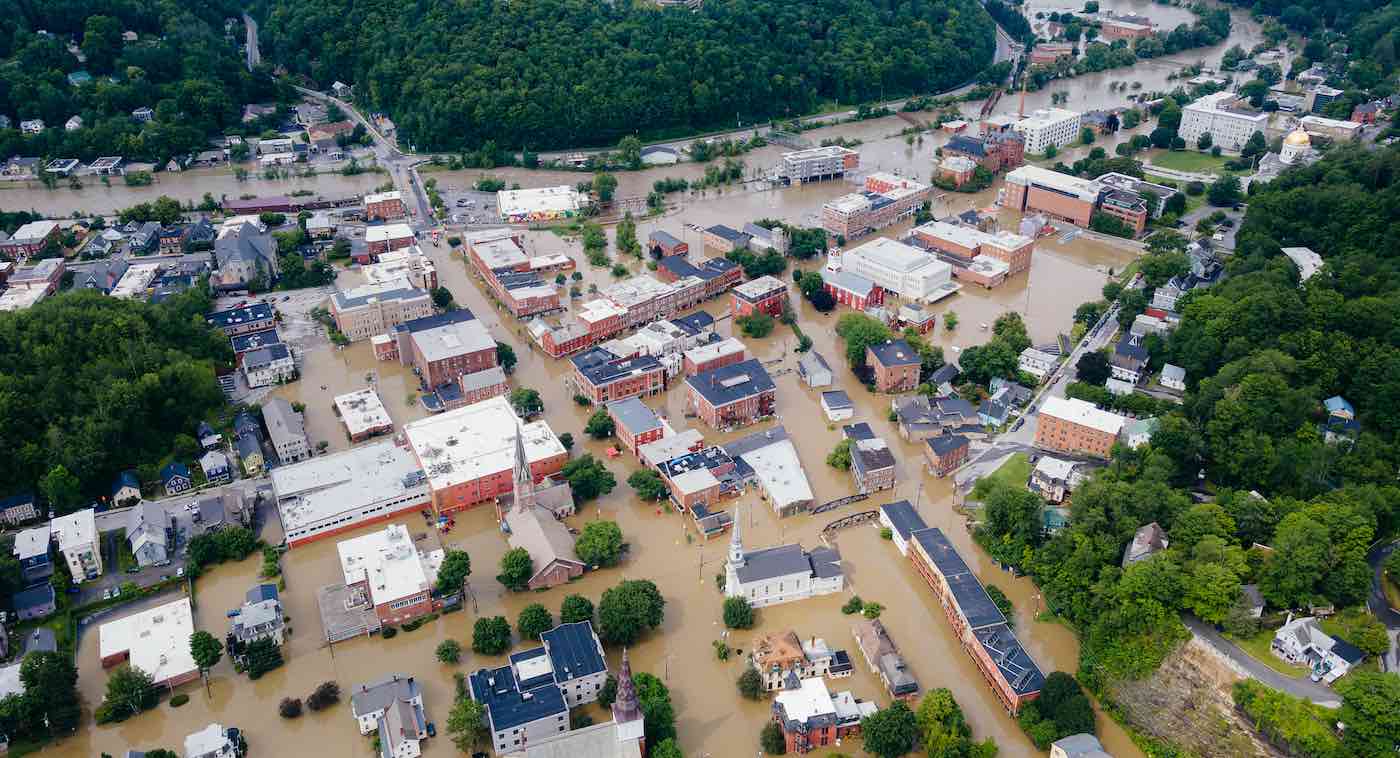
The urgency of these findings is underscored by national data. According to the UK Environment Agency, approximately 4.6 million people currently live in areas at risk of surface water flooding. Unlike riverine or coastal floods—which often provide hours or days of evacuation warning—surface water flooding happens rapidly, triggered by intense, localized cloudbursts. In these high-pressure scenarios, homeowners rarely have time to secure heavy sandbags, making a roll of tape an instantaneous, life-saving alternative.
Official Responses: Shifting Perspectives on Emergency Preparedness
The release of the University of Hull’s study has prompted widespread commentary from disaster management experts, insurers, and academic leaders alike.
Jonathan Kassian, Head of Flood Resilience at Flood Re, emphasized the psychological and practical shift required by the new findings.
"Sandbags remain a symbol of flood protection, but these tests turn that assumption on its head," Kassian stated. "What we have found is that some relatively simple and affordable products can do a much better job of keeping water out. When bad weather is on the way, people may have very little time to act. We want people to know what they can do before that moment comes. Having the right products ready, knowing how to use them, and making your home more resilient can make a real difference."
Professor Stuart McLelland, a leading expert in water science at the University of Hull, highlighted the practical mission of the PFRlab in bridging the gap between academic research and everyday domestic safety.
"Through challenging established assumptions, our research can deliver immediate benefits to householders, showing that something as cheap and readily available as tape can significantly reduce the damage that flooding can cause," Professor McLelland explained. "Through our longstanding expertise in flood research, our facilities at the PFRlab are helping to design and develop practical solutions to better safeguard homes and properties against the growing threat of extreme weather."
Emergency services and local authorities have also welcomed the research, noting that it empowers citizens to take immediate, self-directed action during fast-moving weather events when municipal emergency services are stretched thin.
Implications: Empowering Vulnerable Communities Worldwide
The implications of this study extend far beyond the borders of the United Kingdom. As global climate change accelerates, extreme precipitation events and flash floods are becoming an increasingly frequent reality for communities across North America, Europe, and developing nations.
Economic and Psychological Relief
The financial toll of residential flooding can be astronomical, encompassing ruined drywall, warped flooring, destroyed furniture, and skyrocketing insurance premiums. By demonstrating that a £5 roll of duct or synthetic rubber tape can block up to 99% of water ingress, the research democratizes flood protection. Low-income households, renters, and elderly residents—who may lack the physical strength to haul heavy sandbags or the financial resources to install permanent, expensive flood barriers—now have an accessible line of defense.
Rethinking Household Disaster Kits
Emergency preparedness experts suggest that these findings should prompt a redesign of standard household emergency kits. Alongside flashlights, bottled water, and first-aid supplies, families living in flood-prone zones are now advised to keep a roll of heavy-duty synthetic rubber or duct tape readily accessible in an easily reachable kitchen drawer.
Future Directions in Property Resilience
The success of the PFRlab tests points toward a future where everyday consumer goods are systematically evaluated for disaster resilience. As researchers continue to explore low-cost, high-impact innovations—ranging from "sponge parks" in urban centers to household-level sealing techniques—the emphasis is shifting toward decentralized, community-empowered adaptation strategies.
Ultimately, the University of Hull’s research serves as a powerful reminder that effective crisis management does not always require complex, high-tech engineering. Sometimes, the most profound solutions are already sitting quietly in your toolbox.