As the seasons shift and the daylight hours in the Northern Hemisphere dwindle, millions of remote workers are finding themselves grappling with the seasonal malaise that often accompanies winter. The struggle of balancing professional output with the physiological toll of poor lighting is a well-documented phenomenon. For those tethered to a desk, the contrast between a high-brightness monitor and a dimly lit workspace is more than just an aesthetic issue—it is a leading cause of digital eye strain, fatigue, and declining productivity.
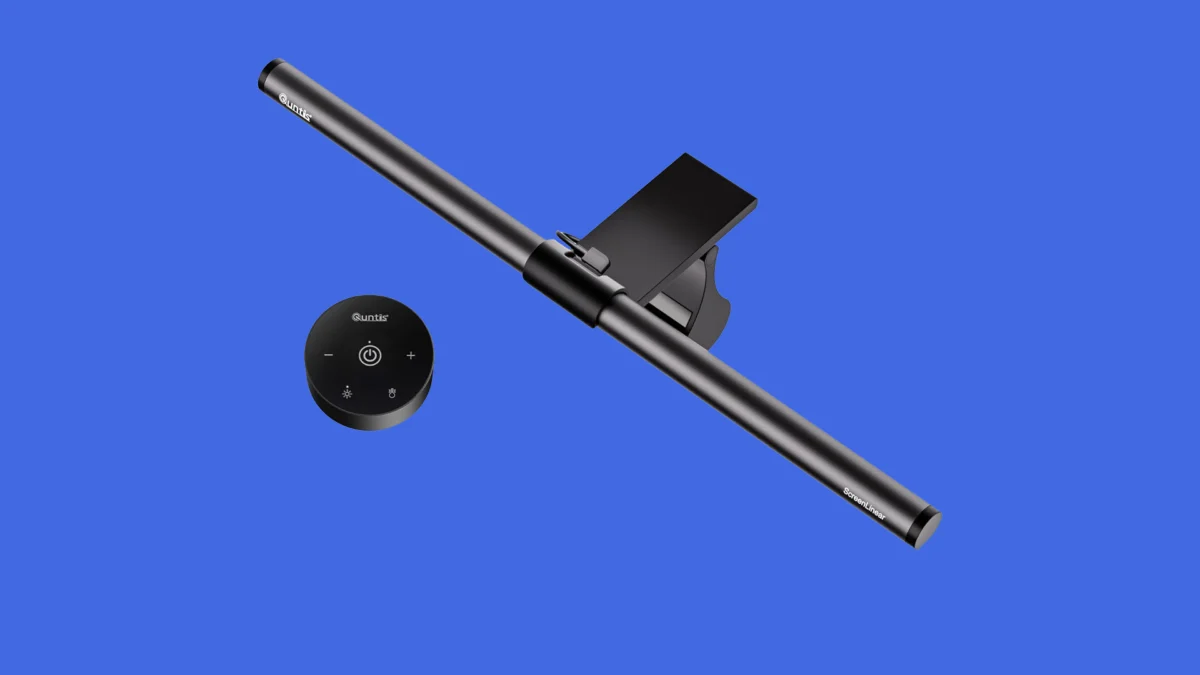
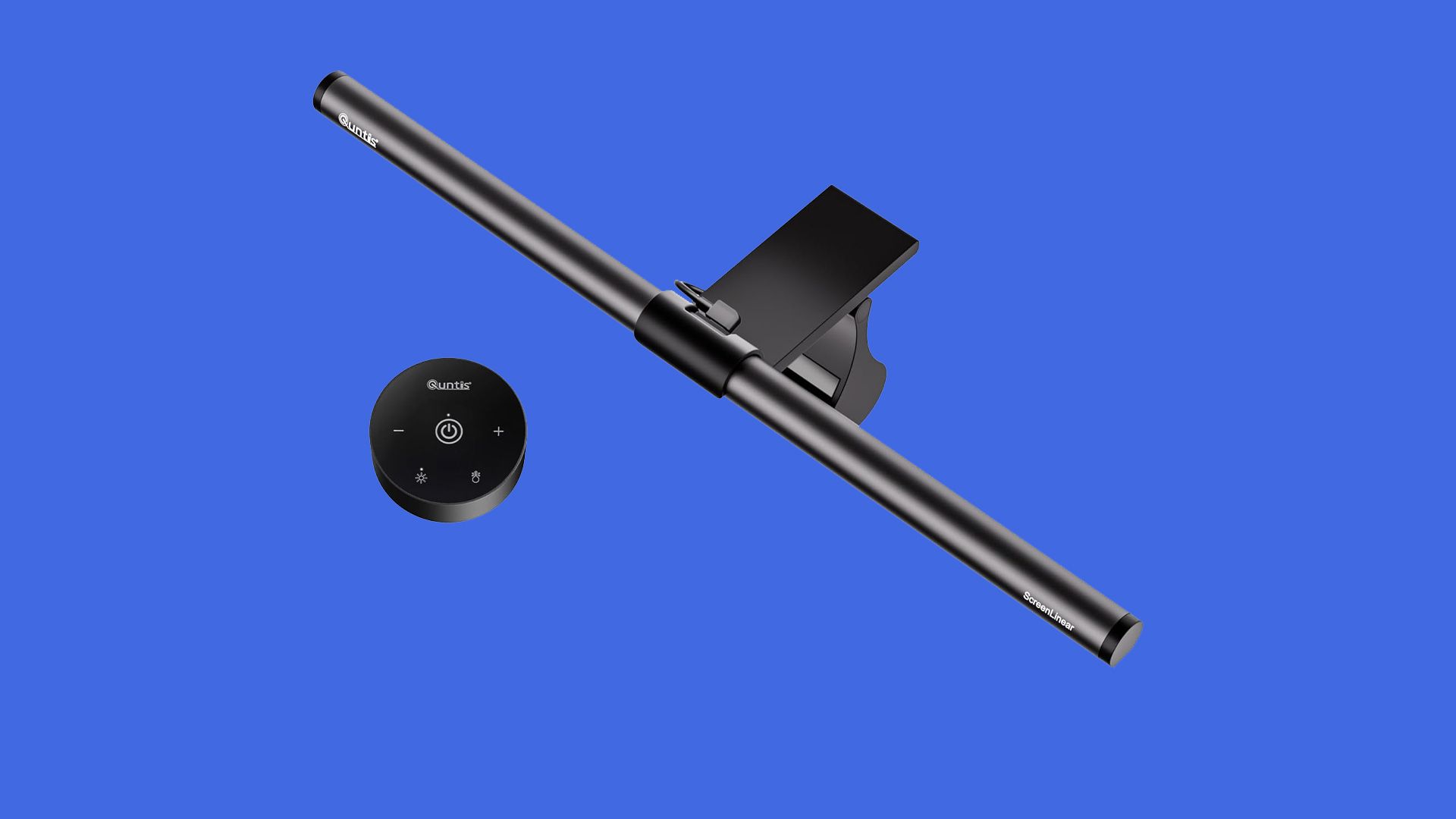
However, a simple, budget-friendly hardware solution has emerged as an essential tool for the modern home office: the monitor light bar. Specifically, the Quntis Monitor Light, currently available for a significant discount at $33, has established itself as a cornerstone for those looking to optimize their visual environment without breaking the bank.
The Core Problem: Why Your Lighting Matters
To understand the value of the Quntis light bar, one must first understand the physiology of the digital workspace. When a user stares at a bright computer screen in a dark room, the pupils are forced to constantly adjust to the high-contrast environment. This process, repeated thousands of times throughout a workday, leads to "Computer Vision Syndrome," a condition characterized by blurred vision, headaches, and dry eyes.
Standard desk lamps often fail to solve this problem. They typically cast glare onto the screen, create harsh shadows, or occupy precious desk real estate. The monitor light bar, by contrast, sits atop the screen, casting a targeted beam of light downward onto the workspace while ensuring zero reflection on the display itself.
Chronology: The Evolution of the Monitor Light Bar
The concept of the monitor light bar was pioneered by premium tech brands, which initially priced these ergonomic accessories at a premium, often exceeding $100. For years, the category was considered a luxury item, reserved for high-end creative professionals and streamers.
- Early Adoption (2018-2020): Monitor light bars gained traction as the "aesthetic" choice for minimalist desk setups on platforms like YouTube and Instagram.
- The Remote Work Shift (2020-2022): The global shift to home-based work accelerated demand. Consumers began seeking ways to make their makeshift home offices feel professional and comfortable.
- The Democratization Phase (2023-Present): Brands like Quntis entered the market, utilizing efficient manufacturing and direct-to-consumer sales models to offer performance parity with premium brands at a fraction of the cost. The current $33 price point marks a historical low, signaling that this once-luxury ergonomic tool is now accessible to the average student and office worker.
Supporting Data: The Science of Ergonomic Lighting
Ergonomic studies consistently highlight that lighting is a primary factor in occupational health. According to research published by the American Optometric Association, ambient lighting should be approximately equal to the brightness of the monitor to reduce ocular stress.
The Quntis monitor light addresses this through several key technical features:
- Asymmetric Optical Design: This is the most critical feature. By directing light strictly onto the desk surface, the Quntis ensures that the light does not hit the screen, thereby eliminating the glare that plagues traditional lamps.
- Adjustable Color Temperature: The light bar offers a range from warm yellow (for relaxed reading) to cool white (for high-focus productivity). Studies have shown that cooler light temperatures in the morning can help regulate circadian rhythms, while warmer tones in the evening prevent the suppression of melatonin.
- Brightness Dimming: The ability to match the light intensity to the ambient environment prevents the "spotlight effect" that can cause peripheral distraction.
When compared to the average cost of an ergonomic chair or a high-quality monitor, the investment of $33 represents one of the highest "return-on-investment" upgrades a remote worker can make regarding their physical comfort.
Official Perspectives and Expert Consensus
Industry experts in ergonomics and interior design have increasingly pointed to the importance of "zonal lighting." Unlike overhead room lighting, which is often flat and uninspiring, task-specific lighting allows for a more personalized workspace.
In professional reviews, the Quntis model is frequently cited as the top budget contender. Reviewers emphasize that while premium competitors might offer higher-end materials (such as aluminum vs. plastic) or sophisticated software integration, the core performance—flicker-free illumination and glare reduction—is essentially identical.
"The goal of a monitor light isn’t to illuminate the room," notes a lead product evaluator at a major design publication. "It is to create a controlled environment where the eye doesn’t have to work harder than necessary. At $33, the Quntis light removes the barrier to entry for this technology, making it a standard-issue item for any serious home office setup."
Implications for the Modern Professional
The long-term implications of adopting better lighting habits extend beyond mere comfort. Improved visual hygiene is directly linked to sustained focus. When the eyes are not battling fatigue, the brain is better able to engage in deep work.
Furthermore, for those who use their home office for both professional tasks and gaming, the mood-altering capabilities of the light bar cannot be understated. Transitioning from a bright, task-oriented white light during the workday to a softer, warmer hue in the evening helps delineate the boundary between "office time" and "leisure time," a psychological shift that is vital for preventing burnout in a work-from-home setting.
Final Assessment: Is It Time to Upgrade?
For those currently working in low-light environments, the $33 price point represents a low-risk, high-reward investment. As the nights grow longer, the importance of maintaining an optimized workspace becomes even more pronounced.
While there are many variants of monitor light bars on the market, the current pricing on the Quntis model highlights a trend of commoditization that benefits the consumer. When evaluating your home office setup, it is easy to focus on the big-ticket items—the processor, the GPU, or the chair—but it is often the smaller, ergonomic accessories that define the day-to-day experience of working from home.
Frequently Asked Questions
Q: Does it fit all monitors?
A: Most monitor light bars, including the Quntis model, are designed with adjustable gravity clips that allow them to sit securely on a variety of monitor thicknesses, including curved displays.
Q: Does it take up desk space?
A: One of the primary advantages of this design is that it consumes zero footprint on the desk surface, as it is mounted entirely on the bezel of the monitor.
Q: Is it difficult to install?
A: No tools are required. The device typically sits on top of the monitor and is powered via USB, making it a "plug-and-play" solution that can be set up in under sixty seconds.
Conclusion
As we continue to navigate a world where the lines between home and office remain blurred, investing in one’s environment is not a luxury—it is a necessity. The Quntis monitor light serves as a testament to the fact that high-quality, health-conscious tech does not need to be prohibitively expensive. By mitigating eye strain and providing better task lighting, this simple accessory offers a practical way to reclaim your productivity during the darkest months of the year. Whether you are a professional designer, a remote software engineer, or a student, the benefits of improved lighting are immediate, measurable, and well worth the modest investment.