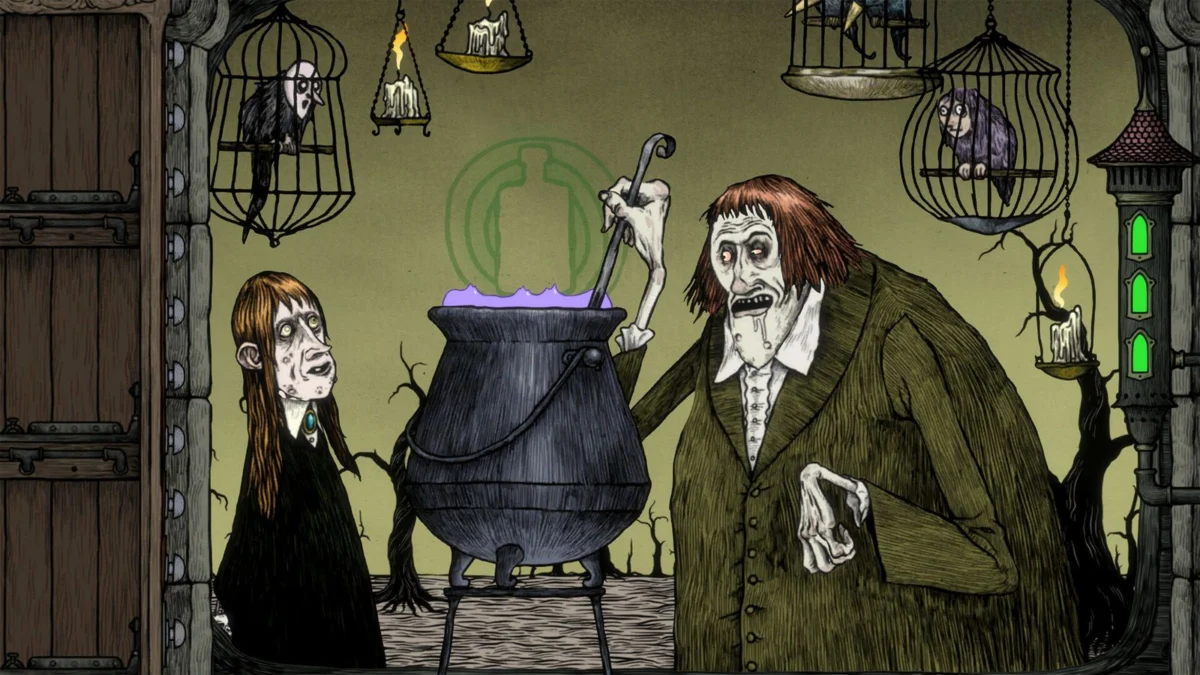
As the nights draw in and the boundary between the mundane and the macabre thins, artist John Kenn Mortensen invites players to step into a world that feels as though it were pulled directly from a fever dream. Known for his grotesque, spindly, and hauntingly beautiful illustrations, the Danish artist has long been a master of the "hidden horror"—those creatures that dwell in the periphery of our vision. Now, for the first time, Mortensen is bringing his singular, ink-stained aesthetic to the world of interactive media with FLASK, a dark fantasy roguelike deckbuilder developed by Chop Chop Games.
The Architecture of Shadows: Main Facts
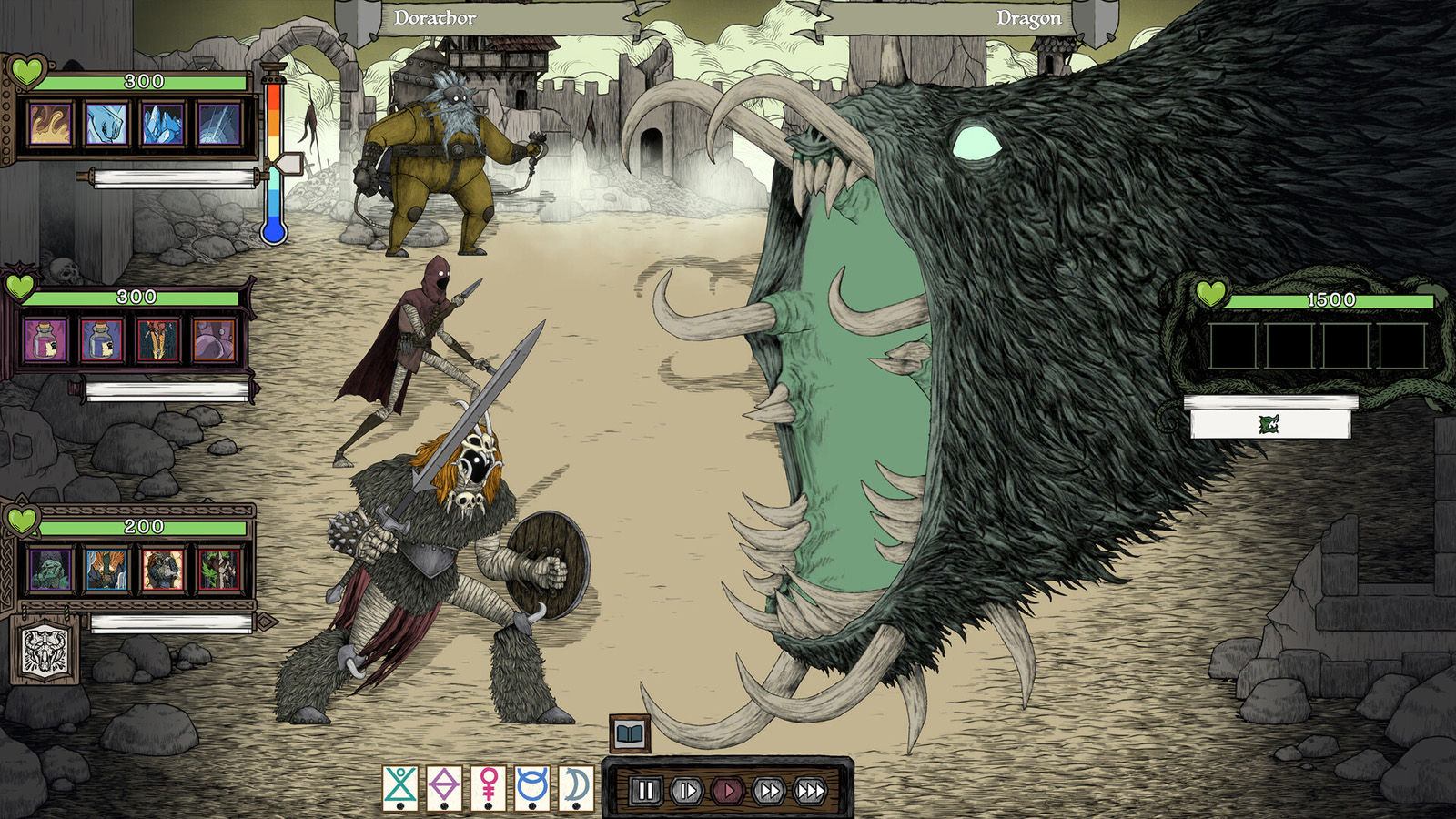
FLASK is not your typical deckbuilder. While the genre is often associated with clean, high-fantasy aesthetics or polished digital art, FLASK anchors itself in the visceral, hand-drawn tradition. The game functions as a strategic roguelike where players must navigate a grim, decaying world, managing both their resources and the looming threat of their own demise.
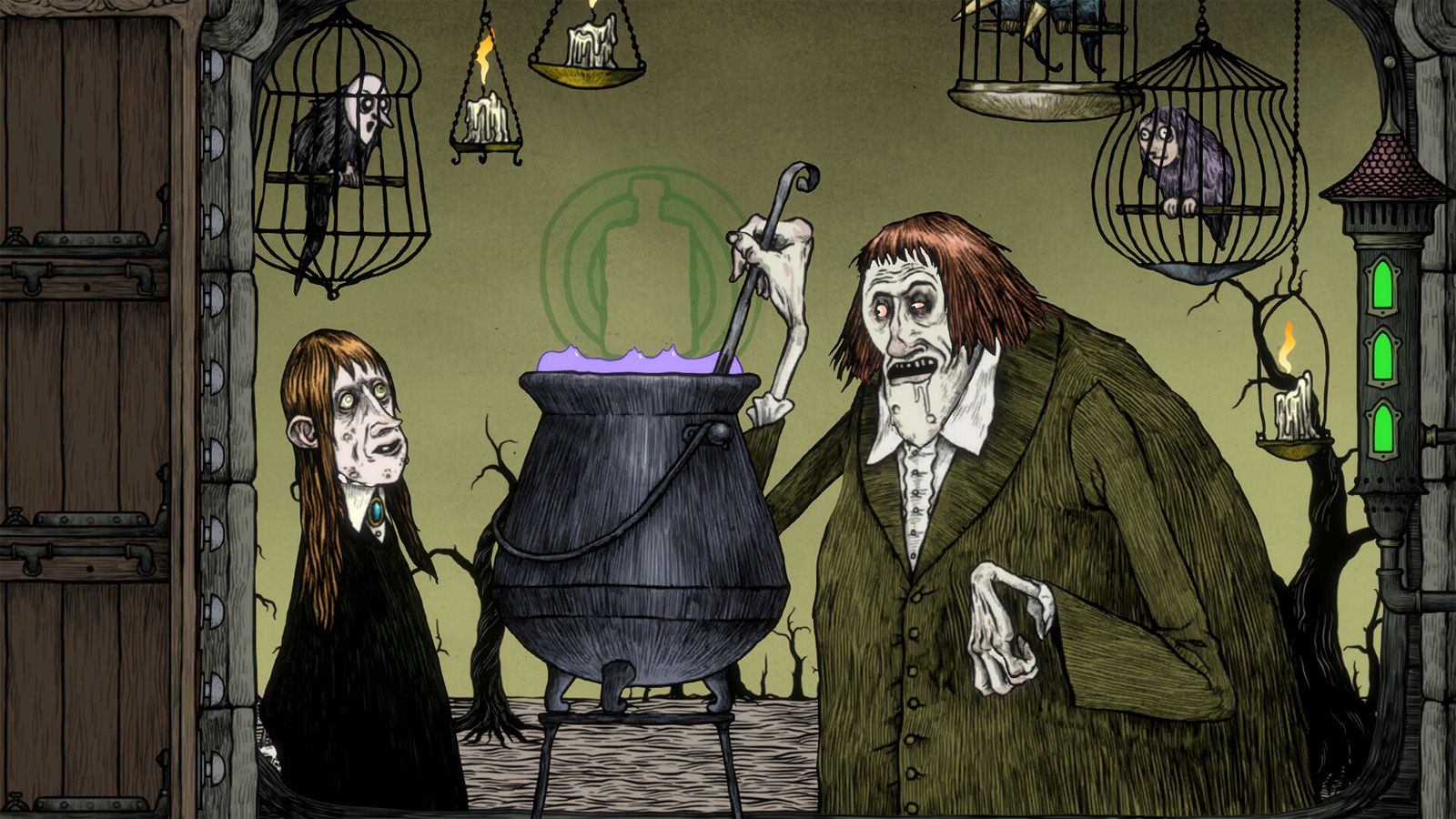
The project represents a significant shift in medium for Mortensen, whose career has spanned everything from children’s book illustrations and animation to high-profile exhibitions. For the uninitiated, Mortensen’s work is characterized by a specific, unsettling "scribble" style—a dense, chaotic network of lines that coalesce into monsters that feel both ancient and entirely new. In FLASK, this style serves as the foundational visual identity, creating a cohesive, nightmarish atmosphere that permeates every UI element, character sprite, and card design.
A Chronology of Creation: From Paper to Pixels
The journey to FLASK began with a collaboration between Mortensen and the development duo at Chop Chop Games, Dario and Michael. The process was a study in translation; how does one take an artist who works primarily with pen on paper and integrate him into a complex digital development pipeline?
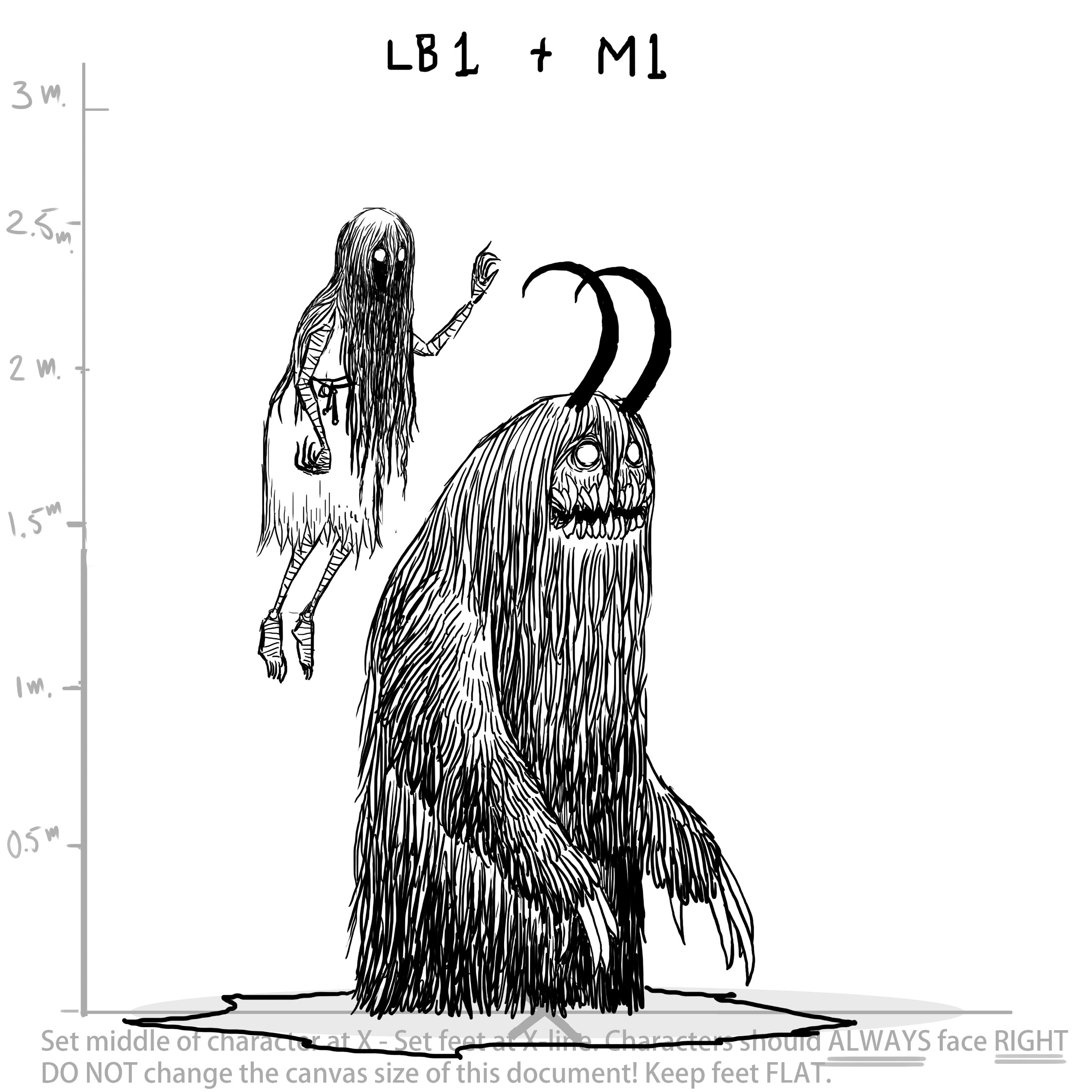
The development timeline was marked by an iterative process of "de-digitizing" the digital experience. Early stages focused on establishing the gameplay foundation—the mechanics of the roguelike, the auto-battler elements, and the theory-crafting loops—before Mortensen began layering his visual world-building over the top.
"The gameplay had to come in and lay down the foundation," Mortensen explains. "Once the mechanics were set, we began the process of integrating my drawings into the digital space. It was a learning curve, particularly regarding the use of light and color, which were elements I hadn’t needed to contend with in my monochrome work."

The project culminates in its current release phase, with the game arriving on Steam just in time for the Halloween season, signaling a new chapter in the convergence of fine art illustration and game development.
The Aesthetic DNA: Influences and Motivations
To understand FLASK, one must understand the dual pillars of its visual identity: the 1986 Jim Henson cult classic Labyrinth and the aggressive, driving energy of the thrash metal band Slayer.
It is an unlikely pairing, yet it creates a perfect tension. The Labyrinth influence brings a sense of tangible, practical, and slightly off-kilter fantasy—a world where the creatures are not just monsters, but characters with their own bizarre social hierarchies. The influence of Slayer, meanwhile, brings the grit, the speed, and the "dark humor" that prevents the game from falling into traditional high-fantasy tropes.
Mortensen describes his process as an exploration of the dark. "I see my work as a dark room, with a door slightly ajar at the end, where a little light comes in," he says. This philosophy extends to the gameplay itself, where players are encouraged to handle magic with extreme caution—a nod to the dangerous, unpredictable nature of the creatures he designs.
Official Insights: A Conversation with the Artist
In an exclusive discussion regarding the transition to game design, Mortensen reflects on the collaborative nature of the medium. For an artist who has spent decades working in the relative solitude of his studio, the shift to a team-based environment was both a challenge and a liberation.
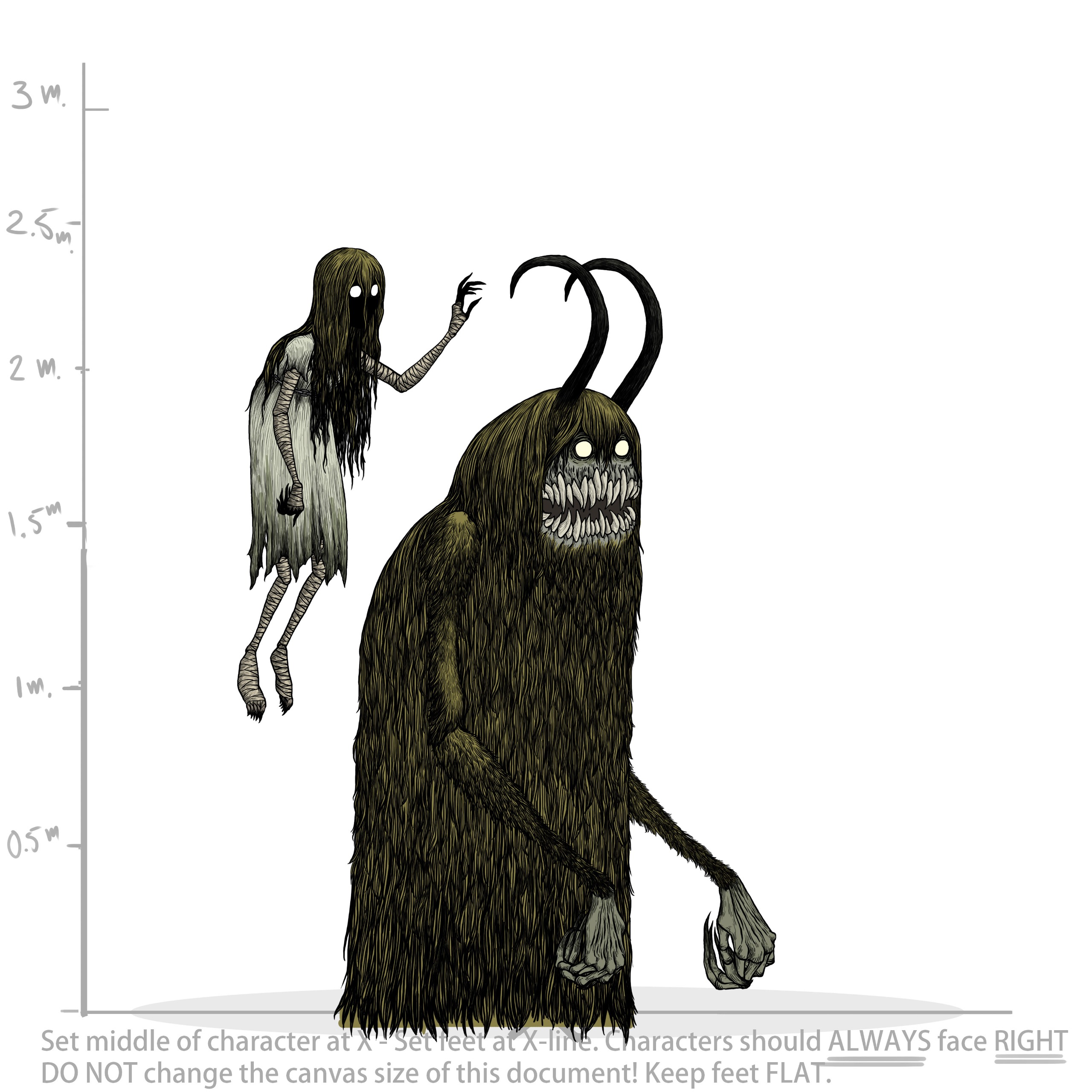
"Working with an art team has been a joy," says Mortensen. "When you work solo, you are the final arbiter of every line. Here, the digital artists are the bridge between my hand-drawn, paper-based world and the player’s screen. They have helped add depth through lighting and shading in ways I hadn’t initially imagined."
When asked about the difficulty of maintaining his signature "hand-crafted" feel in a digital card game, Mortensen credits the team’s discipline. "The rule for the artists working on the card art is that my visual style is the ‘real world’ of the game. They have to inhabit that space and create within it. It’s a very specific, fun creative exercise."
The Technical Challenge: Integrating Complexity
One of the most pressing questions in FLASK’s development was the balance between artistic integrity and functional clarity. In a deckbuilder, card art must be legible; the player needs to identify a card’s function at a glance. Mortensen’s art, by contrast, is dense, intricate, and intentionally confusing.
The resolution to this friction came through a division of labor. While Mortensen provided the "monstrous" visual language for the world, the team utilized external and internal artists to create the specific, functional card art. By framing the card art as "artifacts" created by artists living within the world of FLASK, the team managed to maintain a sense of immersion while ensuring the game remained playable.
Implications: The Future of "Hand-Drawn" Gaming
The release of FLASK signals a broader trend in the indie gaming sphere: a move away from hyper-realistic 3D assets toward distinct, auteur-driven artistic styles. Mortensen’s involvement proves that high-level, traditional illustration can not only survive the transition to digital gaming but can actively define the genre’s success.
The game also raises an interesting question about the role of the artist in the age of generative AI. By leaning so heavily into a style that is overtly "human"—imperfect, messy, and born of "bad habits and laziness," as Mortensen self-deprecatingly puts it—FLASK offers an authentic, tactile experience that resonates with players tired of polished, sterile visuals.
Looking Forward
As players dive into the world of FLASK, they will find more than just a card game; they will find a meticulously crafted, dark-humored, and hauntingly familiar world. Whether it’s the existential dread of a wizard struggling with his tower mortgage or the sight of a creature that looks like it crawled out of a Grimm fairy tale, FLASK stands as a testament to the power of artistic vision.
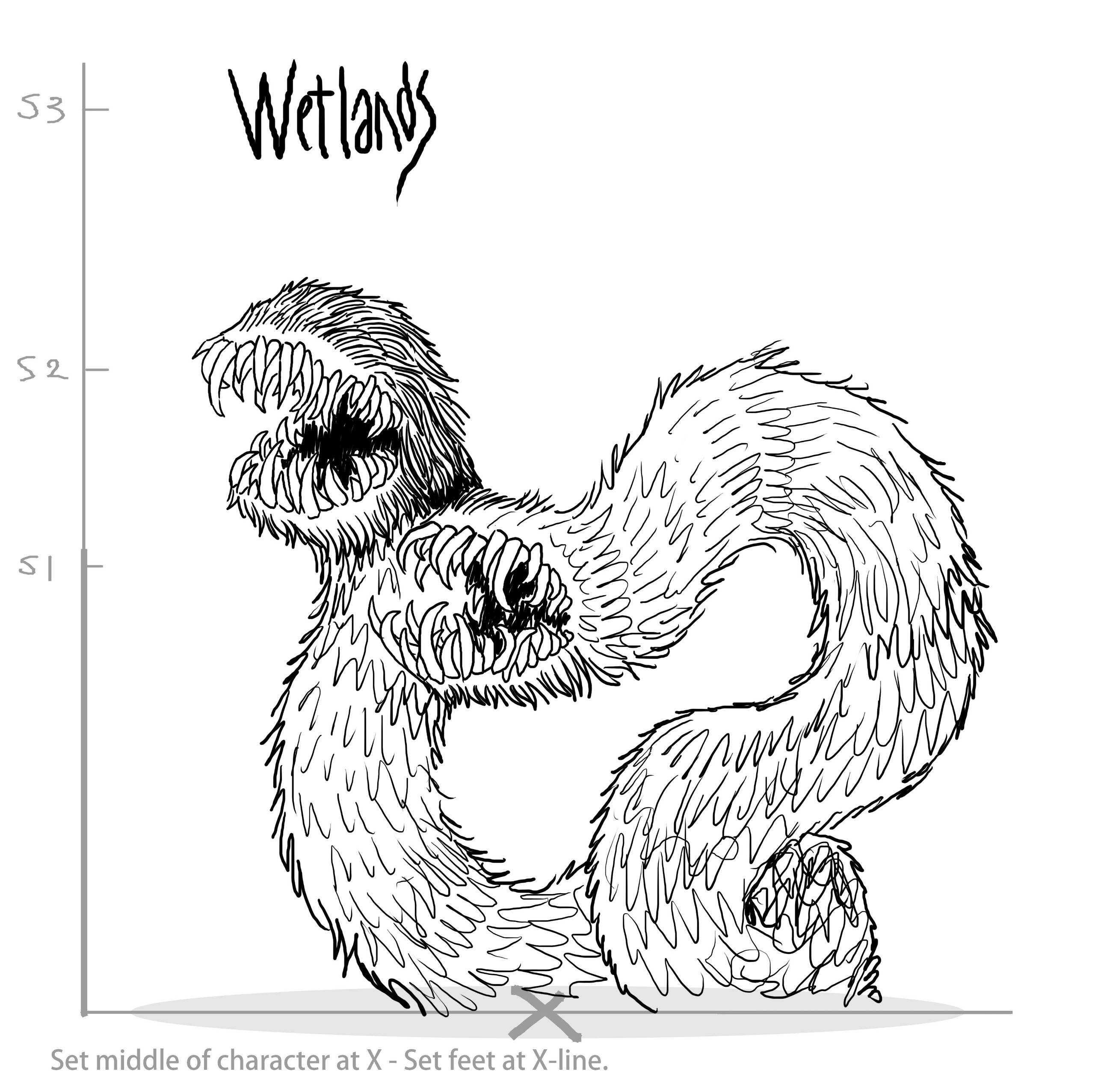
For Mortensen, the journey doesn’t end here. He views his career as a house with many rooms, and having now stepped into the "game development room," he is clearly not planning to leave anytime soon. With a wealth of new creatures already being drafted for future updates, the dark room of FLASK is only just beginning to open its door further, inviting players to step into the shadows and see what lies in the light.
FLASK is available now on Steam. For those who wish to see more of John Kenn Mortensen’s work, his social media channels remain a vital portal into his uniquely dark, ink-drawn universe.