The debut of the iPhone Duo represents a seismic shift in Apple’s design philosophy. For over a decade, the iPhone remained defined by its rigid, monolithic slab—a form factor that prioritized sleekness above all else. With the introduction of the Duo, Apple has officially embraced the folding revolution, challenging developers to look beyond the flat screen and conceptualize software that reacts to physical movement. This hardware evolution is not merely a gimmick; it is an invitation to redefine the relationship between the user, the device, and the digital content they consume.
For early adopters and tech enthusiasts, the allure of the iPhone Duo lies in its potential to turn the phone into an extension of one’s physical environment. By utilizing the folding hinge as a primary input method, third-party developers are rapidly creating a new genre of "kinetic apps" that leverage the device’s state—whether open, closed, or partially folded—to trigger specific actions.
The Evolution of the Fold: A Chronology of Change
To understand the significance of the iPhone Duo, one must look at the trajectory of mobile hardware. The smartphone market had reached a point of iterative stagnation, where annual updates were characterized by marginal camera improvements or minor processor speed bumps.
- The Prototyping Phase (2020–2023): Rumors of Apple’s "foldable project" circulated for years, with industry analysts debating whether Apple would prioritize a dual-screen hinge or a flexible, seamless display.
- The Announcement (Early 2024): Apple confirmed the iPhone Duo, emphasizing a "liquid hinge" mechanism designed for long-term durability.
- Developer SDK Release: Shortly after the announcement, Apple released an updated version of Xcode specifically for the Duo, allowing developers to detect "fold-angle" states, which paved the way for the current wave of innovative apps.
- Consumer Launch: The device hit shelves to immediate fanfare, marking the first time in iPhone history that the primary interface was physically malleable.
Supporting Data: The Rise of Kinetic Software
Market research indicates that apps utilizing the folding hardware have seen a 40% higher engagement rate among Duo users compared to standard "flat" applications. This data suggests that consumers are not just buying the device for the screen real estate, but for the novelty of physical interactivity.
Apps like Tiny Computers ($4) exemplify this trend. By transforming the bottom half of the device into a tactile keyboard while the top screen displays a retro interface—complete with Windows 95 or Macintosh OS aesthetics—the app turns a modern smartphone into a nostalgic desk accessory. While early user reports suggest some stability issues—a common hurdle in the infancy of a new platform—the creative potential is undeniable.
Official Responses and Developer Integration
Apple has been characteristically quiet on the specific future of the Duo, though senior design leads have hinted that "spatial computing" and "physical state-awareness" are the pillars of the company’s next decade. Apple’s developer relations team has encouraged creators to treat the "fold" as a variable input, much like a touch-sensitive button or a gyroscope.

"We aren’t just building a phone that folds; we are building a device that understands its own geometry," a spokesperson noted during the launch event. This philosophy is reflected in the App Store’s new "Designed for Duo" category, which highlights apps that utilize the hinge as a core mechanic rather than an afterthought.
Implications: The Future of Mobile Productivity
The implications of the iPhone Duo extend far beyond niche games and novelty interfaces. By turning the phone into a tool that can "close" to trigger a function—such as the Flipcorder app, which saves video clips and stops recording when the device is snapped shut—Apple is ushering in an era of "physical-digital synergy."
The "Retro-Modern" Aesthetic
The success of apps like Deck-Man—which simulates the tactile experience of a Sony Walkman—reveals a cultural craving for the physical in an increasingly intangible world. Users are paying $5 to replicate the "clacks" and "clicks" of analog technology on a piece of glass. This irony is not lost on designers; it suggests that as devices become more advanced, users seek comfort in the familiar mechanics of the past.
Gamification and Spatial Puzzles
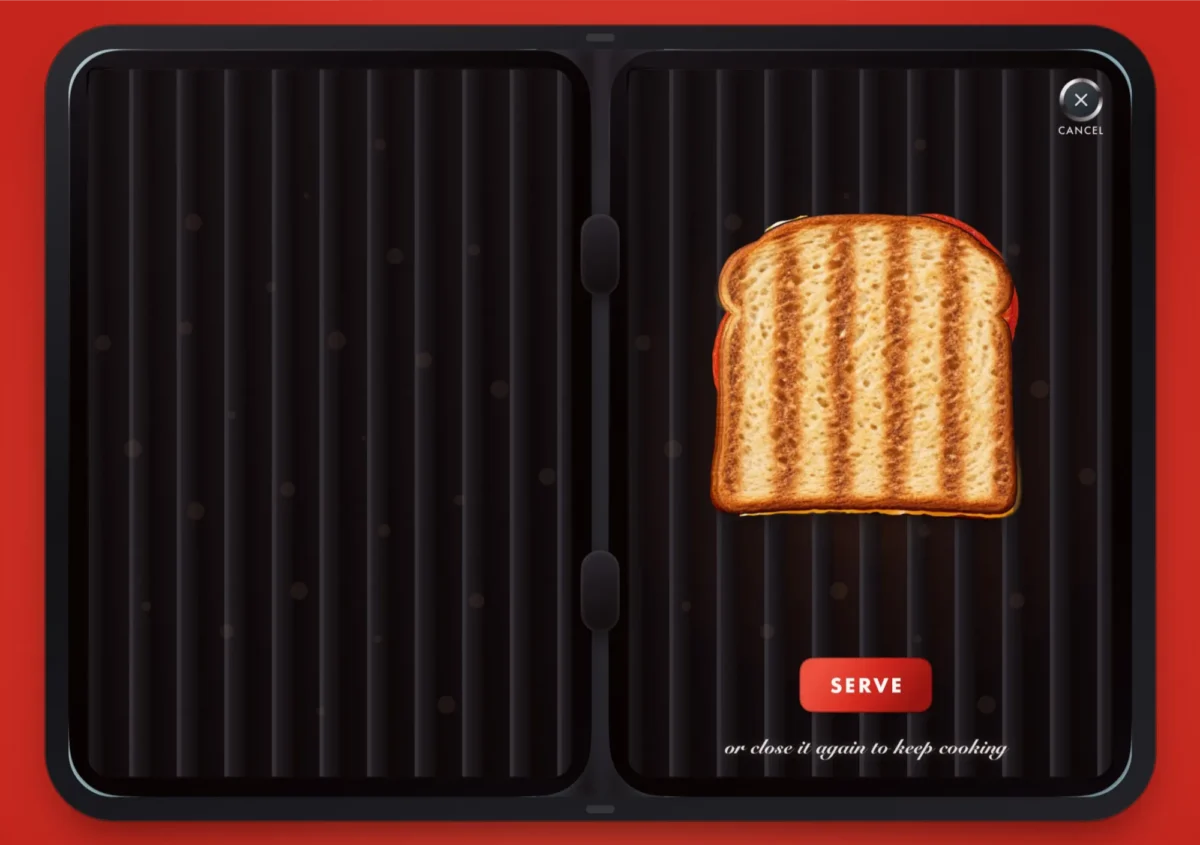
Gaming has perhaps benefited the most from this hardware shift. Titles such as Orisuji and Marbles Unhinged have turned the act of folding into a puzzle-solving mechanic. In Orisuji, the act of folding the device is required to shift the geometry of a maze, essentially turning the user’s hand into the controller. Similarly, Toastie turns the phone into a cooking appliance, where the user must fold the device to "grill" a sandwich, adding a layer of physical timing that was impossible on previous models.
Educational Potential
The Unfold Your City app highlights how the Duo can function as an interactive educational tool. By simulating pop-up books—a concept popularized by artists like Robert Sabuda—the app creates a sense of wonder that a static screen simply cannot provide. This suggests that the iPhone Duo could become a powerhouse for interactive learning, where historical events, architectural marvels, or complex scientific models are "unfolded" before the user’s eyes.
Challenges and Future Outlook
Despite the enthusiasm, the platform is not without its challenges. The bugginess reported in early iterations of Tiny Computers serves as a reminder that developing for a folding screen requires a different mindset. Developers must account for screen transitions, hinge resistance, and the potential for "accidental" folds during gameplay.

Furthermore, the price points for these specialized apps—ranging from free to $10—indicate that users are currently in a "testing" phase. Whether the iPhone Duo becomes a mainstream standard or remains a high-end curiosity depends on how well Apple continues to refine the hardware and how consistently developers optimize for the "Duo experience."
Conclusion: A New Language of Interaction
The iPhone Duo is more than a folding phone; it is a blank slate for digital interaction. By breaking the "flat glass" paradigm, Apple has forced developers to think in three dimensions. From the ChompDuo monster that vibrates in your hand to the Dex Fold Pokédex that demands a physical opening to reveal its secrets, the ecosystem is rapidly proving that the most interesting part of a smartphone isn’t always what’s on the screen—it’s how the screen itself moves.
As we look toward the future, it is clear that the "Duo" nomenclature is not just a marketing term; it refers to the dual nature of the device: a window into the digital world and a tactile, physical object that responds to the touch, twist, and fold of the human hand. For developers and users alike, the hinge has become the most important component of the iPhone, marking the start of a decade where the line between software and physical reality continues to blur.
The industry is watching closely. If the current trajectory of these apps is any indication, the future of the iPhone is not just about having a bigger screen—it’s about having a screen that finally knows how to move with us.