By Meredith Dietz
Senior Staff Writer
November 2, 2026
As the calendar turns toward November and December, millions of Americans face a familiar, high-stakes deadline: the expiration of their Flexible Spending Account (FSA) funds. Unlike Health Savings Accounts (HSAs), which are owned by the individual and roll over indefinitely, FSAs often operate on a "use it or lose it" basis. If you don’t spend the balance by the end of your plan year, that hard-earned, pre-tax money simply vanishes.
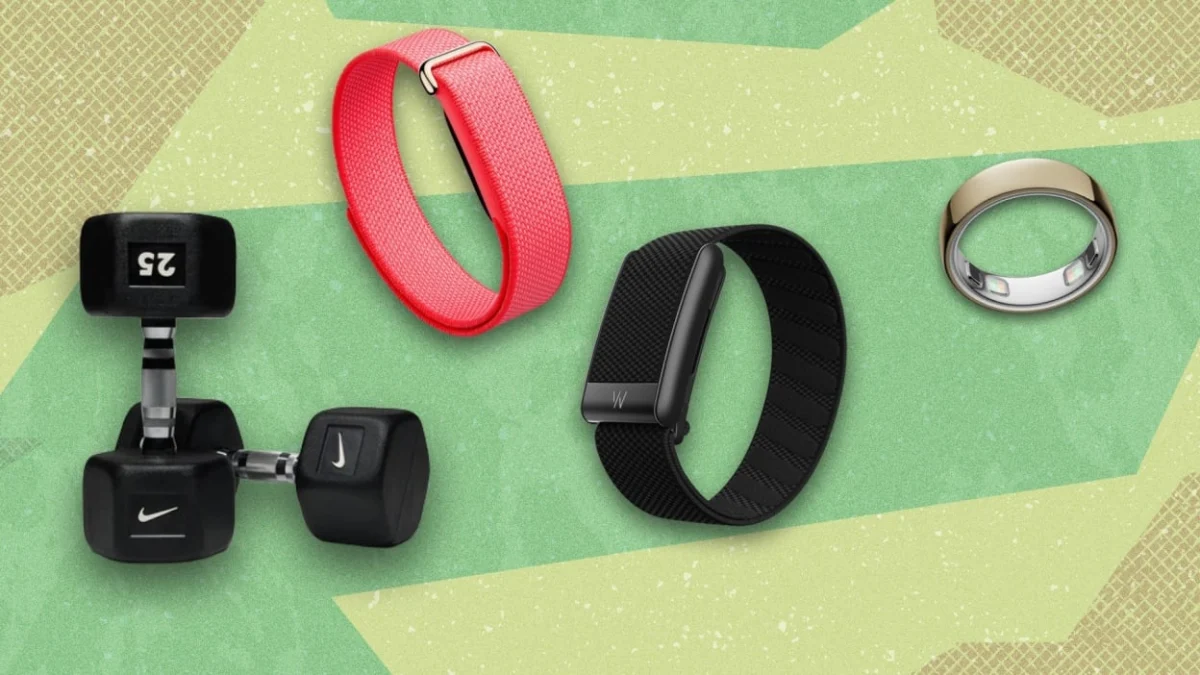
While many consumers instinctively scramble to buy extra boxes of bandages or contact lens solution, a growing trend in digital health is turning these accounts into gateways for high-end fitness technology. Brands like Oura, Whoop, and various smart-equipment manufacturers are increasingly positioning their products as medically necessary tools. But is this a legitimate health strategy, or are consumers flirting with IRS scrutiny?
Main Facts: The Intersection of Wellness and Medicine
The fundamental premise of using tax-advantaged health dollars for fitness gear hinges on the IRS definition of "qualified medical expenses." Generally, these are costs incurred primarily for the prevention or alleviation of a physical or mental defect or illness.
While a standard smartwatch purchased for step-tracking is considered a "general wellness" item—and therefore ineligible—the landscape shifts the moment a device is categorized as a tool for managing a specific, documented condition. This is where the Letter of Medical Necessity (LMN) enters the equation. An LMN is a formal document provided by a licensed healthcare practitioner that asserts a specific product is required to treat a diagnosed medical condition, such as obesity, hypertension, diabetes, or cardiovascular risk.
The "Truemed" Revolution
Historically, obtaining an LMN was a cumbersome process involving multiple office visits and significant administrative friction. However, the emergence of third-party platforms like Truemed has streamlined this. By integrating directly into the checkout flow of fitness brands, these platforms provide a digital intake survey that connects consumers with licensed clinicians. If the clinician deems the purchase medically appropriate, they issue an LMN, allowing the consumer to pay with their FSA or HSA card.
Chronology: The Evolution of FSA Eligibility
- Pre-2020: FSA usage was strictly limited to traditional medical supplies, prescriptions, and specific co-pays. Fitness trackers were almost universally rejected by plan administrators as "lifestyle" products.
- 2020–2022: Following the passage of the CARES Act and shifting attitudes toward remote health monitoring, the definition of "medical necessity" began to broaden. Consumers started successfully advocating for reimbursement for blood pressure monitors and glucose-tracking wearables.
- 2023–2025: The rise of AI-driven diagnostic platforms and integrated e-commerce solutions allowed brands to partner with third-party medical networks. This era saw the "Pay with HSA/FSA" button become a standard feature on websites for companies ranging from high-end recovery wearable manufacturers to home gym equipment providers.
- 2026 (Present): The market has reached a saturation point where consumers are now aggressively auditing their own health profiles to justify the purchase of rowing machines, smart rings, and recovery gear, provided they can secure the necessary documentation.
Supporting Data: Why Approval Rates Remain High
Critics often assume that utilizing these funds for "gadgets" is a red flag for the IRS. However, the data suggests that when a professional intermediary is involved, the success rate is remarkably high.
According to data from platforms like Truemed, approximately 90% of requested LMNs are issued within a seven-hour window. The reason for this high success rate is proactive screening. Because these platforms screen cases before they reach a licensed provider, requests that are clearly outside the bounds of medical necessity—such as a request for a high-end luxury watch with no health-tracking intent—are filtered out before they are ever processed.
Furthermore, medical standards regarding chronic conditions have shifted. Many physicians now view consistent, objective data—such as HRV (Heart Rate Variability) from a Whoop band or sleep quality metrics from an Oura Ring—as essential components in managing patients at risk for heart disease or metabolic syndrome. If a patient is at risk for hypertension, a device that tracks stress and heart rate is no longer viewed as a "lifestyle accessory" but as a preventative medical instrument.
Official Responses and Regulatory Nuance
Despite the convenience, experts advise caution. While many brands market their products as "HSA/FSA eligible," this label is often contingent upon the LMN process.

The Role of the Employer
It is critical to note that your specific FSA administrator holds the final say. While IRS guidelines provide the framework, individual plan administrators may have varying levels of scrutiny. Some may accept an LMN without question, while others may require additional verification or may outright refuse to reimburse certain categories of goods.
The "Standard of Care" Argument
Justin Mares, CEO of Truemed, argues that the process aligns with standard medical care. "If you visit a doctor because you have a family history of heart disease, they don’t necessarily demand a week of lab work before they suggest you monitor your stress levels or activity," Mares explains. "The clinician’s role is to assess the risk and determine if a tool helps mitigate that risk. That is the essence of a qualified medical expense."
Implications: What You Need to Know Before You Buy
If you are planning to spend your remaining 2026 funds on fitness technology, follow these guidelines to ensure compliance and avoid tax penalties:
1. Document the Condition
An LMN is tied to a specific condition. You cannot simply buy a tracker for general health. You must be able to link the device to a condition like pre-diabetes, chronic back pain, or cardiovascular risk. Ensure that your intake forms reflect this reality honestly.
2. Check the Merchant’s Integration
Not all "HSA/FSA eligible" claims are created equal. Prioritize brands that integrate with reputable verification services. If a site simply tells you that you can use your card but provides no path to obtain an LMN, you risk a rejected transaction or a clawback from your administrator later in the tax year.
3. Recovery vs. Activity
Recovery-focused wearables (Oura, Whoop, Amazfit) are currently seeing the highest success rates for reimbursement. Because they focus on sleep quality and stress management—two areas directly linked to long-term health outcomes—they are easier to defend as medical necessities than general-purpose sport watches.
4. The "Partial Coverage" Reality
Manage your expectations: your FSA funds may not cover the entire cost of a top-tier device. Often, the savings come in the form of a 30% reduction in the net cost, thanks to the tax-advantaged nature of the funds.
5. Keep Your Records
Even if your purchase is approved at the point of sale, always maintain a digital folder containing your receipt and the LMN. In the event of a tax audit or a plan review, having this documentation is your only defense.
Final Thoughts: The Year-End Strategy
As December 31 approaches, the temptation to panic-spend is high. However, the ability to turn "use it or lose it" funds into long-term health investments is a powerful tool for those willing to do the legwork. By understanding the intersection of your own health history and the current capabilities of medical-tech verification, you can transform what would have been lost capital into a legitimate upgrade for your personal health regimen.
Remember: The product itself is not the eligibility factor—your health status is. Before you finalize that cart, verify the medical necessity, ensure your documentation is in order, and make that money work for your future wellness.