In an era where the creative industries are undergoing a seismic shift—marked by the rapid integration of artificial intelligence, widespread industry layoffs, and a growing anxiety regarding the future of human artistry—it is easy for emerging talent to feel adrift. The prevailing narrative suggests that technological efficiency is replacing creative nuance. However, industry veteran and award-winning production designer Christopher Glass offers a grounded, defiant counter-narrative: the soul of filmmaking remains firmly in the hands of human creators.
With over two decades of experience shaping the visual landscapes of feature films, television, and high-end advertising, Glass—a recipient of both an Art Directors Guild (ADG) Award and a Gold Cannes Lion—argues that while technology evolves, the necessity for tactile, emotionally resonant storytelling remains constant. In a candid reflection on his career and the state of the industry, Glass challenges the notion that designers are becoming obsolete, urging the next generation to embrace both traditional craft and strategic adaptation.
The Role of the Production Designer: A Behind-the-Scenes Necessity
One of the most significant challenges Glass faces—beyond the encroaching tide of automation—is the persistent misunderstanding of his profession. Even among his own family and certain peers in the industry, the role of a production designer remains shrouded in ambiguity.
"I wish people knew what production designers do. Most people don’t," Glass explains. "A lot of my own family don’t understand what I do for a living. It’s easy to say we are responsible for the look of everything in a film except the costumes, cinematography, and the off-camera lighting, but even that sounds ambiguous."
At its core, production design is the architecture of a narrative. It involves translating a script’s intangible themes into physical spaces that ground an audience in a story. While the best directors and producers understand the critical nature of this role, the lack of general awareness highlights a disconnect between the audience’s experience of a film and the immense labor required to create its visual world.
The Chronology of Craft: From Practicality to Digital Disruption
Glass’s career has spanned the transition from purely analog filmmaking to the high-tech environments of the modern studio. Throughout his journey, he has maintained a steadfast commitment to practical effects.
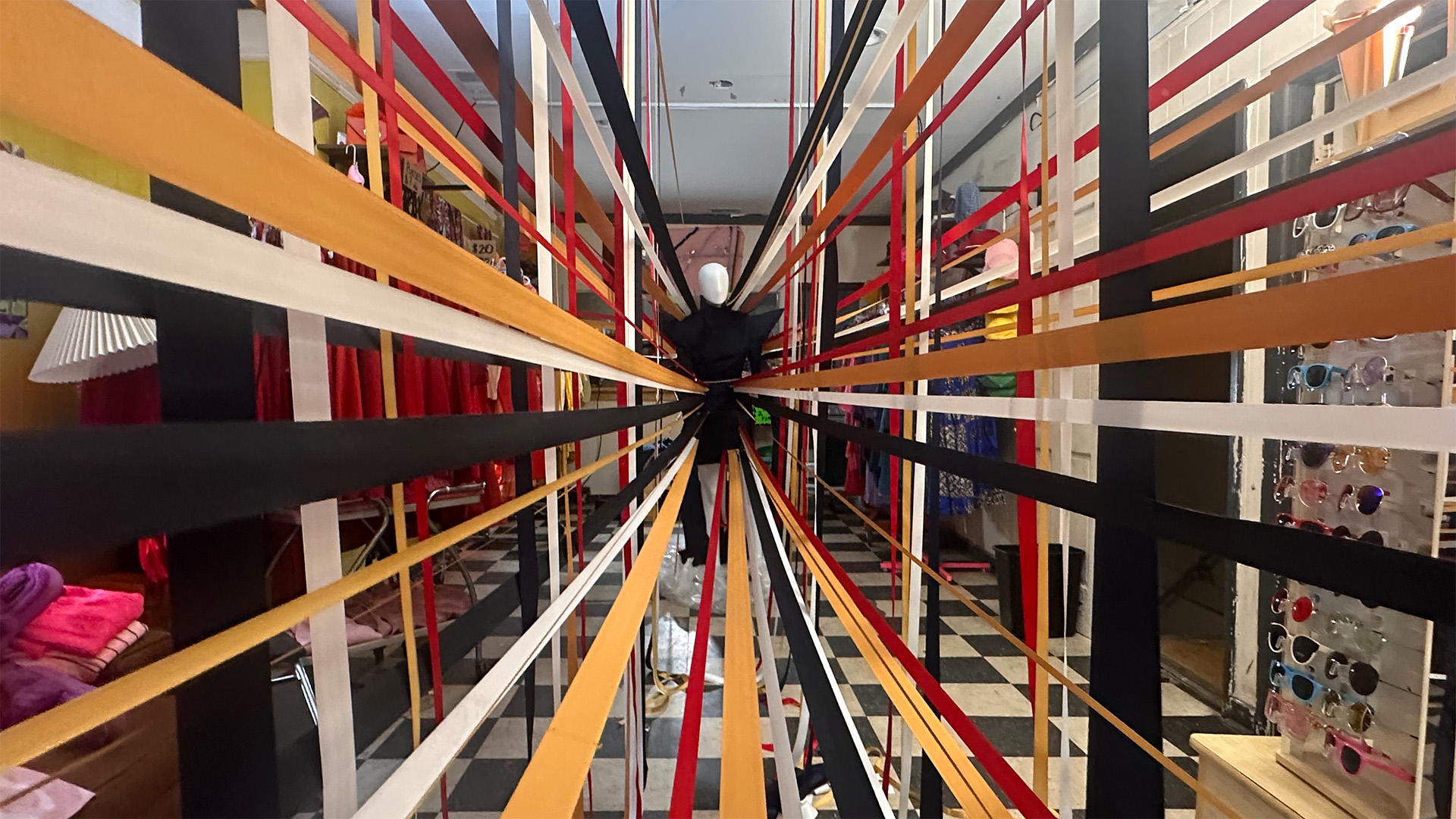
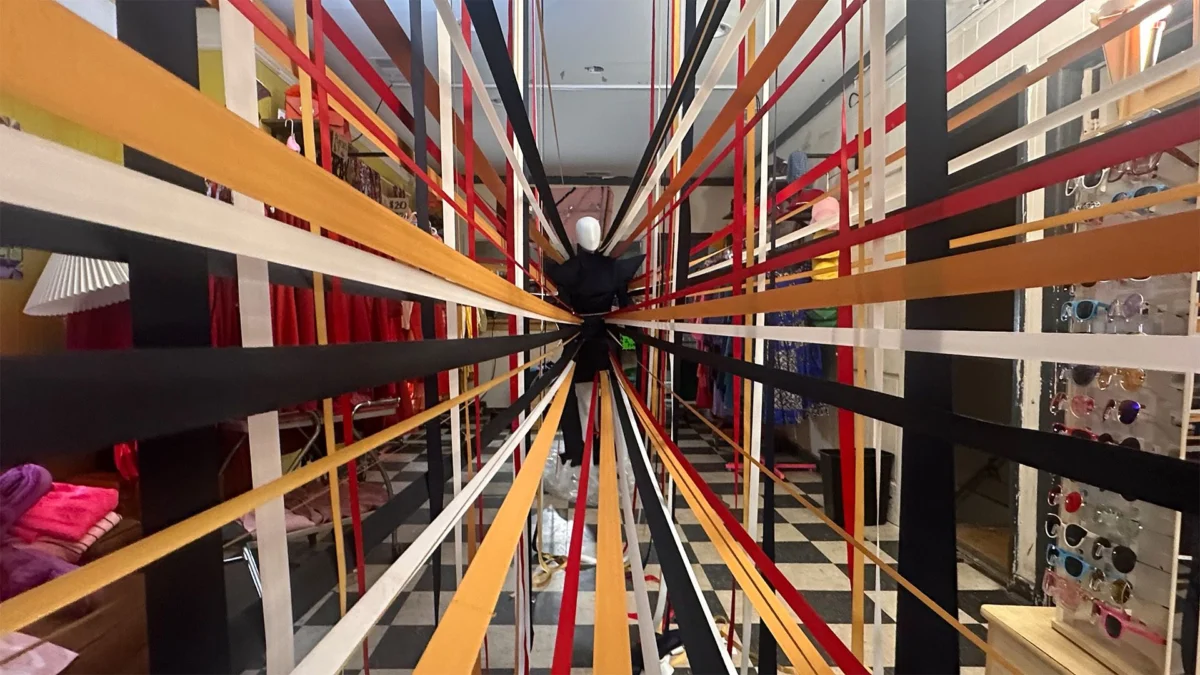
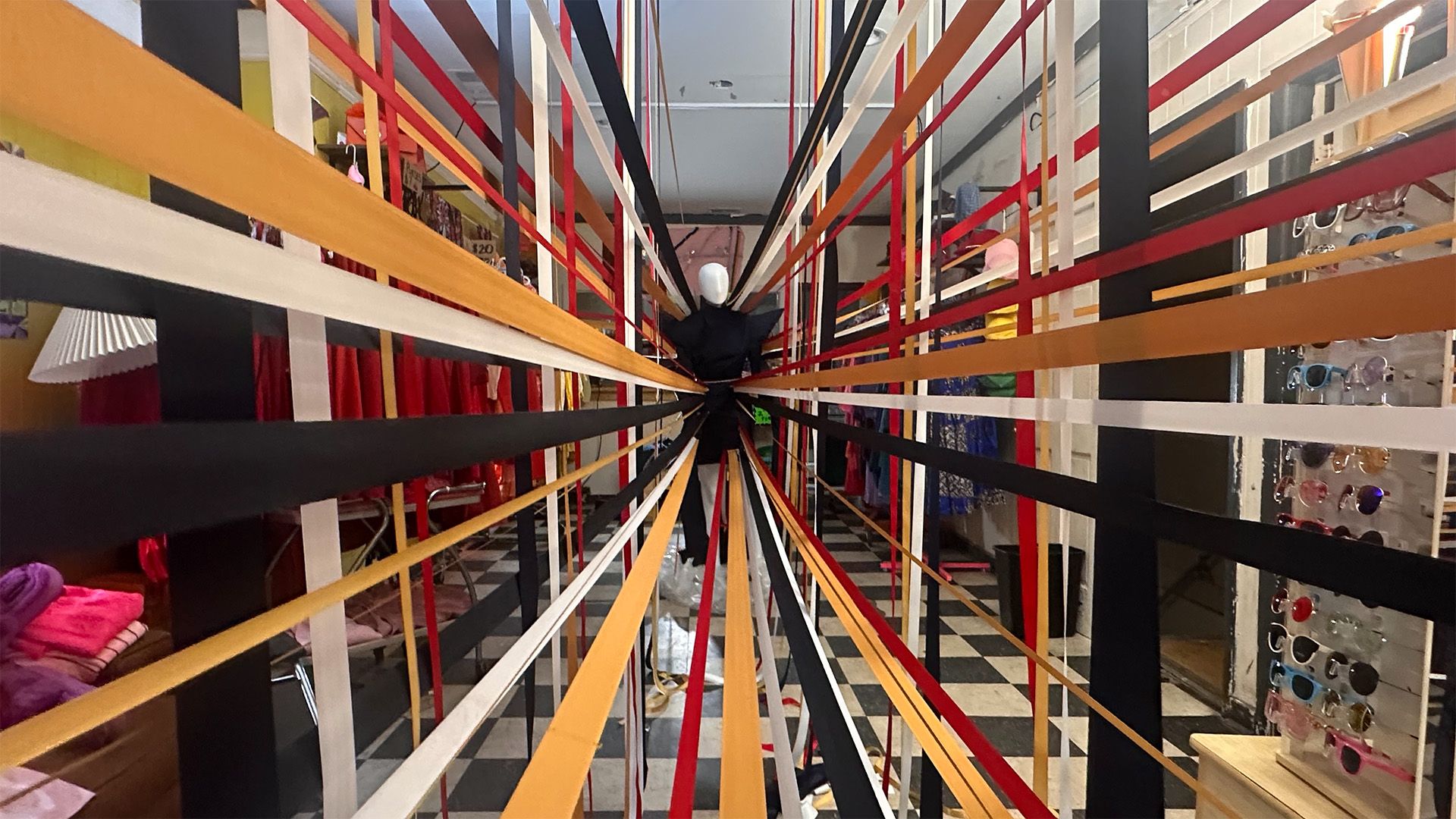
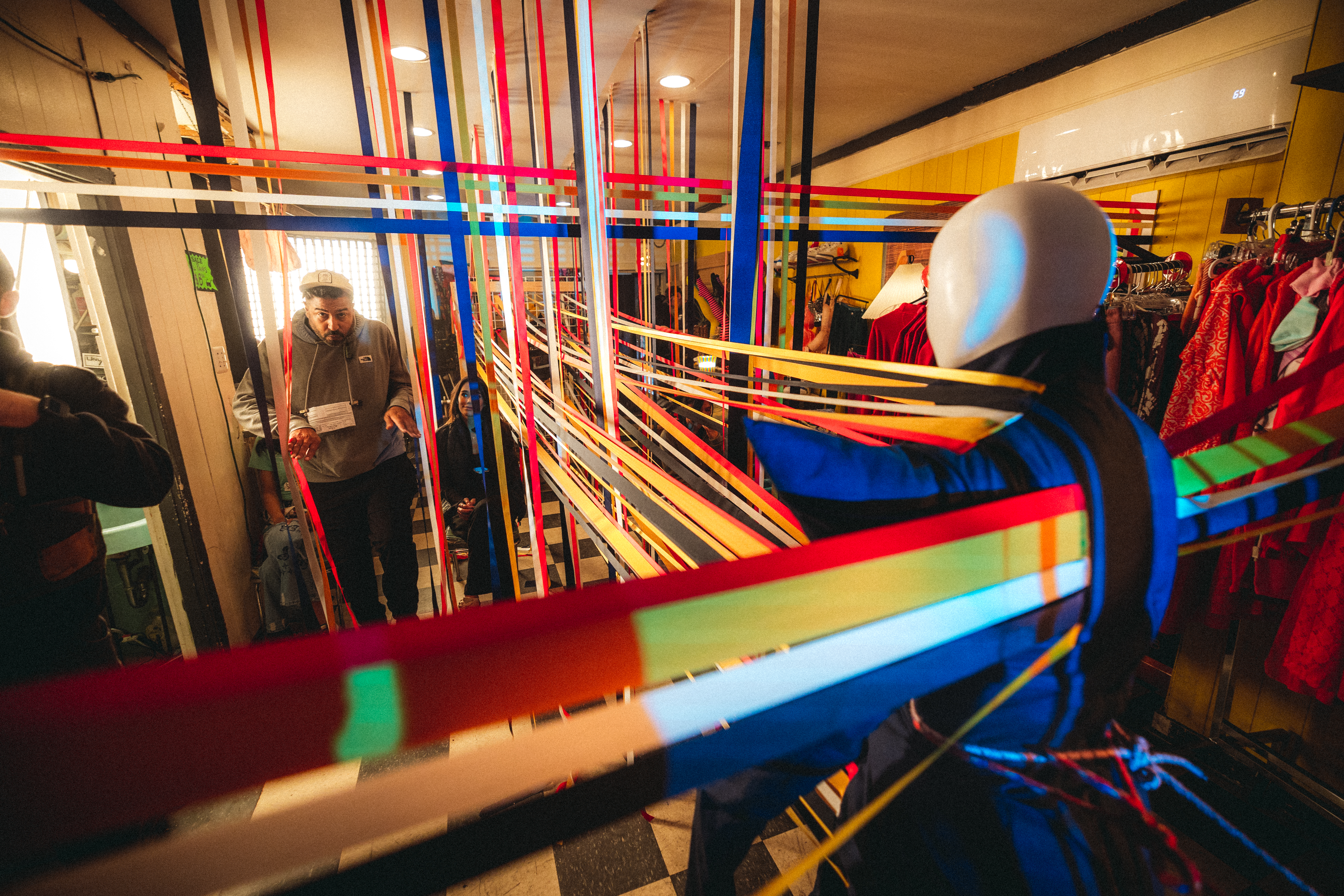
In the earlier years of his career, production design was defined by the physical build—constructing sets, sourcing period-accurate props, and working with painters and sculptors to create textures that the camera could capture natively. As the industry moved toward digital post-production and, eventually, virtual production (LED volumes), Glass observed a shift in how directors and actors interacted with their environment.
Despite the digital surge, Glass’s recent projects continue to demonstrate that physical sets remain the gold standard for performance. "Actors always respond better to real sets, people, and FX," he notes. "It’s simple. They have incredible imaginations; however, nothing beats having something there to interact with." By keeping the focus on the tangible, Glass ensures that the emotional stakes of a film are rooted in reality, rather than a digital approximation.
AI: The "Anti-Thesis of Feelings"
The most pressing concern in contemporary production design is the rapid deployment of generative AI. For Glass, the perspective is nuanced: he recognizes the technical utility of the tools while remaining deeply critical of their philosophical impact on art.
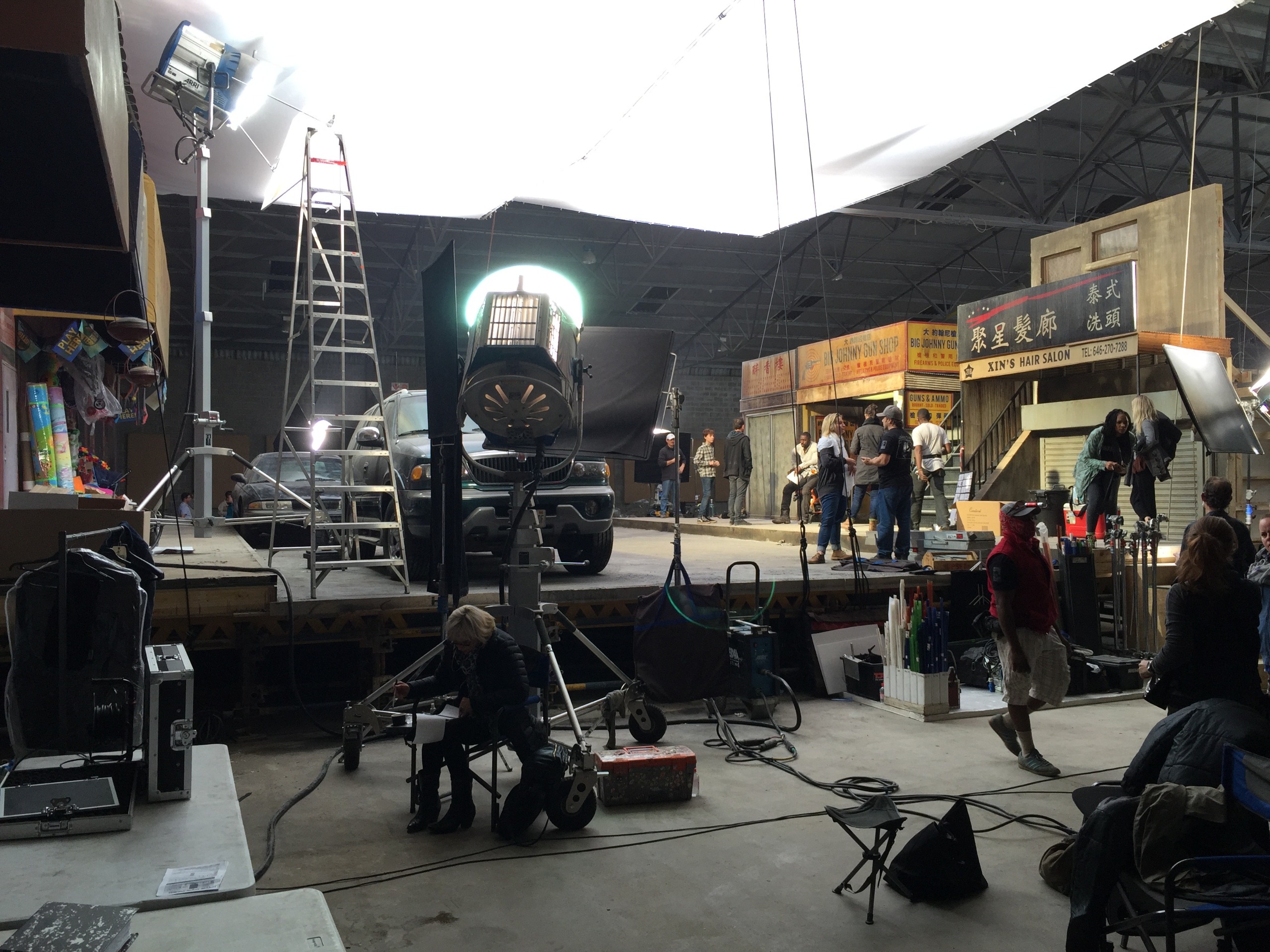
"AI is the antithesis of feelings. It is a removal of humanity," Glass asserts. He acknowledges that, economically, the industry is forcing designers to integrate these tools for survival. There is no denying that AI can streamline processes: "There is no reason to ever have green screens again or LED volumes. Rig removal can be done instantaneously. Set extensions will soon be a snap. That’s technically useful and economically enticing."
However, the risk lies in confusing efficiency with creativity. Glass warns that while AI can generate references and speed up communication, it lacks the lived experience required to create original, emotionally profound work. "Humans are more capable of coming up with novel ideas. We have lives, memories, true emotions, and experiences that haven’t ever been posted onto a forum or social media platform for the AI vacuum machines to suck up and regurgitate with a prompt."
Supporting Data: The Economic Reality and the Human Advantage
The industry is currently caught in a cycle of "economically forced" adoption. Production companies are looking to reduce costs, and AI is frequently pitched as the solution to ballooning budgets. Yet, there is a hidden cost to this transition.
When sets are entirely generated by AI or when the human labor of construction is removed, the "in-camera" quality of a film often suffers. This leads to a homogenization of visual language. Glass’s philosophy—that the human element is irreplaceable—is supported by the growing "uncanny valley" fatigue reported by audiences.
The industry’s reliance on "tech weenies," as Glass affectionately calls those who prioritize automation over art, risks creating a generation of designers who are more proficient at prompting than at creating. By focusing on the "what" rather than the "how," the industry threatens to strip away the idiosyncrasies that make film unique.
Official Stance: A Call to Courage
When asked for his advice to young creatives entering a volatile market, Glass’s message is one of resilience and intellectual expansion. He refuses to buy into the narrative of extinction.
"Don’t let the tech weenies make you think we will become extinct as designers and artists," he says. Instead, he proposes a strategy of tactical subversion: "Use their tools against them."
His advice for the next generation of production designers can be broken down into four key pillars:
- Collaborative Humility: Film is a medium of cooperation. Being able to admit when you do not have an answer is a strength, not a weakness. It fosters trust among the crew and allows for better solutions to emerge from group brainstorming.
- Intellectual Curiosity: Glass encourages young designers to look beyond the screen. "Go to museums and study history. Dream." True innovation in design often comes from referencing the past rather than copying the latest trends.
- Financial Literacy: "Learn budgeting!" This is a practical, often overlooked skill that empowers designers to advocate for their vision. Understanding the numbers allows a designer to fight for the practical elements that make a film great, rather than simply accepting digital shortcuts as the only affordable option.
- Maintaining Courage: It takes bravery to prioritize a physical build when a director asks for a cheaper, faster digital alternative. Confidence in one’s craft is essential to preserving the integrity of the film.
Implications for the Future of Filmmaking
The implications of Glass’s stance are clear: the future of production design will be a battleground between efficiency and depth. As AI continues to scrape the internet for data, the role of the designer must evolve into something more "human-centric" than ever before.
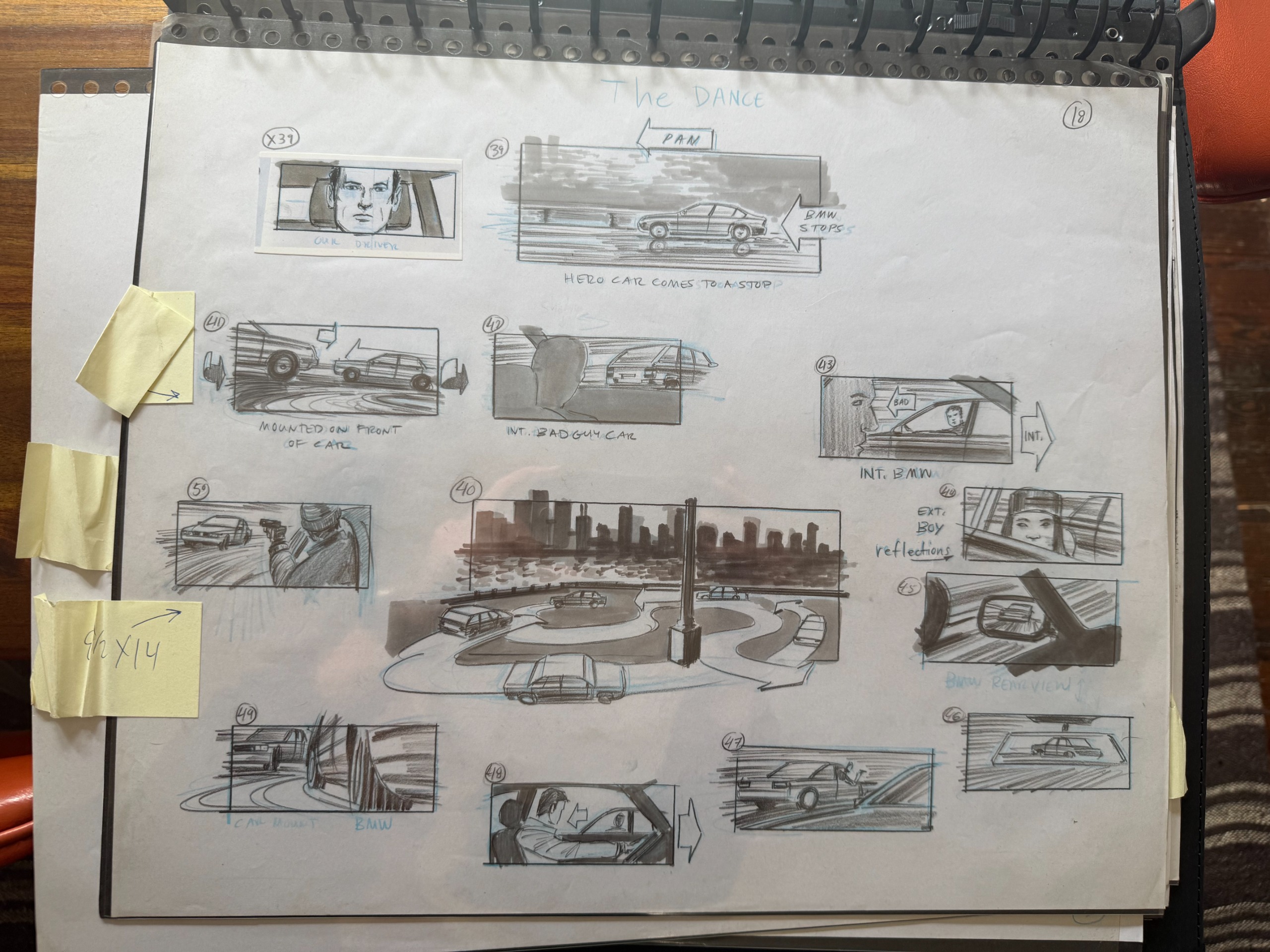
If the industry continues to push toward total automation, the value of the "hand-made" will paradoxically increase. Films that prioritize authentic, physical production design will likely stand out as prestige works in a sea of AI-generated content. Christopher Glass’s career serves as a roadmap for this resistance. By combining traditional artistic sensibilities with a modern understanding of economics and technology, he demonstrates that it is possible to remain relevant without sacrificing the soul of the craft.
In conclusion, while the tools of the trade are shifting, the mission of the production designer remains unchanged: to build worlds that feel true. As long as there are creators who are willing to fight for the value of human experience, the "monster" of AI will remain a tool in the workshop, rather than the architect of our stories.