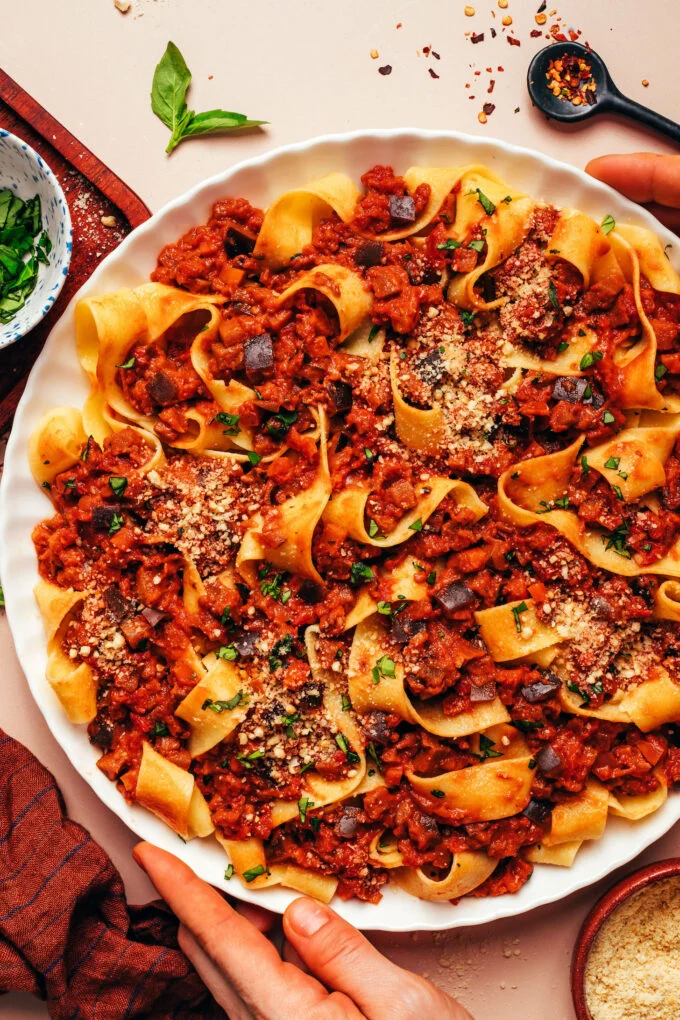
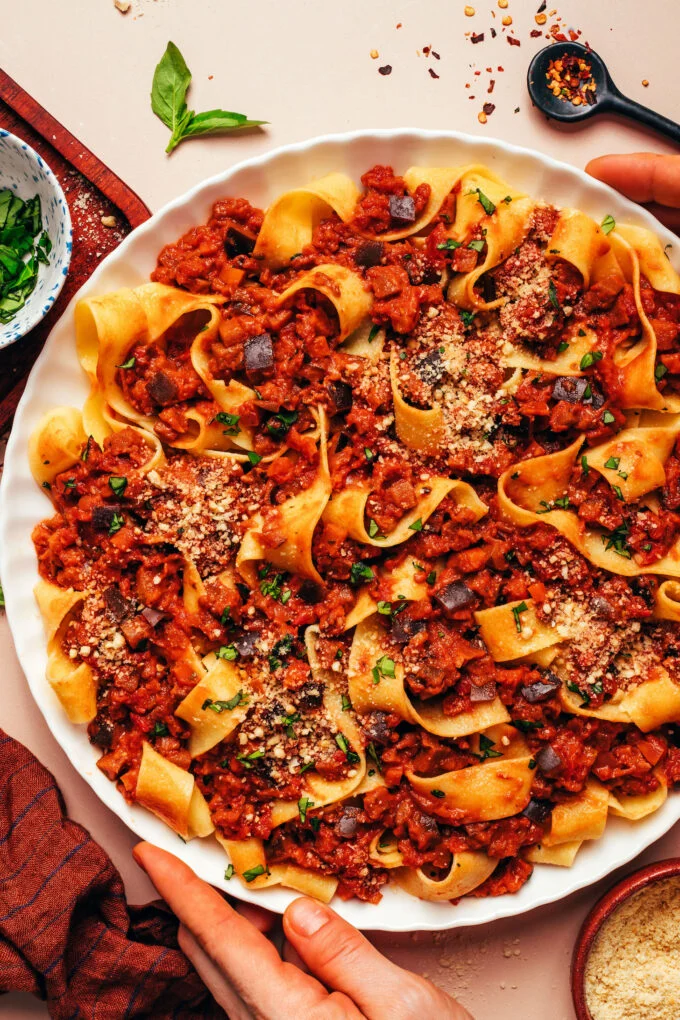
In the ever-evolving landscape of contemporary home cooking, few dishes occupy as much cultural real estate as the classic Italian Bolognese. Traditionally a slow-simmered, meat-heavy ragù hailing from the Emilia-Romagna region, the sauce has long been a labor of love—a multi-hour commitment requiring patience, precise technique, and a butcher’s bounty. However, a new culinary movement is challenging this orthodoxy, proving that complexity of flavor does not necessarily require a complexity of preparation. Enter the "One-Pot Eggplant Bolognese," a sophisticated, plant-based reimagining that is currently capturing the attention of home cooks and food critics alike.
This article explores the rise of this dish, examining its structural composition, the culinary logic behind its adoption, and why it has become the quintessential late-summer staple.
Main Facts: The Anatomy of a Modern Classic
At its core, the Eggplant Bolognese is a triumph of vegetable-forward engineering. By utilizing the spongy, absorbent texture of eggplant, chefs can replicate the hearty, toothsome mouthfeel typically provided by ground meats.
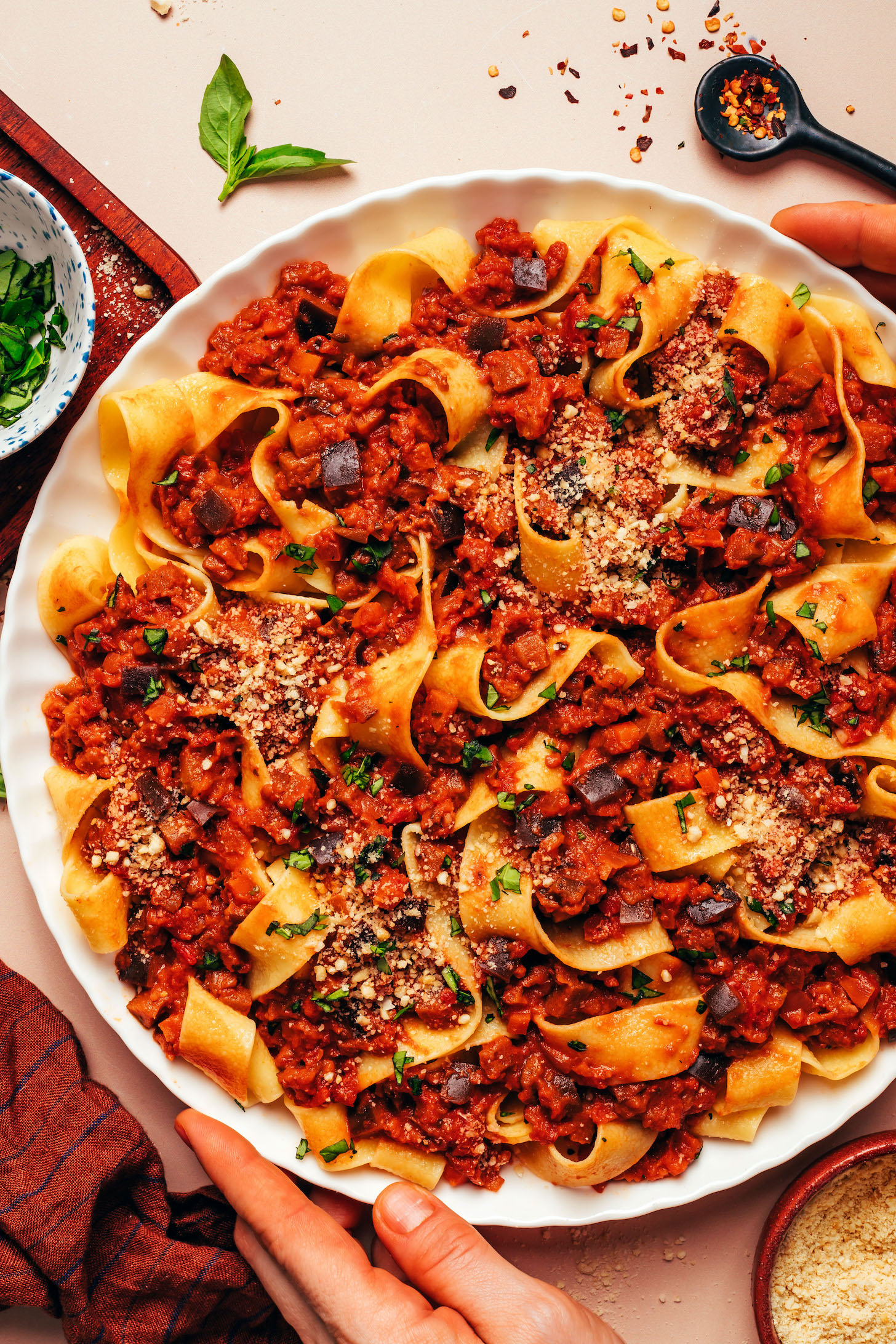
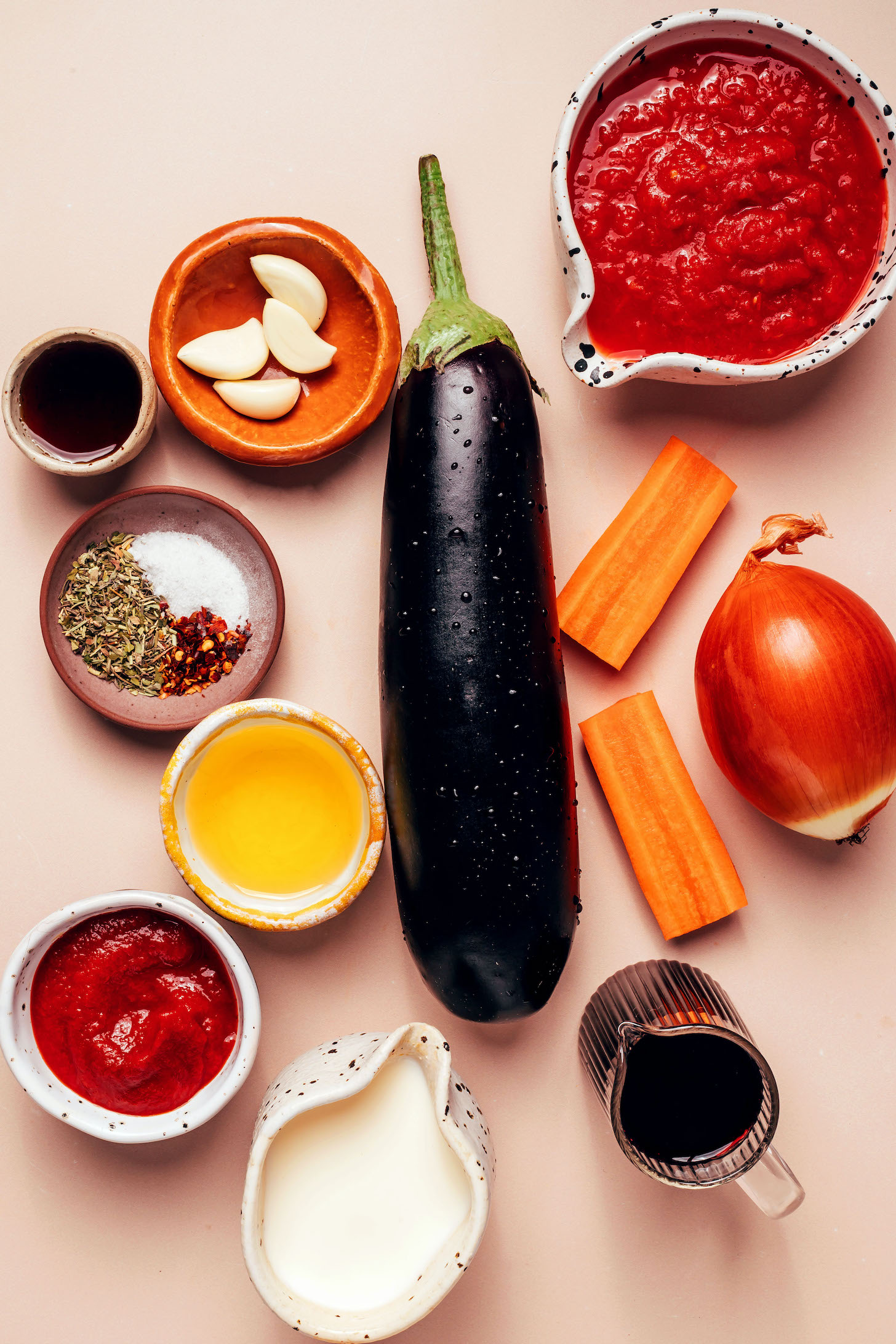
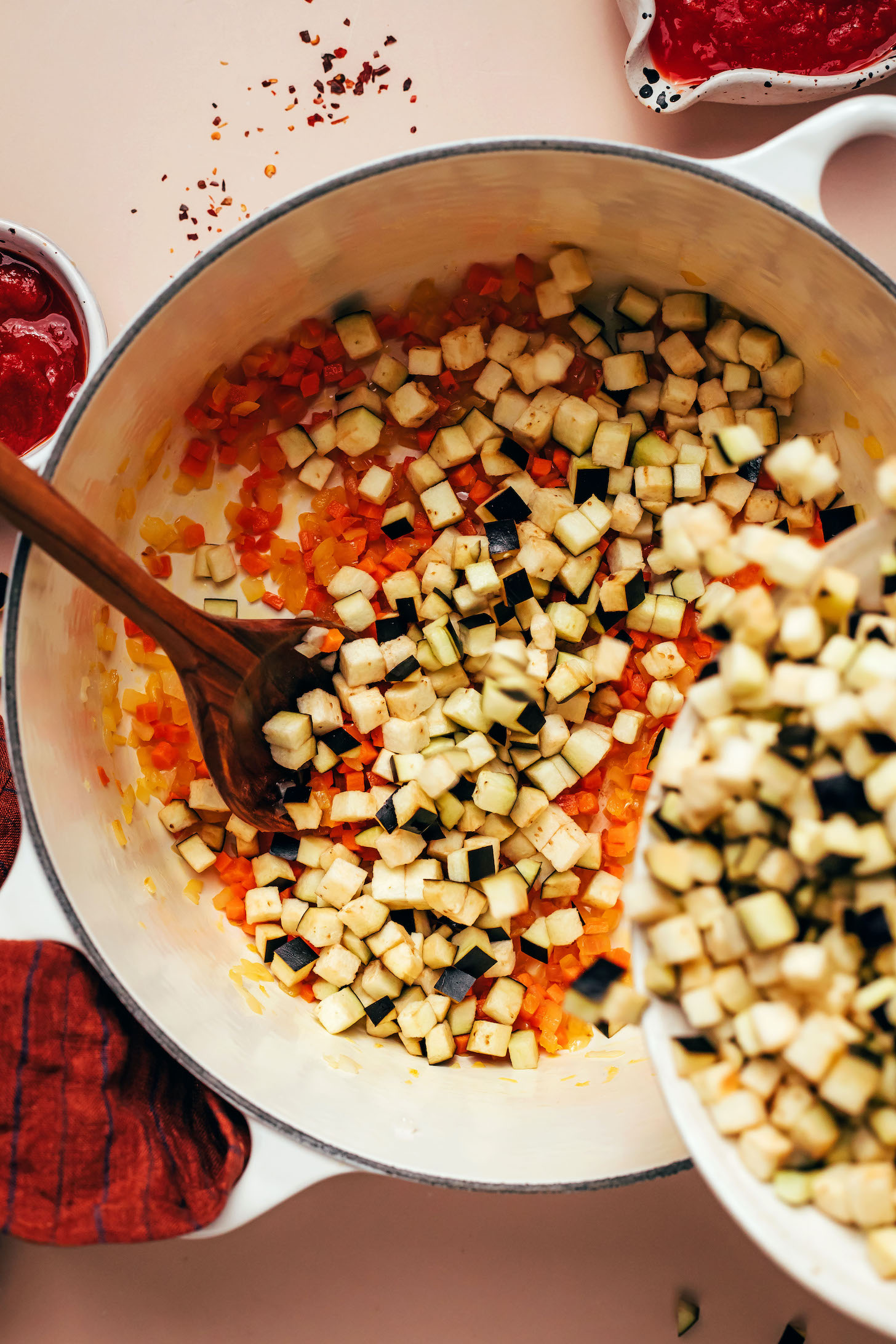
The dish is built upon the foundational trinity of soffritto—onions, carrots, and celery—which provides a sweet, aromatic base. The eggplant, when diced into precise, uniform cubes, is sautéed until it achieves a deep, caramelized brown. This browning process is essential; it triggers the Maillard reaction, transforming the vegetable from a mild, soft component into a savory, umami-rich anchor for the sauce.
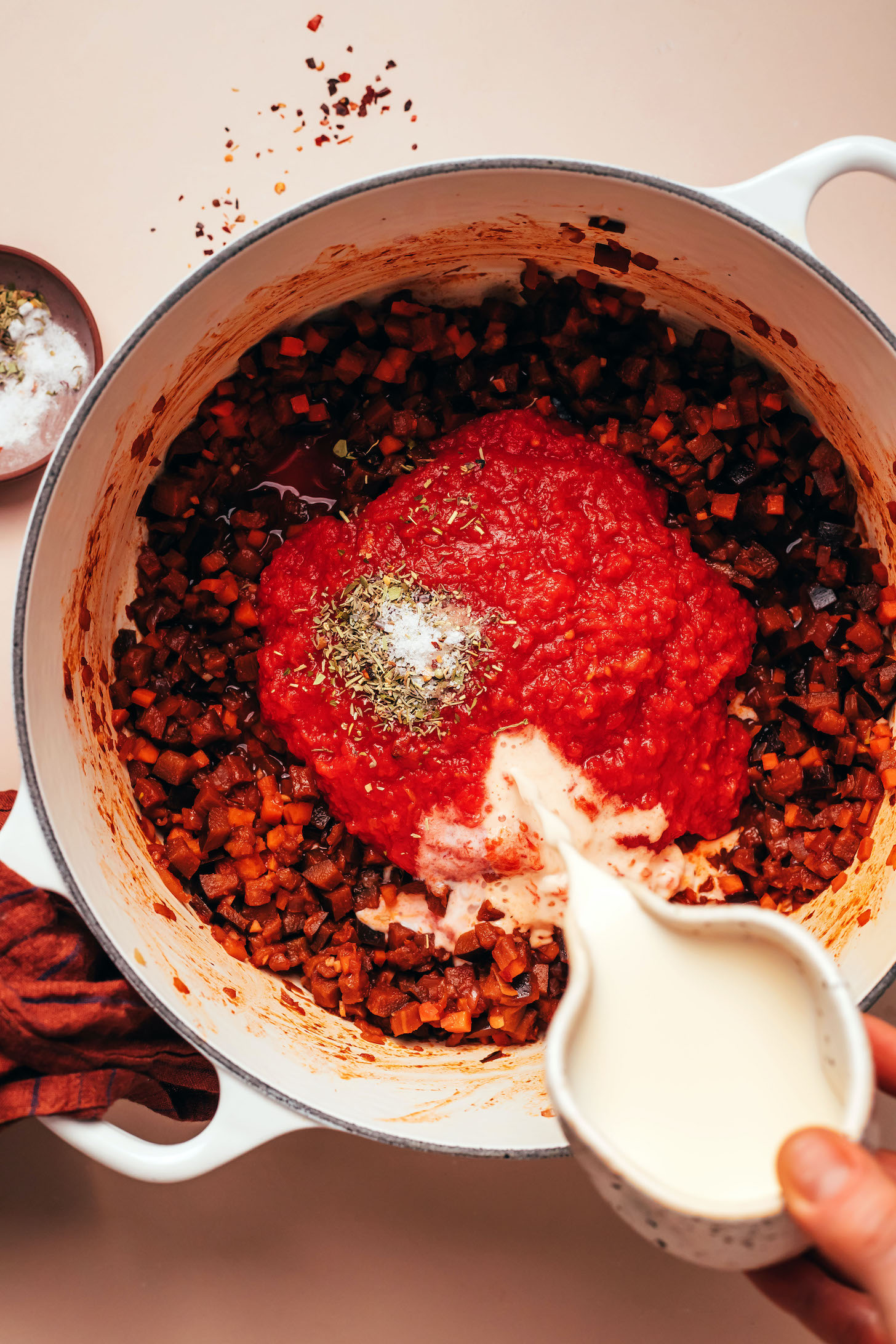
The inclusion of red wine for deglazing, high-quality crushed tomatoes, and a splash of creamy cashew milk elevates the profile, bridging the gap between a rustic vegetable stew and a refined Italian sauce. It is a dish that demands minimal equipment—just one large Dutch oven or heavy-bottomed pot—yet delivers a depth of flavor that usually requires double the time and triple the cleanup.
Chronology: From Tradition to Innovation
The history of Bolognese is well-documented, but its evolution in the 21st century is marked by a shift toward accessibility and sustainability.
- The Early 20th Century: The traditional meat-based ragù alla bolognese is codified, emphasizing slow-cooked beef and pork with aromatics and dairy.
- The Mid-2000s: The rise of the "minimalist" cooking movement begins to influence mainstream media. Recipes for simplified, 30-minute pasta sauces start appearing in digital spaces.
- The 2010s: Plant-based eating transitions from a niche lifestyle to a global trend. Influential food bloggers begin experimenting with lentils, mushrooms, and tempeh as meat substitutes in traditional sauces.
- The 2026 Shift: A surge in interest in "One-Pot" methodologies—driven by a desire for efficient, low-waste cooking—leads to the perfection of the Eggplant Bolognese. By leveraging the specific water content of eggplant, cooks discover they can achieve a "meaty" consistency without the need for pre-cooking or complex braising.
Supporting Data: Why Eggplant?
The choice of eggplant is not merely a matter of convenience; it is a calculated culinary decision based on chemistry. Eggplant is composed primarily of water, but its cell structure is highly porous. When subjected to heat, it collapses and absorbs the surrounding liquid—in this case, the tomato and wine reduction.
From a nutritional perspective, this iteration of the dish offers a compelling argument for the plant-based diet. According to standard dietary analysis, a single serving of this Eggplant Bolognese contains approximately 284 calories, with 8.3 grams of fiber and 6.6 grams of protein. Unlike its meat-based counterpart, it is cholesterol-free and significantly lower in saturated fats, while remaining high in essential micronutrients such as Vitamin C and iron.
The efficiency of the "one-pot" method is also supported by the data: preparation time is estimated at 15 minutes, with a 30-minute simmer, bringing the total time to under an hour. For the modern household, where time is an increasingly scarce commodity, this efficiency is a primary driver of the dish’s popularity.
Official Perspectives: The Chef’s Approach
Industry experts note that the success of this dish relies on the "low and slow" philosophy. While the recipe can be prepared in 45 minutes, many professional chefs recommend extending the simmer to an hour if possible.
"The secret is the patience given to the eggplant," says one anonymous culinary consultant. "If you rush the sauté, you lose the texture. If you rush the simmer, the tomato acidity remains sharp and jarring. But when you allow the moisture to evaporate and the flavors to concentrate, you reach a level of sophistication that mimics the traditional slow-cooked sauces of Bologna."
Furthermore, the integration of dairy-free alternatives—specifically cashew milk—is cited as a "masterstroke" by critics. The fat content in the cashew milk provides the necessary mouthfeel that is often lost when removing meat-based fats, effectively balancing the acidity of the tomatoes and the herbal notes of the basil and oregano.
Implications: The Future of the Pasta Night
The adoption of the Eggplant Bolognese has broader implications for how we view the "Pasta Night" institution.
1. Democratization of Cooking
By removing the barrier of complex technique and lengthy preparation, this dish invites novice cooks into the fold of high-level Italian cooking. It democratizes the process, proving that an impressive, restaurant-quality entrée does not require a culinary degree.
2. Sustainability and Seasonal Eating
The reliance on late-summer produce like eggplant and fresh basil encourages seasonal eating patterns. As climate change continues to impact food systems, the shift toward utilizing versatile, readily available vegetables as protein alternatives is an important step toward a more sustainable kitchen culture.
3. The "Convert" Factor
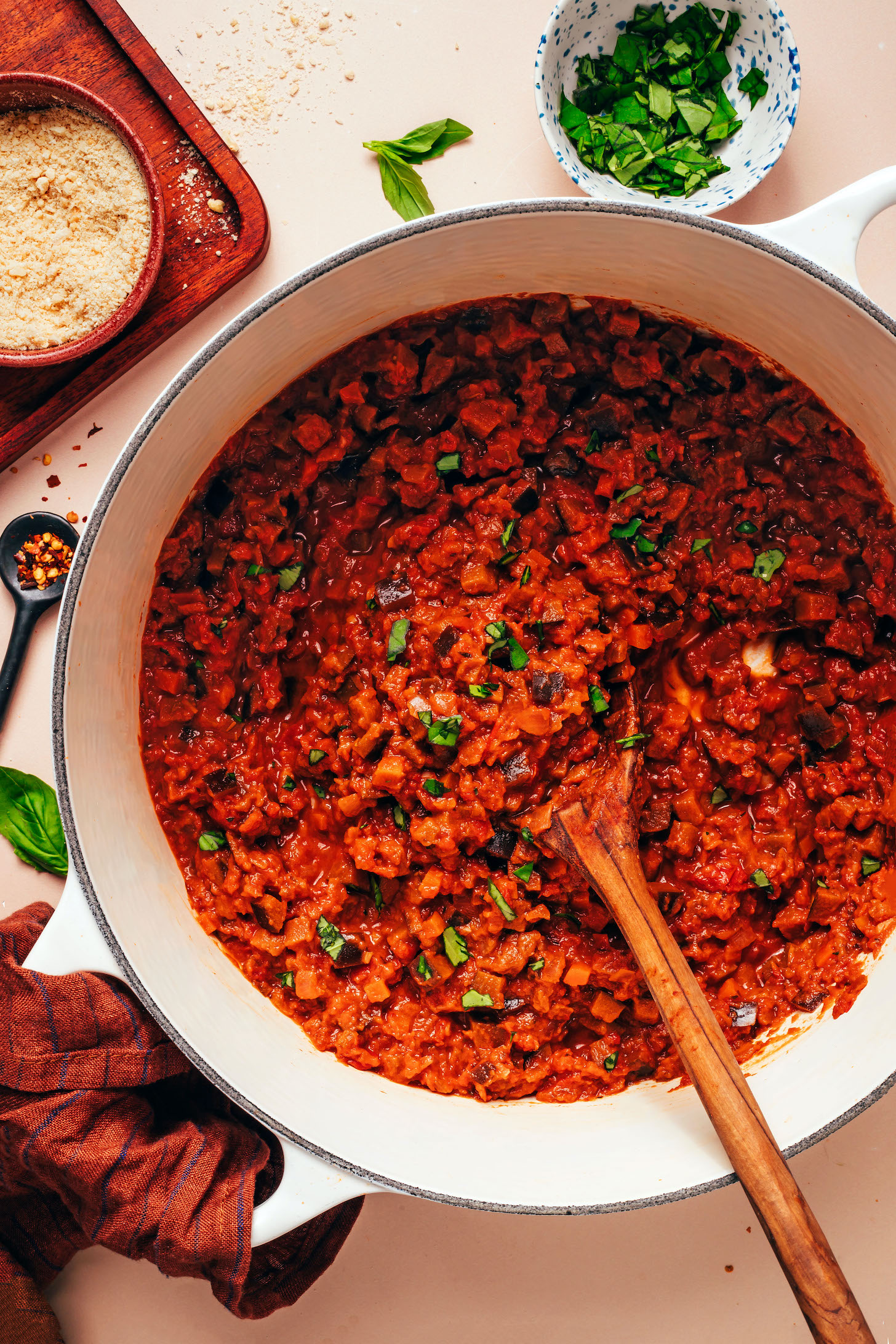
Perhaps the most significant implication is the dish’s ability to satisfy non-vegans. The "veggie skeptic" phenomenon is well-documented in culinary circles; many diners are wary of meatless dishes that feel "light" or "insubstantial." Because this Bolognese is hearty, savory, and rich, it effectively bridges the divide, satisfying the appetite of the most dedicated carnivore without the need for animal products.
Serving and Pairing Suggestions
To truly elevate the experience, the preparation should not end with the sauce. Culinary experts suggest the following:
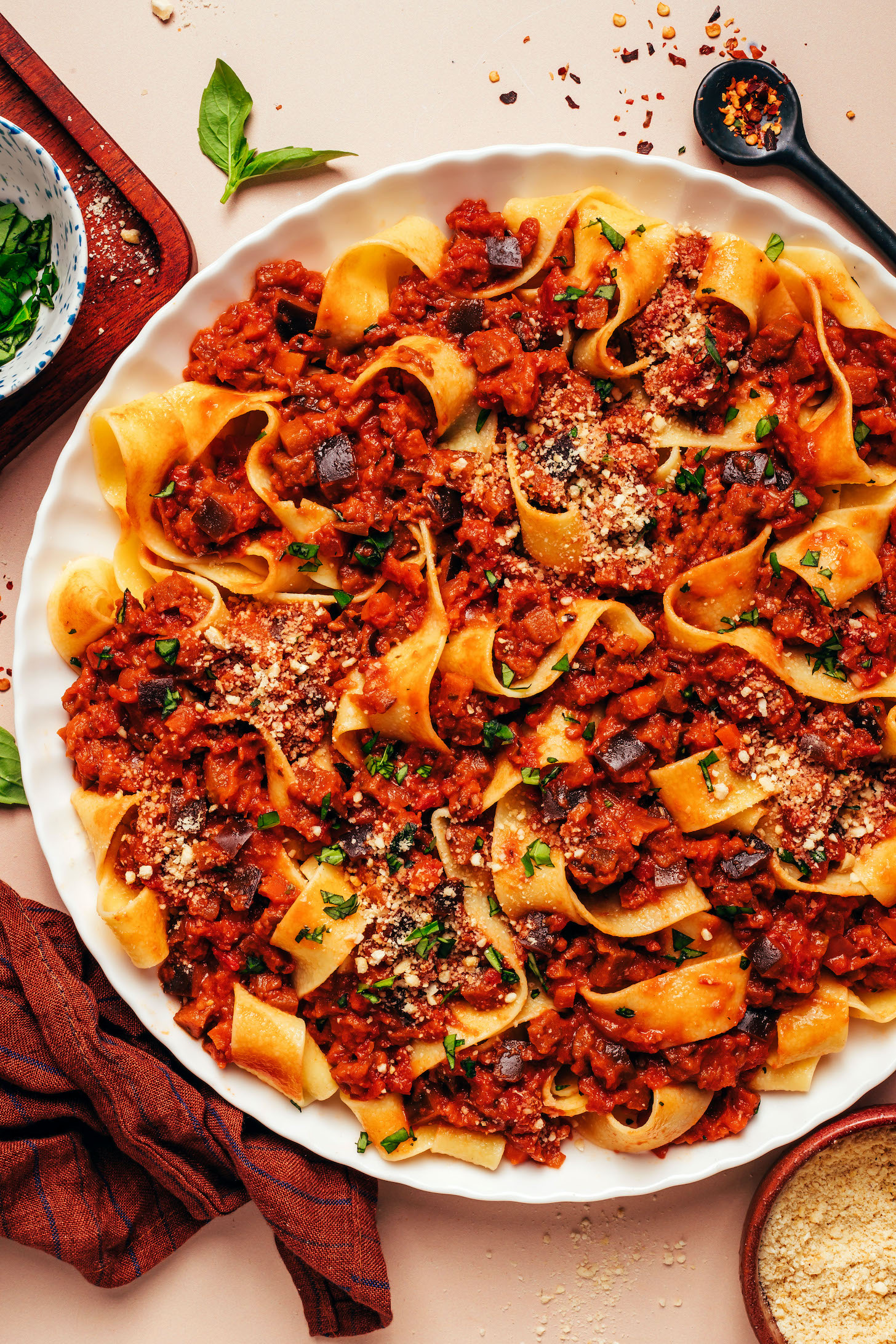
- Pasta Selection: While pappardelle is a classic choice for its wide surface area, the sauce is versatile enough to pair with rigatoni or fusilli, which are excellent at trapping the small, flavorful cubes of eggplant.
- The "Meat" Add-ons: For those who desire extra texture, the sauce acts as a perfect base for vegan meatballs or, for the non-vegan crowd, can be bolstered by the addition of ground beef or sausage.
- Garnishing: The final touch of fresh, torn basil and a dusting of high-quality vegan parmesan is essential. The brightness of the basil cuts through the richness, while the salty, nutty profile of the cheese provides the perfect finish.
Conclusion
The Eggplant Bolognese is more than just a passing trend; it is a reflection of a changing world. It represents a synthesis of traditional Italian flavor profiles and modern, conscious consumption. Whether you are a seasoned home chef looking to simplify your repertoire or a plant-based cook seeking a hearty, comforting meal, this dish offers a perfect, one-pot solution.
As we look toward the future of home cooking, it is clear that the most enduring dishes will be those that honor the history of our culinary past while embracing the efficiency and sustainability required by our future. The Eggplant Bolognese does exactly that—one pot, one stovetop, and an endless amount of flavor. It is time to get that pasta water boiling.