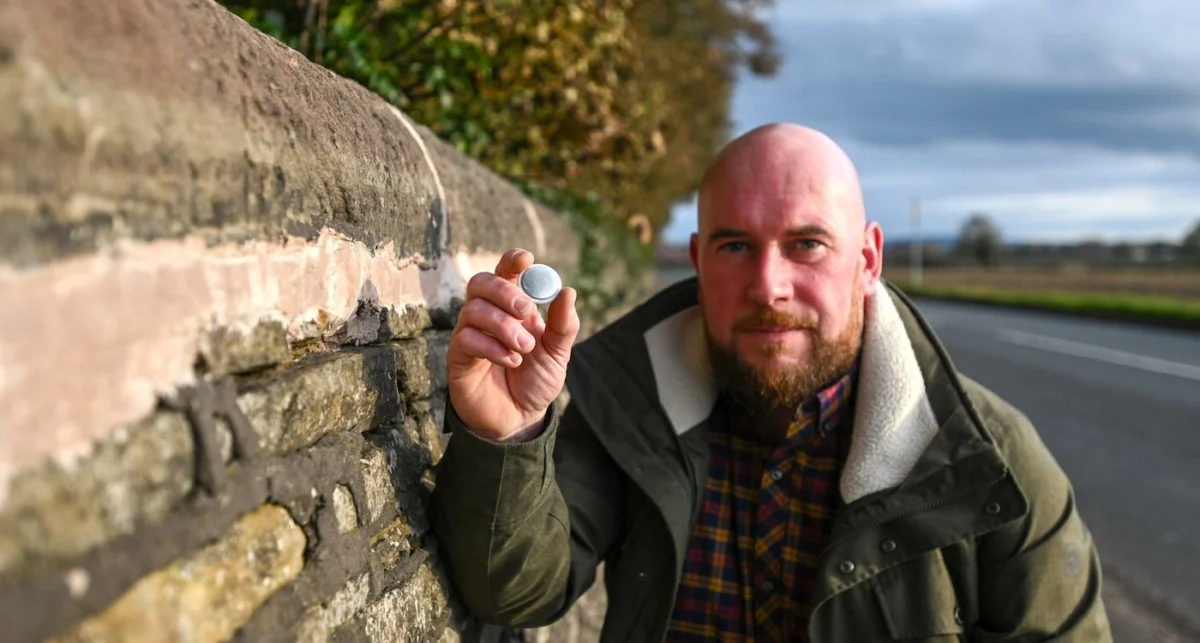
RUFFORD, Lancashire — In an era when local governance often feels detached from the daily grievances of ordinary citizens, one English official decided to take matters into his own hands when conventional law enforcement hit a bureaucratic dead end. Faced with the systematic dismantling of a 300-year-old architectural landmark, Councillor Matt Smith traded his political duties for a makeshift detective’s magnifying glass. Armed with little more than local grit, a landscaping background, and a pocket-sized piece of consumer technology, Smith orchestrated a sting operation that not only recovered priceless historical artifacts but also exposed a far-reaching illicit antiquities trade.
The successful recovery of the 18th-century capstones highlights a growing reliance on grassroots ingenuity in rural policing, proving that sometimes, modern detective work requires nothing more than a smartphone notification and a hollowed-out stone.
Main Facts: A Community Under Siege
The picturesque hamlet of Rufford, nestled in the rolling green countryside of Lancashire, England, prides its rich architectural heritage. For nearly three centuries, a half-mile stretch of stone wall has guided travelers along the approach to the village. Constructed around 1730 for the historic Grade II-listed Rufford New Hall—a grand estate that later served as a hospital in the 20th century before being converted into private apartments—the wall is an intrinsic and protected element of the local landscape.
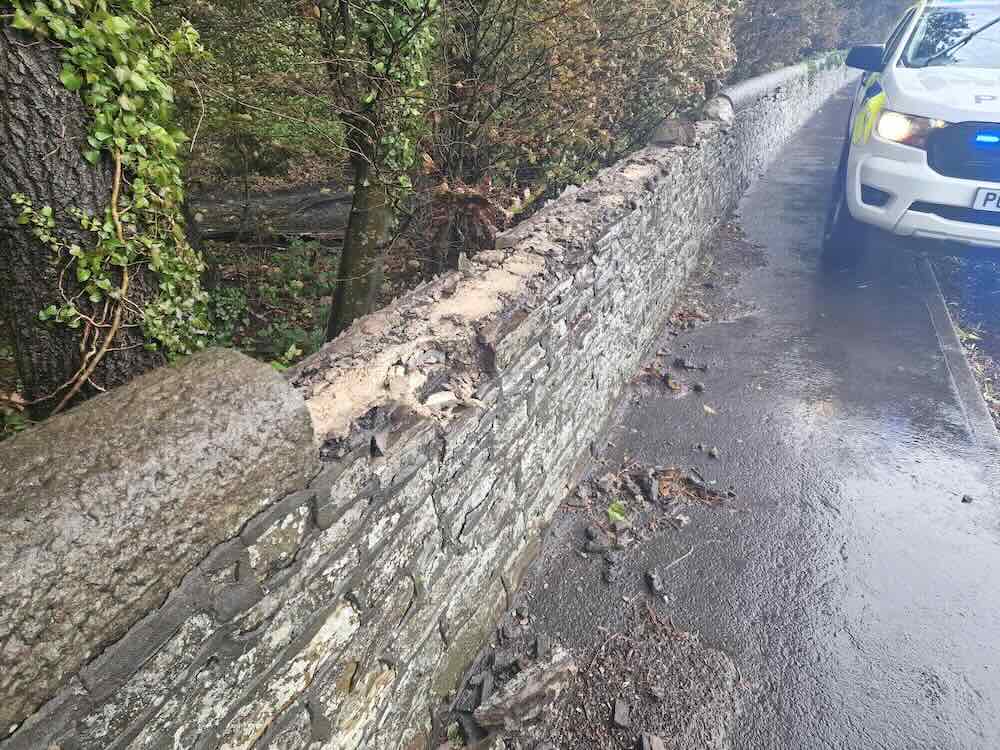
However, between May and October of this year, this historic boundary suffered a coordinated campaign of vandalism and theft. Approximately 30 heavy, intricately carved stone capstones—also known as coping stones—disappeared from the top of the wall. These architectural features are not easily dislodged; they require specialized knowledge, heavy lifting equipment, and deliberate effort to remove.
Initially, local residents reported the thefts to Lancashire Police. To the community’s profound frustration, law enforcement officials stated they were unable to launch a full investigation. The rural area lacked Closed-Circuit Television (CCTV) coverage, and crime scene investigators determined there were no viable "forensic opportunities"—such as fingerprints or DNA left behind—to track the perpetrator.
Rather than watching their heritage vanish piece by piece, 43-year-old local Councillor Matt Smith and his neighbors decided to wage their own campaign against the thieves.
"The audacity of him to steal from the community for his own personal gain," Smith said, reflecting on the crimes. "That isn’t what we stand for."
Chronology of the Heists and the Sting Operation
The saga of the Rufford wall thefts unfolded in distinct, escalating phases over several months, forcing residents to escalate their countermeasures from passive deterrence to active entrapment.
Phase 1: The Initial Raids (May – June)
The first wave of thefts occurred in May, leaving noticeable gaps along the top of the 18th-century structure. Residents initially assumed it might be rogue pranksters or isolated vandalism. However, a second raid in June confirmed a more systematic operation. The thieves were targeting specific, well-crafted coping stones, systematically stripping the wall section by section.
Phase 2: Failed Deterrents (June – September)
Desperate to halt the bleeding, the tight-knit community attempted conventional deterrents. Residents erected signs along the roadway warning, "Smile, you’re on camera," in the hopes of bluffing potential criminals. They also weighed the option of installing private CCTV systems. Ultimately, the cost proved prohibitive for the small hamlet, leaving the wall vulnerable as autumn approached.
Phase 3: The Third Raid and the AirTag Trap (Early October)
In early October, a third raid struck the historic wall. Frustrated by the lack of police traction and emboldened by his professional background as a landscaping contractor (M.Smith Gardens & Landscapes), Councillor Smith devised a high-tech solution.
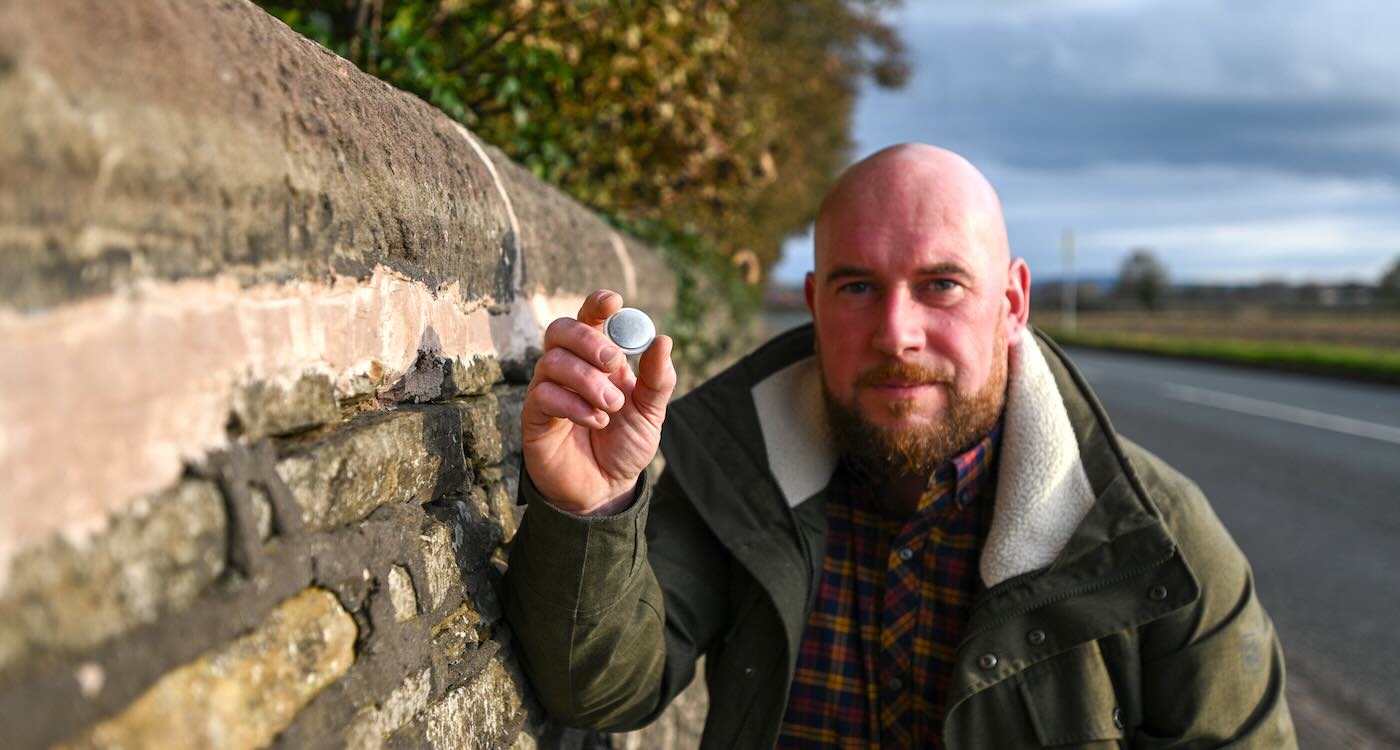
Knowing that thieves frequently return to sites where they have previously found success, Smith targeted a remaining capstone that had already been loosened by the previous tampering. Using his trade expertise, he carefully lifted the heavy stone, carved a discreet cavity into its underside, and sealed an Apple AirTag—a coin-sized GPS tracking device—inside the masonry. He then repositioned the stone atop the wall, waiting for the trap to spring.
Phase 4: The Midnight Ping and Arrest (Late October)
The strategy yielded results within weeks. Awakening early one morning, Smith checked his smartphone to find a series of movement notifications from the AirTag. The stone had been lifted from its historic resting place overnight and was now transmitting a live GPS signal from a residential backyard miles away in Manchester.
Smith immediately contacted Lancashire Police, providing them with the exact coordinates supplied by the tracking device. Officers raided the suburban Manchester property, where they discovered not only the stolen Rufford capstones but a massive hoard of architectural salvage suspected to be stolen from historic sites across the United Kingdom. A 41-year-old man was arrested at the scene, subsequently charged, and prosecuted.
Supporting Data: The Scale of the Recovery
While the initial focus of the investigation was limited to the 30 stones missing from the Rufford New Hall boundary—valued locally at approximately £7,000 to £9,000 (roughly $9,300 USD)—the scope of the police recovery operation revealed a much larger criminal enterprise.
- The Rufford Loot: Police recovered a substantial percentage of the coping stones stolen from the 1730s wall, allowing municipal authorities to begin the meticulous process of restoring the landmark.
- The Wider Syndicate: Upon searching the suspect’s property, authorities discovered dozens of additional stone artifacts originating from historic walls, churches, and estates across the country.
- Total Estimated Value: While the Rufford stones alone accounted for nearly $10,000 in damages and replacement costs, heritage crime experts estimate the total street value of the recovered antiquities cache discovered in the backyard exceeds £40,000 ($53,000 USD).
- Legal and Architectural Costs: Replacing a Grade II-listed stone capstone is not a simple DIY project. It requires specialist stonemasons who can cut and age local sandstone to match 18th-century specifications, driving up the true cost of heritage theft far beyond raw material values.
Official Responses and Heritage Implications
The successful resolution of the Rufford capstone heist has drawn praise from heritage protection organizations across the United Kingdom, sparking conversations about the vulnerability of rural historical sites and the changing face of community policing.
Mark Harrison, Head of Heritage Crime at Historic England, commended the collaborative effort between the local politician, residents, and law enforcement.
"The successful return of these historic coping stones demonstrates the important contribution that local communities and the police can make to safeguard our heritage," Harrison stated. "Traditional stone walls are an intrinsic part of the Lancashire landscape and their protection helps to maintain its distinctive character for future generations."
Heritage crime—the theft, vandalism, or unauthorized alteration of historical buildings, archaeological sites, and monuments—has seen a worrying rise across rural Britain in recent years. Driven by a black-market demand for authentic rustic building materials, landscaping elements like York stone paving slabs, Victorian bricks, and 18th-century coping stones have become prime targets for opportunistic thieves and organized crime syndicates alike. Because these sites are frequently isolated and unmonitored, criminals have historically operated with virtual impunity.
For Matt Smith, the experience has been validating, though he remains humble about his accidental transition into a tech-savvy sleuth.
"It was a great feeling to know we had found the man responsible," Smith reflected. "I’m glad we stood up, and didn’t just tolerate it. The community’s effort was well worth it."
Conclusion: A Blueprint for Community Defense
The story of the Rufford wall capstones serves as a modern parable for community resilience. When institutional safety nets fail—whether due to stretched police resources, lack of digital infrastructure, or geographic isolation—citizens are increasingly finding innovative ways to protect their collective history.
By combining the low-cost ingenuity of consumer tracking technology with the timeless resolve of neighborhood watchfulness, Councillor Matt Smith and the residents of Rufford have sent a clear message to heritage thieves: historical treasures may be old, but the communities protecting them are finding brand new ways to fight back.