WASHINGTON — In an era dominated by digital notifications, cloud-based applications, and algorithmic reminders, a counter-movement toward tactile, analog organization continues to gain momentum. Responding to a surging demand from productivity enthusiasts, students, and busy professionals worldwide, lifestyle and home organization expert Abby Lawson has officially released her highly anticipated collection of free printable calendars for 2027, alongside a comprehensive suite of undated layout options.
The newly expanded resource library addresses long-standing logistical hurdles for planners—ranging from regional formatting preferences to structural layout designs—providing a versatile toolkit tailored to the diverse needs of a global audience.
Main Facts: The 2027 Calendar Collection At a Glance
The newly unveiled collection goes far beyond the traditional, standardized grid layout typically found in commercial stores. Lawson’s latest release recognizes that effective time management is not a one-size-fits-all endeavor.
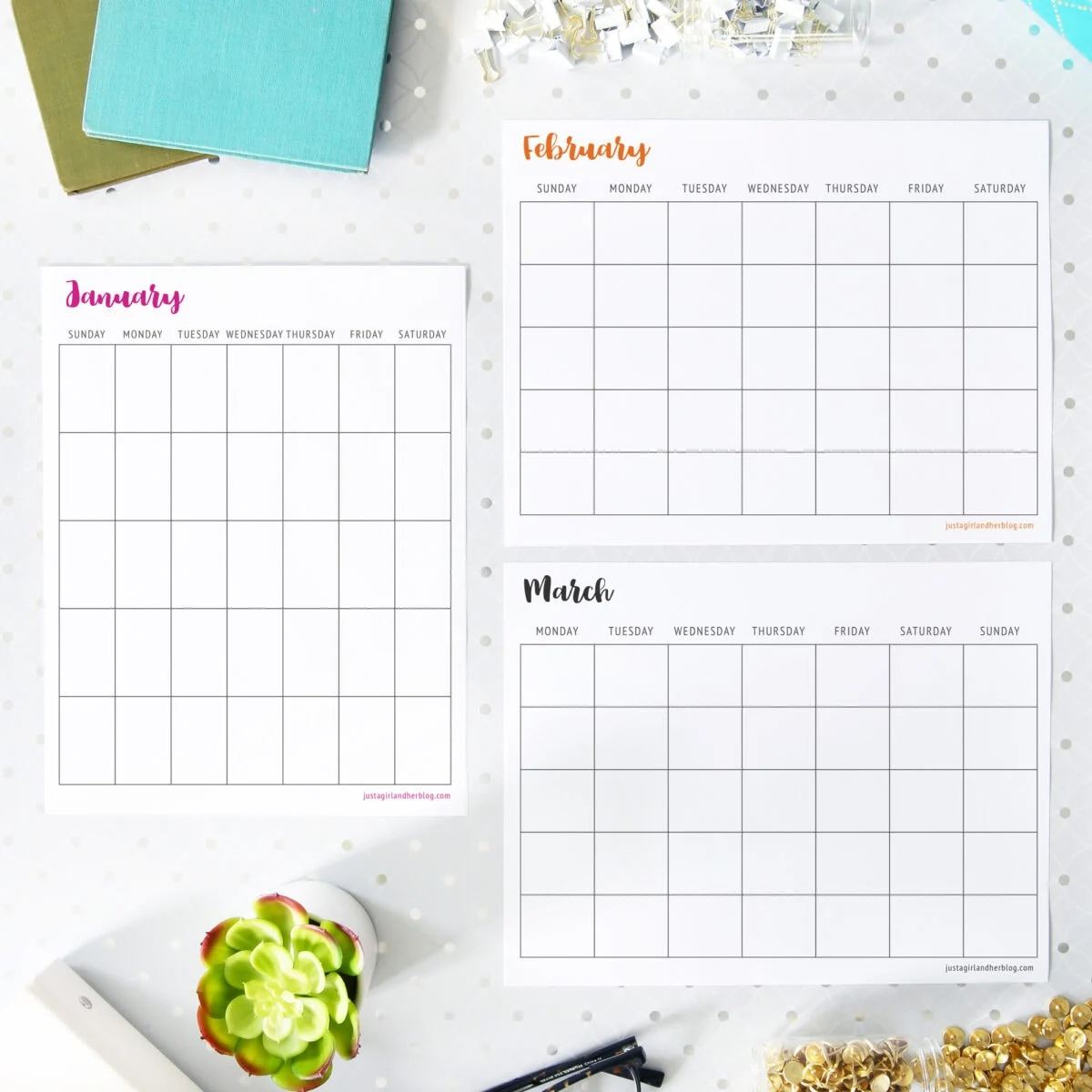
Comprehensive Formats: The collection features both dated 2027 monthly calendars and flexible, undated templates.
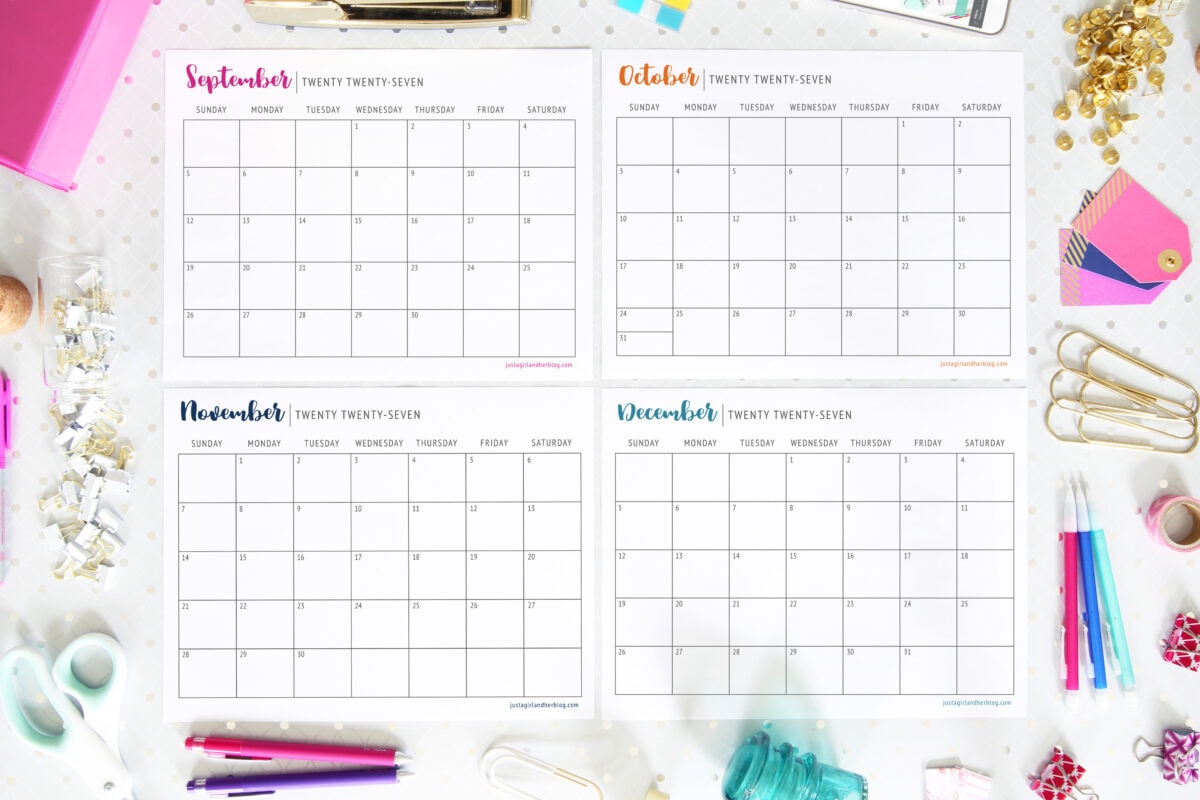
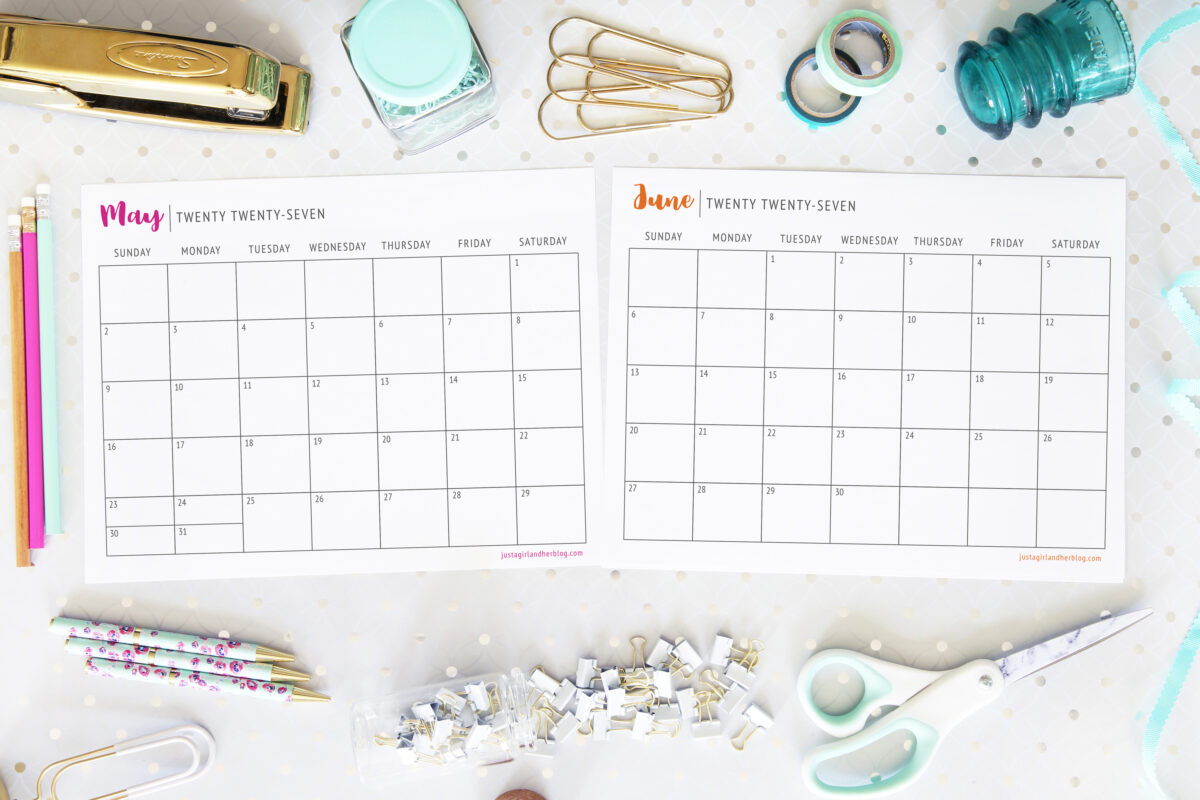
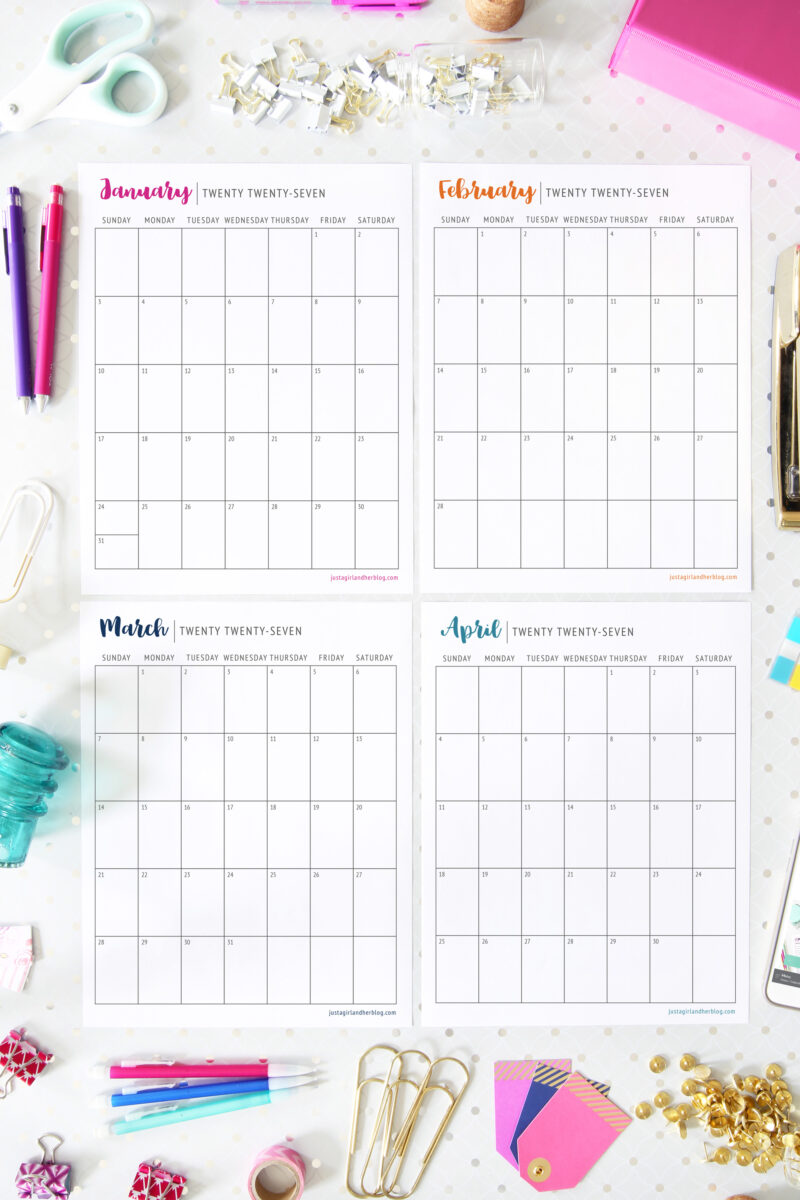
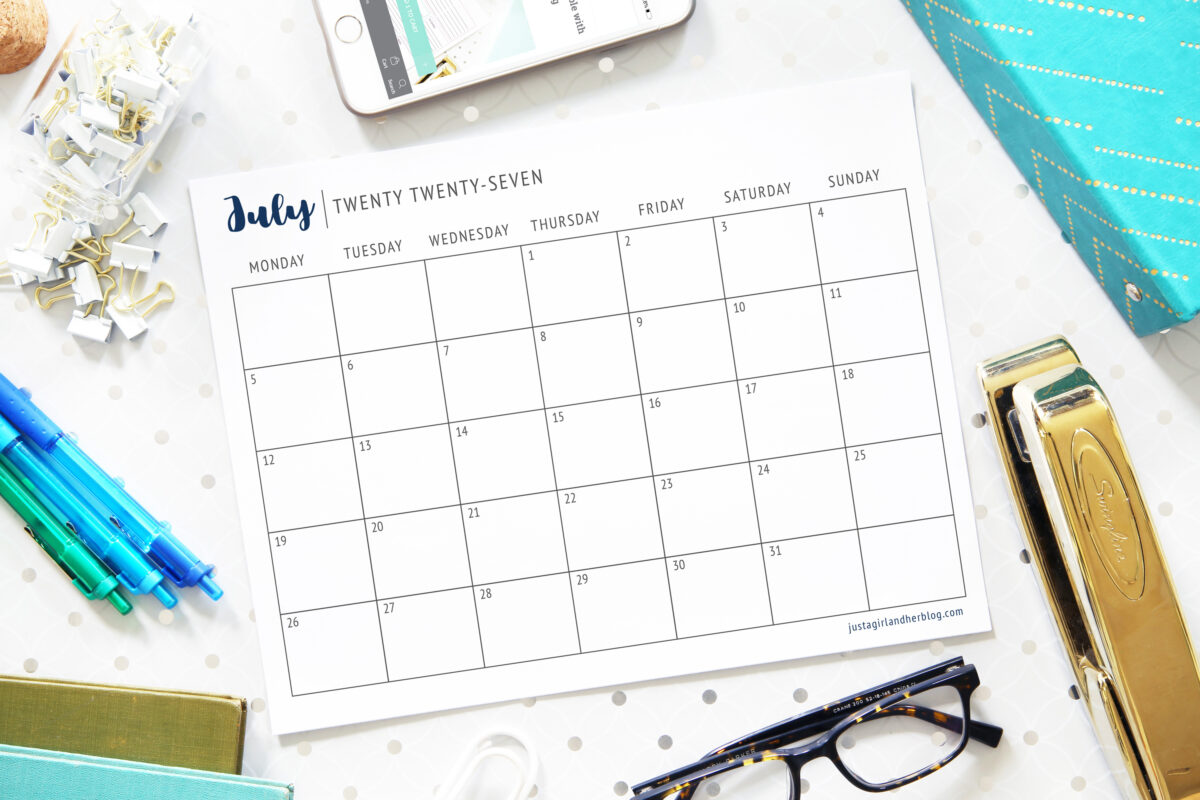
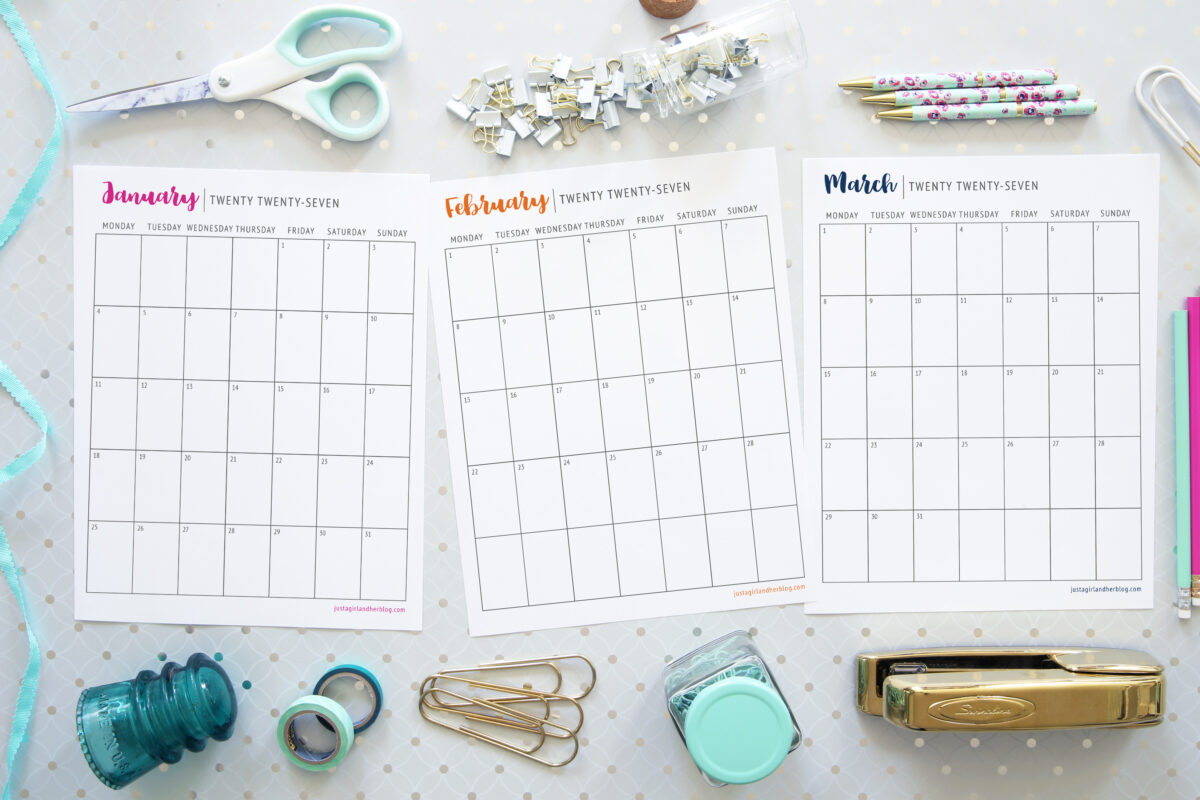
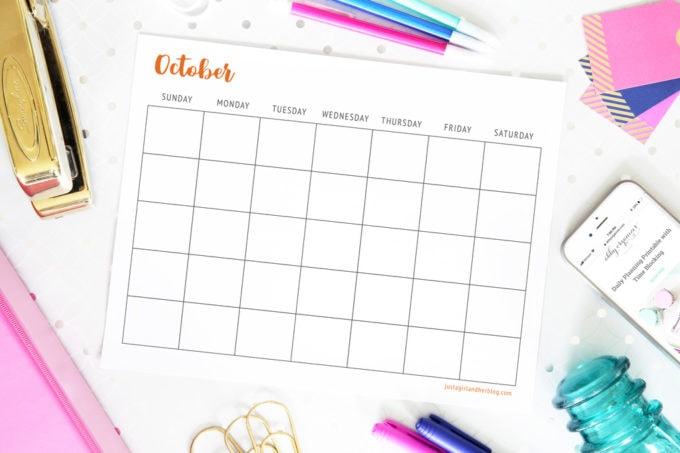
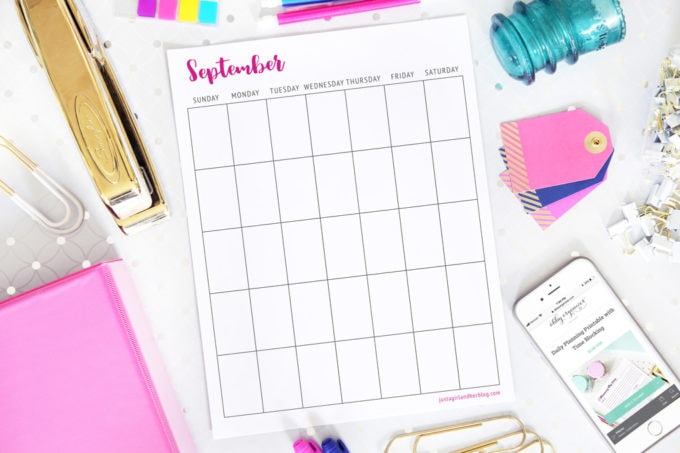
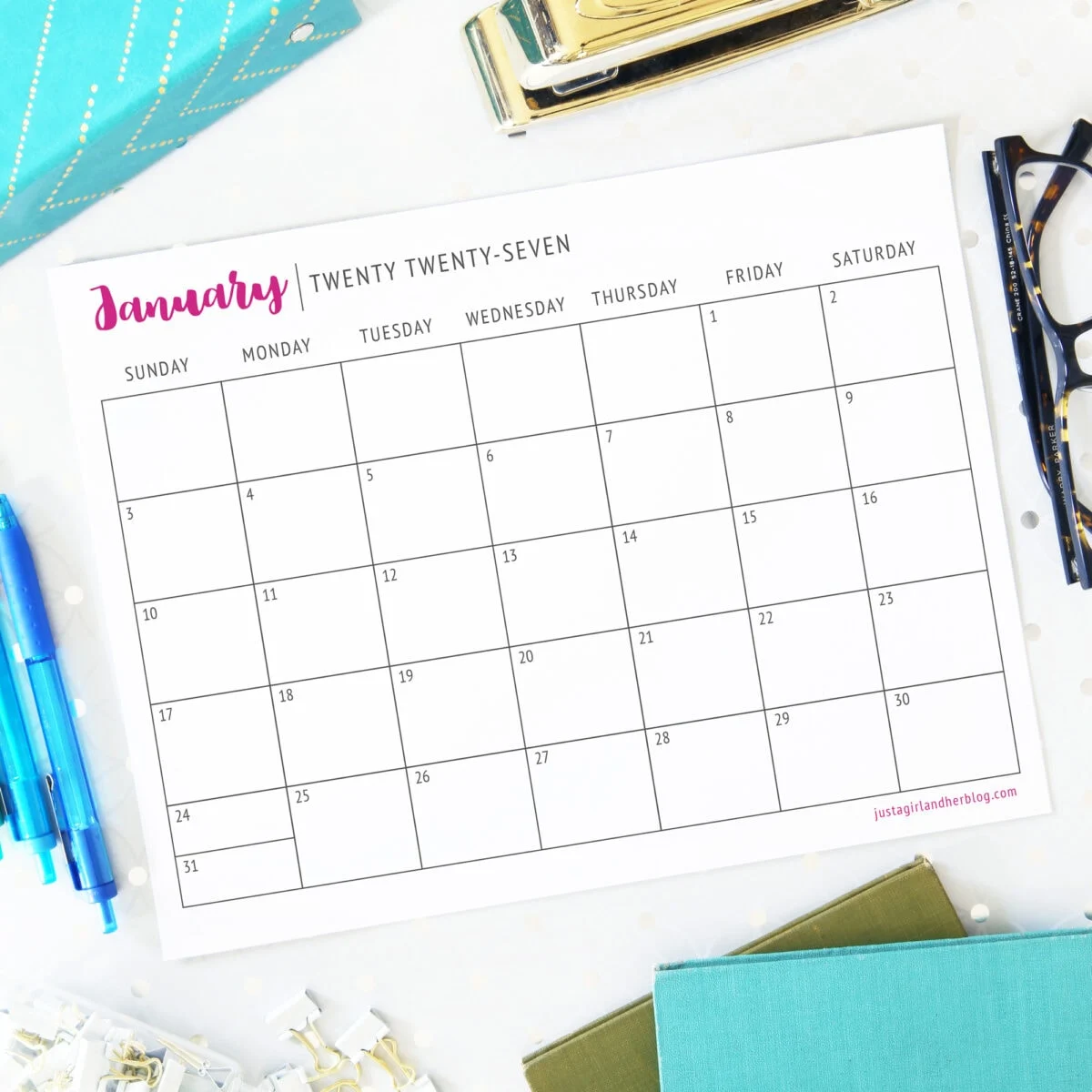
Orientation Versatility: Users can choose between landscape (horizontal) orientations for desktop display and portrait (vertical) orientations designed specifically for binder insertion and list-making.
Regional Customization: Recognizing international standards, the collection includes both traditional Sunday-start calendars (predominantly used in the United States) and Monday-start calendars (favored across Europe, parts of Asia, and international academic or corporate environments).
Accessibility: All resources are provided free of charge, supported by a broader digital library containing upwards of 300 pages of specialized organizing printables.
Chronology: The Evolution of Analog Planning in a Digital Age
The journey toward this comprehensive 2027 release reflects years of iterative design driven by user feedback and changing lifestyle trends.
2019–2021 (The Foundation): Initial iterations of blank, undated monthly calendars were introduced to give users maximum flexibility over multi-year planning and non-traditional scheduling.
2022–2025 (Expanding Horizons): As remote work and hybrid school schedules transformed domestic routines, requests poured in for structural variations. Lawson incorporated landscape and portrait orientations to accommodate desktop pads versus physical three-ring binders.
2026 (Global Adaptation): Responding to a rapidly growing international readership, the design framework was updated to seamlessly integrate Monday-start configurations, aligning local productivity habits with global corporate and academic calendars.
2027 Release (The Ultimate Toolkit): The current release consolidates years of user requests into a single, cohesive hub. It features fully updated dated layouts for 2027 alongside historical access to 2026 versions, ensuring smooth year-over-year transitions.
Supporting Data: Why Analog Planners Still Matter
While smartphone calendars and task management apps saturate the tech market, psychological and behavioral data continues to underscore the unique cognitive benefits of physical planning.
Cognitive Retention and Goal Setting
According to productivity researchers, the act of physically writing down tasks, appointments, and long-term milestones activates sensorimotor regions of the brain that digital typing often bypasses. This physical engagement deepens cognitive processing, making individuals significantly more likely to remember and execute their scheduled tasks.
The Breakdown of Macro Goals
Behavioral studies consistently demonstrate that breaking large, intimidating projects down into manageable, daily or weekly increments drastically improves success rates. Printable calendars provide an expansive, unconstrained canvas where users can visually map out milestones, deadlines, and project phases.
Customization and Spatial Freedom
Unlike rigid mobile applications constrained by screen size and rigid user interfaces, physical printables offer tactile freedom. Users frequently utilize these pages for color-coding, affixing sticky notes, utilizing washi tape, and integrating daily habit trackers directly into their visual workflow.
Official Insights and Design Philosophy
Designing a calendar that appeals to both minimalists and creative planners requires a delicate balance of aesthetic appeal and functional utility. According to Lawson, the philosophy behind the annual calendar release centers on removing friction from the organization process.
"Printable calendar pages are one of the organizing tools I use most often," Lawson notes. "Keeping track of the schedule, setting goals, and planning events are just a few of the things you can do with these free printable calendars. When we plan in advance and break down our bigger goals into more manageable steps, we’re much more likely to succeed at what we set out to do."
Addressing User Pain Points
The decision to incorporate multiple structural variations stemmed directly from community dialogue. Key design adjustments include:
The Binder Dilemma: For individuals who manage their lives inside physical portfolios or ring binders, turning a landscape page sideways to read or write can become tedious. The portrait (vertical) orientation resolves this by allowing seamless, natural note-taking without altering the binder’s position.
The Global Sunday vs. Monday Divide: While U.S. domestic calendars almost universally anchor the week on Sunday, academic institutions and international corporations operate on a Monday-through-Sunday work cycle. By providing dedicated Monday-start templates in both orientations, the collection bridges a vital operational gap for international users.
The Freedom of Undated Layouts: For those who prefer to start mid-year, track ongoing projects without calendar constraints, or repurpose templates for future years, the undated landscape and portrait options provide a perpetual utility that dated planners cannot match.
Implications: Productivity, Accessibility, and Personal Empowerment
The widespread availability of high-quality, free organizational tools carries significant implications for household management, academic achievement, and workplace efficiency.
Democratizing Organization
In an economic climate where specialized planners and commercial organizing systems can carry steep price tags, free high-resolution printables democratize access to effective time management tools. Anyone with access to a home printer or local print shop can construct a customized, professional-grade planning system tailored precisely to their needs.
Reducing Mental Clutter
Mental fatigue often stems from attempting to hold too many moving parts in working memory—appointments, family schedules, project deadlines, and personal goals. By transferring these responsibilities onto a physical, visible surface, individuals reduce cognitive load, lower stress levels, and foster a greater sense of personal control over their daily lives.
Sustainable and Mindful Planning
Unlike single-use commercial notebooks that often result in wasted pages and environmental overhead, printable systems allow users to print only what they need, when they need it. If a month goes unused, no physical resources are squandered. Furthermore, the tactile nature of paper planning encourages a mindful break from screen fatigue, promoting healthier digital boundaries.
How to Access and Utilize the 2027 Calendar Suite
The entire suite of 2027 printable calendars is currently available for download. Users can select from the following configurations based on their specific lifestyle requirements:
2027 Monthly Calendar – Landscape Orientation, Sunday Start: Ideal for desktop blotters, refrigerators, and traditional American scheduling preferences.
2027 Monthly Calendar – Portrait Orientation, Sunday Start: Perfect for three-ring binders and heavy list-makers requiring vertical writing space.
2027 Monthly Calendar – Landscape Orientation, Monday Start: Tailored for international users, students, and corporate work-week planners.
2027 Monthly Calendar – Portrait Orientation, Monday Start: Combines binder-friendly vertical alignment with a Monday-anchored weekly structure.
Undated Calendar Options (Landscape & Portrait, Sunday/Monday Starts): Maximum flexibility for custom projects, multi-year tracking, and personalized bullet-journaling systems.
In addition to the monthly layouts, users can access complementary weekly planning tools and explore a broader digital vault containing over 300 pages of specialized home and office organization printables.
Note: All free printables provided are intended strictly for personal use and may not be commercially redistributed or sold.