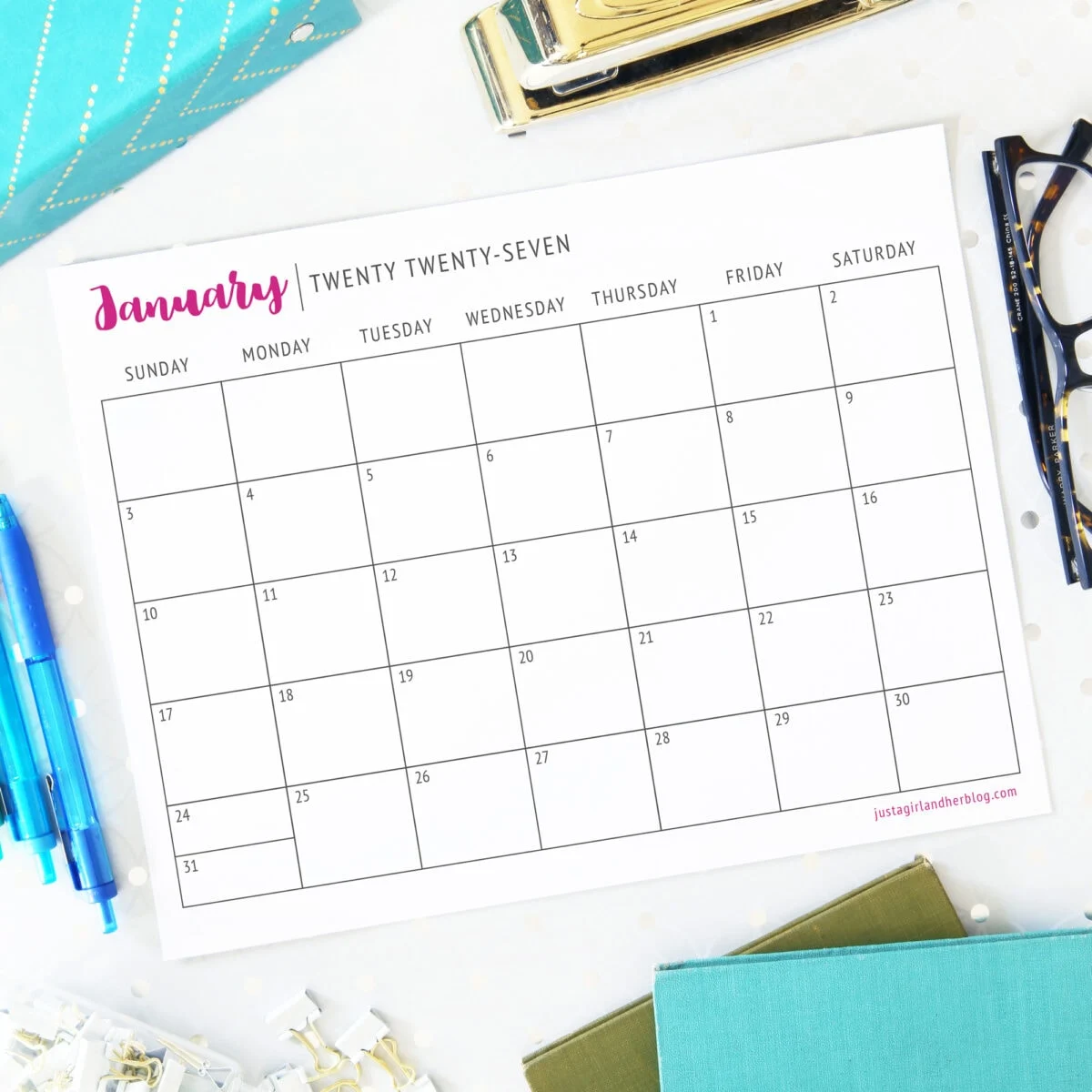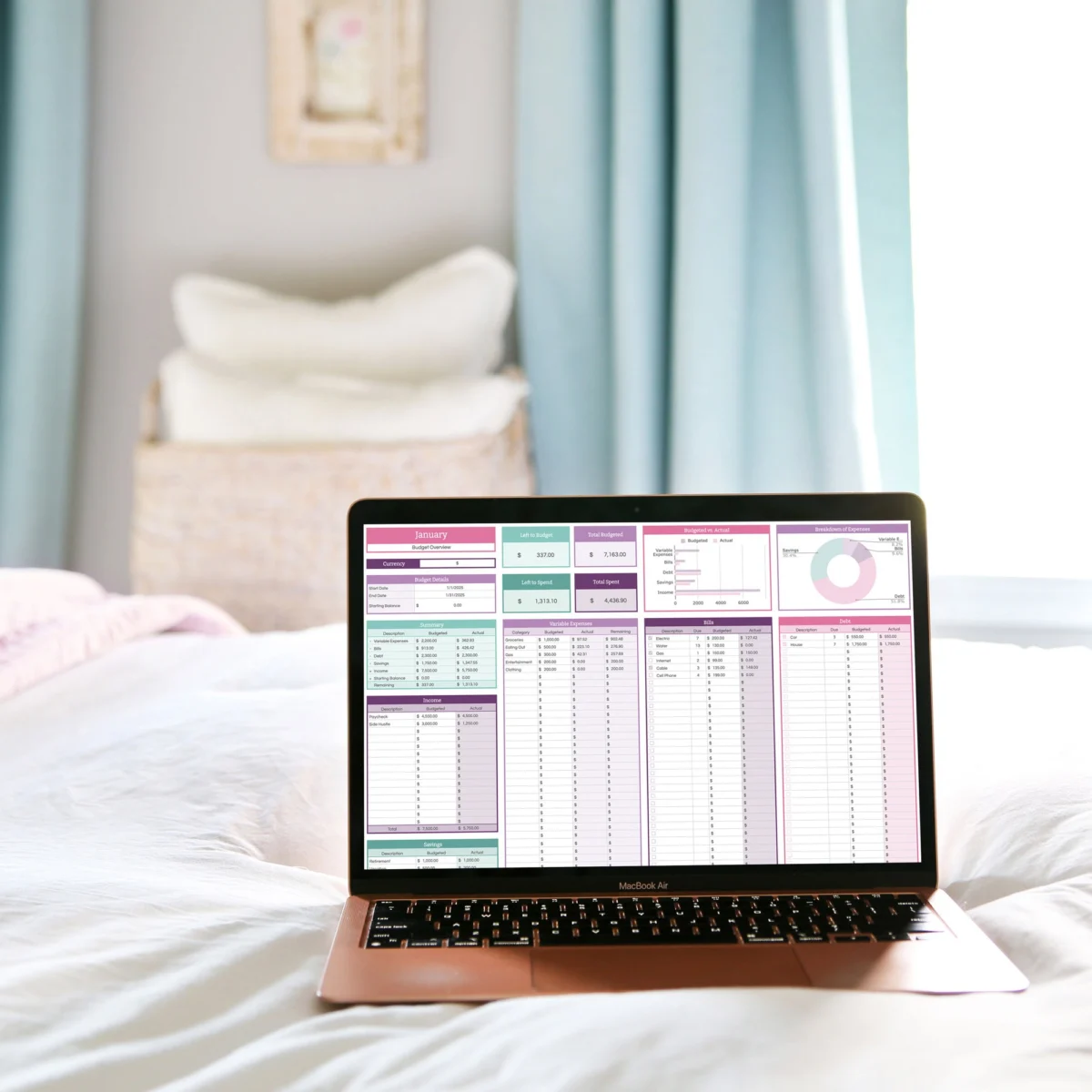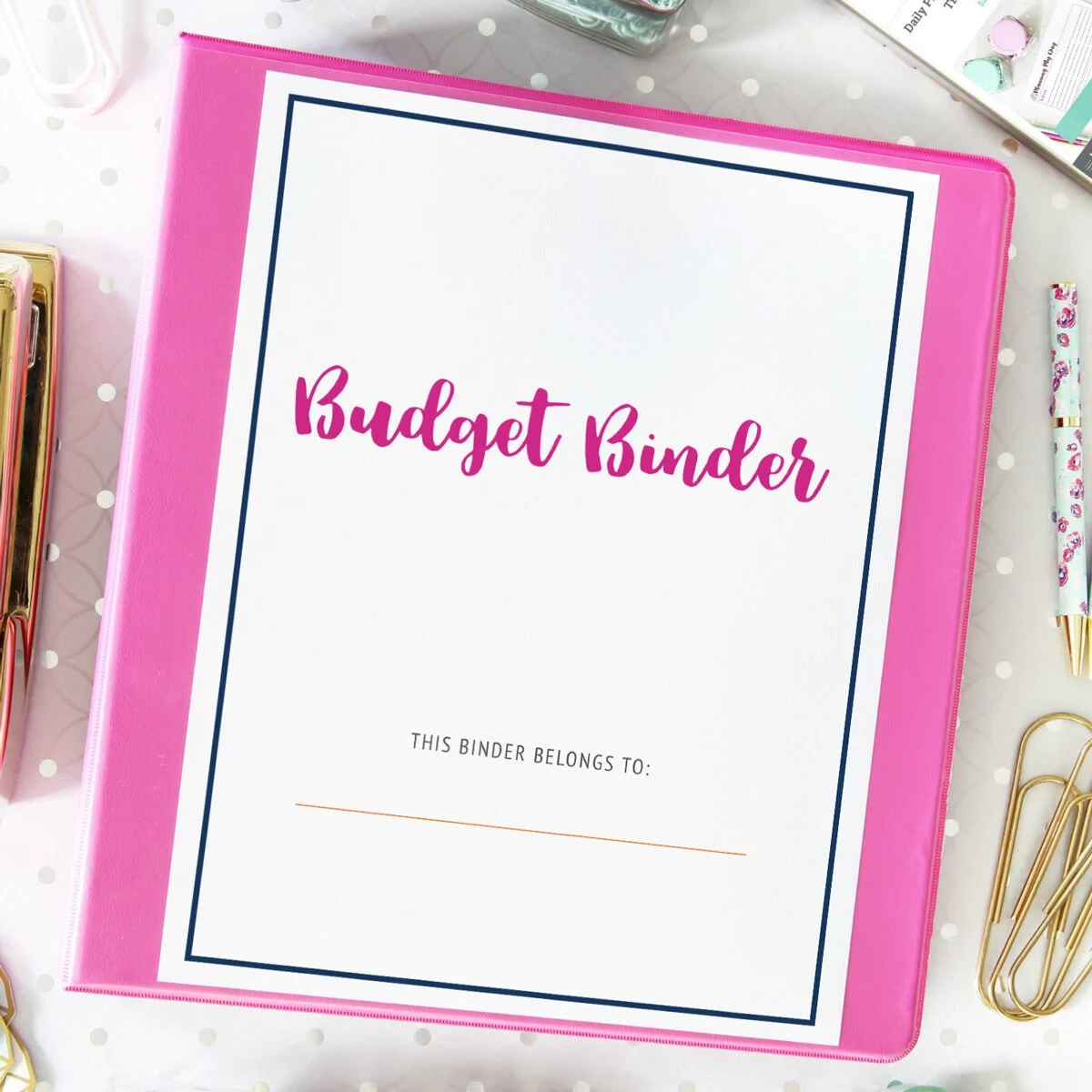
WASHINGTON — In an era dominated by automated fintech apps, high-yield digital dashboards, and contactless digital payments, a remarkably traditional counter-movement is gaining unprecedented traction among households seeking financial stability. Financial wellness advocates and personal organization experts have officially released the highly anticipated 2026 Budget Binder, a comprehensive, printable analog tool designed to help individuals curb discretionary spending, accelerate debt payoff, and systematically build long-term savings.
As holiday credit card statements begin arriving in mailboxes nationwide and consumers confront a turbulent economic landscape characterized by persistent inflation, the demand for tactile, intentional budgeting mechanisms has reached an all-time high. The release of this year’s planner responds directly to thousands of reader requests, highlighting a broader cultural resurgence in physical financial planning as a proven method for reclaiming control over household wealth.
Main Facts: The Anatomy of the 2026 Budget Binder
The newly unveiled 2026 Budget Binder is a meticulously engineered, multi-page financial workbook available as a free digital download for subscribers. Unlike complex algorithmic apps that often track spending passively—and can sometimes detach users from the psychological weight of a transaction—this binder forces an active, mindful engagement with every dollar earned, saved, and spent.
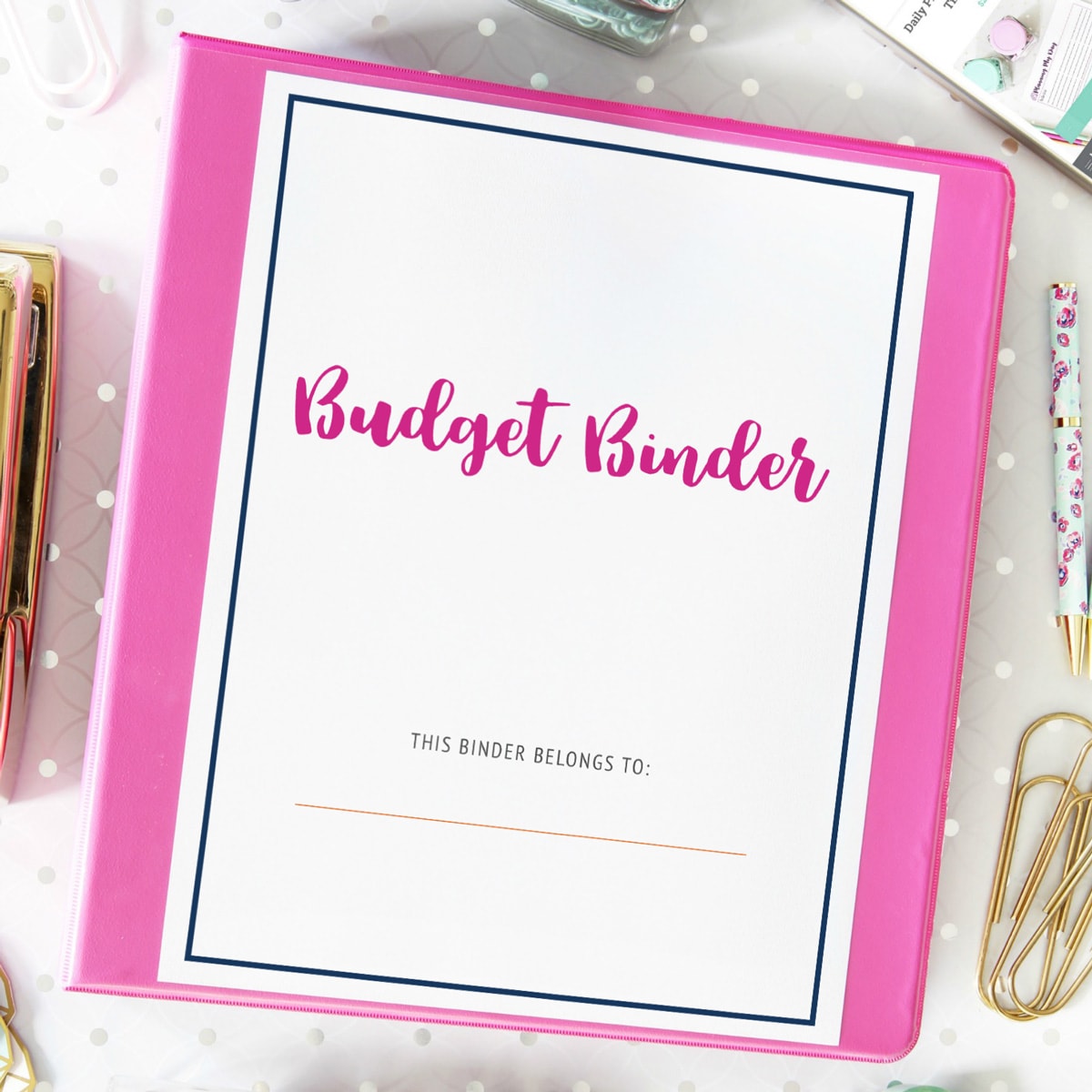
The core framework of the binder rests on five foundational components designed to take a user from goal inception to monthly execution:
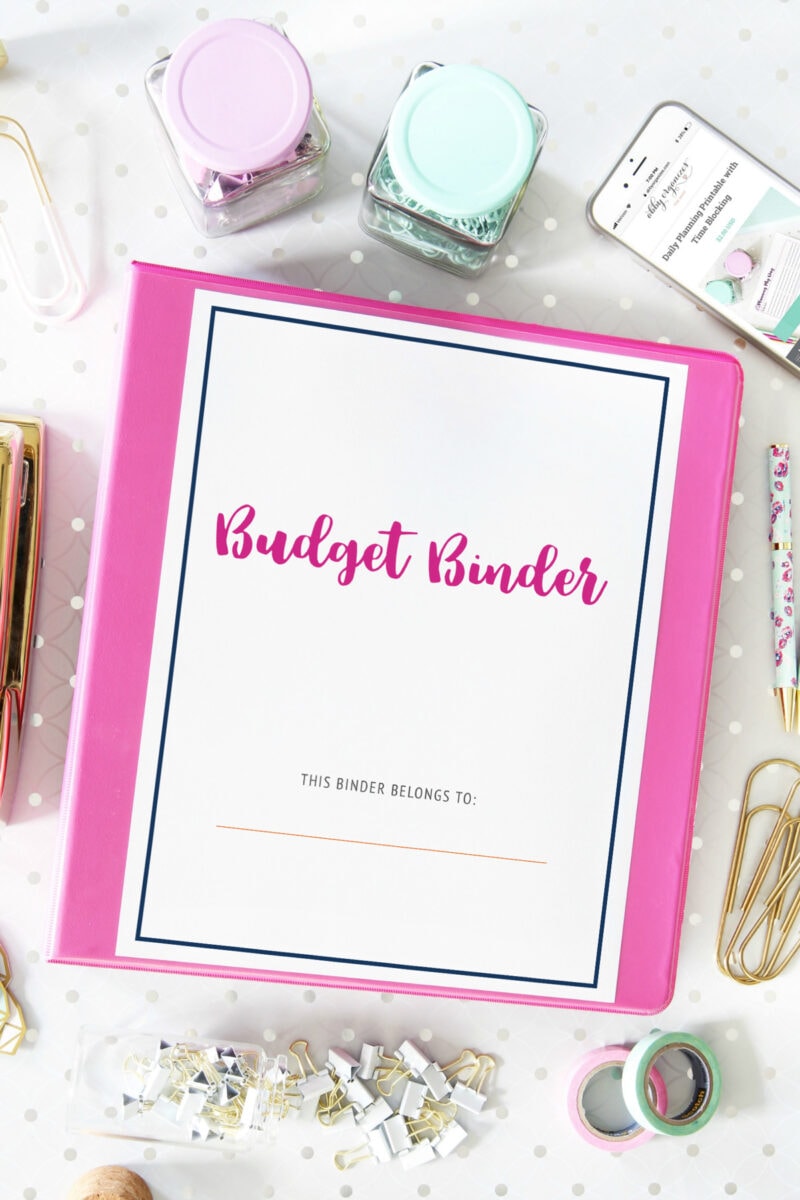
- The Cover Page: A cheerful, minimalist design featuring a designated space for personalization, setting a positive psychological tone for the financial journey ahead.
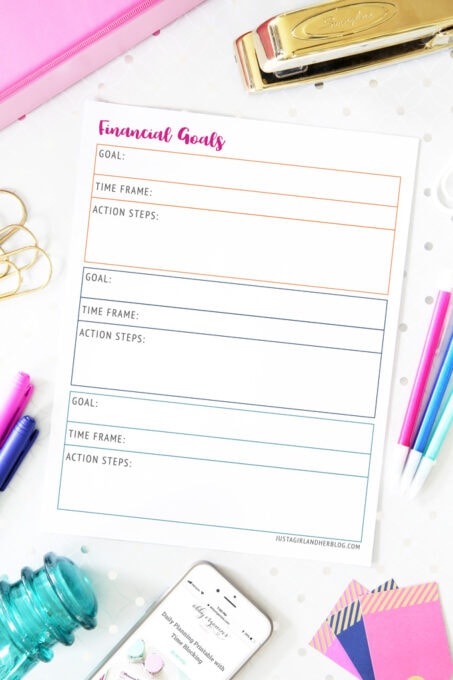
- The Financial Goal-Setting Sheet: A strategic blueprint that compels users to define overarching annual objectives, establish hard deadlines, and map out granular, actionable steps to achieve them.
- The Recurring Expenses Tracker: A centralized ledger dedicated to capturing predictable liabilities—such as mortgages, utilities, insurance premiums, and subscription services—paid on a monthly, quarterly, or annual basis.
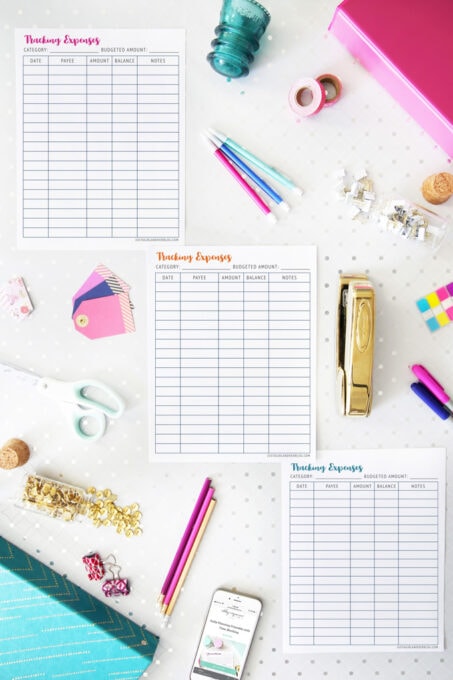
- Monthly Expense Categories: Individual checkbook-style ledgers assigned to distinct spending brackets (e.g., groceries, entertainment, transportation), complete with running balances to prevent overspending.
- The Monthly Check-In Evaluation: A retrospective reflection sheet at the close of every month where users diagnose spending leaks, celebrate victories, and adjust targets for the upcoming cycle.
By bridging the gap between macro-level wealth ambitions and micro-level daily habits, the binder provides a holistic ecosystem for household economic management.
Chronology: From Concept to Community Phenomenon
The trajectory of the annual budget binder reflects a steady evolution in grassroots personal finance education.
- Late Autumn: As consumer spending historically peaks due to seasonal holidays, creators begin compiling feedback from users of the previous year’s edition, identifying pain points such as hidden subscription creep and unstructured discretionary spending.
- Early December: Initial prototypes and updated mockups for the upcoming calendar year are designed, incorporating modernized layouts for digital printing and home organization binders.
- Mid-December to January: The official release is announced via newsletters and digital platforms. The announcement triggers an immediate surge in community engagement, with dozens of daily inquiries and download requests flooding support inboxes.
- Throughout the Year: Users engage in monthly cycles of tracking, reflecting, and resetting. The process transitions from a New Year’s resolution into a sustainable, year-round routine supported by community accountability and periodic check-ins.
This structured timeline ensures that users are not merely reacting to financial emergencies as they arise, but are proactively forecasting expenses quarters in advance.
Supporting Data: The Psychology and Mechanics of Tangible Tracking
While digital banking platforms offer convenience, behavioral finance research consistently demonstrates that physical interaction with money—often referred to as the "pain of paying"—significantly reduces impulsive consumption. When individuals physically write down a transaction, register an expense, or check off a paid bill, cognitive processing deepens, creating a stronger mental barrier against unnecessary purchases.
How to Build Your Physical Ledger
Assembling the 2026 Budget Binder requires minimal investment, making financial organization accessible regardless of income level. Standard supplies include:
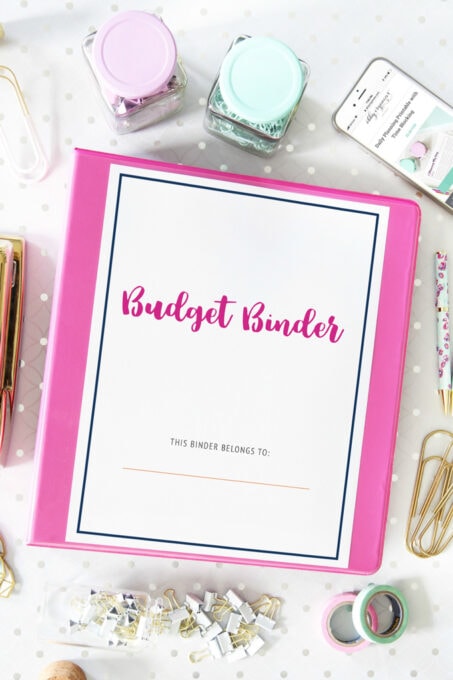
- A durable 3-ring binder (typically 1-inch or 1.5-inch thickness).
- Standard printer paper or cardstock for durability.
- Clear plastic sheet protectors to safeguard master templates.
- Tab dividers to segregate goals, recurring bills, monthly trackers, and notes.
- Writing instruments, color-coded highlighters, or page flags for categorization.
Mining Historical Data for Recurring Liabilities
For many households, the most daunting barrier to entry is identifying hidden recurring expenses. Financial experts recommend a systematic forensic audit of the preceding three to six months of bank and credit card statements.
By combing through digital banking histories, users can populate the binder’s recurring expense log with absolute precision. For variable bills—such as fluctuating electricity or water utilities—best practices dictate recording the peak historical amount to ensure cash flow remains protected during high-usage months. A simple checkbox matrix labeled with the initials of each month allows users to visually confirm when a liability has been successfully cleared, eliminating late fees and anxiety.
Managing Monthly Categories
Discretionary spending is managed through dedicated category sheets that function similarly to classic checkbook registers. Users establish predetermined spending limits for classifications like dining out, clothing, and household goods at the beginning of the month.
For those entirely new to budgeting, financial planners advise a "blind tracking" approach during month one: execute purchases normally without imposing rigid caps, simply recording every expenditure. This baseline data provides an accurate, realistic empirical foundation for setting sustainable budget caps in month two and beyond.
Official Responses and Expert Perspectives
While the creators of the binder explicitly clarify that they are not licensed financial advisors or certified public accountants, the methodology they advocate aligns closely with foundational principles endorsed by consumer credit counseling agencies and behavioral economists alike.
"Goal setting is oh-so-important, especially when it comes to finances," shared the creator behind the initiative. "When couples or individuals take the time to sit down together and write out their financial goals, it puts them on the same page, and they are much more likely to achieve what they set out to do."

This sentiment is echoed by community members who utilize the system. Testimonials frequently highlight the psychological shift that occurs when a family replaces the vague anxiety of debt with a concrete, visible action plan. For instance, committing to an extra payment toward student loans—and visually tracking that principal balance shrink month over month—transforms an abstract burden into an achievable milestone.
Furthermore, the end-of-month check-in component provides a judgment-free zone for self-correction. By explicitly documenting what went right and where spending went off-rails, users cultivate financial literacy and emotional resilience, treating budgeting not as a punitive restriction, but as a dynamic tool for personal empowerment.
Implications: The Macroeconomic Impact of Micro-Budgeting
The widespread adoption of physical budget planners carries significant implications for individual financial health and, by extension, the broader economy. At a household level, rigorous debt repayment and systematic sinking-fund allocation build robust personal safety nets, buffering families against unexpected economic shocks, medical emergencies, or employment disruptions.
From a consumer behavior perspective, the resurgence of analog tracking challenges the frictionless nature of modern commerce. In an economy engineered to encourage instant purchasing through one-click checkouts and digital wallets, tools that introduce intentional friction perform a vital corrective function. They encourage mindful consumption, redirecting capital away from ephemeral lifestyle inflation and toward long-term asset accumulation, emergency preparedness, and debt elimination.
As the 2026 fiscal year gets underway, the success of these printable planners demonstrates that despite dizzying technological advancements in banking, the timeless human desire for clarity, structure, and tactile control over one’s livelihood remains entirely unchanged.