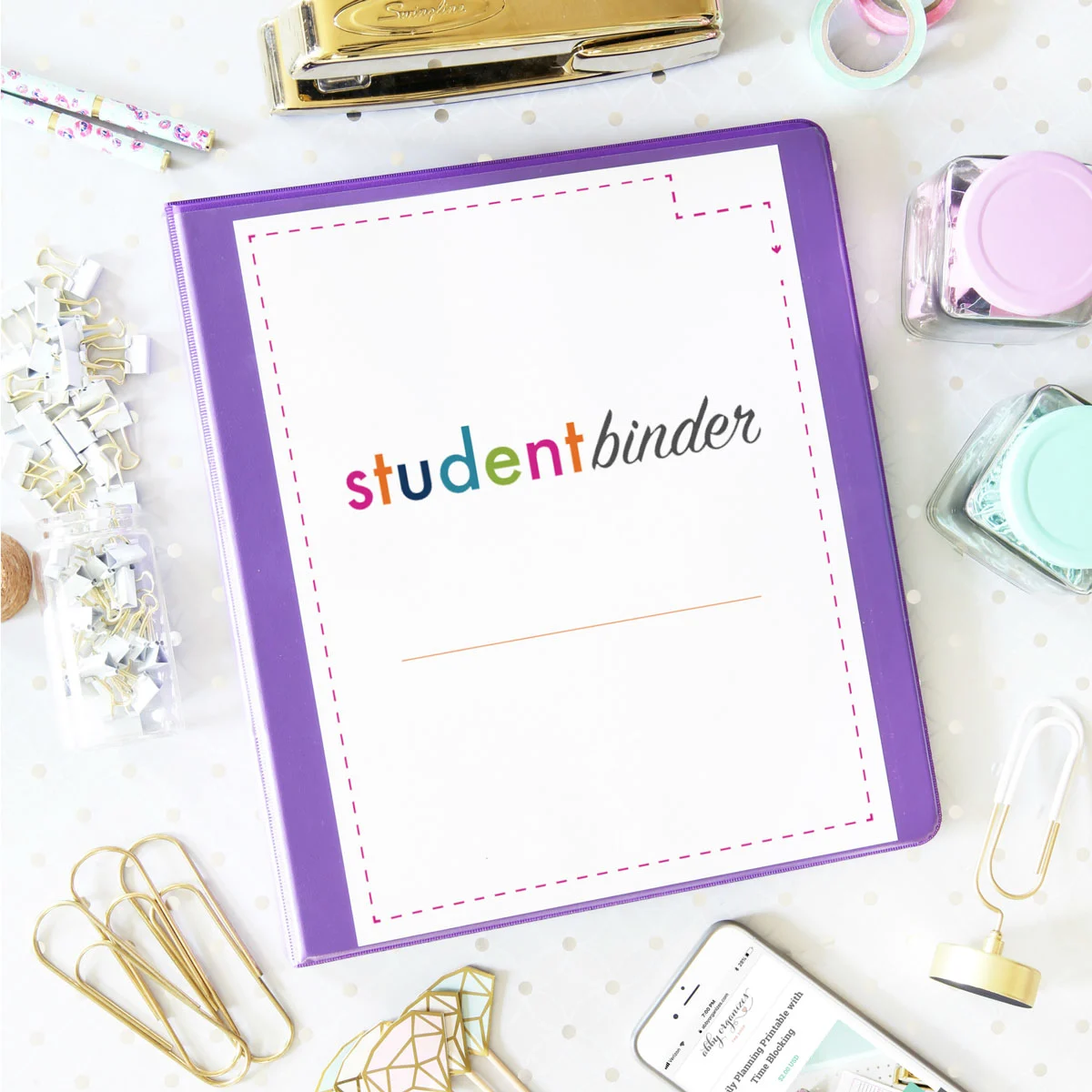
WASHINGTON — As families across the nation prepare for the annual back-to-school transition, the perennial anxiety of managing syllabi, tracking project deadlines, and maintaining academic accountability is meeting a streamlined, aesthetically designed solution. Educational organization resource platform Just a Girl and Her Blog has officially announced the release of its heavily anticipated, newly updated Student Binder system. Featuring extensive modular layouts, dual colorways, and a fully realized digital-to-print workflow, the 2026–2027 edition aims to mitigate the psychological clutter often accompanying middle school, high school, and collegiate transitions.
The release arrives at a critical juncture in the academic calendar, addressing a surging consumer demand for practical, customizable executive function tools that cater to diverse learning styles.
Main Facts: The Anatomy of the 2026–2027 Student Binder
The newly deployed printable system is not merely a collection of static calendars; it is a comprehensive, modular framework designed to instill lifelong organizational habits. Engineered to bridge the gap between high-level macro planning and micro-level academic tracking, the system is segmented into distinct operational zones:

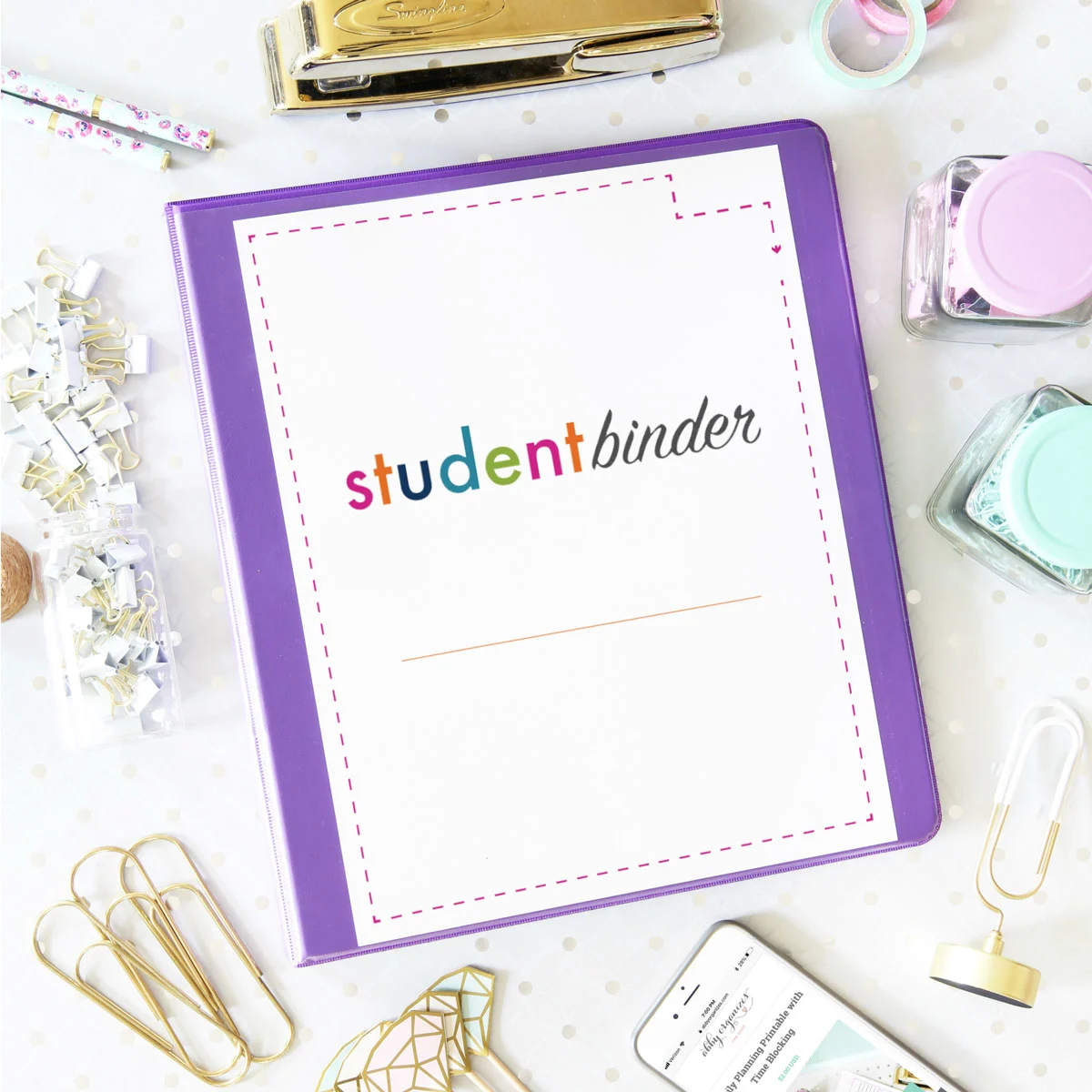
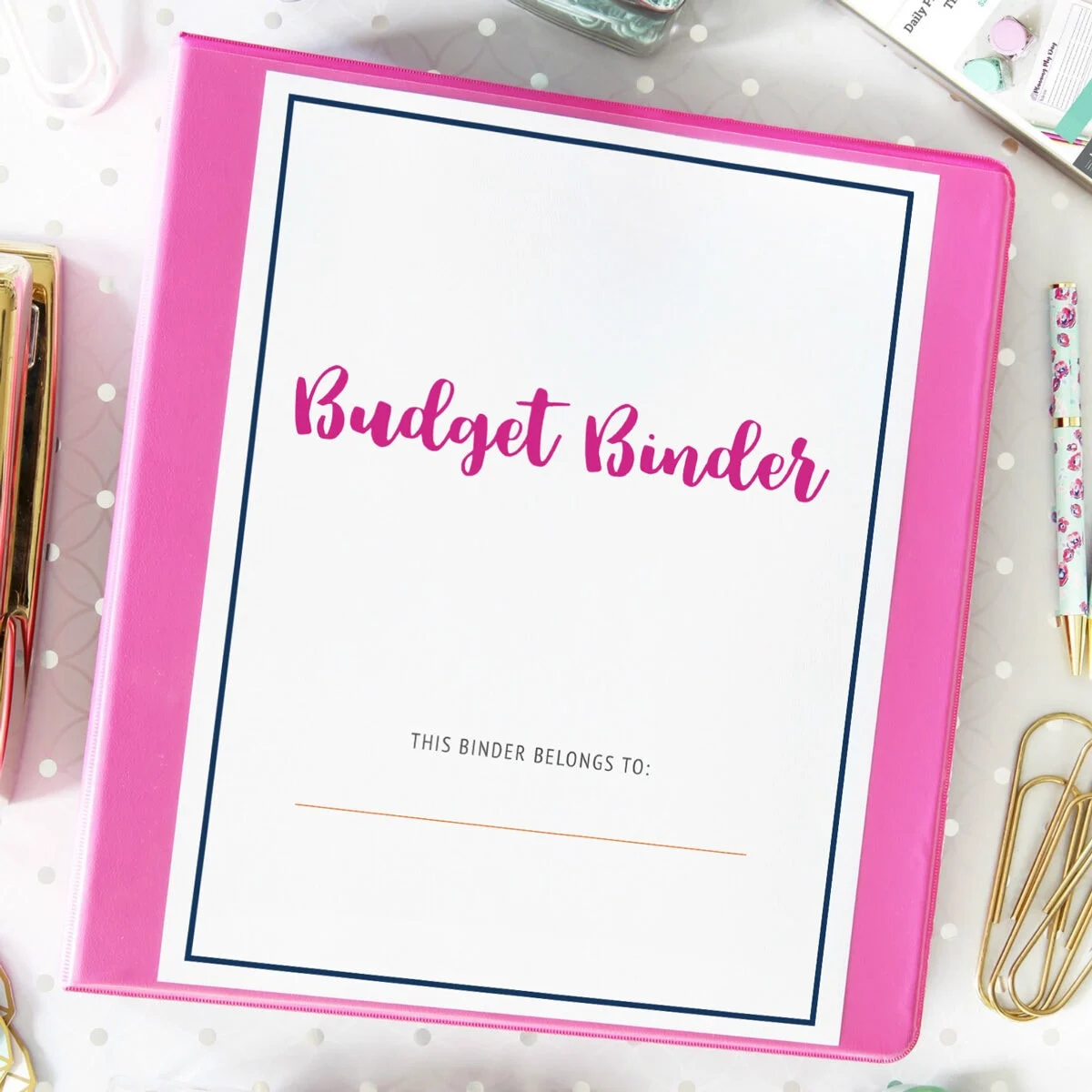
- Customization and Identification: Features heavy-duty, customizable binder covers printed on cardstock to withstand daily transit, complete with dedicated contact and student identification fields.
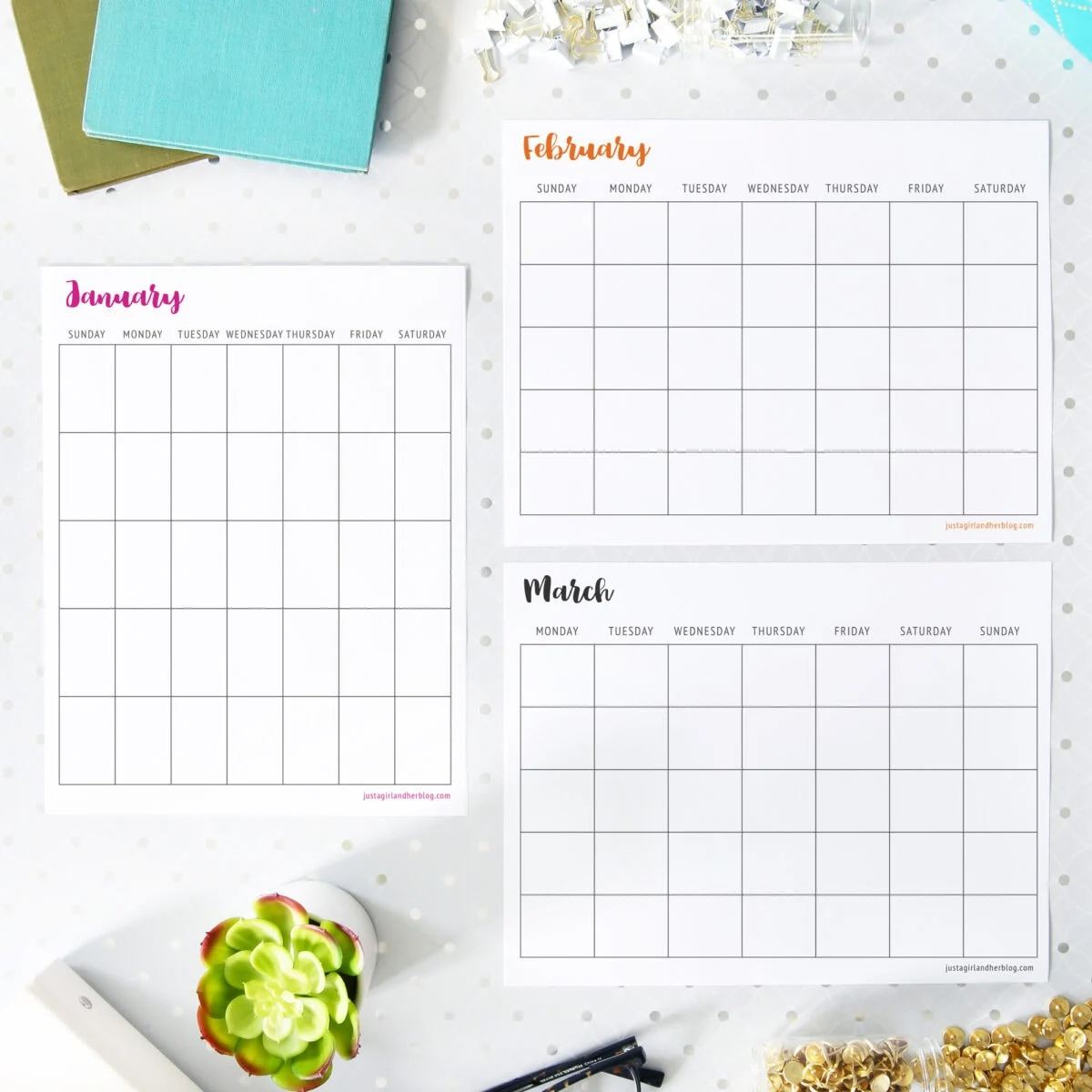
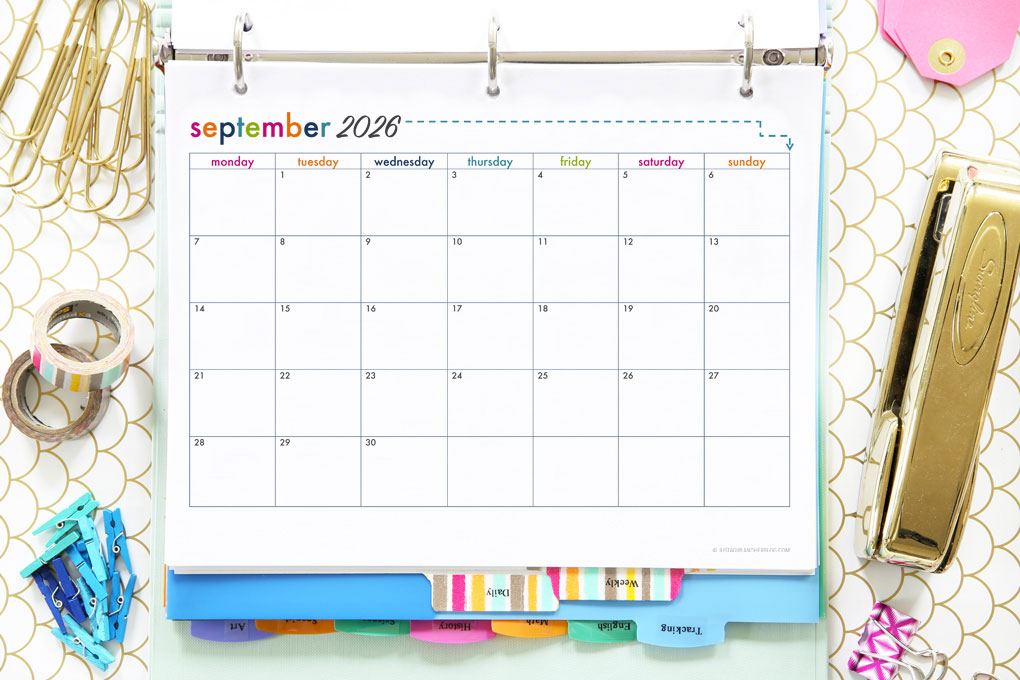
- Macro-Planning Infrastructure: Incorporates dated monthly spreads spanning July 2026 through December 2027, complemented by fully versatile undated calendar templates for long-term academic forecasting.
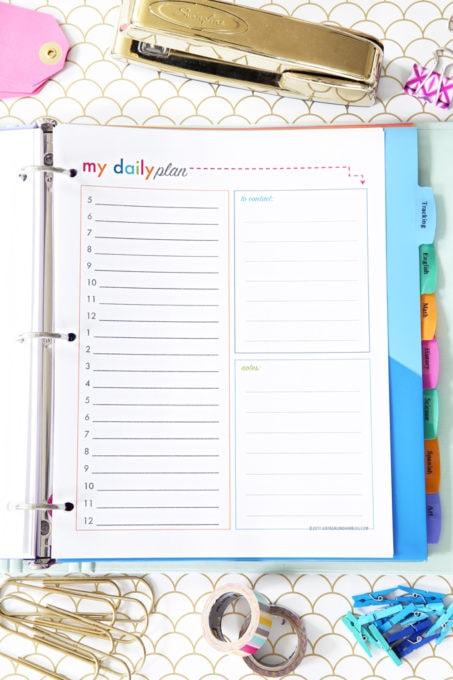
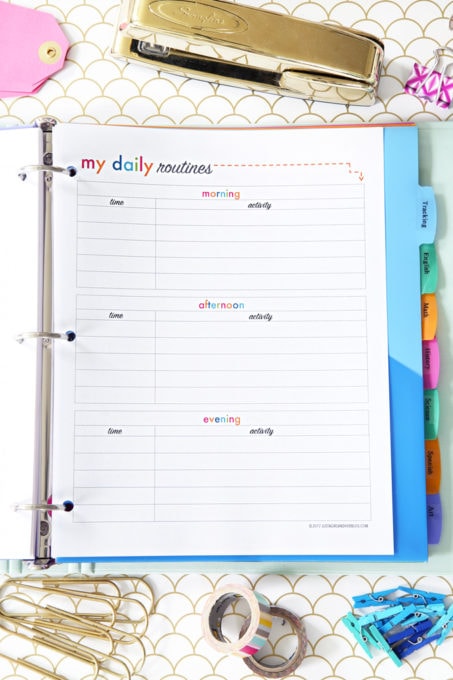
- Time-Management Modules: Includes two-page weekly spreads optimized for time-blocking, hourly daily planners, and comprehensive daily routine checklists broken down into morning, afternoon, and evening habit loops.
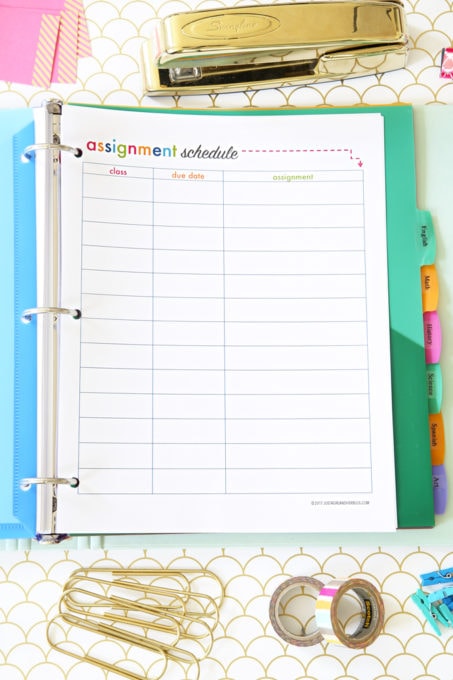
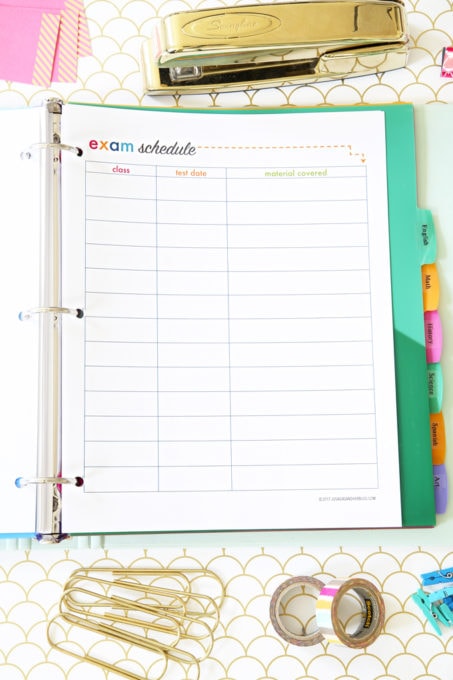
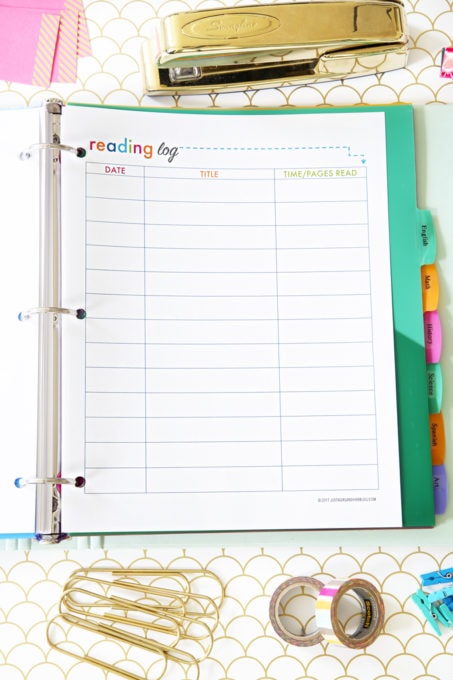
- Academic Tracking Hubs: Features dedicated assignment matrices, exam schedules, robust grade-tracking columns with running totals, and foundational reading logs.
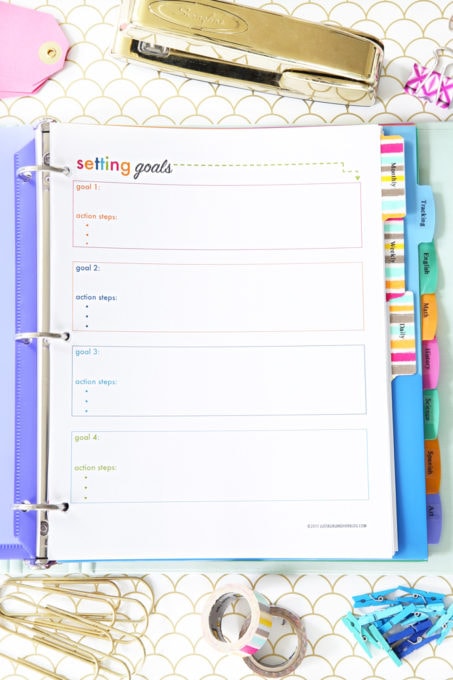
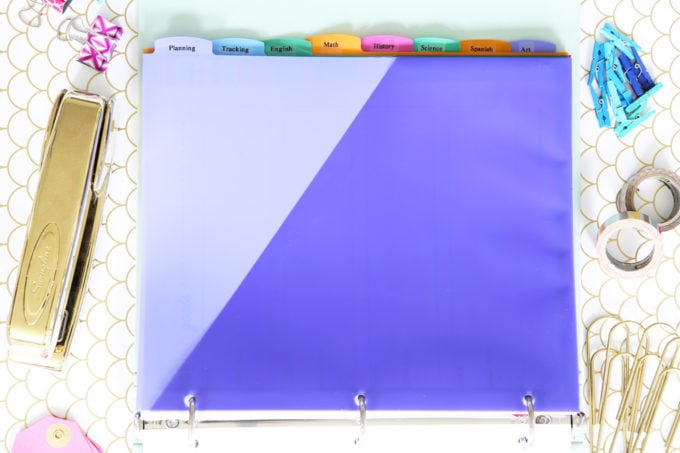
- Subject-Specific Modular Tabs: Houses structured note-taking pages, detailed project planners, and color-coded tab dividers designed for multi-class compartmentalization.
- Dual Color Palette Availability: Offers both the classic vibrant design scheme and a secondary, cool-toned blue aesthetic tailored to diverse aesthetic preferences.
Chronology of Development and Release
The rollout of the 2026–2027 student binder system represents the culmination of years of iterative design refinement based on end-user engagement:

- July 2016: The initial concept framework for the printable student binder is established, offering foundational scheduling sheets and basic subject-tracking logs to early digital organization adopters.
- May 2017 – July 2022: Community feedback drives the introduction of specialized layouts, including time-blocking grids, project planners, and the first iteration of the boy-friendly blue color scheme to accommodate diverse household preferences.
- Spring 2026: Preparatory development begins following months of inquiries from parents, educators, and adult learners asking for updated timelines.
- August 2025 – August 2026: Integration of advanced date ranges (July 2026 through December 2027) to support extended academic program timelines, culminating in the official platform launch and inclusion within the creator’s 300+ page Free Printable Library.
Supporting Data: The Science of Academic Organization and Executive Function
Educational psychologists and productivity researchers have long emphasized the direct correlation between physical organization and academic achievement. According to developmental studies on executive function in students, externalizing tasks—such as writing down assignments, visualizing exam dates, and mapping project milestones—significantly reduces cognitive load and test anxiety.
- Cognitive Offloading: Studies indicate that students who consistently utilize physical planners or structured binders demonstrate a 25% improvement in assignment completion rates compared to those relying solely on digital memory or unorganized notes.
- Grade Transparency: The inclusion of running-total grade trackers addresses "grade shock" at the end of academic grading periods. By calculating cumulative scores in real time, students maintain a precise understanding of their academic standing, encouraging proactive intervention rather than reactive panic.
- Time-Blocking Efficacy: The incorporation of hourly time-blocking templates aligns with proven time-management methodologies. Breaking down a 24-hour day into dedicated study, rest, and transition blocks teaches students invaluable time-management skills that translate directly into professional environments.
Expert Insights and Official Responses
Creators and educational advocates highlight that the universal appeal of the binder extends far beyond traditional classrooms. While primarily targeted at middle school, high school, and university students, the modular nature of the printables has found a dedicated secondary audience among adult learners, remote workers, and homeschooling parents.
"Over the past few months, the single most common question I received from our community was simple: When are you going to update the student binder?" noted Abby Lawson, creator and designer behind the system. "The goal was never just to create pretty paper. It was to build a reliable scaffolding that takes the chaos out of the first day of class and replaces it with clarity. Whether a student is managing five high school AP classes or balancing a heavy university course load, having a centralized place for every syllabus, grade, and project changes the entire trajectory of their school year."

Educators have similarly praised the inclusion of foundational habit trackers. By explicitly outlining morning routines (such as packing backpacks and organizing lunches) and evening routines (such as laying out clothes and reviewing next-day schedules), the system fosters independence in younger students while providing rigorous structural support for older scholars.
Implications: Long-Term Benefits for Students and Families
The widespread availability of accessible, high-quality organizational tools carries profound implications for modern education and household stress management.
1. Reducing Household Friction
The transition back to school often strains family dynamics, with parents acting as inadvertent project managers for their children’s assignments. By empowering students with a self-contained binder system, accountability shifts directly to the learner. The daily routine checklists serve as independent behavioral guides, reducing the need for constant parental reminders regarding homework completion and backpack organization.
2. Bridging the Digital-Analog Divide
While modern educational institutions heavily rely on learning management systems (LMS) like Canvas or Google Classroom, digital fatigue is a documented reality for contemporary students. Staring at screens to check grades, submit assignments, and read digital texts often leads to burnout. The tactile experience of writing down goals, physically checking off completed assignments on cardstock, and flipping through color-coded subject tabs offers a cognitive grounding effect that pure digital workflows frequently fail to provide.
3. Fostering Lifelong Organizational Literacy
The executive function skills developed through consistent binder maintenance—such as chronological scheduling, goal decomposition, and performance tracking—are foundational competencies in the modern labor market. Students who master project planning and time-blocking in middle and high school enter the workforce with an established framework for project management and professional accountability.
Conclusion and Availability
As educational institutions continue to evolve, the fundamentals of personal organization remain steadfast. The 2026–2027 Student Binder system offers a harmonious blend of aesthetic design and rigorous functionality, proving that simple, tactile tools can yield monumental academic results.
The complete binder package—including both the classic vibrant color scheme and the cool-toned blue alternative, complete with dated and undated monthly calendars, weekly planners, grade trackers, and subject-specific project sheets—is currently available as a complimentary resource. Interested students, parents, and educators can access the files directly by subscribing to the platform’s digital library, setting the stage for a calm, organized, and successful academic year.