By Jake Peterson | Senior Technology Editor
November 16, 2026
If you have attempted to log into your online banking portal or initiate a digital payment this Monday afternoon, you are certainly not alone. A sweeping, synchronized series of service interruptions has paralyzed major financial institutions and payment processing platforms across the United States, leaving millions of customers unable to check balances, process payroll, or complete routine transactions.
The disruptions, which began appearing in data logs early Monday, have affected nearly every major tier-one financial institution in the country. From the mobile apps of banking giants to the seamless peer-to-peer (P2P) payment services millions rely on daily, the digital financial infrastructure of the United States is currently experiencing a period of extreme instability.
The Scope of the Disruption: A Digital Gridlock
According to real-time telemetry provided by Downdetector—the industry-standard platform for tracking service outages—the scope of this event is unprecedented in its reach. Unlike isolated technical glitches that typically impact a single provider, today’s event appears to be systemic, affecting a wide cross-section of the financial sector.
As of this writing, the list of affected institutions includes, but is not limited to:
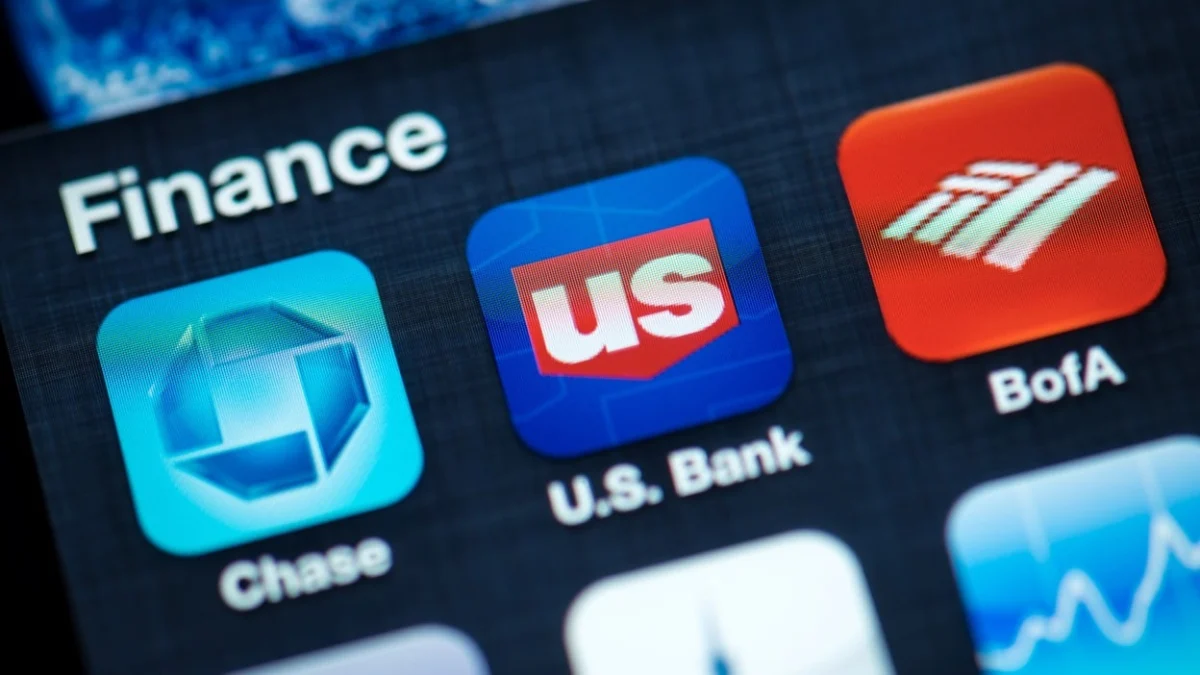
- Major Retail Banks: Bank of America, Chase, Citi, Wells Fargo, US Bank, and Huntington Bank.
- Credit Unions & Specialized Institutions: Navy Federal Credit Union and USAA.
- Digital-First & Online Banks: Ally and Capital One.
- Payment Networks & Credit Issuers: American Express, Visa, and TD Bank.
- P2P and Fintech Platforms: PayPal, Venmo, and Zelle.
For the average consumer, this manifests as an inability to log into mobile banking applications, frozen transaction history screens, "Server Not Found" errors on desktop portals, and failed debit or credit card authorizations at point-of-sale terminals. While the severity varies by institution, the collective impact has created a significant bottleneck for commerce and personal finance management.
Chronology of the Event
The first wave of user reports began surfacing shortly after 1:00 PM ET. Initially dismissed by social media users as localized internet connectivity issues or app-specific cache errors, the volume of complaints escalated exponentially by 2:00 PM.
By mid-afternoon, the "heat map" of outages on tracking sites shifted from isolated urban clusters to a nationwide blanket of reports. Unlike a typical DDoS attack, which often targets a specific infrastructure point, the pattern of today’s outages suggests a broader underlying issue, potentially involving a shared middleware provider, a cloud services bottleneck, or a core network synchronization failure.
Financial analysts are closely monitoring the "cascade effect," where the failure of one major institution’s API (Application Programming Interface) causes a domino effect for third-party services that rely on that bank’s data to facilitate transactions, such as the widely used Zelle network.
Supporting Data: The Anatomy of the Outage
While the exact technical root cause remains unconfirmed, industry experts point to the high volume of traffic typically seen at the start of the work week. However, the sheer breadth of the failure points toward a common dependency.
Many of the institutions listed above share underlying cloud infrastructure providers or rely on the same third-party banking-as-a-service (BaaS) platforms for their mobile app backends. When these central "pipes" suffer a degradation in service, the user-facing apps for dozens of banks can fail simultaneously, even if the banks’ internal ledgers remain secure and intact.
Furthermore, the timing of these events is generating significant public anxiety. Coming on the heels of the massive, global Microsoft outage that disrupted corporate operations worldwide just last week, and the unexpected FAA ground stop that snarled U.S. air travel days prior, the public’s tolerance for large-scale systemic fragility is at an all-time low. While officials have been quick to state there is no evidence of a malicious, coordinated cyberattack or a singular "kill switch" event, the coincidence is fueling intense speculation across digital forums.

Official Responses and Status Updates
As of late Monday afternoon, most affected institutions have issued brief, standardized communications via their social media channels and official status pages.
The messaging has been largely uniform:
- "We are aware of the issue": Almost every impacted bank has acknowledged the connectivity problems.
- "Our teams are investigating": Technical staff are working to restore services, though no specific "Time to Repair" (TTR) has been provided.
- "Your funds are safe": This remains the primary reassurance provided by all institutions. Banks are emphasizing that the outage is a matter of access rather than security. There have been no confirmed reports of unauthorized access or theft of customer assets resulting from this specific outage.
Regulatory bodies, including the Federal Reserve and the Office of the Comptroller of the Currency (OCC), have begun monitoring the situation. In cases of systemic financial infrastructure failure, these entities typically coordinate with private-sector IT teams to ensure that core clearing and settlement systems remain functional, even if retail customer interfaces are offline.
The Implications: Why This Matters
The implications of today’s outages extend far beyond the inconvenience of not being able to check a bank balance.
1. The Vulnerability of Cashless Societies
We are living in an era where physical cash is increasingly relegated to the sidelines. When digital financial systems go dark, the modern economy essentially grinds to a halt. Small businesses that rely exclusively on card readers and digital payment apps like Venmo or CashApp are effectively unable to operate during these windows.
2. Trust and Reliability
Trust is the currency of the banking industry. Every time a major outage occurs, it chips away at the public’s confidence in the transition to a fully digital financial ecosystem. For those who still harbor doubts about moving their entire financial life to the cloud, today’s events serve as a stark reminder of the risks associated with centralized digital infrastructure.
3. Regulatory Scrutiny
In the coming weeks, it is highly likely that Congress and federal regulators will launch inquiries into the resiliency of the financial sector’s digital architecture. Questions will inevitably be raised about the concentration of cloud service providers and whether the banking industry has built sufficient redundancy into its systems to withstand regional or national outages.
Recommendations for Affected Users
If you are currently unable to access your funds, experts recommend the following steps:
- Avoid Repeated Login Attempts: Excessive login attempts can sometimes trigger automated security locks on your account, which may require a phone call to customer service to resolve once the outage is fixed.
- Check Official Channels Only: During widespread outages, phishing scams often spike. Be wary of SMS messages or emails claiming to be from your bank asking for login credentials to "fix" your account. Banks will never ask for your password via text.
- Monitor Official Status Pages: Instead of relying on social media rumors, bookmark the official status pages of your specific bank.
- Maintain Patience: In most cases, these are technical "hiccups" related to data synchronization. Your money is almost certainly safe, even if you cannot see it reflected on your screen at this moment.
Conclusion: A Developing Situation
As this story develops, the financial sector remains in a state of high alert. The frequency of these recent systemic outages—Microsoft, the FAA, and now the banking sector—suggests that the underlying infrastructure of our modern digital life is being pushed to its absolute limits.
Whether these events are the result of aging legacy systems struggling to interface with modern cloud architectures, or something more complex, the need for a more robust and decentralized approach to digital services is clearer than ever.
We will continue to provide updates as more information regarding the root cause and the timeline for restoration becomes available. Please check back frequently for the latest developments.