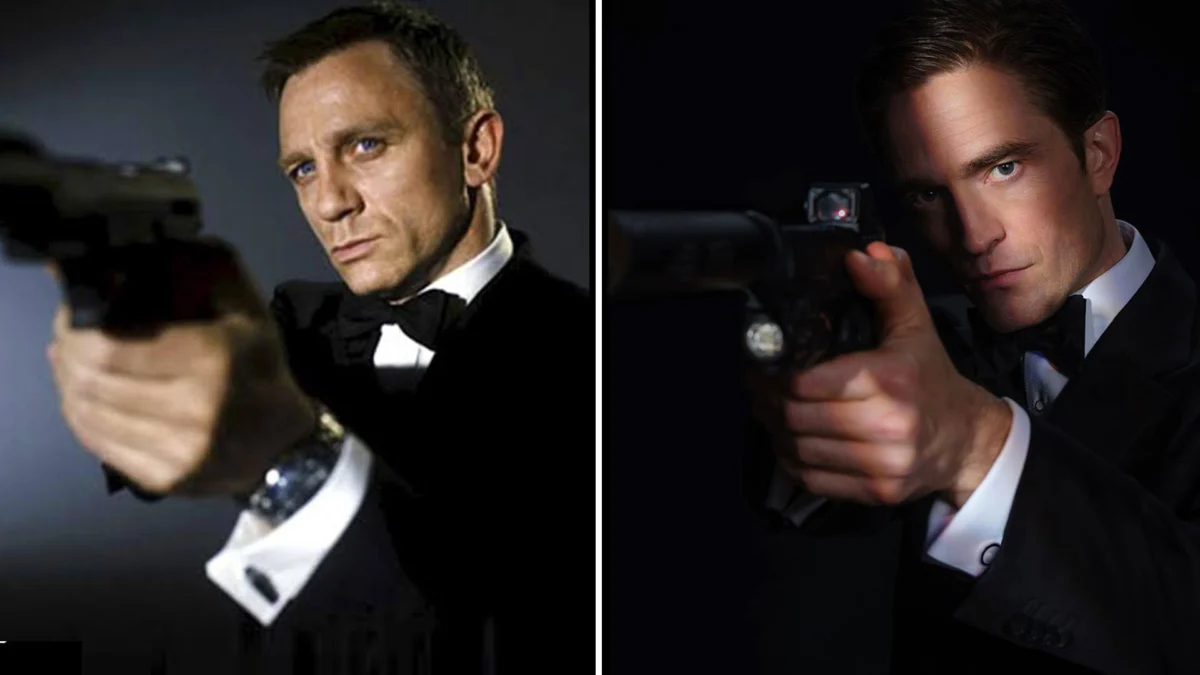
The global film industry was sent into a state of collective whiplash this week following the announcement that Robert Pattinson has been tapped to portray the next James Bond. The news, delivered not via a grand, orchestrated press event at Pinewood Studios or a dramatic unveiling on the River Thames, but through a perfunctory social media post, has sent shockwaves through Hollywood and the dedicated 007 fandom.
For decades, the role of James Bond has been treated as the most prestigious "blank canvas" in cinema. It was a character that defined the actor, rather than the actor defining the character. By casting Robert Pattinson—an A-list star with a massive, pre-existing global brand—Amazon has signaled a seismic shift in how the world’s most famous spy will be managed. We are witnessing the transition of James Bond from a carefully curated cinematic institution into a massive, content-driven IP machine.
The Chronology of a Casting Surprise
The speculation surrounding the search for the next 007 has been a fixture of entertainment reporting since Daniel Craig’s final bow in No Time to Die (2021). For three years, industry pundits and fans alike engaged in a high-stakes guessing game, with names like Aaron Taylor-Johnson, Henry Cavill, and Idris Elba consistently topping the lists.
The strategy traditionally employed by Eon Productions—the family-run company that has historically guarded the Bond franchise—was to cast an actor who, while talented, possessed enough ambiguity to embody the archetype of the secret agent without bringing the baggage of a massive celebrity persona.
This week’s announcement effectively dismantled that precedent:
- Monday: Rumors reached a fever pitch as industry insiders began hinting at an "imminent" announcement.
- Tuesday Morning: Speculation centered on the usual candidates, with most analysts dismissing the possibility of an A-list star taking the role due to the immense time commitment and the "Bond curse" of being typecast.
- Tuesday Afternoon: A minimalist post on official channels confirmed Robert Pattinson as the next 007.
- Wednesday: The immediate aftermath saw a polarized reaction from critics, with debates raging over whether the "Pattinson-as-Bond" era represents a bold creative evolution or the dilution of the franchise’s legendary scarcity.
The Amazon Factor: Why the Brand Has Changed
The fundamental difference between this iteration of Bond and all that came before is the shift in ownership. Since Amazon’s $8.5 billion acquisition of MGM in 2022, the creative direction of the franchise has been under the scrutiny of a tech giant that prioritizes scalability and subscriber retention over the traditional "event film" model.
Historically, the Broccoli family operated on a model of extreme scarcity. A Bond film was a rare, meticulously crafted cultural event. By keeping the character elusive and the actor relatively unknown, they ensured that the audience saw "Bond," not "the guy who played [X]."
Amazon’s approach, however, is built on the philosophy of content ecosystems. By casting a global icon like Pattinson—who carries the weight of The Batman, the Twilight saga, and a host of acclaimed independent roles—the studio is leveraging existing star power to guarantee viewership. This is not just a casting decision; it is a marketing strategy designed to ensure that the Bond brand is as recognizable in the streaming library as it is in the multiplex.
The Philosophy of the "Unknown" vs. The A-List Star
To understand the weight of this decision, one must look at the words of the franchise’s patriarch, Cubby Broccoli. During the casting of Sean Connery, Broccoli famously stated: "I felt I had to have an unknown actor, not a star. Above all, a man you’d believe could be James Bond."
For sixty years, that philosophy held. Even when stars like Roger Moore or Pierce Brosnan were cast, they were often chosen precisely because they could fit into the "Bond" mold without overshadowing the tuxedo. Pattinson, by contrast, is a powerhouse of contemporary acting. His range is undeniable, moving from the blockbuster spectacle of Gotham to the gritty, experimental roles in films like Good Time or The Lighthouse.
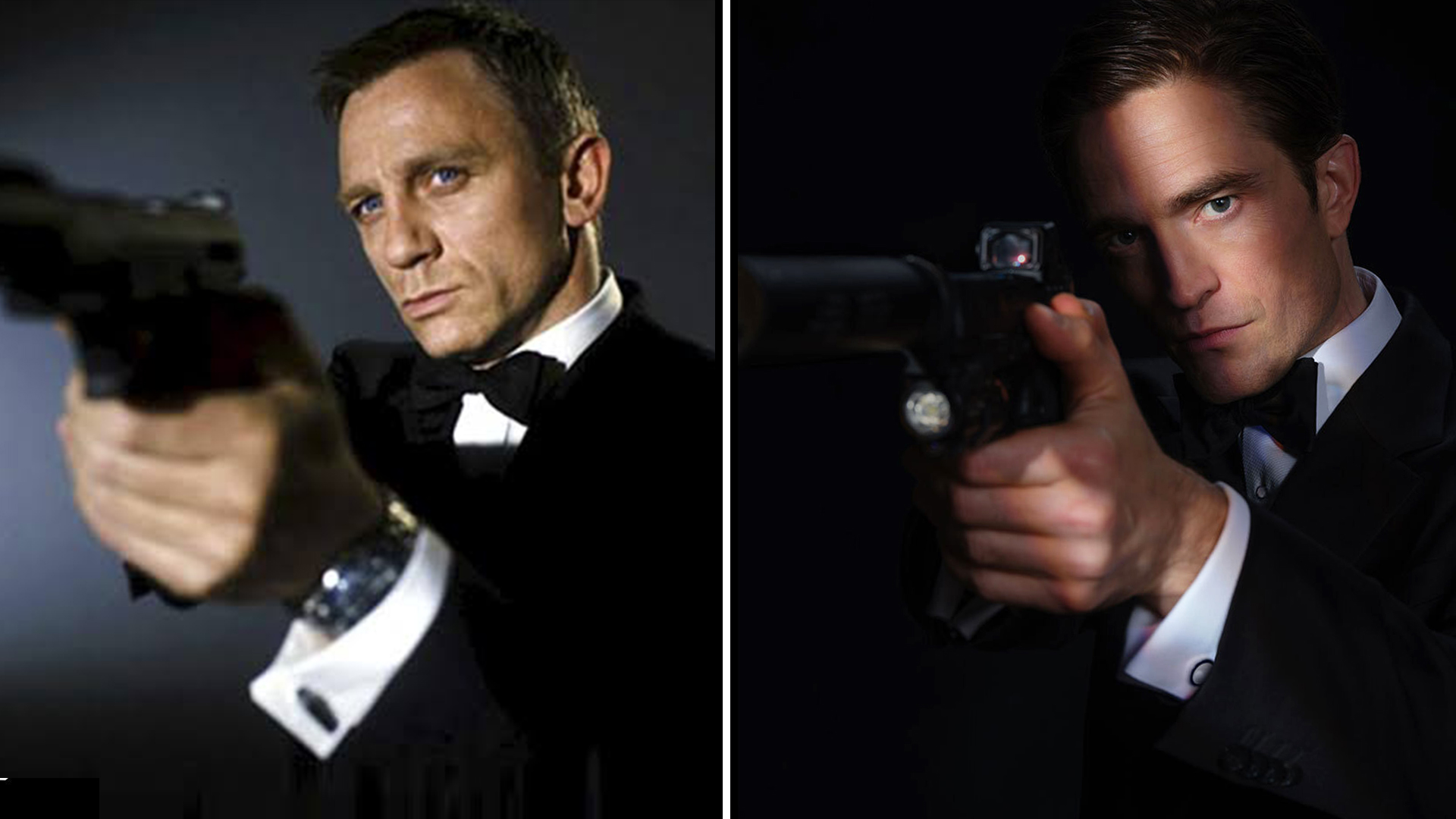
However, this creates a significant psychological hurdle for the audience. Can we suspend our disbelief enough to see James Bond, or will we see Robert Pattinson in a suit? The choice suggests that Amazon believes the Bond brand is now strong enough—or perhaps in need of enough of a jolt—that it can withstand, or even benefit from, the massive gravity of a celebrity star.
Implications: A New Cinematic Future
The casting of Pattinson has opened a Pandora’s box of questions regarding the future of the 007 franchise. If the goal is to maximize the IP, where does it end?
1. The Death of Scarcity
If Amazon treats Bond as a cornerstone of their streaming library, we should expect a higher frequency of content. This could mean more frequent sequels, direct-to-streaming side stories, or even the dreaded "expanded universe" approach. If the goal is to satisfy subscriber demand, the "event" nature of a Bond film is likely to be replaced by a consistent stream of 007-related media.
2. The "Young Q" Problem
The industry is currently obsessed with origin stories and spin-offs. With a star of Pattinson’s stature leading the way, the temptation to build a "Bond Universe" becomes exponentially higher. While the prospect of exploring the history of MI6 is appealing to some, purists fear it will dilute the mystery that has kept the character relevant since 1962.
3. Creative Risks and Rewards
On the positive side, Pattinson is a daring actor. If there was ever a time to push the Bond character into darker, stranger, or more complex territory, this is it. He possesses an inherent "uncomfortability" that could revitalize a franchise that has, at times, struggled to reconcile its classic tropes with modern sensibilities. He is the most capable actor to ever step into the role; the only question is whether the franchise’s rigid structure will allow him to be more than a corporate mannequin.
The Road Ahead
As the dust settles, the industry is left to grapple with the realization that the Bond we knew—the untouchable, mysterious, and rare cultural relic—has been replaced by a modern, high-octane IP.
For the fans, the hope remains that Pattinson’s immense talent will outweigh the corporate maneuverings that brought him to the role. We may be entering an era where the actor is bigger than the tuxedo, but if anyone can navigate the pressure of being the face of the world’s most famous spy while simultaneously fighting the weight of their own stardom, it is likely someone as unconventional as Pattinson.
Whether this marks the final evolution of the character or the beginning of a long, diluted decline, one thing is certain: the Bond brand will never be the same. The Walther PPK is in new hands, and the world is watching—not just to see if he can play the spy, but to see if Amazon can prove that a global icon is, in fact, the right choice for the ultimate secret agent.