The Democratic Republic of the Congo (DRC) stands at a perilous environmental crossroads. As the custodian of the world’s second-largest tropical rainforest and the vast majority of the Cuvette Centrale peatlands, the nation holds the keys to a significant portion of the planet’s climate stability. However, recent government actions to auction off more than half of its national territory for oil and gas exploration have sparked international outcry, pitting immediate fossil fuel revenue interests against the long-term survival of one of Earth’s most vital carbon sinks and biodiversity hotspots.
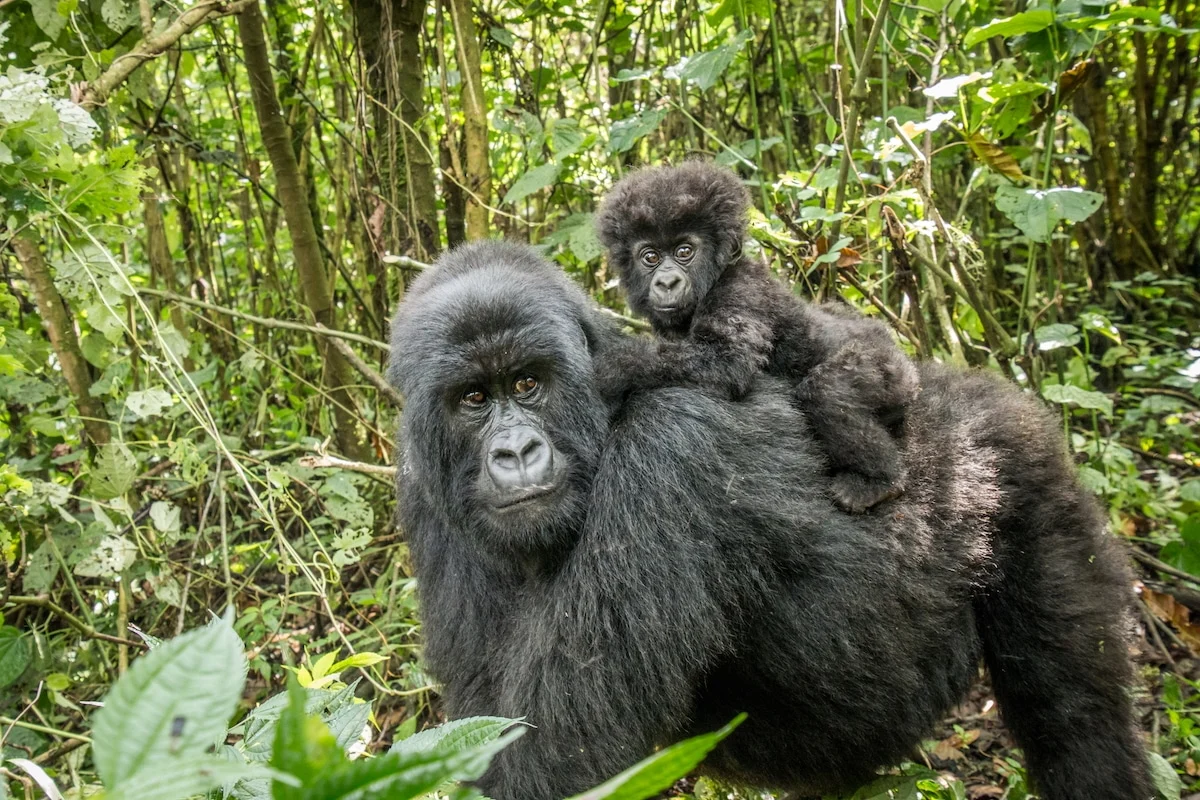
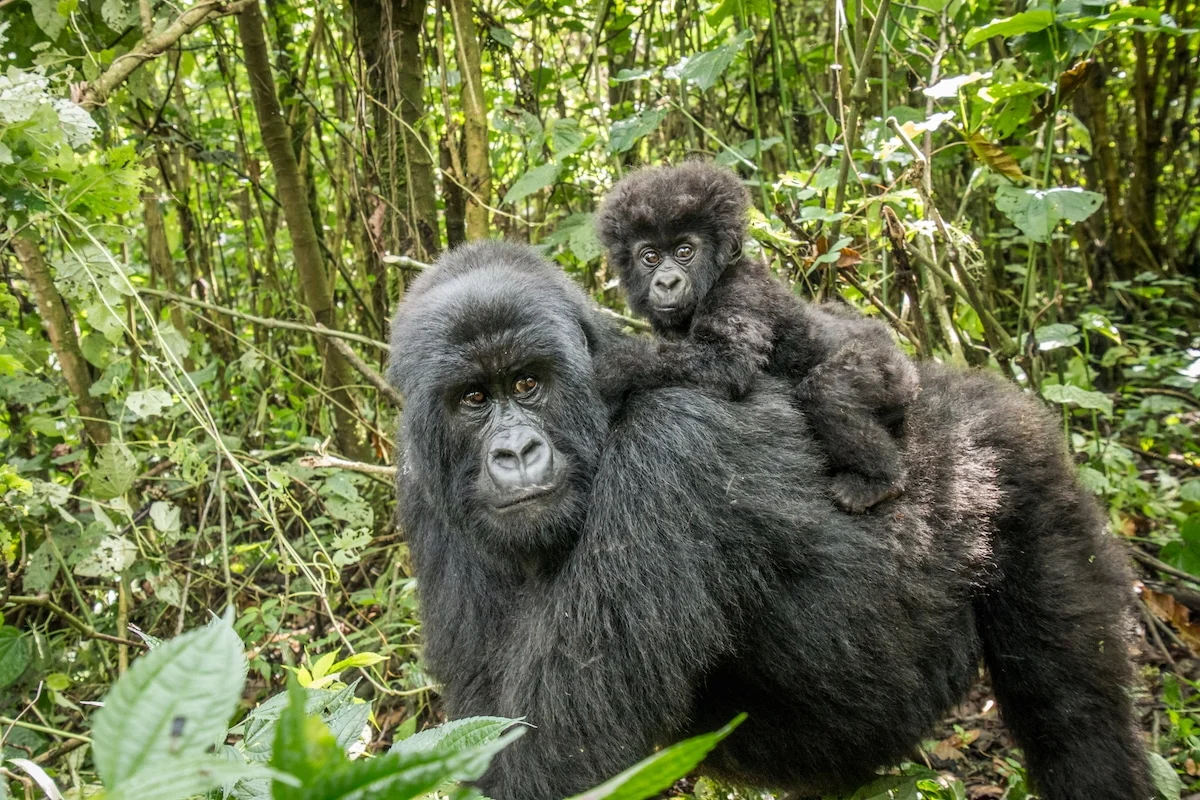
According to a scathing new report by Earth Insight titled Forests to Frontlines: Oil Expansion Threats in the DRC, the government has initiated an auction for 52 new oil blocks. This follows the controversial awarding of three previous blocks, creating a landscape where 53% of the country’s total area is now potentially designated for industrial extraction. This policy threatens not only the survival of iconic endangered species like the mountain gorilla and the bonobo but also the livelihoods of nearly 40 million people who rely on these ecosystems for their daily existence.
The Chronology of Conflict: A Pattern of Expansion
The current crisis is not a sudden development, but rather the acceleration of a trajectory that began in earnest in 2022.
- 2022: The Initial Breach: The DRC government launched a landmark auction for 30 oil and gas blocks. This move was met with immediate criticism from international conservationists and local civil society, as many of these blocks directly overlapped with protected national parks, critical peatlands, and the ancestral lands of Indigenous communities.
- 2023: Escalation and Institutional Silence: Despite mounting pressure from global environmental bodies to prioritize climate commitments, the government moved forward with the authorization of several controversial projects, signaling a shift in national priorities toward immediate mineral and fossil fuel extraction.
- 2025: The "Forests to Frontlines" Expansion: In the most significant expansion to date, the government announced an auction round for 52 additional oil blocks. This move has pushed the total footprint of oil concessions to cover more than half the country, effectively nullifying the environmental credibility of recently established conservation initiatives like the Kivu-Kinshasa Green Corridor.
Supporting Data: The Scale of the Threat
The environmental data presented in the Forests to Frontlines report paints a harrowing picture of what is at stake. The sheer scale of the proposed drilling operations is unprecedented in recent conservation history.
The Ecological Footprint
The current auction blocks are not randomly placed; they intersect with the most fragile and high-value ecosystems in Africa. Key statistics include:
- Intact Tropical Forest: The blocks threaten 165.1 million acres of primary, intact tropical forest, which serves as a massive shield against runaway climate change.
- Protected Areas: Roughly 20.5 million acres of land currently designated as "protected" are now under direct threat from industrial intrusion.
- Biodiversity Hotspots: 21.3 million acres of Key Biodiversity Areas (KBAs) are located within the proposed drilling zones, jeopardizing the survival of rare species like the eastern lowland gorilla.
- The Kivu-Kinshasa Green Corridor: Perhaps the most egregious contradiction is that 72% of this recently established ecological corridor—designed to be a climate solution—now overlaps with oil blocks, effectively gutting its purpose before it could be fully realized.
The Peatland Factor
The Cuvette Centrale is the largest tropical peatland complex in the world. It is estimated to store approximately 30 gigatons of carbon—the equivalent of three years of total global fossil fuel emissions. The majority of this region is now part of the newly designated oil blocks. The disruption of these peatlands could lead to the massive release of stored carbon, transforming a vital global "climate sponge" into a massive source of atmospheric pollution.
The Human Cost: Indigenous and Local Communities
While the global climate implications are dire, the immediate human toll is equally devastating. An estimated 39 million people reside within the boundaries of the areas slated for auction.
These communities, many of whom are Indigenous, rely on the forest for food, medicine, spiritual practice, and water. The arrival of oil infrastructure—including roads, pipelines, and industrial camps—is a harbinger of deforestation, water pollution, and the displacement of traditional ways of life.

Pascal Mirindi, campaign coordinator for Notre Terre Sans Pétrole (Our Land Without Oil), captured the collective frustration of these citizens in a recent statement: "Imagine: 39 million Congolese people… and 64% of our forests could be directly affected by the awarding of these oil blocks. And all this while the government is promoting the Kivu-Kinshasa ecological corridor. Where is the logic? Where is the coherence? We are reminding our leaders that the Congolese people are the primary sovereign."
Official Responses and the Stance of Civil Society
The DRC government has consistently framed these auctions as essential for economic development and the alleviation of poverty. Leaders argue that the nation has a sovereign right to monetize its natural resources, much like Western nations did during their own periods of industrialization.
However, civil society organizations, including the Coalition des Organisations de la Société Civile pour le Suivi des Reformes et de Action Publique (CORAP) and Rainforest Foundation UK, argue that this is a false choice. They contend that the long-term economic damage caused by environmental degradation, loss of biodiversity, and climate-induced instability far outweighs the short-term revenues of oil extraction.
The report by Earth Insight is a clarion call for the cancellation of the 2025 licensing round. The demands are clear:
- Halt All Future Hydrocarbon Expansion: A complete moratorium on new oil and gas exploration in ecologically sensitive areas.
- Respect for Human Rights: Upholding the land rights and sovereignty of Indigenous and local communities.
- Transparent Governance: Ensuring that environmental decision-making is inclusive, with meaningful participation from the civil society and the communities directly affected by the projects.
- Alignment of Donor Support: International financing must be strictly conditioned on the DRC’s commitment to its biodiversity and climate pledges.
Global Implications: A Turning Point for the Congo Basin
The Congo Basin is often called the "second lung" of the planet. If the DRC moves forward with these plans, it sends a dangerous signal to the international community. It suggests that national economic interests will consistently override global climate safety, even in regions where the ecological consequences are catastrophic.
Anna Bebbington, an Earth Insight research manager, notes that the current path is a direct contradiction to the country’s international commitments. "The DRC’s new oil licensing round calls into question the country’s stated commitment to environmental protection and social progress," Bebbington stated. "Rather than steering away from fossil fuel expansion, the government has dramatically widened the reach of oil concessions, putting at risk the ecological integrity of the Congo Basin."
As the world watches, the choice facing the DRC is binary: continue down a path of industrial exploitation that promises short-term gain at the risk of permanent ecological ruin, or pivot toward a model of sustainable development that values the forest as a living, breathing asset.
The Forests to Frontlines report serves as a final, urgent reminder that the protection of these lands is not merely a local issue, but a fundamental pillar of the global strategy to mitigate climate change. If the Cuvette Centrale is opened to the drill bit, the repercussions will be felt far beyond the borders of the Democratic Republic of the Congo, fundamentally altering the trajectory of the Earth’s climate for generations to come. The question now remains whether the Congolese government will heed the pleas of its own citizens and the international scientific community, or whether it will continue to dismantle its own future in the pursuit of oil.