
In an era where financial literacy is increasingly recognized as a vital life skill, many parents are searching for creative ways to bridge the gap between classroom theory and real-world application. While schools teach complex calculus and historical timelines, the practical management of household budgets often remains a "hidden" curriculum. A growing number of families are now turning to an unconventional, yet highly effective, classroom: the summer vacation. By involving children in the budgetary logistics of travel, parents are demystifying money management and transforming it into an engaging, collaborative family project.

The Core Philosophy: Moving Beyond the Piggy Bank
For most children, money is an abstract concept—something that magically appears from an ATM or is tapped into existence via a smartphone. However, true financial stewardship requires an understanding of scarcity, prioritization, and the consequences of impulsive spending.

The strategy adopted by many families—including those who utilize specialized planning tools—revolves around the concept of "sinking funds." Rather than relying on credit cards or high-interest travel loans, families set aside incremental savings throughout the year. By the time the vacation begins, the budget is pre-funded. This foundational step is crucial: it teaches children that travel is not a luxury to be financed by future debt, but a reward for disciplined saving. When children are given visibility into this process, the vacation ceases to be just a series of events and becomes a lived experience of responsible financial planning.

A Chronology of Financial Education
The educational process typically follows a structured lifecycle, mirroring the phases of the trip itself:

- The Preparation Phase (Pre-Trip): Parents introduce the concept of the "Vacation Budget." This involves outlining the total amount saved and breaking it down into logical categories: transportation, lodging, food, activities, and discretionary souvenirs. By setting these parameters early, children begin to understand that a budget is not a restriction, but a roadmap for choices.
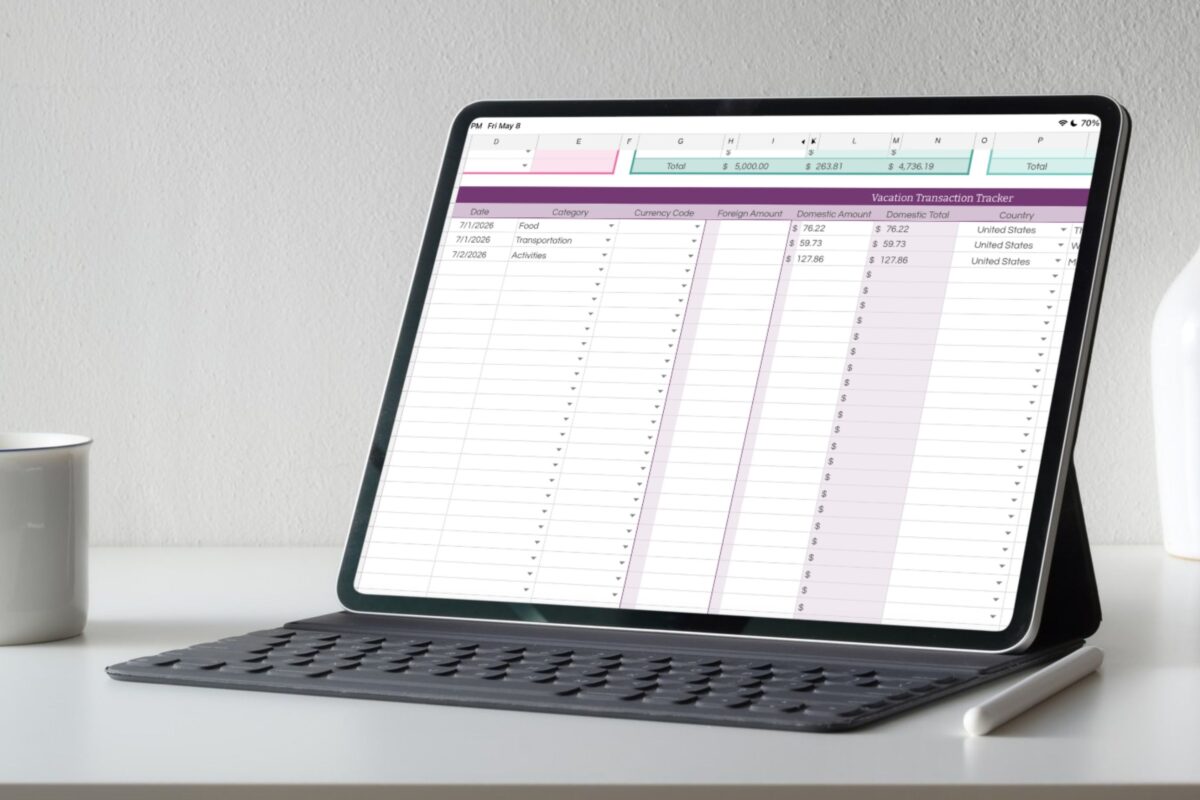
- The Implementation Phase (During the Trip): This is the most active stage of learning. Every transaction—from a gas station snack to a major excursion ticket—is recorded in a shared digital ledger. This provides real-time feedback, allowing children to see how their immediate choices impact the total remaining budget.
- The Evaluation Phase (Post-Trip): Upon returning home, families review the data. Did they overspend in dining? Did they have a surplus in activity funds? This retrospective analysis helps children understand the difference between wants and needs and highlights how shifts in behavior could yield different results in the future.
Data-Driven Parenting: The Role of Digital Literacy
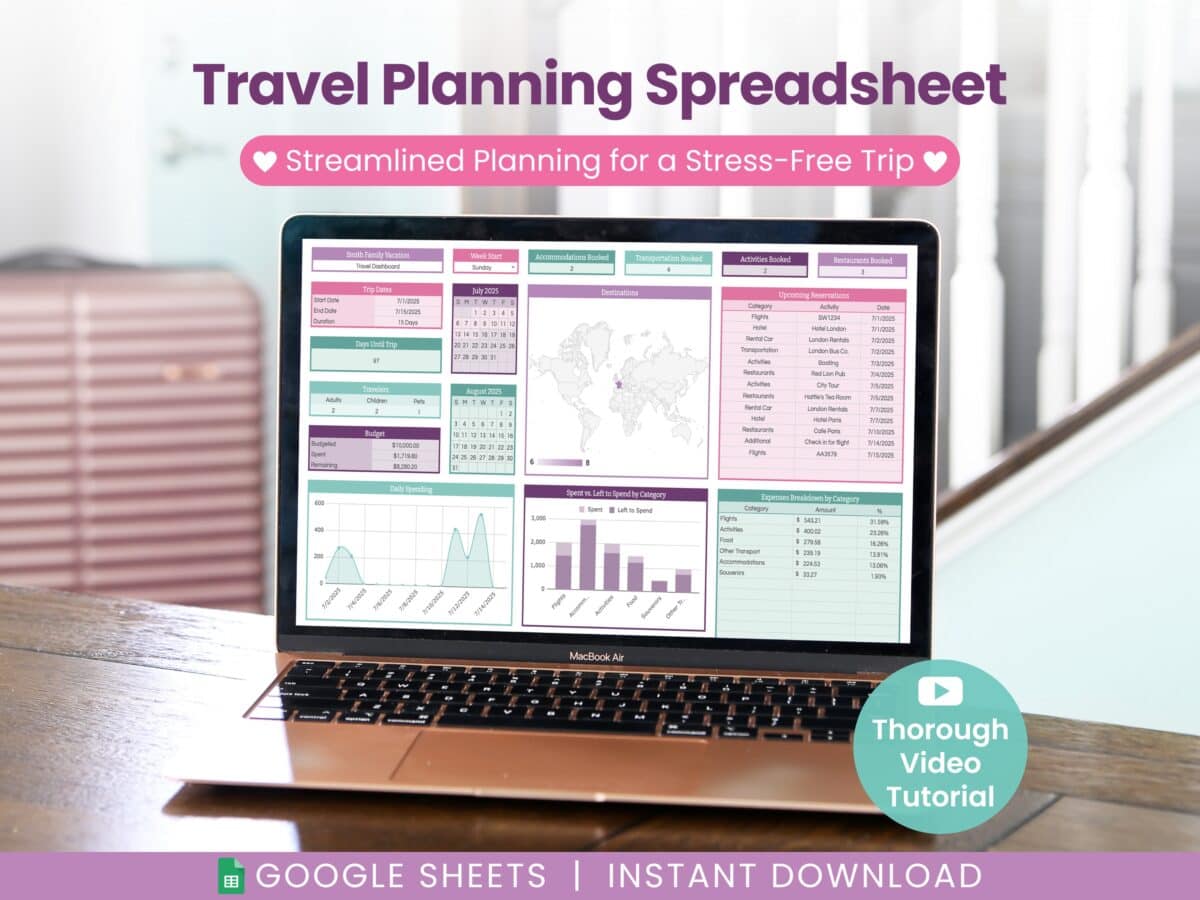
In the modern household, digital tools are an essential component of this financial training. The use of cloud-based spreadsheets, such as Google Sheets, serves as an entry point for financial literacy. By utilizing accessible interfaces, children can engage with data visualization and arithmetic in a context that directly affects their personal enjoyment.
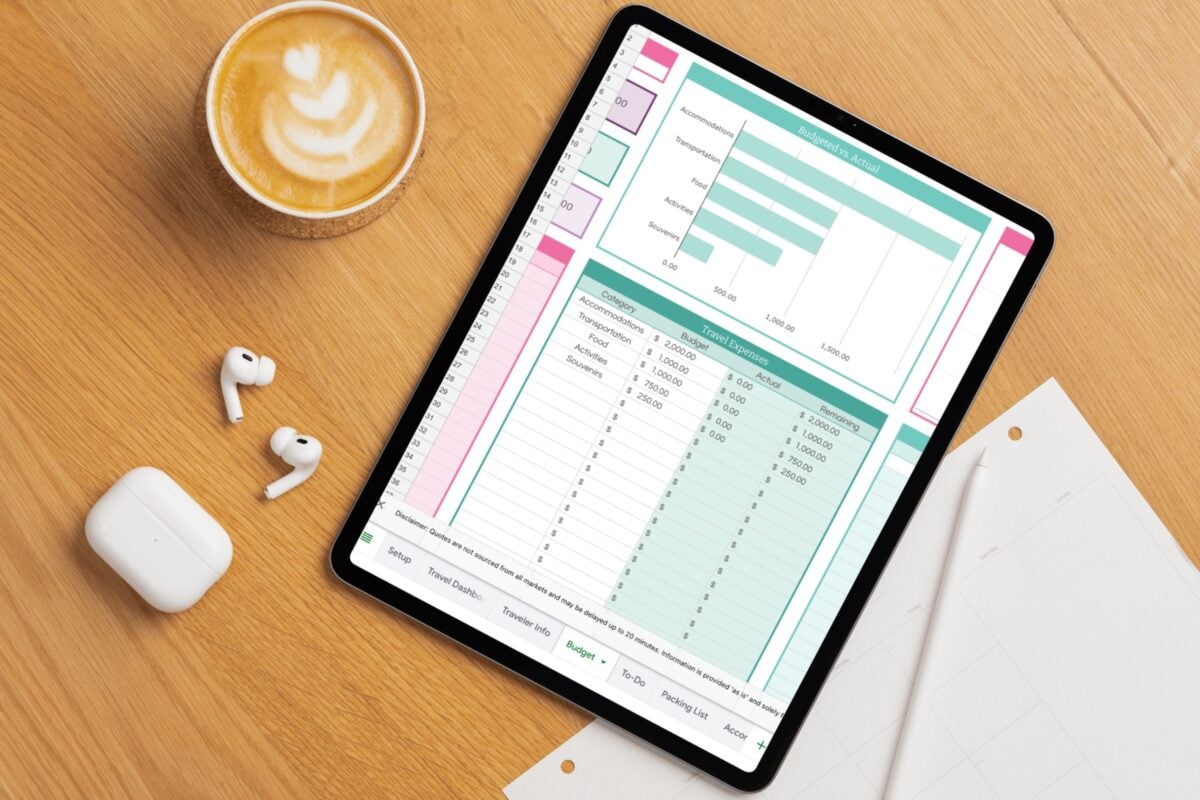
When a child observes that a $6 purchase at a gas station impacts the "daily allowance" for the remainder of the trip, they learn the principle of opportunity cost—a core tenet of economics. They are no longer passive observers of their parents’ spending; they are active participants. This shift in perspective is significant. It moves the conversation about money from a place of parental authority—"No, we can’t afford that"—to a place of collaborative problem solving—"If we spend this now, what would we have to give up later?"
Implications for Future Financial Health
The long-term implications of this approach are profound. By framing budgeting as a "game" or a "mission" rather than a chore, parents are effectively inoculating their children against the anxiety often associated with personal finance.

Developing Critical Thinking
When children realize that resources are finite, they naturally begin to prioritize. They learn to evaluate the value of an experience versus a physical object. For instance, is a generic souvenir more valuable than a family dinner at a local restaurant? When the child is responsible for tracking the budget, they become the ones asking these questions. This encourages the development of critical thinking skills that will serve them well when they eventually manage their own rent, utilities, and grocery bills.

Breaking the Stigma of "Budgeting"
One of the greatest barriers to healthy financial habits in adulthood is the misconception that budgets are punitive. By incorporating budget tracking into the excitement of a vacation, children associate financial management with success and stability. They learn that tracking money provides them with more freedom, not less, because it prevents the stress of running out of funds unexpectedly.

Expert Perspectives: The Shift in Pedagogical Approaches
Financial advisors and child psychologists alike are beginning to endorse the "vacation-as-classroom" model. Dr. Elena Rodriguez, a developmental psychologist specializing in financial behavior, notes that "the cognitive load of managing a budget during a high-interest event like a vacation allows for better retention of concepts. Children learn through the visceral experience of seeing numbers change in response to their decisions."

Furthermore, personal finance experts emphasize that these exercises help demystify the "black box" of adult finances. By witnessing how parents navigate unexpected costs—such as a flat tire or a change in weather—children learn that financial agility is just as important as initial planning. When a budget category goes into the red, it provides a "teachable moment" regarding how to reallocate funds, reinforcing the idea that financial health is about constant adjustment rather than perfection.

Overcoming Potential Challenges
While the strategy is effective, it is not without its hurdles. Parents must be prepared for:
- The "Accountability Gap": Younger children may struggle with the precision required for data entry. Parents should allow for a learning curve, using it as an opportunity to teach the importance of accuracy.
- The "Unexpected Expense" Dilemma: It is inevitable that costs will fluctuate. Using these moments to discuss "emergency funds" or "contingency planning" adds another layer of sophistication to the lesson.
- Balancing Control and Autonomy: Parents must decide when to intervene and when to let the child "fail" by overspending in one category, provided it doesn’t jeopardize the safety or success of the trip.
Conclusion: Investing in the Next Generation
Teaching children about money on vacation is about more than just keeping receipts; it is about fostering a mindset of empowerment. It is about moving away from the idea that money is something that "happens" to us, and toward the realization that money is a tool to be directed.

As these children grow into young adults, the habits formed while tracking vacation expenses will likely transition into their own personal financial systems. They will be better equipped to handle the complexities of credit, investments, and long-term saving, not because they were lectured, but because they were trusted with the responsibility of managing their family’s resources in a real-world environment.

Ultimately, the most valuable souvenir a family can bring home from a vacation is not a photograph or a trinket, but the confidence and competence of a child who understands the value of a dollar and the power of a plan. By integrating these small, consistent lessons, parents can ensure that their children are not just "good with money," but capable of building a thriving, independent financial future.