ANN ARBOR, Michigan — For generations, a trip to the dentist for a young child has been synonymous with the dreaded hum of the drill, the sting of a local anesthetic injection, and, frequently, the high-stress environment of pediatric operating rooms. Every year, untreated dental caries—commonly known as cavities—send thousands of young children to hospital emergency departments for severe pain, infections, and surgical extractions under general anesthesia.
However, a quiet revolution in pediatric dentistry is on the horizon. A simple, inexpensive, and entirely drill-free liquid coating called silver diamine fluoride (SDF) is poised to transform oral healthcare. Backed by the results of a landmark, University of Michigan-led Phase III clinical trial published in JAMA Pediatrics, the innovation is now on the precipice of securing formal U.S. Food and Drug Administration (FDA) approval as a therapeutic drug.
If approved, the milestone could rewrite standard protocols for treating childhood tooth decay, replacing invasive mechanical interventions with a quick, painless swab that takes mere seconds per tooth.
Main Facts: What is Silver Diamine Fluoride and How Does It Work?
Silver diamine fluoride is a clear, odorless liquid compound comprised of silver and fluoride ions. While it sounds futuristic, its chemical mechanism is straightforward:
Silver acts as a powerful antimicrobial agent, killing the bacteria responsible for breaking down tooth enamel and causing decay.
Fluoride supercharges the tooth’s natural remineralization process, hardening the structure and preventing further breakdown.
The application process is remarkably fast and non-invasive. Instead of utilizing drills, burs, or sedation, a dentist or healthcare provider dips a microscopic sponge-tipped applicator into the SDF liquid and paints it directly onto the affected cavity. The process takes roughly a few seconds per tooth.
The treatment halts the progression of the cavity dead in its tracks. For young children with baby teeth, periodic reapplication every six months can successfully manage the decay until the primary tooth naturally falls out to make way for permanent adult teeth.
Chronology of an Innovation: From Global Standard to U.S. Clinical Proof
While SDF is a novel concept in many mainstream U.S. dental practices, its journey spans decades and continents:
Decades Past: International dental communities, particularly in Japan, Australia, and parts of South America and Europe, have successfully utilized SDF for decades to manage rampant tooth decay, proving its safety and efficacy on a massive global scale.
2014: The FDA cleared SDF in the United States, but crucially, it was approved strictly as a medical device designated for treating dental hypersensitivity—not as a pharmaceutical drug to actively treat and arrest cavities. Consequently, its use for caries management remained "off-label."
The Present Era: Recognizing a critical gap in clinical data required by U.S. regulatory bodies, a consortium of researchers launched a rigorous, multi-site Phase III clinical trial to secure definitive, high-quality evidence. The resulting study, spearheaded by the University of Michigan, has now provided the exact safety and efficacy data needed for the manufacturer to file a formal New Drug Application (NDA) with the FDA.
Supporting Data: The Landmark Phase III Trial
To achieve mainstream medical and dental acceptance, researchers needed robust, empirical data gathered specifically from U.S. populations. The newly published trial delivered comprehensive insights.
Study Design: The Phase III trial enrolled 830 children under the age of six. Participants were actively recruited through a diverse network of dental offices, pediatric medical clinics, and Head Start and Early Head Start programs across Michigan, New York, and Iowa.
Key Findings: Researchers discovered that applying SDF at six-month intervals successfully arrested tooth decay in more than half of the children’s affected baby teeth.
Safety and Tolerability: The trial confirmed that the treatment is exceptionally safe, well-tolerated, and viable even for infants and toddlers as young as one year old.
The product utilized in the clinical evaluation was Advantage Arrest 38% SDF, generously provided by the manufacturer Elevate Oral Care. The data successfully bridges the evidentiary gap that previously hindered insurance reimbursement, widespread institutional adoption, and formal FDA drug labeling.
Official Responses and Expert Perspectives
The academic and clinical communities have greeted the publication of the trial with immense enthusiasm, viewing it as a watershed moment for public health.
Dr. Margherita Fontana, a professor of dentistry at the University of Michigan School of Dentistry and the principal investigator of the study, emphasized the necessity of rigorous data in shifting clinical paradigms.
"This is a very effective and safe treatment—even in children as young as 1," Fontana stated. "If we want more children and families to benefit from this treatment, we need rigorous evidence showing both that it works and that it’s safe. From a public health perspective, if we want broader implementation across the United States, including in medical settings, we need carefully collected data in US populations, and we now have that."
Dr. Fontana also highlighted the interdisciplinary potential of SDF. Because young children typically visit pediatricians for wellness checks long before they ever sit in a dental chair, a wider acceptance of SDF could allow primary care physicians to spot and treat early cavities on the spot—or successfully stabilize them until a formal dental referral can be made.
Dr. Amr Moursi, a professor of pediatric dentistry at the New York University College of Dentistry and co-principal investigator on the study, echoed these sentiments regarding the regulatory and financial hurdles that formal approval will clear.
"Our results support FDA approval of SDF for managing arrest of tooth decay in young children," Moursi noted. "Removing SDF from off-label status would be an important innovation which could lead to increased utilization by providers, enhanced payments by insurers, and more consistent product quality."
Broad Implications: Access, Equity, and the Future of Dental Care
Tooth decay remains the single most common chronic disease of childhood, disproportionately affecting low-income and marginalized communities. According to national health statistics, more than 40% of U.S. children experience cavities before entering kindergarten.
Left untreated, these cavities cascade into severe systemic issues: chronic pain, debilitating oral infections, missed school days, severe sleep and nutritional disturbances, and, in worst-case scenarios, expensive emergency room visits culminating in general anesthesia and surgery.
SDF offers profound implications across multiple demographics:
1. Expanding Access in Medical Settings
By removing the necessity for heavy machinery, specialized dental chairs, and surgical suites, SDF can be applied in non-traditional environments. Pediatricians, community health workers, and rural health clinics could potentially administer the treatment during routine physical examinations, dramatically closing the healthcare gap for rural and underserved populations.
2. Vulnerable Populations
Beyond children, SDF is exceptionally valuable for older adults suffering from root caries, individuals with severe developmental or physical disabilities, and patients incapacitated by extreme dental anxiety (odontophobia). For populations unable to tolerate lengthy, invasive restorative procedures, SDF provides a humane, swift alternative.
3. The Cosmetic Trade-Off
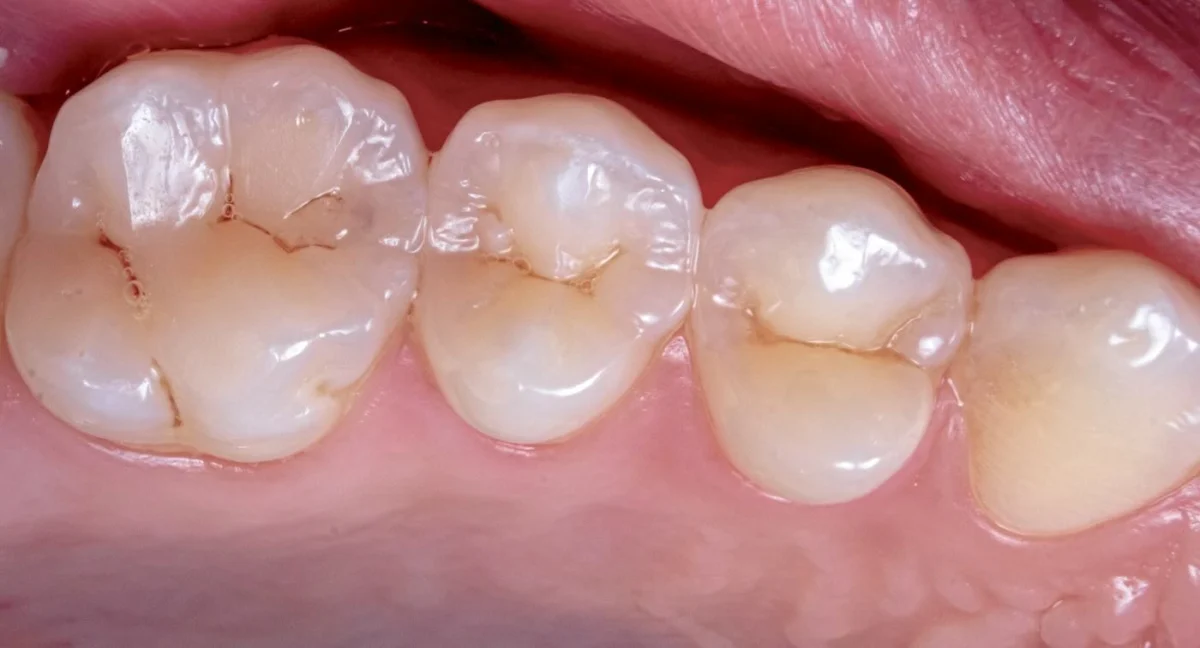
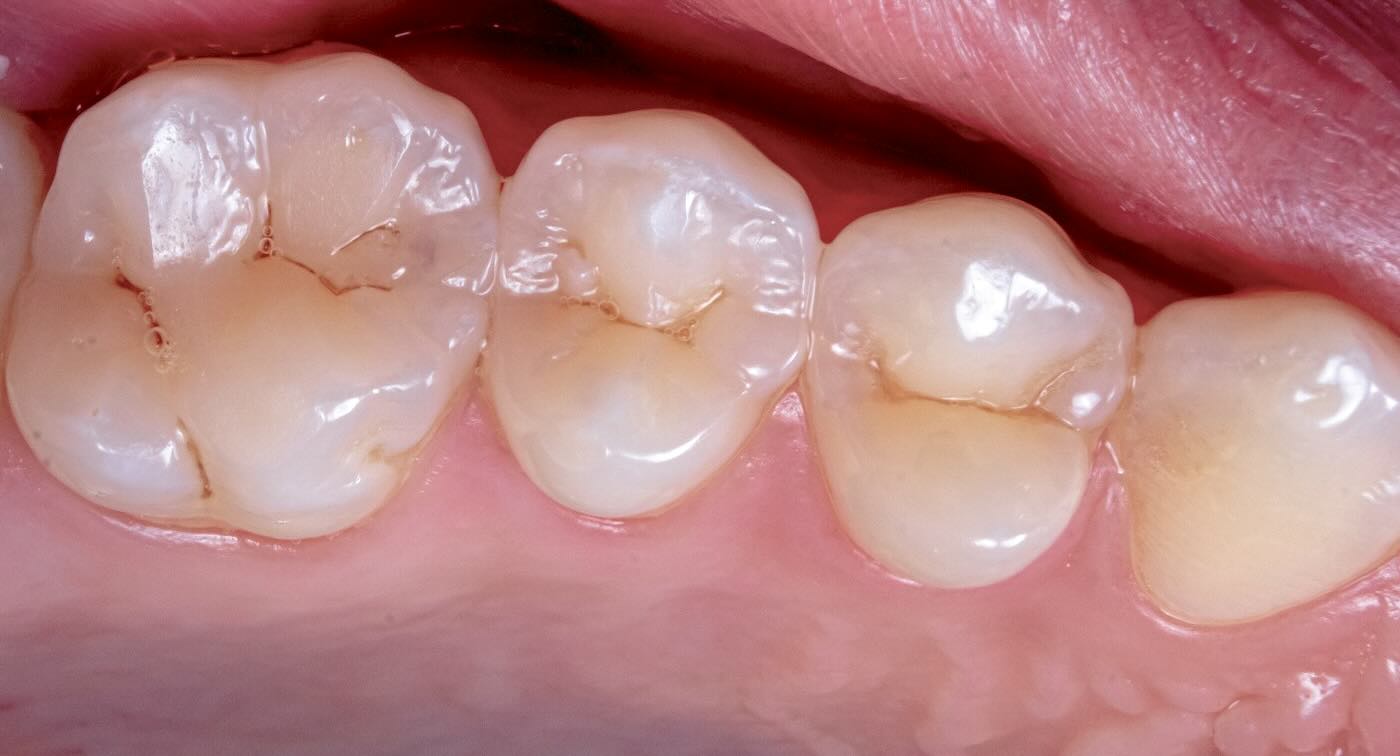
Despite its overwhelming clinical advantages, SDF is not entirely without limitations. Its primary drawback is cosmetic: the silver ions permanently stain the decayed portion of the tooth a dark black or brown color. While the dark discoloration clearly marks areas where the bacteria have been neutralized and arrested—and is generally considered a minor aesthetic compromise compared to the alternative of infection or extraction—educating parents and patients about this visual side effect remains a key priority for dental practitioners.
Conclusion: A New Paradigm for Oral Health
As the manufacturer prepares to submit its formal drug application to the FDA, the medical and dental fields stand on the cusp of a major paradigm shift. For decades, the philosophy of restorative dentistry relied heavily on the surgical model: "drill and fill."
Silver diamine fluoride challenges this foundational dogma, offering a biological, preventative, and compassionate approach that prioritizes comfort, speed, and systemic health. For thousands of children navigating the early years of life, the future of dental care is no longer defined by fear, pain, and the hum of the drill—it is written in a single drop of liquid applied with a tiny sponge.