
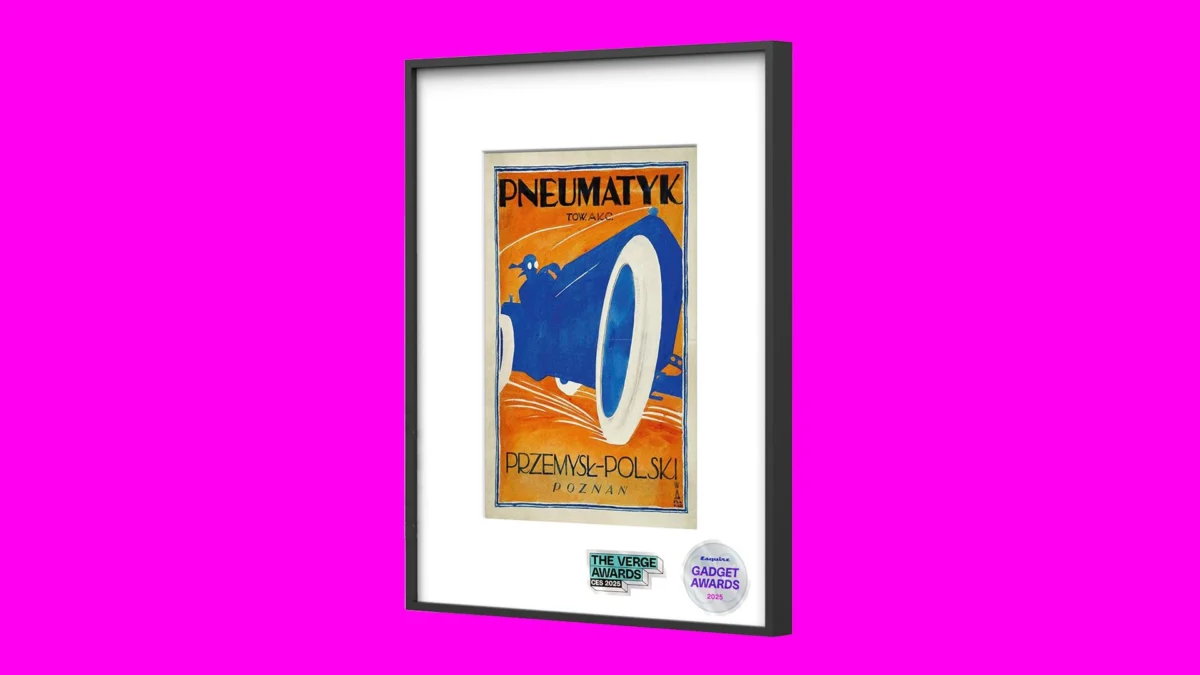
For years, the "Frame TV"—a television designed to masquerade as fine art when powered down—has dominated the conversation regarding smart home aesthetics. It promised a marriage of high-end technology and interior design, allowing homeowners to swap out a static painting for a rotating digital gallery. However, the reality of the Frame TV is often at odds with the vision: they are expensive, require cumbersome wall-mounting, demand constant power connections, and, perhaps most importantly, they still look like screens. They emit a clinical, back-lit glow that can never truly replicate the texture or organic presence of a canvas.
Enter the era of the e-ink digital art frame. These devices, spearheaded by innovators like the Swiss-based company InkPoster, are fundamentally changing the landscape of home decor. By utilizing the same electronic paper technology found in e-readers like the Kindle, these frames offer a tactile, glare-free, and remarkably realistic alternative to traditional display technology.
The Evolution of the Digital Canvas: Main Facts
The core appeal of the e-ink frame lies in its "analogue heart." Unlike an LED or OLED panel, which utilizes light-emitting diodes to project an image toward the viewer, e-ink technology relies on pigment microcapsules. When the display updates, these microscopic capsules shift to form an image that reflects ambient light, just like traditional ink on paper.
InkPoster’s current lineup, including the flagship Affresco and the premium Tela, has captured the attention of design enthusiasts for several key reasons:
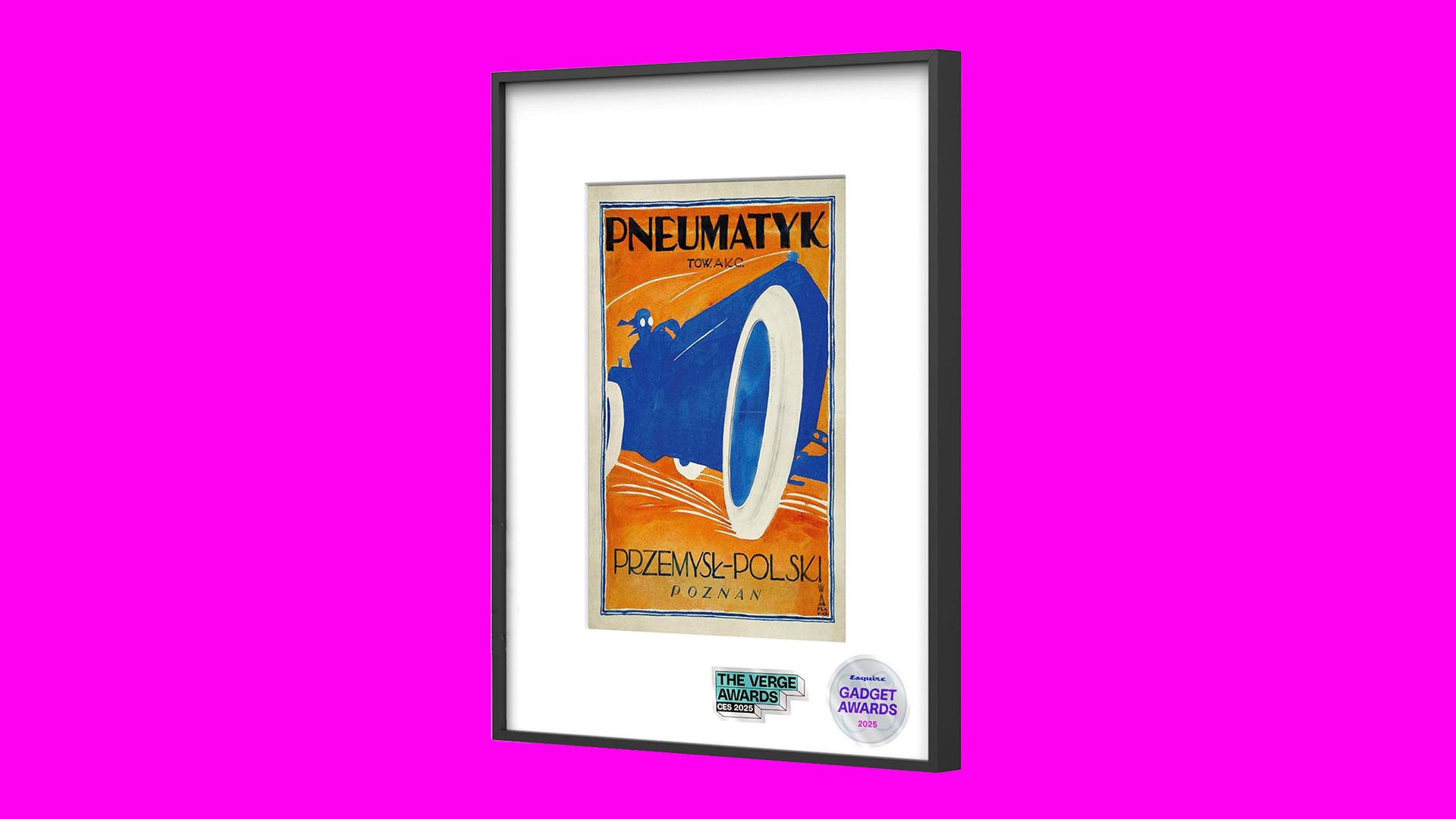
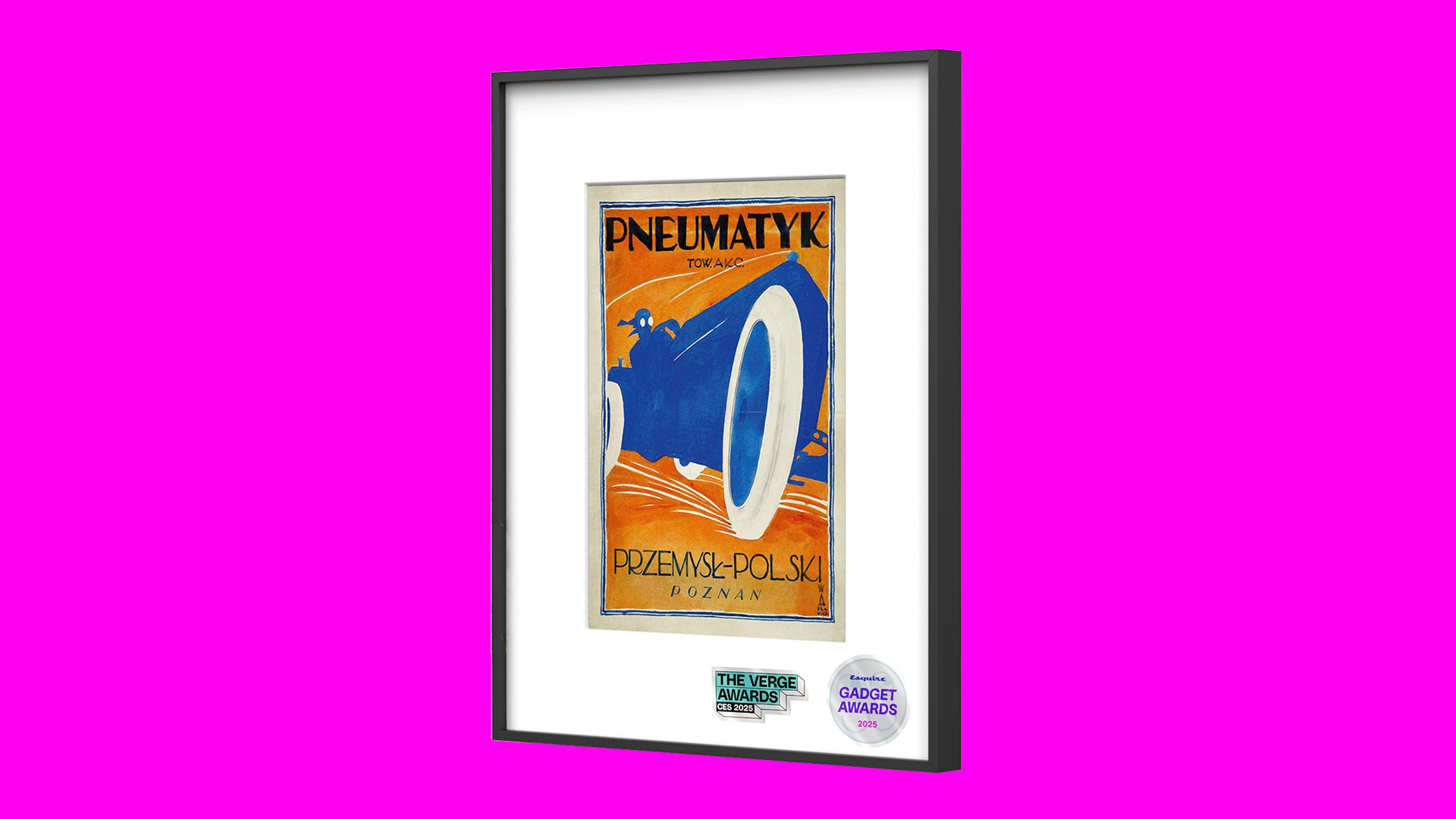
- Matte Surface and Texture: Because e-ink doesn’t use a backlight, there is no "glow." The images appear to be printed on the surface of the frame.
- Energy Efficiency: These devices are incredibly power-efficient. Once an image is "printed" onto the screen, the frame requires zero electricity to maintain that image, allowing for battery-powered operation for extended periods.
- Versatility of Placement: Without the need for a permanent power cable snaking down the wall, these frames can be hung in locations where a television would be impossible—such as above a bookshelf, in a narrow hallway, or as part of a gallery wall.
- The "Slow-Art" Experience: The transition between images is a deliberate, rhythmic process. As the pigments rearrange, the viewer experiences a quiet, meditative shift that mirrors the act of an artist working on a canvas.
A Chronology of the E-Ink Revolution
The concept of the digital frame has been around for over a decade, but early iterations were notoriously poor. Cheap LCD-based digital frames from the 2000s were plagued by low resolution, unnatural color reproduction, and an aesthetic that screamed "cheap plastic."
The pivot toward e-ink began as manufacturers realized that the consumer demand wasn’t for a better screen, but for a better painting.
- Early Exploration (2015–2019): Niche enthusiasts began DIY-ing their own e-ink displays using Raspberry Pi controllers and repurposed e-reader screens. These projects proved that the technology could work, but lacked the polish and user-friendly software needed for the mainstream market.
- The Rise of Professional Integration (2020–2022): Companies began designing bespoke hardware. The focus shifted from "screen specs" to "frame aesthetics." We saw the introduction of premium materials like wood, metal, and fabric-wrapped bezels.
- The InkPoster Era (2023–Present): InkPoster brought a level of Swiss precision to the market. Their recent focus on the "Affresco" and "Tela" lines represents the maturation of the product category. By partnering with high-end design firms like Pininfarina, they have successfully positioned e-ink frames not as tech gadgets, but as luxury furniture.
Supporting Data and Technical Nuance
To understand why these frames are capturing market share from traditional display manufacturers, one must look at the technical trade-offs. While a 4K OLED TV has a higher refresh rate and infinite contrast, it fails the "art test" in bright, sunlit rooms where the screen acts as a mirror.
Comparative Metrics:
| Feature | Frame TV (LED/OLED) | E-Ink Art Frame |
|---|---|---|
| Backlighting | Yes (Emits light) | No (Reflective) |
| Power Needs | Continuous (High) | Battery/Occasional (Low) |
| Surface | Glossy/Reflective | Matte/Non-reflective |
| Weight/Depth | Heavy/Bulky | Lightweight/Canvas-like |
| Best Environment | Darkened Media Room | Living Room/Bedroom/Gallery |
The InkPoster Tela, for example, offers a 28.5-inch display that feels substantial, not flimsy. When users upload their own files via the accompanying mobile application, the software performs a high-quality resize and crop, ensuring that the image mapping matches the specific pigment-rendering capabilities of the screen.
Official Perspectives: The Philosophy of Design
When speaking with representatives from companies like InkPoster, the conversation rarely drifts toward "pixel density" or "refresh rates." Instead, the focus is on the human experience.
"Technology should be silent," says one lead designer. "The problem with modern smart homes is that they are constantly demanding our attention. A television, even when displaying art, is a dormant giant waiting to be woken up. Our e-ink frames are designed to be part of the architecture of the home. They don’t distract; they provide a moment of stillness."
This philosophy has resonated with interior designers who were previously wary of "teching up" high-end residential projects. The ability to integrate an e-ink frame into a curated room without disrupting the lighting scheme or the cable management plan has made these devices a preferred tool for professionals.
The Broader Implications: The Future of Digital Curation
The rise of e-ink art frames has profound implications for how we consume and curate culture in our private spaces.
1. The Democratization of Art
Users are no longer tethered to a single purchase or a fixed print. Through the app-based ecosystems that accompany these frames, users can rotate through a vast library of classical masterpieces, contemporary digital art, or personal family photography with a single swipe on their smartphone. This allows for a "dynamic home" that changes with the seasons or the user’s mood.
2. The End of the "Tech-Clutter" Aesthetic
The modern interior design movement is trending toward minimalism—a "warm minimalism" that rejects visible wires and glowing blue lights. E-ink frames support this trend by offering a "plug-and-play" installation. Because the battery life is measured in weeks or months, the frame effectively disappears into the room’s decor, becoming an object of beauty rather than an object of utility.
3. Sustainability and Energy Consumption
As global consciousness regarding energy usage shifts, the ultra-low power consumption of e-ink displays becomes a significant selling point. In a world where smart devices are often criticized for their constant power draw, an e-ink frame is a breath of fresh air. It is a responsible technology that prioritizes longevity and efficiency over raw processing power.
Conclusion: A Shift in Values
The movement from the Frame TV to the e-ink art frame is symbolic of a larger shift in our relationship with technology. We are moving away from an obsession with "more"—more pixels, more brightness, more connectivity—toward an appreciation for "better."
We want technology that serves our environment, not technology that defines it. By mimicking the tactile beauty of paper and canvas, e-ink frames offer the best of both worlds: the infinite possibilities of the digital realm, wrapped in the timeless, understated elegance of traditional art. Whether you are a tech enthusiast looking to simplify your home or an art lover looking to bring a rotating collection of works into your living space, the e-ink frame is no longer a futuristic concept—it is the present standard.
With models like the InkPoster Affresco starting at $499, the barrier to entry has never been lower. It is time to stop watching your art and start simply living with it.