If you had told a gaming enthusiast a decade ago that one of the most anticipated indie RPGs of 2026 would be developed by a global hamburger chain, you would have likely been met with skepticism. Yet, the industry has shifted beneath our feet. Wendy’s, the third-largest burger chain in the world, has officially entered the digital fray with WendyQuest: Legend of the Four Corner Stones.
This isn’t a low-effort browser advertisement or a cynical attempt to harvest user data. It is a fully realized, turn-based, pixel-art adventure currently heading to Steam. In an era where consumers are increasingly wary of invasive advertising and synthetic, AI-generated content, WendyQuest represents a fascinating, calculated pivot in corporate marketing—one that bets on the enduring power of high-quality, human-crafted gaming.
The Main Facts: What is WendyQuest?
WendyQuest: Legend of the Four Corner Stones is a classic-style turn-based RPG. Developed by the British Columbia-based indie studio 81monkeys, the game features the iconic red-haired Wendy mascot as a protagonist leading a party of "fast-food heroes" on a quest to save a beleaguered kingdom.
The game’s aesthetic is a love letter to the 16-bit and 32-bit golden eras of JRPGs. However, the corporate DNA of the project is worn on its sleeve. The narrative and combat systems are explicitly built around the brand’s identity, with a healthy dose of meta-humor. One of the game’s more viral moments features the protagonist asking, "And where’s the beef?"—a direct nod to the brand’s legendary 1984 advertising campaign.

Perhaps most importantly, the game functions as a satirical takedown of the fast-food industry itself. Players encounter enemies such as "Frydusa," a terrifying, snake-like carton of French fries, and a faction known as "The Golden Archers." It is a blunt, unapologetic jab at McDonald’s, signaling that the game intends to be as much about brand personality as it is about mechanical fun.
A Chronology of Branded Gaming
To understand why this is happening now, we must look at the long, checkered history of "advergames." Branded gaming is not a new phenomenon; it is a cycle that has ebbed and flowed with the evolution of technology.
The Pioneers (1989–1993)
The lineage of the modern branded game can be traced back to 1989 with Domino’s Avoid the Noid. The premise was simple, yet it captured the cultural zeitgeist of the late 80s. Following that, McDonald’s struck gold with Global Gladiators (1992), which is still held in high regard by retro-gaming enthusiasts as a genuinely competent platformer. During this same era, 7 Up released Cool Spot, starring their iconic red dot. It was a fast-paced, fluid platformer that proved, for the first time, that a corporate mascot could anchor a title that was fun to play, regardless of its marketing intent.
The Cult Classics (1999)
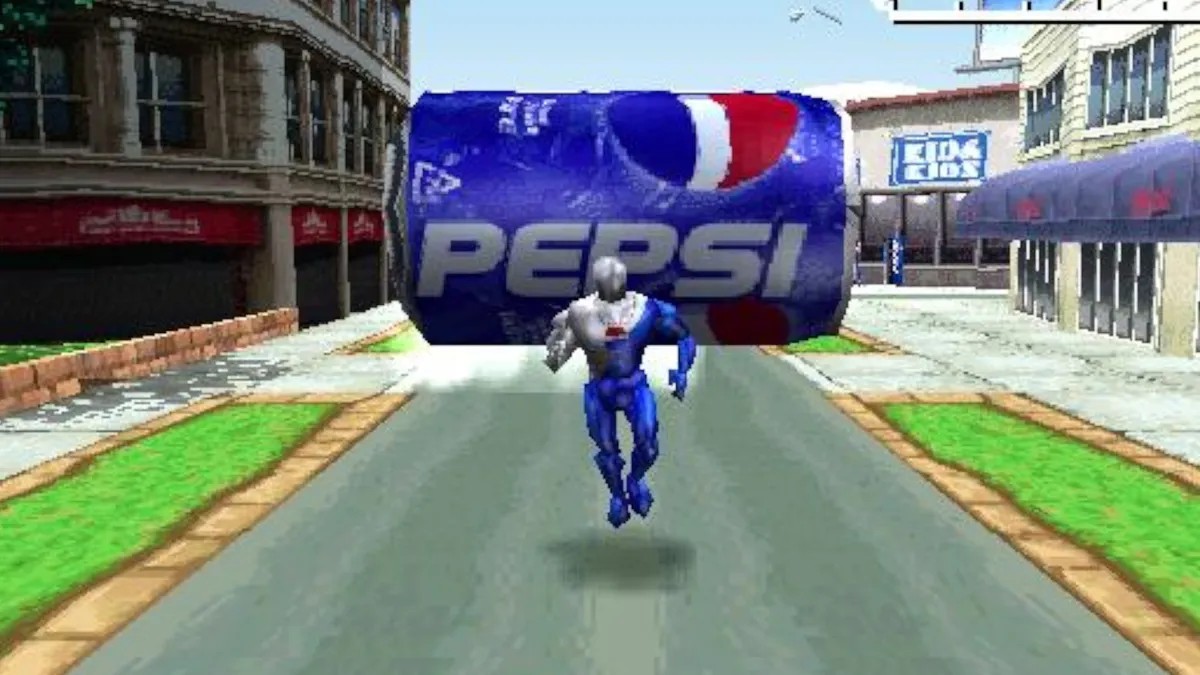
The undisputed king of the branded genre is Pepsiman. Released exclusively in Japan for the PlayStation, it featured a chrome-and-blue superhero sprinting through city streets, dodging obstacles to deliver sodas. It was bizarre, high-energy, and unintentionally hilarious. Its "cult classic" status has only grown over the decades; original copies of the game now fetch hundreds of dollars on the secondary market.

The Experimental Era (2006–2019)
In 2006, Burger King took a bold risk by releasing three Xbox titles—Sneak King, PocketBike Racer, and Big Bumpin’—for $3.99 each. These were "value meal" games, intended to be purchased alongside a burger. While they were mocked by critics, they were a commercial triumph, selling over 3.2 million copies.
By 2019, the model had shifted toward irony. KFC released I Love You, Colonel Sanders! A Finger Lickin’ Good Dating Simulator. It was a self-aware, parody-heavy title that didn’t take itself seriously. Despite critical eye-rolling, the gaming community embraced it, giving it a 91% positive rating on Steam.
Supporting Data: Why the Pivot to Steam?
The shift from physical discs to digital storefronts like Steam has changed the economics of branded gaming. Previously, companies like Burger King had to invest heavily in logistics—manufacturing, shipping, and stocking physical media. Today, the barrier to entry is minimal.
Furthermore, the audience has matured. The generation that played Cool Spot or Pepsiman as children now has disposable income and a deep sense of nostalgia. Brands recognize that they are not just marketing to children; they are engaging adults who value brand identity as part of their cultural lifestyle.
Data suggests that traditional advertising—banner ads, pre-roll videos, and social media sponsored posts—is facing a crisis of effectiveness. Ad blockers and "ad fatigue" mean that traditional messaging is often ignored or actively resented. In contrast, a high-quality video game offers an "opt-in" experience. When players download WendyQuest, they are choosing to spend hours immersed in the brand’s world, a level of engagement no 30-second television spot could ever achieve.
Official Responses and Industry Sentiment
The reception of WendyQuest has been surprisingly warm, largely due to the studio’s commitment to "human-made" content. In a statement on their Steam page, the developers explicitly state that the game is "100% fresh and 100% human-made." This is a calculated response to the current industry-wide backlash against AI-generated art and writing. By positioning the game as a handmade labor of love, Wendy’s is aligning itself with the values of the indie-gaming community, who are notoriously protective of human creativity.
The industry at large has taken notice. Last summer, when Pepsi asked on social media if it should return to gaming, the response was immediate. Kotaro Uchikoshi, the celebrated director behind visual novels like Zero Escape, publicly offered to help reconnect the company with the original Pepsiman team. The desire for these "corporate artifacts" to return suggests that gamers are willing to accept corporate involvement, provided the product has a "soul" and a sense of craft.
Implications for the Future of Marketing
The success of these projects carries significant implications for the future of creative advertising:

- The "Quality First" Mandate: Brands can no longer get away with "shovelware." If a company wants to enter the gaming space, they must hire legitimate developers (like 81monkeys) to ensure the product meets modern standards.
- Meta-Narrative as a Shield: By incorporating irony and self-deprecation, brands can mitigate the "cringe factor" that usually accompanies corporate media. Acknowledging that the game is a marketing tool—while simultaneously making it a good game—builds trust.
- The Death of the Ad-Blocker: Interactive media is the ultimate antidote to ad-blindness. If a user is actively leveling up their characters in a game, they are not blocking the brand; they are interacting with it.
- Human-Centric Branding: As AI becomes ubiquitous, the "human-made" label will become a premium feature. Brands that invest in human designers and developers will find more favor than those that automate their creative processes.
Conclusion
Whether WendyQuest: Legend of the Four Corner Stones will be remembered alongside the masterpieces of the indie scene or relegated to a curiosity remains to be seen. However, the trend is clear: fast food and big brands are no longer content to be passive sponsors of gaming tournaments. They want to be the developers.
If a burger chain can craft a compelling, turn-based RPG that has the internet buzzing, the barrier between corporate identity and digital entertainment has officially dissolved. For the gaming industry, this is a double-edged sword. It offers a new, well-funded avenue for creative expression, but it also demands that we remain vigilant about the influence of corporate interests on our favorite pastime. One thing is certain: if the result is as polished and charming as WendyQuest appears to be, the gaming public will be more than willing to pull up a seat at the table.