By Meredith Dietz
November 3, 2026
For millions of employees across the United States, the final quarter of the year brings a familiar, high-stakes ritual: the “use it or lose it” scramble for Flexible Spending Account (FSA) funds. As the calendar edges toward December 31, the pressure mounts to deplete the balance you’ve carefully set aside from your paycheck. Failing to do so often results in the forfeiture of hard-earned money back to your employer.
However, the misconception that FSA funds are only for traditional doctor’s visits and prescription co-pays is a costly one. In reality, the scope of eligible healthcare expenses is remarkably broad, encompassing everything from high-tech fitness wearables to essential daily self-care items.
The Core Mandate: Understanding Your FSA
An FSA is a tax-advantaged financial account that allows you to set aside a portion of your earnings for qualified medical expenses. Because these contributions are deducted pre-tax, they effectively lower your taxable income. The "catch" is that these funds are generally intended for use within the plan year. While some employers offer a grace period or a limited carry-over allowance, the vast majority require the balance to be spent by the end of the calendar year.
If you have a significant balance remaining, you are not alone. Many employees overlook the eligibility of everyday items, leaving thousands of dollars in health benefits on the table.
A Chronological Guide to Year-End Spending
To effectively manage your funds, consider a phased approach as the year draws to a close:
- Early November (The Audit): Start by logging into your plan administrator’s portal to identify your exact remaining balance. Simultaneously, conduct a thorough audit of your household medicine cabinet and first-aid kits.
- Mid-November (The Planning): If you have a large surplus, schedule necessary but long-delayed appointments. This includes routine dental cleanings, vision exams, or physical therapy sessions. Many providers can process these claims immediately, ensuring the charges hit your account before the December 31 cutoff.
- Late November (The Procurement): This is the optimal time to purchase eligible over-the-counter (OTC) products. By ordering now, you avoid the year-end shipping rush and ensure the items arrive before the holidays.
- Early December (The Final Push): For any remaining "odd" amounts, browse the official FSA Store to find items that bridge the gap between wellness and medical necessity, such as specialized orthopedic gear or advanced health monitoring devices.
Leveraging Technology: The Smartwatch and Fitness Tracker Loophole
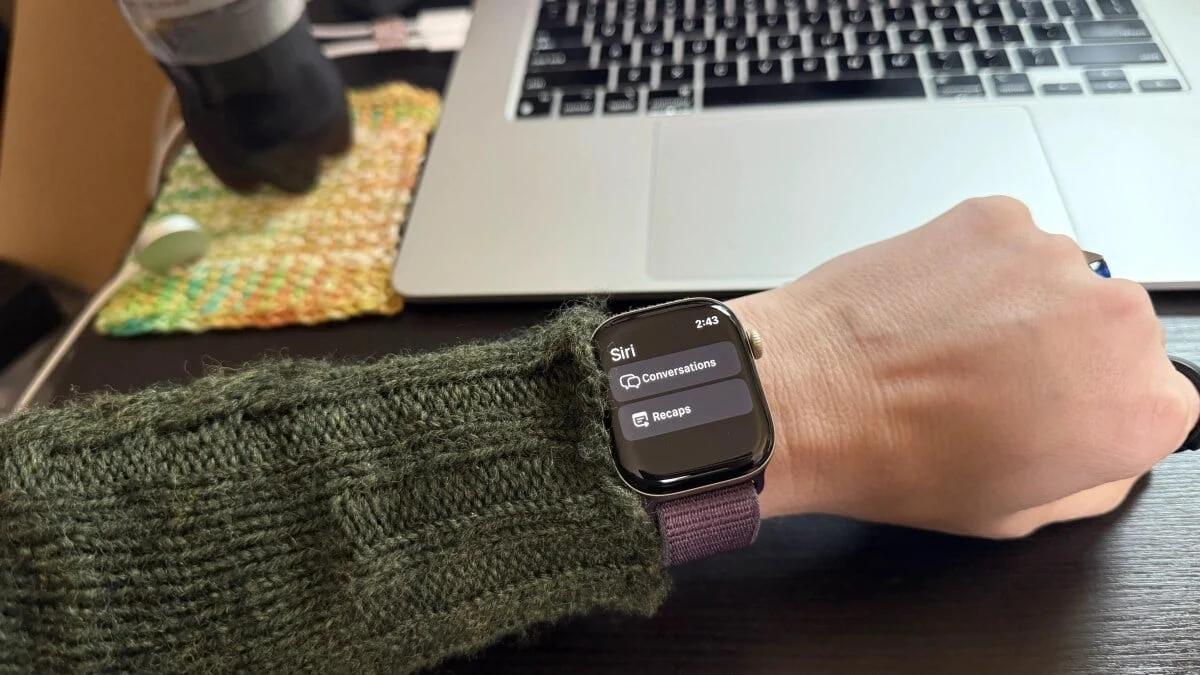
Perhaps the most exciting development in recent years is the expansion of FSA eligibility to include smartwatches and fitness trackers. While these devices were once strictly classified as consumer electronics, a shift in how medical necessity is documented has changed the landscape.
The Letter of Medical Necessity (LMN)
To use your FSA for a smartwatch, you typically need a Letter of Medical Necessity from your healthcare provider. This document confirms that the device is being used to manage a specific medical condition—such as monitoring heart rate for a cardiovascular concern, tracking sleep patterns for a diagnosed sleep disorder, or measuring recovery metrics for a chronic stress condition.
Once you have this letter, the device becomes a qualified medical expense. Brands like Coros and Amazfit have streamlined this process by partnering with platforms like Truemed, which help users secure the necessary documentation to make their purchases eligible.
Beyond the Basics: Unexpectedly Eligible Items
The "Surprisingly Eligible" category at the official FSA store is a treasure trove for those looking to exhaust their funds on high-value, practical items.

Orthopedic and Recovery Gear
If you struggle with chronic pain, the current year-end window is the perfect time to invest in high-quality recovery tools. This includes:
- Massage Guns: High-end percussive therapy devices can be invaluable for managing muscle pain and tension.
- Compression Wear: From socks to sleeves, these items are essential for circulation and recovery.
- Braces and Supports: Whether it is a wrist splint for carpal tunnel or a knee brace for joint instability, these are universally accepted as eligible expenses.
Sun Protection and Skin Health
While often overlooked, high-SPF sunscreen—especially those with broad-spectrum protection—is considered a medical expense by the IRS because it is a vital tool in preventing skin cancer. Products from premium brands like Supergoop! are frequently eligible, allowing you to stock up for the upcoming year.
Official Guidance and Compliance
The Internal Revenue Service (IRS) provides the regulatory framework for what constitutes a "qualified medical expense." The primary requirement is that the expense must be for the diagnosis, cure, mitigation, treatment, or prevention of disease.
When in doubt, the "FSA Store" serves as the industry-standard repository for eligible items. It is important to note that while many online retailers now allow you to pay directly with an FSA debit card, others may require you to pay out-of-pocket and submit a manual claim. Always keep your itemized receipts, as your plan administrator may request them to verify that the items purchased meet IRS guidelines.
Strategic Financial Implications
Failing to utilize your FSA is essentially a voluntary pay cut. By maximizing your account, you are effectively buying your health-related products with "tax-free" dollars, which represents an immediate savings of your marginal tax rate.
For those with significant balances, consider "pre-paying" for services. If you know you will need a root canal, a set of custom orthotics, or a series of physical therapy sessions in January or February, contact your providers now. Many offices are willing to take payment in the current year to secure your business and help you avoid forfeiting your funds.
Summary: A Proactive Approach to Wellness
As we look toward the end of 2026, the strategy is simple: Do not let the money lapse. Whether you choose to invest in a piece of health-tracking technology, stock your medicine cabinet with the essentials, or prepay for essential medical procedures, the goal is to convert those stagnant funds into tangible health benefits.
Before making any large purchases, always double-check your specific plan’s rules. While federal guidelines provide the baseline, some employers have specific stipulations regarding rollover limits or specific vendor restrictions.
By taking action today, you ensure that your hard-earned salary stays in your pocket—or rather, in your medicine cabinet—rather than returning to the coffers of your employer. Treat your health as the investment it is, and use these final months of the year to prioritize your well-being.
Disclaimer: This article is for informational purposes only and does not constitute financial or medical advice. Always consult your plan administrator or a tax professional regarding your specific FSA/HSA account details and eligibility requirements.