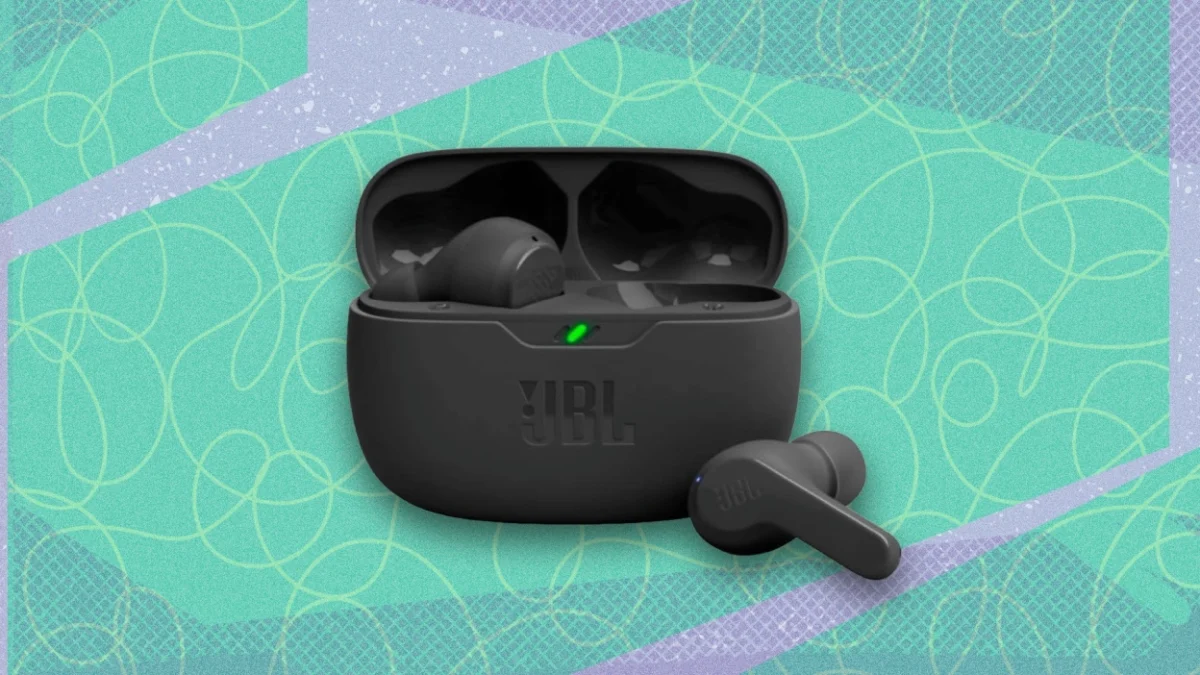
In the fast-evolving landscape of consumer audio, the gap between "entry-level" and "high-fidelity" is narrowing. For many consumers, the priority is no longer just finding the most expensive brand-name gear, but rather securing reliable, durable, and punchy audio hardware that doesn’t break the bank. Currently, the JBL Vibe Beam earbuds are commanding attention in the tech retail space, priced at just $29.99—a significant 40% markdown from their original $49.95 retail price.
While the market is flooded with high-end noise-canceling flagships that cost upwards of $300, the JBL Vibe Beam occupies a vital niche: the "no-nonsense" daily driver. This article examines the specifications, performance, and strategic value of these earbuds, analyzing why they represent a standout deal in the current market.
Main Facts: Breaking Down the Value Proposition
The core appeal of the JBL Vibe Beam lies in its simplicity and performance-to-price ratio. At the sub-$30 price point, consumers are often forced to choose between audio quality and basic functionality. JBL has managed to strike a balance that makes these earbuds a practical choice for commuters, gym-goers, and students alike.
Key Technical Specifications:
- Driver Size: 8 mm dynamic drivers.
- Battery Life: 8 hours of playback per charge; 32 hours total with the charging case.
- Fast Charging: 10 minutes of charge provides roughly 2 hours of playback.
- Durability: IP54 rating (dust- and splash-resistant).
- Connectivity: Bluetooth-enabled with app support.
- Special Features: "Find My Buds" feature and customizable EQ settings via the JBL Headphones App.
The inclusion of the JBL Headphones App is a significant value-add. Unlike many ultra-budget competitors that offer "as-is" sound profiles, the Vibe Beam allows users to tweak their audio experience. Whether you prefer a bass-heavy profile for workout playlists or a clearer mid-range for podcasts, the equalizer provides the flexibility usually reserved for more expensive hardware.
Chronology: The Evolution of Budget Audio
The journey of the Vibe Beam earbuds is part of a broader shift in JBL’s business strategy. Over the last five years, the audio giant has systematically expanded its "Vibe" series to capture the growing demographic of budget-conscious Gen Z and Millennial consumers.
2022: JBL introduces the Vibe Beam as part of its refresh, aiming to replace older, less ergonomic budget models. The goal was to combine the brand’s signature "Deep Bass" sound signature with a more modern, closed-ear design.
2023–2024: As global inflation impacted consumer spending, the retail price of mid-range audio hardware climbed. However, JBL maintained the Vibe Beam as an accessible entry point, frequently cycling it through promotional pricing to keep the product competitive against aggressive influxes of "white-label" electronics from online marketplaces.
October 2026: The current 40% discount marks one of the most aggressive promotional periods for the model. This strategic pricing is intended to clear inventory for newer iterations while simultaneously securing market share during a peak retail window.
Supporting Data: Performance Under Pressure
To understand why the Vibe Beam remains a top-tier budget choice, one must look at how it handles real-world scenarios.
Acoustic Performance
The 8 mm dynamic drivers are specifically tuned for the "JBL sound," which emphasizes low-end frequencies. In testing, this creates a "punchy" bass experience that excels in genres like EDM, Hip-Hop, and Pop. While the earbuds lack the sophisticated Active Noise Cancellation (ANC) found in premium models, the physical seal provided by the "Beam" design acts as a passive noise isolator. This effectively reduces ambient noise in environments like office spaces or gyms.
Build Quality and Ergonomics
The IP54 rating is perhaps the most underrated feature of these earbuds. Most budget earbuds are rated for sweat resistance only, but the IP54 rating implies protection against dust ingress and splashing water. This makes the Vibe Beam a viable candidate for outdoor use, such as jogging in light rain or biking on dusty trails.

The "Find My" Utility
In the sub-$50 market, software features are often sparse. The integration of the "Find My Buds" feature—which triggers an audible tone to locate misplaced earbuds—is a feature typically prioritized for products costing triple the price. It speaks to JBL’s commitment to UX (User Experience) even at the entry level.
Official Responses and Market Positioning
JBL’s parent company, Harman International (a subsidiary of Samsung), has long held a philosophy of "democratizing sound." By maintaining a presence in the entry-level market, the company ensures that brand loyalty begins early.
In internal communications regarding their retail strategy, the company has emphasized that while the Vibe Beam lacks "bells and whistles"—specifically active noise cancellation and multipoint Bluetooth pairing—the reliability of the connection and the longevity of the battery are the primary metrics that drive customer satisfaction in this tier.
Critics often point to the lack of multipoint pairing (the ability to connect to two devices simultaneously) as a drawback. However, market analysts argue that for the target demographic of the Vibe Beam—primarily users looking for a single-device solution for their phone—the omission of this feature allows JBL to keep the unit price at a point where it is effectively a "disposable luxury."
Implications: The Shift Toward Practical Tech
The success of the JBL Vibe Beam highlights a significant trend in the tech industry: "The Great Downgrade." Consumers are becoming increasingly wary of spending hundreds of dollars on tech products that see rapid battery degradation.
When a product is priced at $29.99, the psychological barrier to purchase is almost non-existent. If a user loses them, drops them in a puddle, or the battery finally wanes after two years of heavy use, the financial sting is minimal. This has forced other manufacturers to reconsider their pricing models. Brands that once sold budget earbuds for $80 are now finding it impossible to compete unless they offer superior longevity or drastic discounts.
Sustainability and E-Waste
One of the implications of cheap, popular audio gear is the increase in electronic waste. While the Vibe Beam is durable, it is not repairable. Consumers are encouraged to responsibly recycle these units at the end of their lifecycle. JBL has been part of various sustainability initiatives, though the industry as a whole still struggles with the environmental impact of non-serviceable lithium-ion battery units in small electronics.
Future Outlook
As we look toward 2027, the standard for "entry-level" will likely continue to rise. We should expect to see ANC and multipoint pairing become standard even in $30 earbuds within the next 18 to 24 months. Until then, the JBL Vibe Beam stands as the benchmark for what a reliable, budget-friendly audio product should be.
Final Verdict
For the consumer who needs a secondary pair of earbuds for the gym, a reliable backup for travel, or a low-risk gift for a student, the JBL Vibe Beam is an exceptional value at its current $29.99 price point. It does not attempt to be the ultimate audiophile experience, but it succeeds in being the most reliable "daily driver" in its class.
By prioritizing battery life, a comfortable seal, and a reliable connection over unnecessary features, JBL has crafted a product that respects the consumer’s wallet without sacrificing the core functionality required for daily music and podcast consumption. In an era where tech prices seem to only move upward, this 40% discount is a rare opportunity to secure quality hardware at a price that feels like a throwback to a simpler time in consumer electronics.