By Global Science Correspondent
Published: November 2026
Main Facts: A Paradigm Shift in Marine Biology
In a landmark achievement for marine biology and wildlife conservation, an international team of researchers—featuring scientists from the University of St. Andrews in Scotland—has successfully completed the full genome sequencing of an ocean giant using nothing more than the exhaled breath of a whale captured by an aerial drone.
This breakthrough marks a monumental turning point in how humanity interacts with and studies cetaceans. Traditionally, gathering genomic data required invasive physical interventions, most notably biopsy darts fired from boats that can startle, stress, or injure the animals. Alternatively, scientists relied on tissue samples retrieved from stranded marine mammals or historical museum specimens. These conventional methods are not only physically distressing to the animals but are also logistically impossible for certain elusive species or remote marine environments.
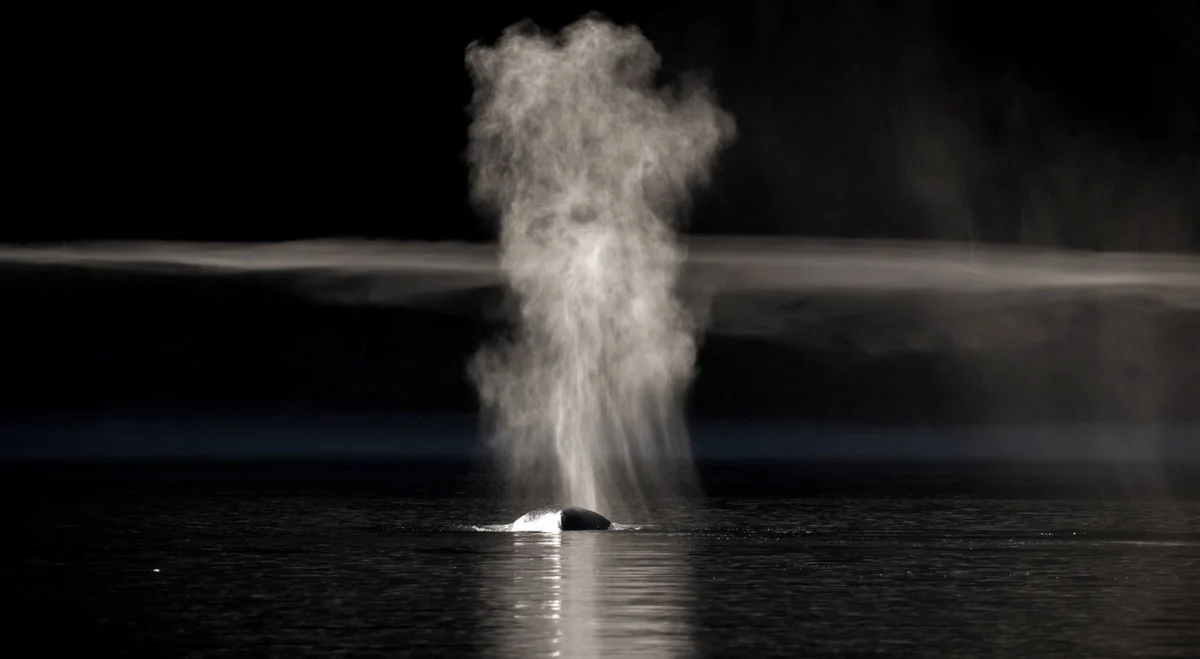
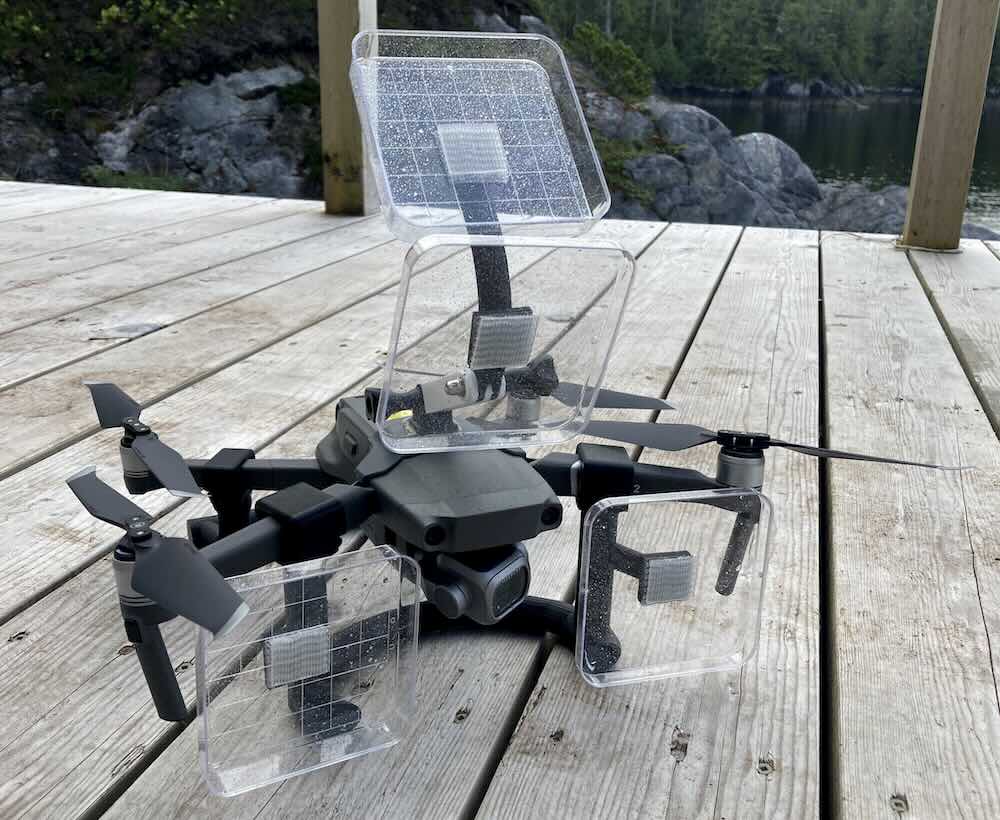
By attaching sterile petri dishes to small, commercially available aerial drones, the research team flew through the misty spouts—colloquially known as whale "snot"—exhaled by humpback whales as they surfaced. The collected biological material yielded rich, high-quality genetic data. Published in the journal Molecular Ecology Resources, the study proves that non-invasive aerial sampling can produce complete nuclear and mitochondrial genomes just as effectively as traditional biopsy darts, opening up entirely new, stress-free avenues for global ocean conservation.
Chronology: How the Breakthrough Study Unfolded
The path to this groundbreaking methodology required meticulous planning, innovative engineering, and patient fieldwork in the rugged waters of the Pacific Northwest.
Phase 1: Engineering the Non-Invasive Collection Tool
Recognizing the limitations and ethical concerns of biopsy darts, the research team sought a completely non-invasive alternative. They engineered a simple yet brilliant modification for small aerial drones: securing sterile petri dishes to the chassis of the aircraft. The goal was to position the drone precisely within the plume of a whale’s blowhole during its surfacing sequence, capturing airborne cellular debris and moisture without ever touching the animal’s skin.
Phase 2: Fieldwork in the Kitimat Fjord System
During field expeditions in the nutrient-rich waters of the Kitimat Fjord System in northern British Columbia, Canada, the team put the technology to the test. Humpback whales typically release between one and six breaths each time they surface to break the ocean’s surface.
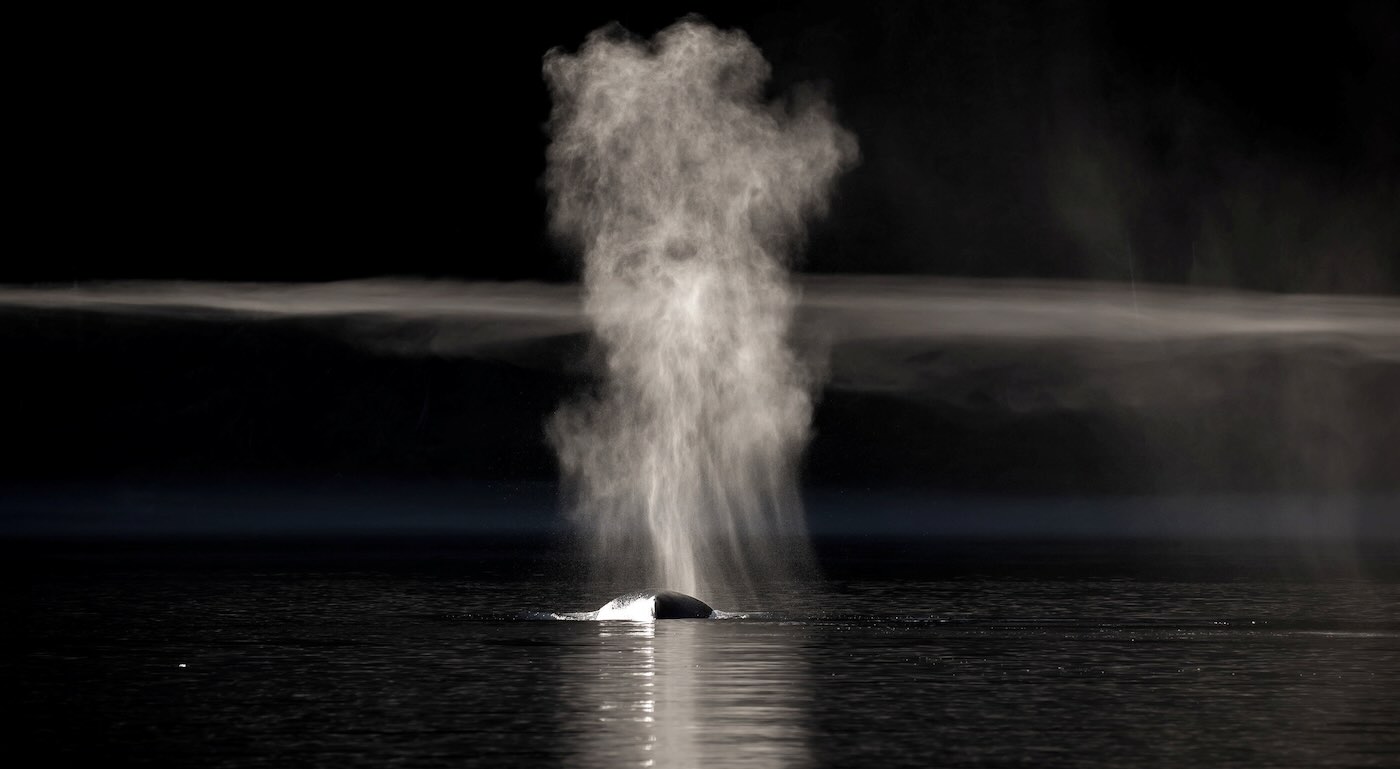
Operating with surgical precision, the researchers piloted the drones directly through these exhaled vapor plumes. In total, they successfully gathered 58 blow samples from 26 individual humpback whales. Demonstrating the ultimate portability and low-impact nature of the technique, more than a third of these samples required no boat at all; researchers launched and piloted the drones directly from the safety and stability of the shoreline.
Phase 3: Laboratory Analysis and Sequencing
Back in the laboratory, the biological samples underwent rigorous genetic processing. The team sequenced the DNA to produce low-coverage nuclear genomes (inherited from both parents) and high-coverage mitochondrial genomes (inherited exclusively from the maternal line).
To ensure the integrity of the data, researchers meticulously targeted the most upwind whale in any given pod, successfully preventing cross-contamination from neighboring animals. Furthermore, repeat samples collected from the same individual whales across different encounters over a two-year span yielded matching genomes, proving the reliability and accuracy of the drone-captured method.
Supporting Data: What the Numbers Tell Us
The success of the drone-collection method is backed by precise, compelling genetic metrics that validate its scientific rigor:
- 84% Purity: Approximately 84% of the DNA extracted from the blow samples belonged directly to the targeted whale, providing an exceptionally clean template for genomic sequencing.
- 16% Microbiome Insight: The remaining 16% of the DNA collected in each sample originated primarily from the microbes inhabiting the whale’s respiratory tract, offering an unprecedented secondary window into the animal’s internal health.
- Zero Inbreeding Evidence: Genetic diversity estimates derived from the blow samples matched traditional biopsy estimates almost identically. The studied northern British Columbia humpback population showed no indicators of inbreeding beyond standard shared ancestry and historical population bottlenecks.
- 100% Sex Identification: The drone-captured genetic analyses correctly and flawlessly determined the sex of every single sampled whale.
- Three Novel Variants: Laboratory sequencing uncovered three previously undescribed mitochondrial DNA variants within the population, expanding our understanding of cetacean genetic diversity.
- Scarce Prior Data: Prior to this study, only one North Pacific humpback’s whole genome had ever been made publicly available to science, highlighting the massive leap forward this research provides.
Official Responses and Expert Perspectives
The implications of this study have sent ripples of excitement through the global scientific community. Lead researcher Dr. Ádina O’Mahony of the University of St. Andrews highlighted the profound behavioral and social questions this technology can now help answer.
"We will use these blow-derived genomes to assess kinship and family ties among humpback whales foraging in northern British Columbia," Dr. O’Mahony explained. "The aim is to understand how their social bonds form: are the whales that forage together family, or long-term friends?"
Addressing the technical validity of the data, Dr. O’Mahony emphasized the cleanliness and reliability of the airborne samples.
"The drone-captured genetic analyses correctly determined every whale’s sex and also found three previously undescribed mitochondrial DNA variants," she noted. "Blow from whales swimming in groups showed no sign of contamination from neighboring whales. This confirms the blow-derived data behave just like conventional genomic data."
Furthermore, researchers are particularly enthusiastic about the accidental discovery regarding respiratory microbes. Because roughly 16% of the captured DNA stems from airway bacteria, scientists now possess a non-invasive tool to monitor respiratory health.
"This means a single breath could tell us about both the whale and its respiratory microbiome, a potential window into health," researchers noted in the study—a breakthrough that could prove vital as marine ecosystems face mounting pressures from climate change, pollution, and ocean warming.
Implications for Global Marine Conservation
Genomic data is universally recognized by conservation biologists as "critical" for safeguarding endangered and vulnerable marine species. It enables researchers to:
- Accurately measure overall population health and long-term viability.
- Quantify genetic diversity and screen for dangerous levels of inbreeding.
- Identify individual animals for longitudinal "mark-recapture" demographic studies.
- Determine sex ratios within wild populations to project future birth rates.
- Estimate total population sizes more accurately than traditional visual sightings alone.
Historically, obtaining this vital information meant deploying physical interventions that caused acute stress to the animals. In the delicate world of marine mammal conservation, minimizing anthropogenic stress is paramount. By proving that a simple breath collected by an aerial drone can yield whole-genome sequencing of equal quality to traditional tissue biopsies, this study eliminates the need for invasive procedures.
As oceans face unprecedented environmental shifts, the ability to monitor the genetics and respiratory health of whales safely, quietly, and continuously from a distance changes the game. Conservationists now have a compassionate, high-tech instrument in their toolkit—ensuring that our majestic ocean giants can be studied and protected while being left entirely undisturbed in their natural blue home.