In the high-pressure world of modern creative production—where digital canvases are often frozen by the looming shadow of perfectionism—the fear of making a "wrong" mark can be paralyzing. Whether you are an illustrator, a game designer, or a filmmaker, the pressure to deliver polished, market-ready results immediately can stifle the very experimentation that leads to brilliance.
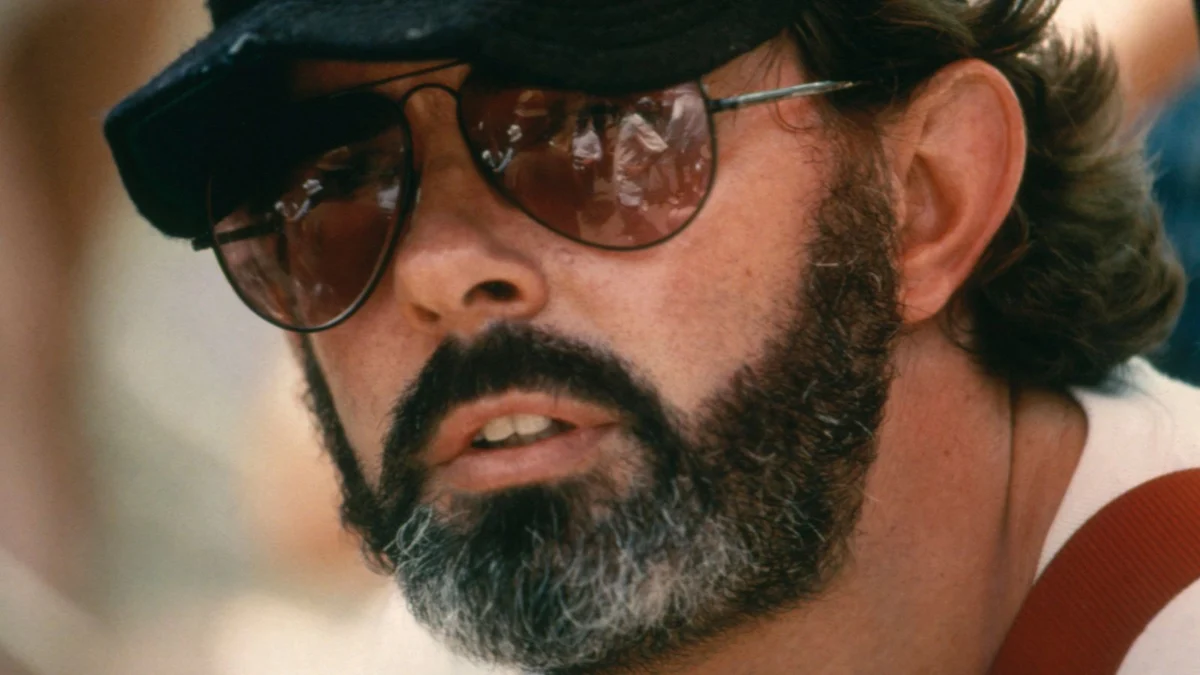
However, one of the most successful figures in cinematic history, George Lucas, suggests a radical reframing of this anxiety. For the creator of the Star Wars saga, the concept of "failure" is not a mark of inadequacy, but a vital component of the creative process. In his view, "failure is another word for experience."
The Philosophy of Productive Failure: Main Facts
At its core, the philosophy championed by Lucas is a rejection of the "first-time-right" mentality that plagues many creative industries. In a 2013 interview with the US National Endowment for the Arts, Lucas provided a profound insight into his process: the act of creating something truly new requires stepping into territory where the probability of failure is exceptionally high.
When an artist or filmmaker attempts to innovate—to do something that has never been done before—the risk of falling short is not a sign that the project is failing; it is a sign that the project is alive. According to Lucas, when a specific approach does not work, it provides the creator with a new data point. It is this acquisition of "experience" through the filter of failure that eventually paves the way for successful execution.
A Chronology of Creative Risk
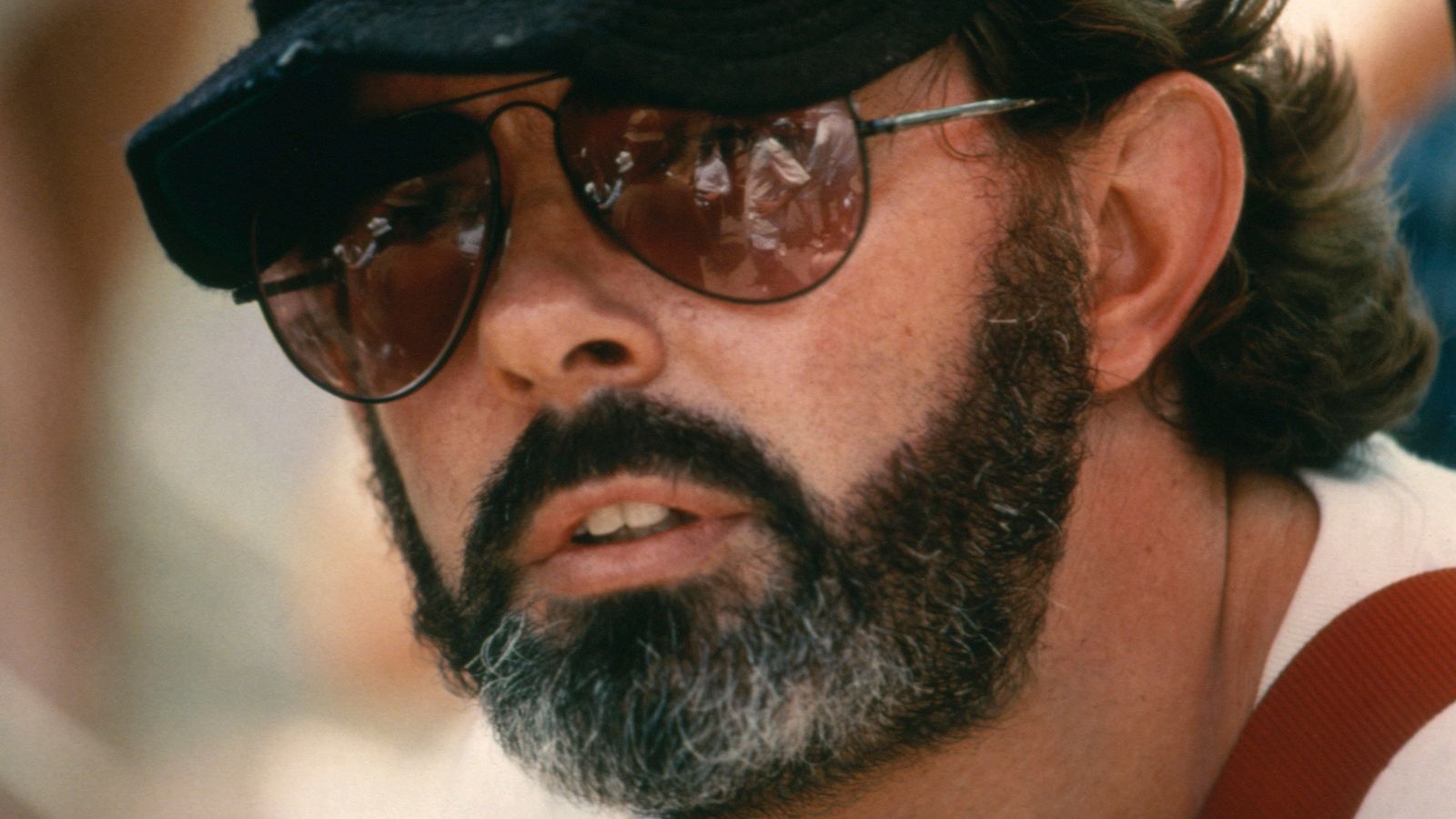
To understand how this philosophy shaped the man behind Star Wars, one must look at the trajectory of his career. Long before the multi-billion-dollar empire of Lucasfilm, George Lucas was an experimental filmmaker.
- The Early Years (1960s): During his time at USC, Lucas experimented with abstract, non-narrative films. These early projects were exercises in form and technique, providing a safe space to fail without the pressure of commercial expectation.
- The Breakthrough (1970s): The success of American Graffiti (1973) proved that his sensibilities had a commercial audience. This gave him the "creative capital" to pursue his ambitious, high-risk space opera, Star Wars: A New Hope (1977).
- The Technical Frontiers (1980s–1990s): Throughout the production of the original trilogy and the later prequels, Lucas consistently invested in Industrial Light & Magic (ILM) to push the boundaries of CGI and motion control. Many of these technical experiments initially struggled, yet they set the standard for modern visual effects.
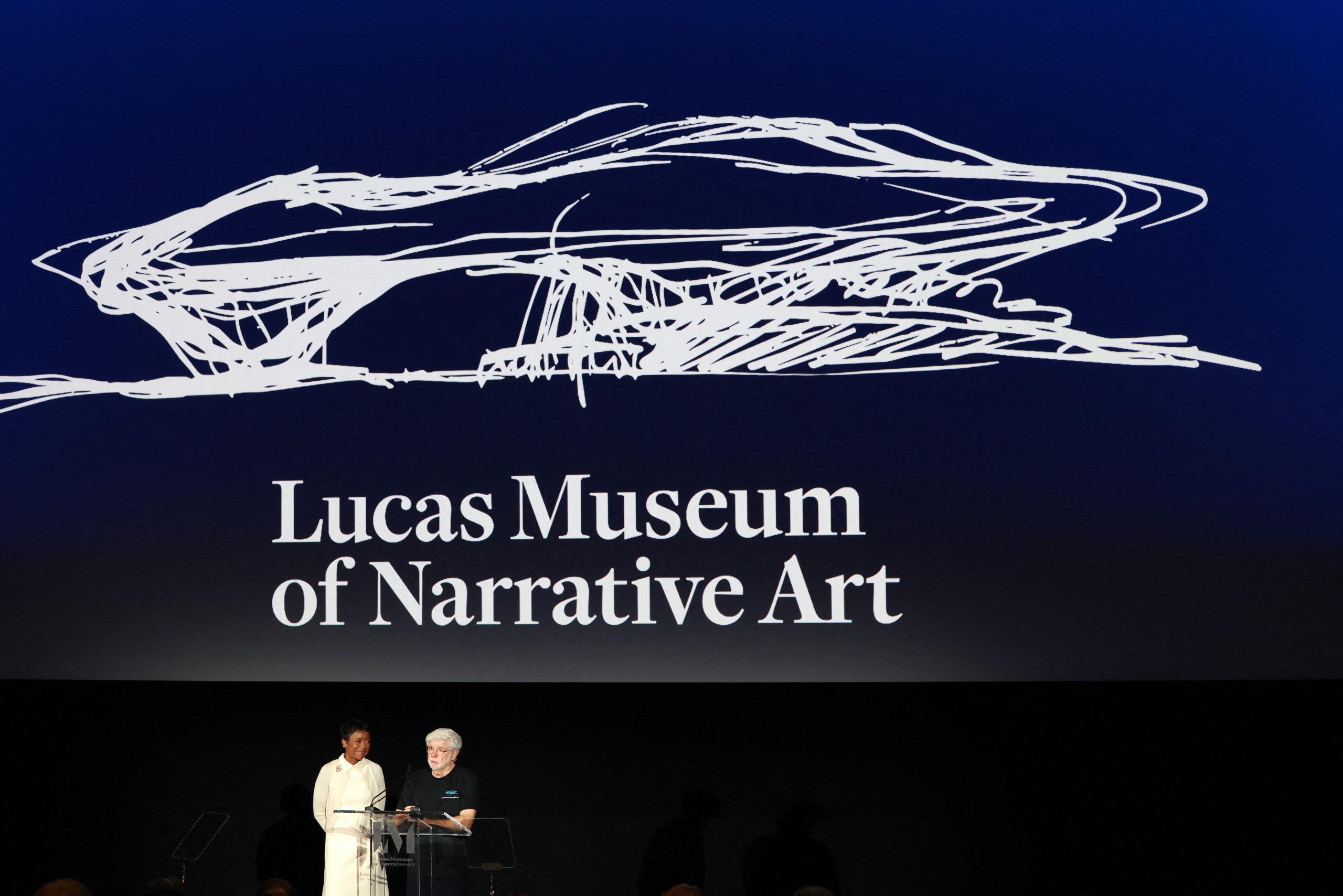
- The Institutional Legacy (Present Day): With the recent development of the Lucas Museum of Narrative Art, Lucas is cementing his belief that the process of storytelling—with all its messy, experimental, and sometimes failed iterations—is the heart of human culture.
Supporting Data: Why "Wrong" Ideas are Necessary
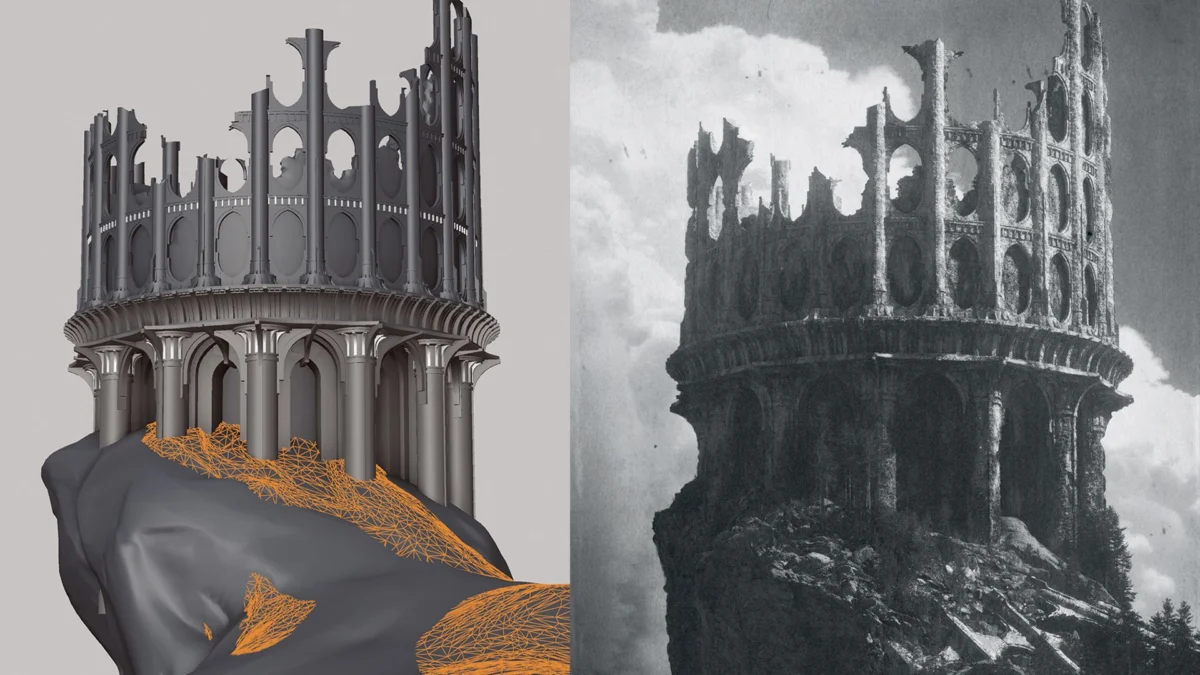
The creative process is often viewed as a linear path from conception to completion. In reality, it is a recursive loop. Industry leaders like Nelson Lowry, the production designer for LAIKA’s Wildwood, mirror Lucas’s sentiments. Lowry has frequently discussed how "raw" challenges in animation force creators into a state of necessary error. When the task is difficult, mistakes are not just inevitable; they are the primary mechanism through which an artist learns the boundaries of their medium.
Furthermore, academic studies on "design thinking" support the idea that early-stage failure—or "failing fast"—is a marker of high-performing teams. By iterating rapidly and discarding unsuccessful concepts, creators can identify optimal solutions much faster than those who labor over a single "perfect" idea.
The Tension Between Art and Client Expectations
One of the most critical distinctions Lucas makes is the divide between personal experimentation and commercial delivery. He notes that the pressure to satisfy investors, clients, or a massive global fanbase creates a "success-only" environment. In this environment, the creative process is stifled because every experiment must yield a profitable result.
This tension is felt acutely by modern digital artists and designers. When every sketch is destined for social media or every design must pass a client brief, the space for "unproductive" play disappears. However, designers like Es Devlin have successfully navigated this by intentionally carving out time for "uninformed" work. Devlin, who is renowned for her innovative stage designs, has noted that she often creates her most compelling work when she purposefully ignores the rules—essentially inviting a certain degree of failure into her process to see what emerges.
Official Perspectives and Industry Implications
The implications of this philosophy are profound for anyone working in the creative arts today. The industry is currently witnessing a pushback against the "perfectionist" culture, with more creators emphasizing the importance of "process over product."
When asked about his approach to filmmaking, Lucas has emphasized that the most important thing is the freedom to fail. He advocates for the creation of "small films" or personal projects where the financial stakes are low, allowing the artist the luxury of making mistakes.
The industry at large is beginning to take note. From the rise of "sketch-based" social media content that highlights the process rather than just the final result, to the increasing transparency of studios like Pixar or ILM in showcasing their "b-roll" and failed concepts, there is a collective movement toward demystifying the creative path.
Implications for the Modern Creative
If you are currently facing a blank digital canvas and feel the paralysis of perfectionism, consider the following takeaways from the Lucas philosophy:
- Reframing Failure: Do not view a flawed sketch or a rejected concept as a waste of time. View it as a diagnostic tool. You now know one way it doesn’t work; you are closer to the solution than you were before.
- Separate Play from Work: Like Lucas, try to maintain a practice that is entirely for yourself. This "sandbox" environment is where you should take your biggest risks, free from the judgment of clients or the public.
- The Impossibility of Perfection: Echoing the sentiment of Salvador Dalí, accept that perfection is an unreachable horizon. The goal of art is not to reach perfection, but to achieve a resonance with the viewer—a goal that is often reached through the rough edges of human effort rather than the cold, calculated perfection of an algorithm.
- Document the Process: As you iterate, keep your early, "failed" attempts. They are not just records of your mistakes; they are the evidence of your growth. When you look back at a completed project, the journey of your failures will often be more interesting than the final result itself.
Conclusion: The Museum of Narrative Experience
The opening of the Lucas Museum of Narrative Art serves as a physical manifestation of this philosophy. By curating art from film, comics, illustration, and digital media, the museum celebrates the narrative journey—a journey that is inherently filled with trials, errors, and breakthroughs.
George Lucas’s legacy is not just Star Wars. It is the permission he gives to the next generation of creators to stumble. By treating failure as an essential form of experience, we stop fearing the blank page and start viewing it as an invitation. The next time your project goes "sideways," don’t hit the delete key. Pause, examine the wreckage, and ask yourself what that experience has just taught you. You might find that the mistake is the most important part of the work.