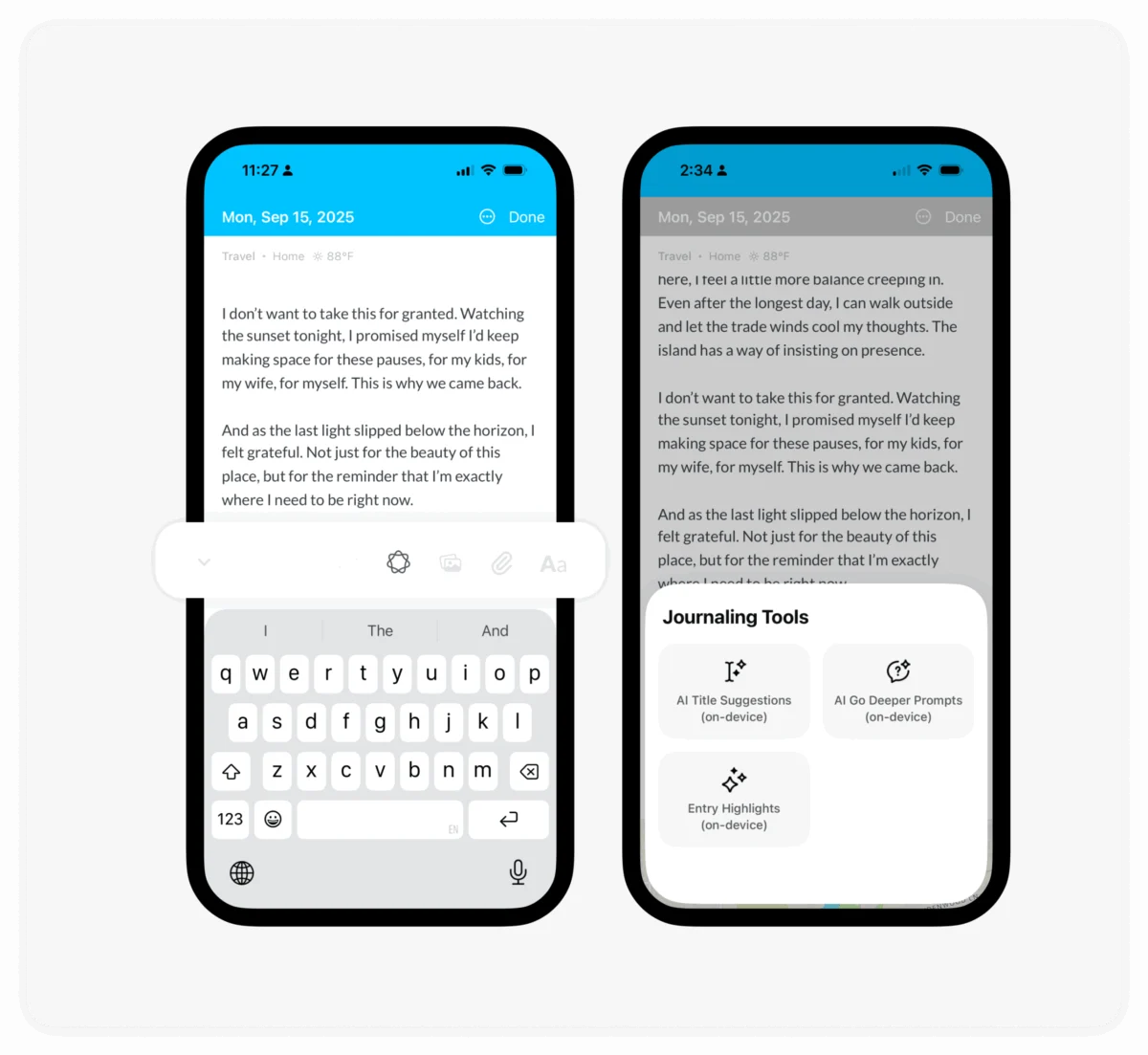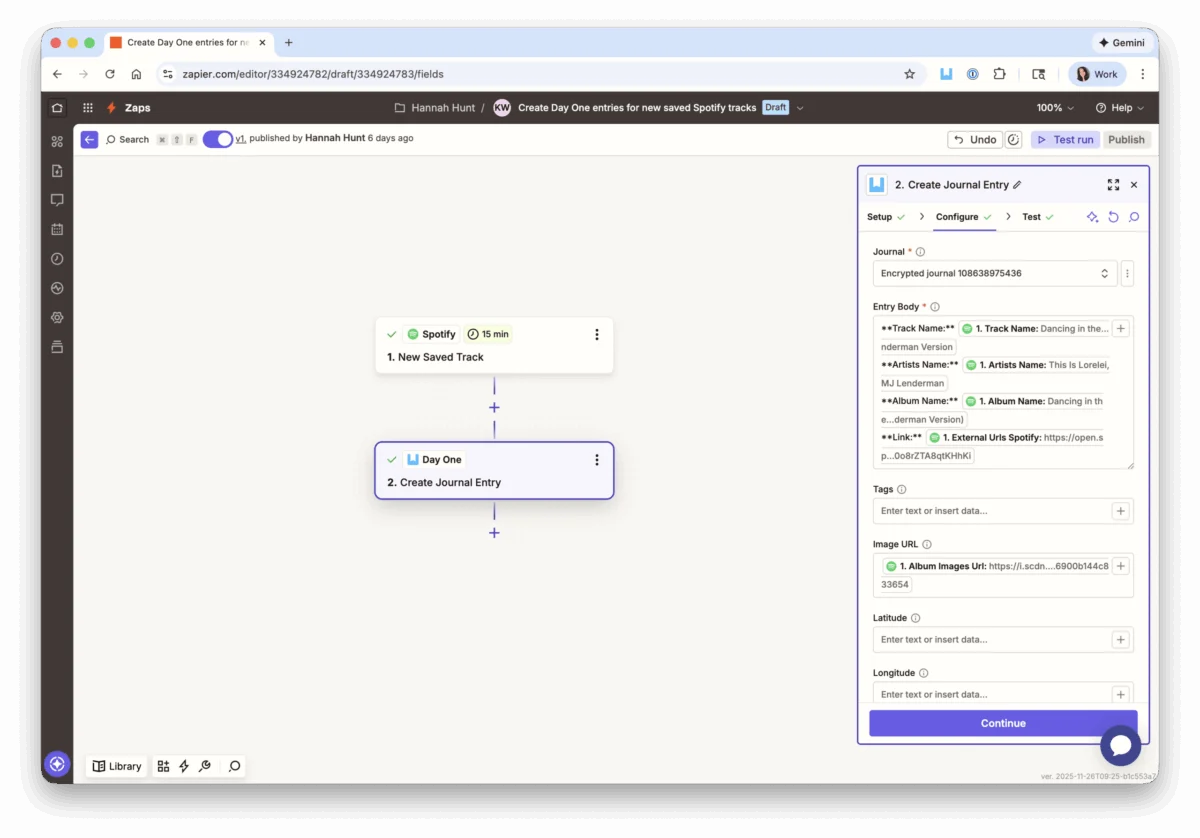
In the modern digital landscape, our lives are often partitioned across dozens of specialized applications. We use one app to track our heart rate and pace, another to manage our tasks, and a third—like the acclaimed journaling platform Day One—to curate the narrative of our personal history. For years, the gap between the quantified self (data-driven fitness) and the reflective self (thought-driven journaling) has remained largely unbridged. Today, that divide begins to close.
Day One has officially announced a comprehensive integration with Strava, the world’s leading social platform for athletes. This move allows users to automatically import their workouts—ranging from high-intensity interval runs to meditative weekend hikes—directly into their digital journals. By transforming raw athletic performance data into contextualized life entries, Day One is repositioning the workout from a mere statistic into a meaningful chapter of a personal story.
The Core Integration: Transforming Data into Narrative
The mission behind this update is simple yet profound: to help users document their lives as they happen. Version 2025.22 of the Day One application on iOS, iPadOS, and the web now serves as a bridge between the precision of GPS-tracked movement and the nuance of human memory.
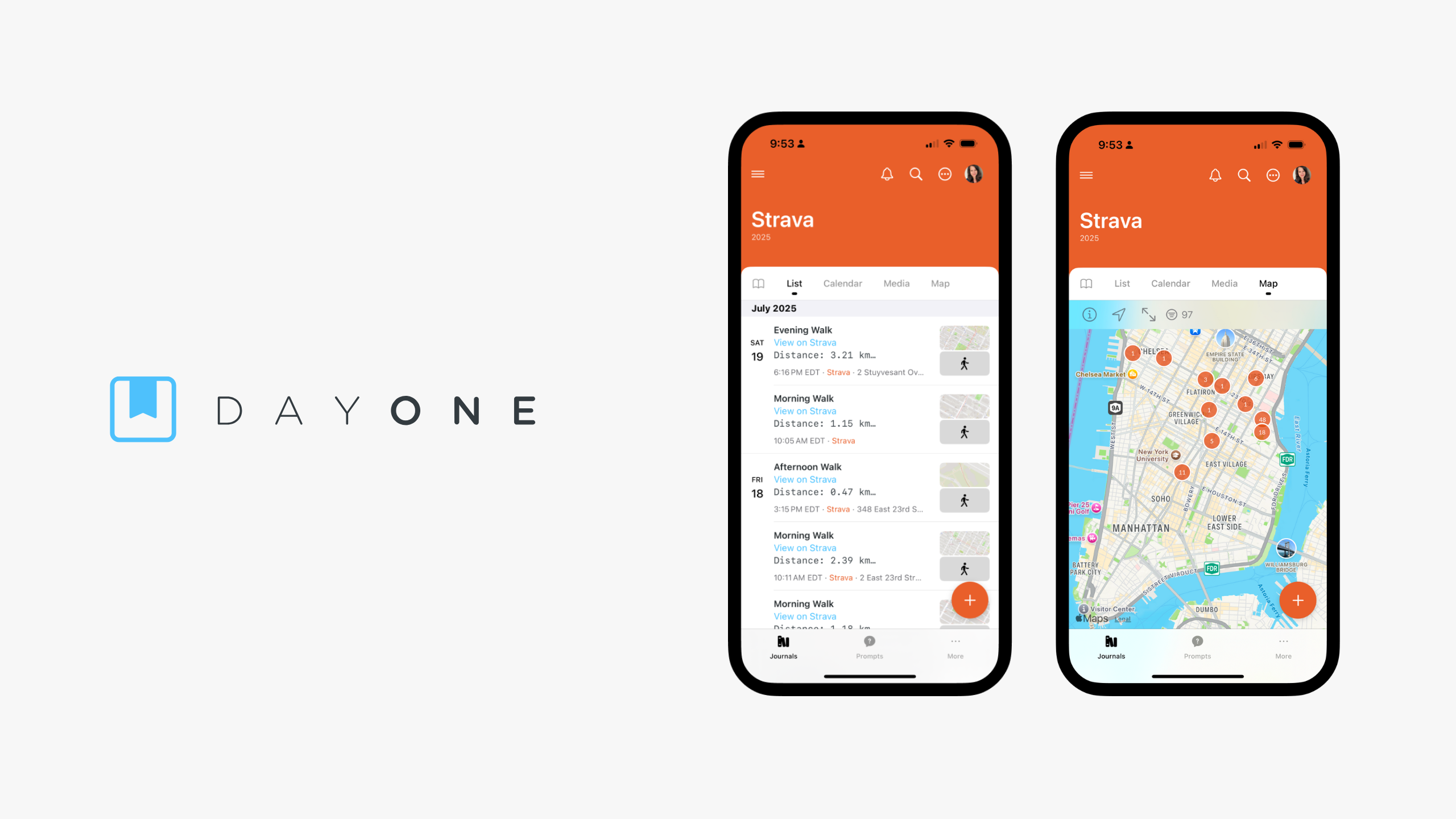
When a user completes an activity on Strava, the metadata—including distance, pace, elevation gain, and route maps—is automatically pushed to Day One. However, the true value of this integration lies in the "Day One layer." Once the data is imported, the entry is not a static report; it is a canvas. Users can append personal notes, reflect on their mental state during the activity, upload photos from the trail, or embed videos of a race finish.

By marrying the "what" (the stats) with the "why" (the motivation), Day One is effectively creating a richer, more holistic archive of human experience. This is no longer just a log of calories burned; it is a chronicle of personal growth.
A Chronology of Development
The integration did not happen overnight. It is the culmination of years of user requests and a strategic pivot within the journaling software industry toward deeper ecosystem interoperability.

- Phase 1: Conceptualization. Recognizing that physical activity is a primary driver of daily routines, the Day One development team identified Strava as the most requested partner for data integration.
- Phase 2: Technical Architecture. Building a secure, bi-directional sync that respects user privacy while maintaining high-fidelity data transfer was the primary hurdle. The team focused on ensuring that GPS data and media assets from Strava could be rendered seamlessly within Day One’s proprietary, encrypted interface.
- Phase 3: The Launch. With the release of version 2025.22, the feature moved from beta testing to full public availability for Day One Silver subscribers.
- Phase 4: Future Expansion. While currently limited to iOS and web platforms, the engineering team has confirmed that Android support is already in the development pipeline, ensuring a unified experience across the fragmented mobile ecosystem.
Supporting Data: Why Integration Matters
The trend of "lifestyle data integration" is backed by shifting user behaviors. According to industry analysts, users are increasingly moving away from isolated, single-purpose apps. A 2024 study on digital habits indicated that 68% of active journaling users expressed a desire for "automated context," specifically citing fitness data as a key missing component in their daily logs.
The technical specs of the integration are robust:

- Dynamic Mapping: Day One utilizes the activity data to reconstruct route maps, ensuring users retain a visual record of their path without relying on a static screenshot.
- Media Syncing: Photos and videos captured during an activity via Strava are imported directly into the journal entry, preventing the loss of visual context.
- Resync Capabilities: Acknowledging that athletes often edit their activity titles or privacy settings in Strava after the fact, Day One has included a "resync" feature that allows users to refresh their entry, ensuring the journal is always current with the source of truth.
Official Perspectives: The Philosophy of Movement
In an official statement accompanying the launch, the leadership at Day One emphasized that this is not about "fitness tracking" in the traditional sense.
"We are not trying to be a competitor to Strava," a spokesperson stated. "We are trying to be the home for the experience of the workout. When you look back at your journal in ten years, you don’t just want to see that you ran five miles. You want to see that you ran those five miles in the pouring rain, or that you were training for your first marathon, or that you used that run to clear your head after a difficult day. That is the story that matters."

The integration is designed to foster a sense of accomplishment. By seeing these milestones appear in a "Calendar" or "Map" view alongside birthdays, work achievements, and family memories, users are encouraged to see physical movement as an essential, integrated pillar of their overall well-being.
Implications: The Tangible Legacy of Digital Effort
Perhaps the most compelling implication of this integration is the ability to move from the digital to the physical. Day One’s existing print-on-demand service, which allows users to turn their journals into high-quality, physical books, now gains a new dimension.

Users can now curate books that serve as physical manifestations of their training cycles. A year of marathon training, for instance, can be printed as a hardcover volume that documents not just the race day, but the arduous, early-morning training runs that led up to it. This transition from ephemeral digital data to a permanent, tangible object is a significant selling point for the platform.
Broader Implications for the Journaling Industry
- Contextual Privacy: By bringing fitness data into an encrypted, private journal, users gain the benefits of tracking without the public social pressure often found on platforms like Strava.
- Long-term Trend Analysis: Because Day One keeps these entries permanently, users can view their fitness progression over years—rather than just the 12-month window often provided by fitness-only apps.
- Cross-Platform Synergy: This move sets a new standard for productivity and lifestyle apps, suggesting that in the future, the "all-in-one" journal will be the ultimate dashboard for the modern individual’s life.
Navigating the Setup
For those looking to adopt this feature, the process is streamlined to minimize friction. Users simply navigate to the "Integrations" tab within their Day One settings, select Strava, and follow the OAuth authorization prompt.

Once connected, the "backfill" process begins. Recent activities are prioritized, while older history is gradually imported in the background to ensure the app remains performant. It is a "set it and forget it" feature, allowing the journal to populate itself while the user focuses on the workout.
Conclusion: A New Chapter in Self-Documentation
The integration of Strava into Day One is more than a technical update; it is a philosophical statement about the nature of a modern diary. It acknowledges that our lives are lived in motion, and that our physical efforts are as much a part of our identity as our thoughts and reflections.

By capturing the story behind every run, ride, and hike, Day One has provided a tool that helps us see the bigger picture. It transforms the solitary act of exercise into a communal, reflective, and ultimately more meaningful experience. As we continue to navigate an increasingly data-dense world, the ability to curate that data into a personal narrative is perhaps the most valuable skill of all. With this update, Day One ensures that while your stats may fade, your story remains.