WASHINGTON — In an era dominated by hyper-sophisticated digital productivity applications, cloud-based sync tools, and artificial intelligence-driven task managers, a surprisingly analog trend continues to dominate households worldwide: the humble paper calendar. Industry analysts and lifestyle bloggers report an unprecedented, record-breaking surge in early requests for annual planning tools, culminating this week with the official release of highly sought-after free printable calendars for 2027.
Far from being replaced by smartphones and digital widgets, physical planners, desk calendars, and wall-mounted grids are experiencing a major cultural renaissance. For millions of individuals, families, and small business owners, the tactile experience of putting pen to paper remains an irreplaceable psychological anchor in an increasingly fast-paced digital world.
Main Facts: The 2027 Calendar Phenomenon
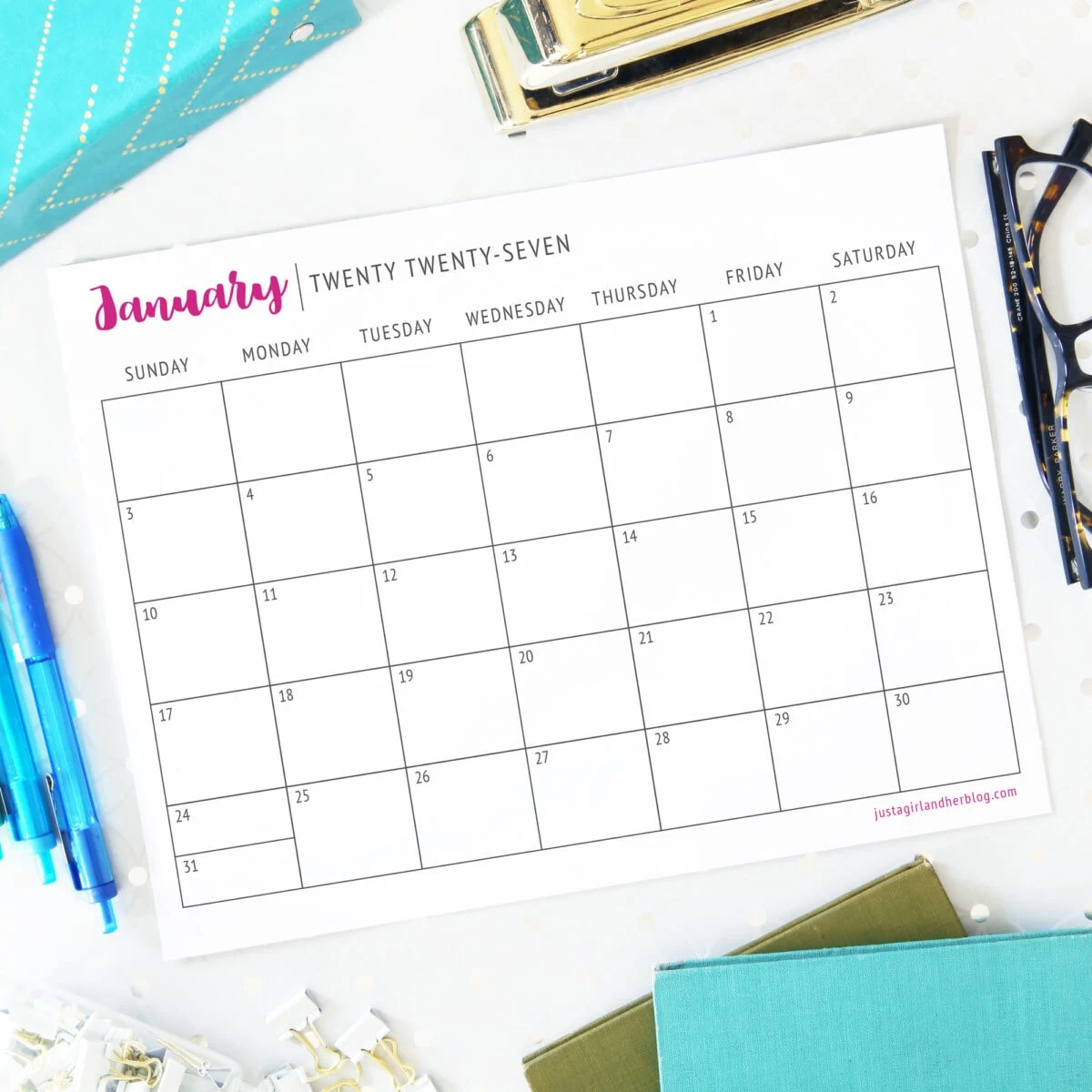
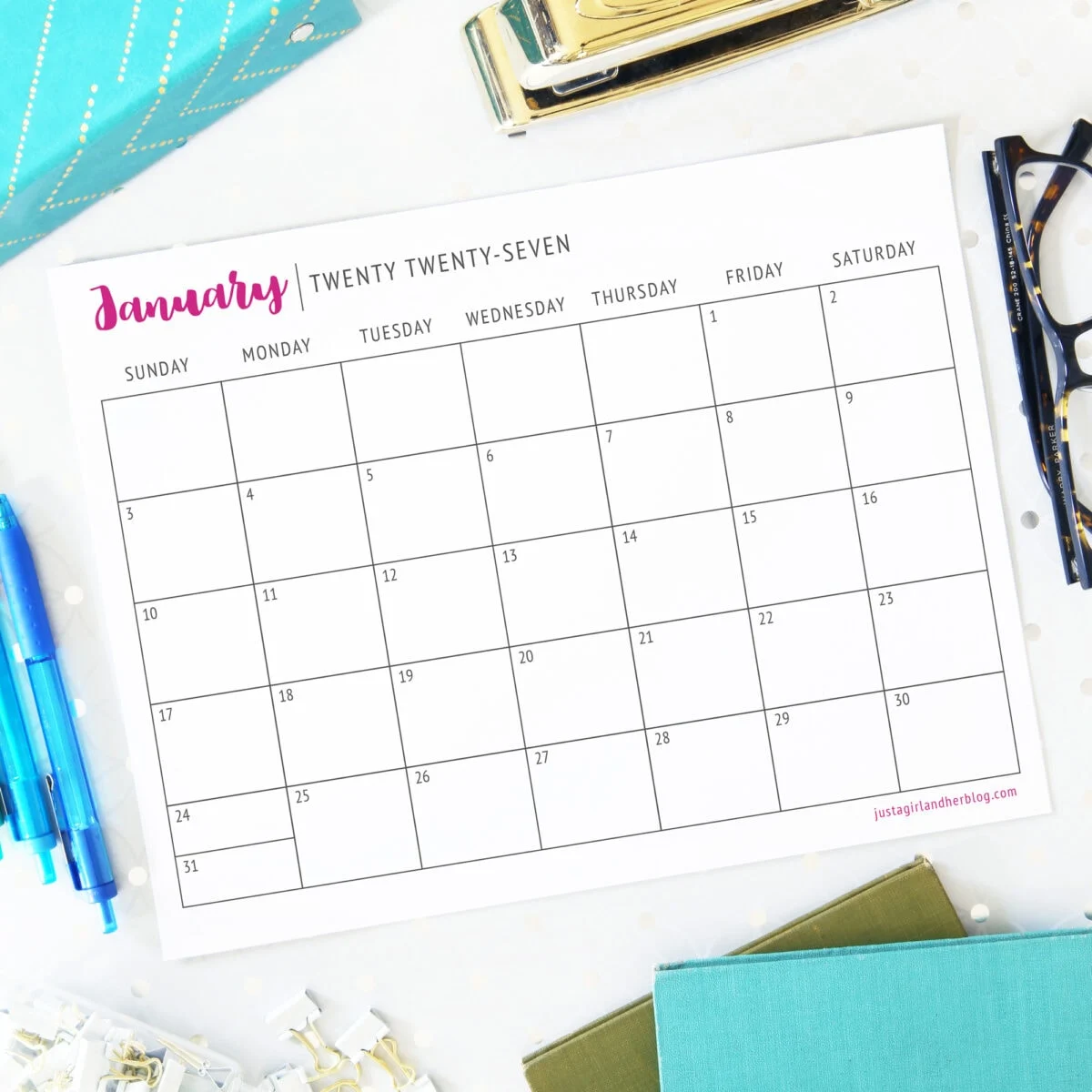
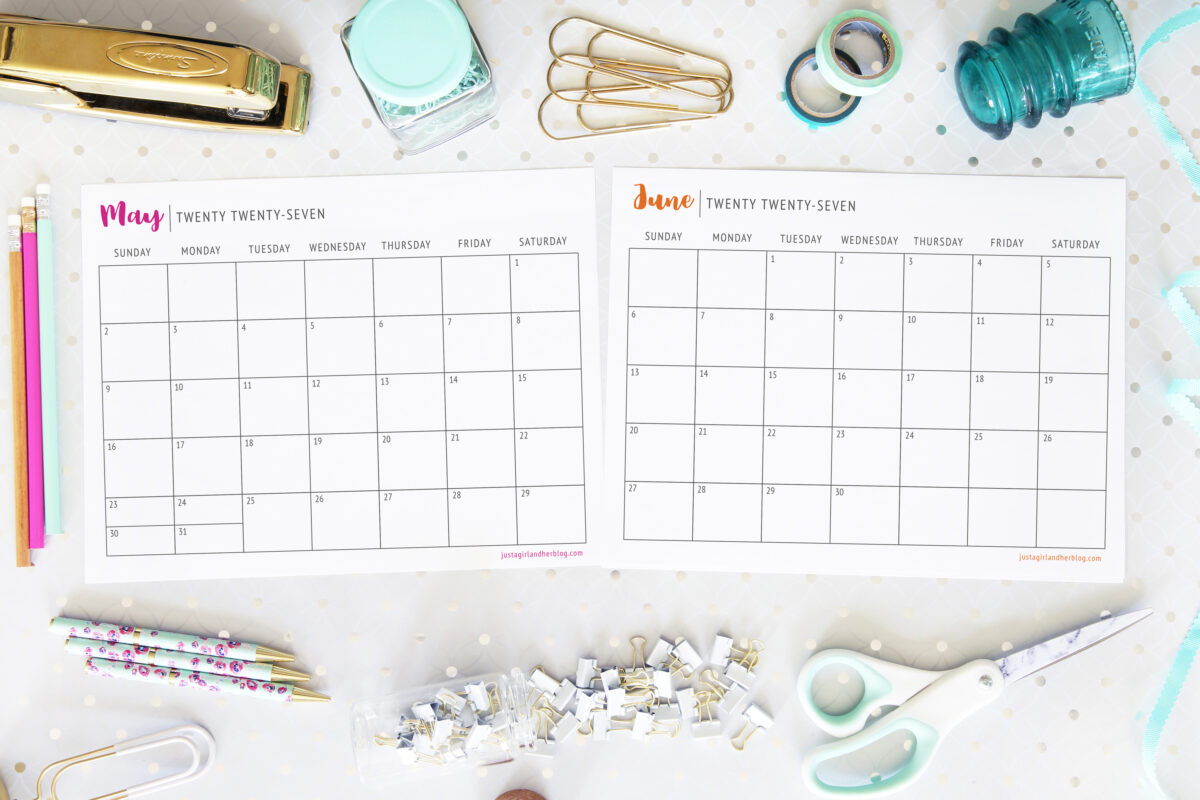
The official rollout of the Free Printable Calendar 2027 marks a significant milestone for organization enthusiasts. Designed to serve as an all-in-one productivity hub, the newly released templates are engineered to help users manage schedules, track milestone events, map out long-term goals, and coordinate daily household activities.
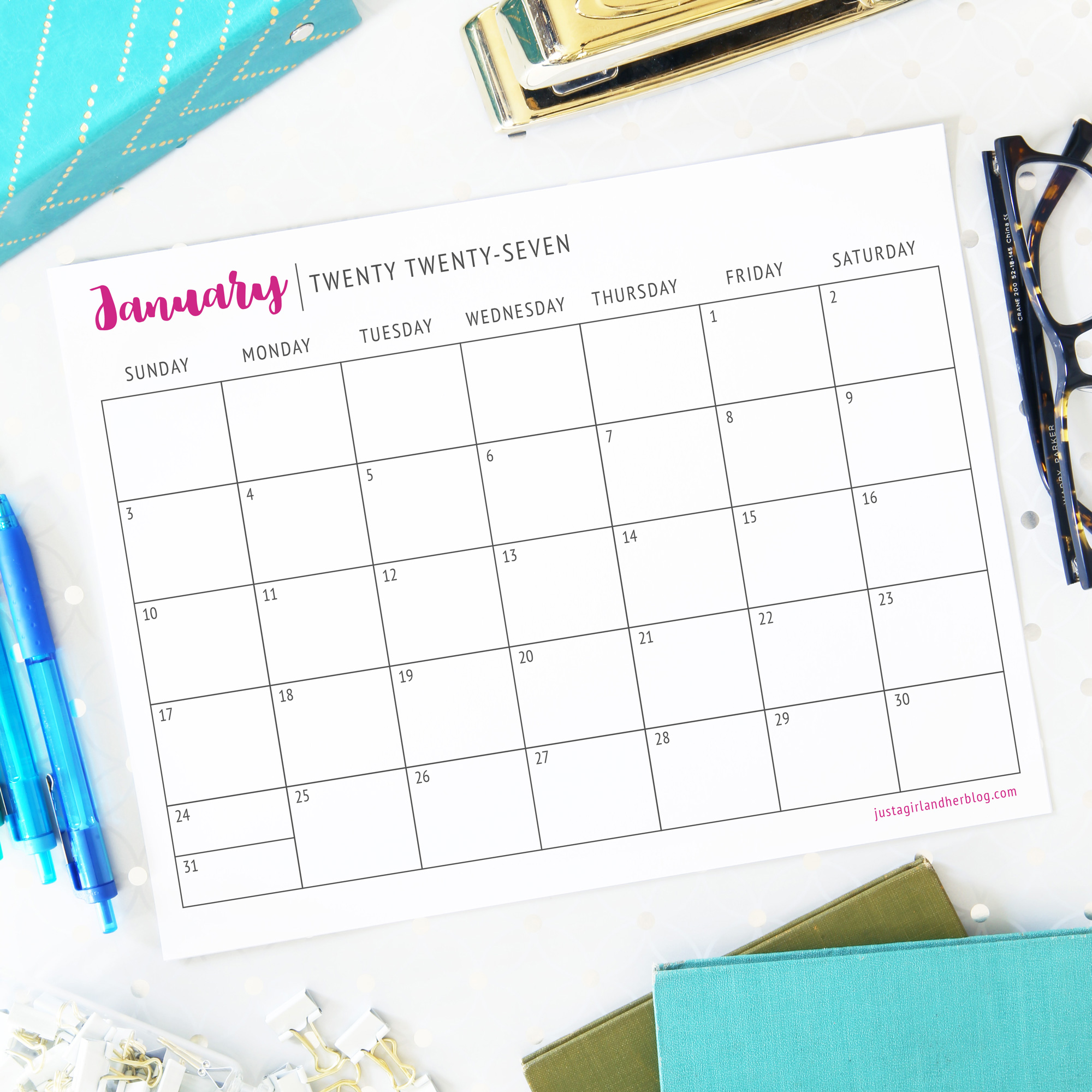
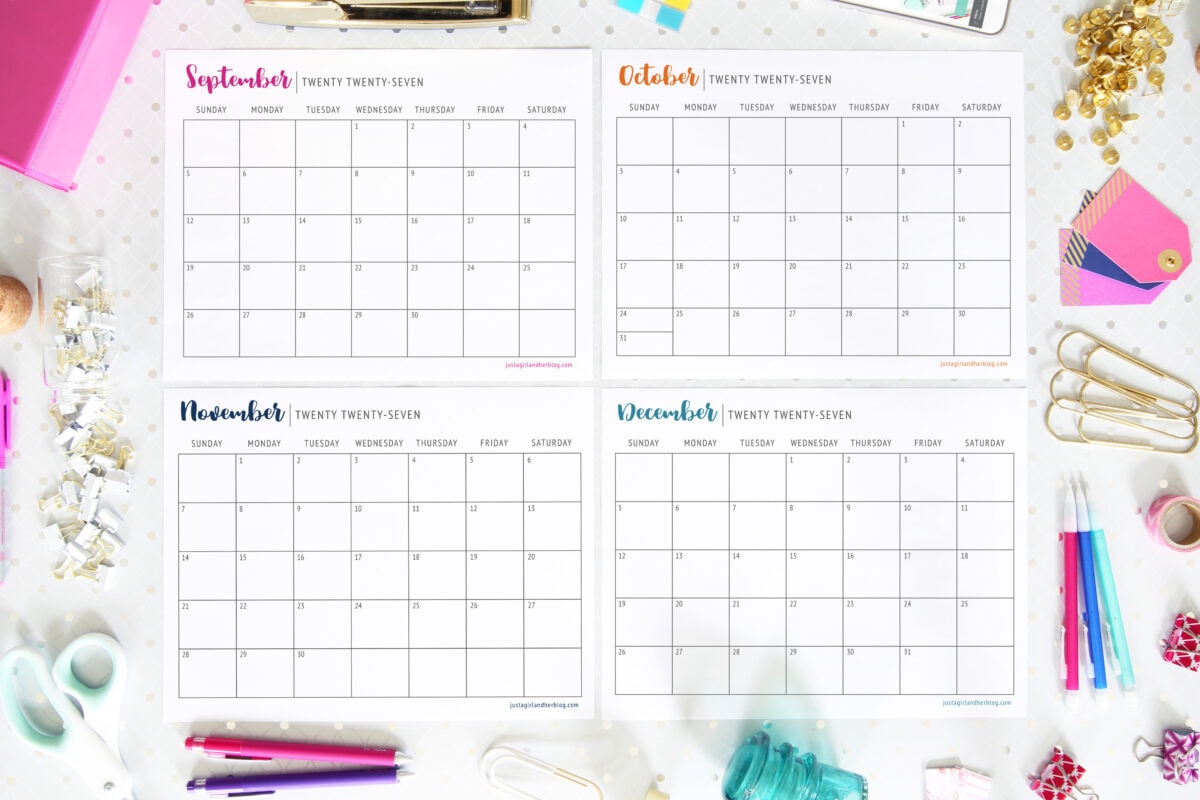
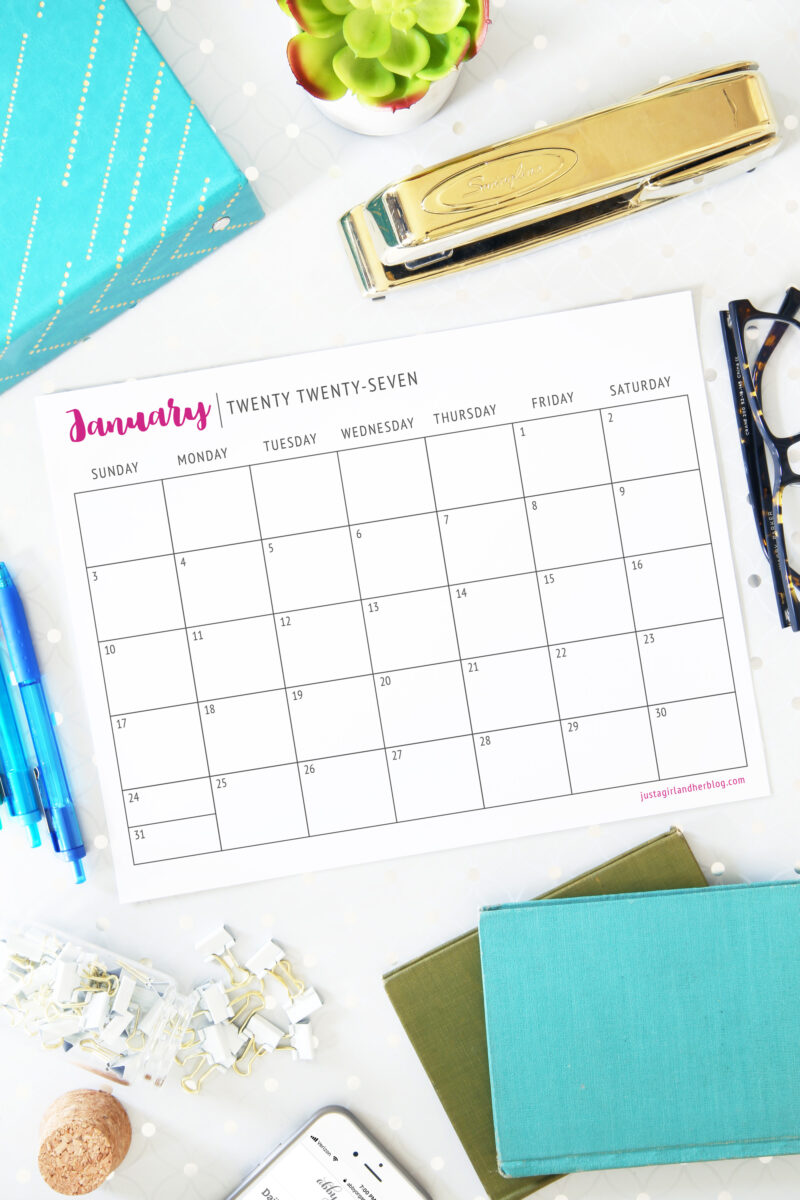
- The Product: High-resolution, downloadable monthly and yearly calendar templates tailored for standard 8.5” x 11” paper.
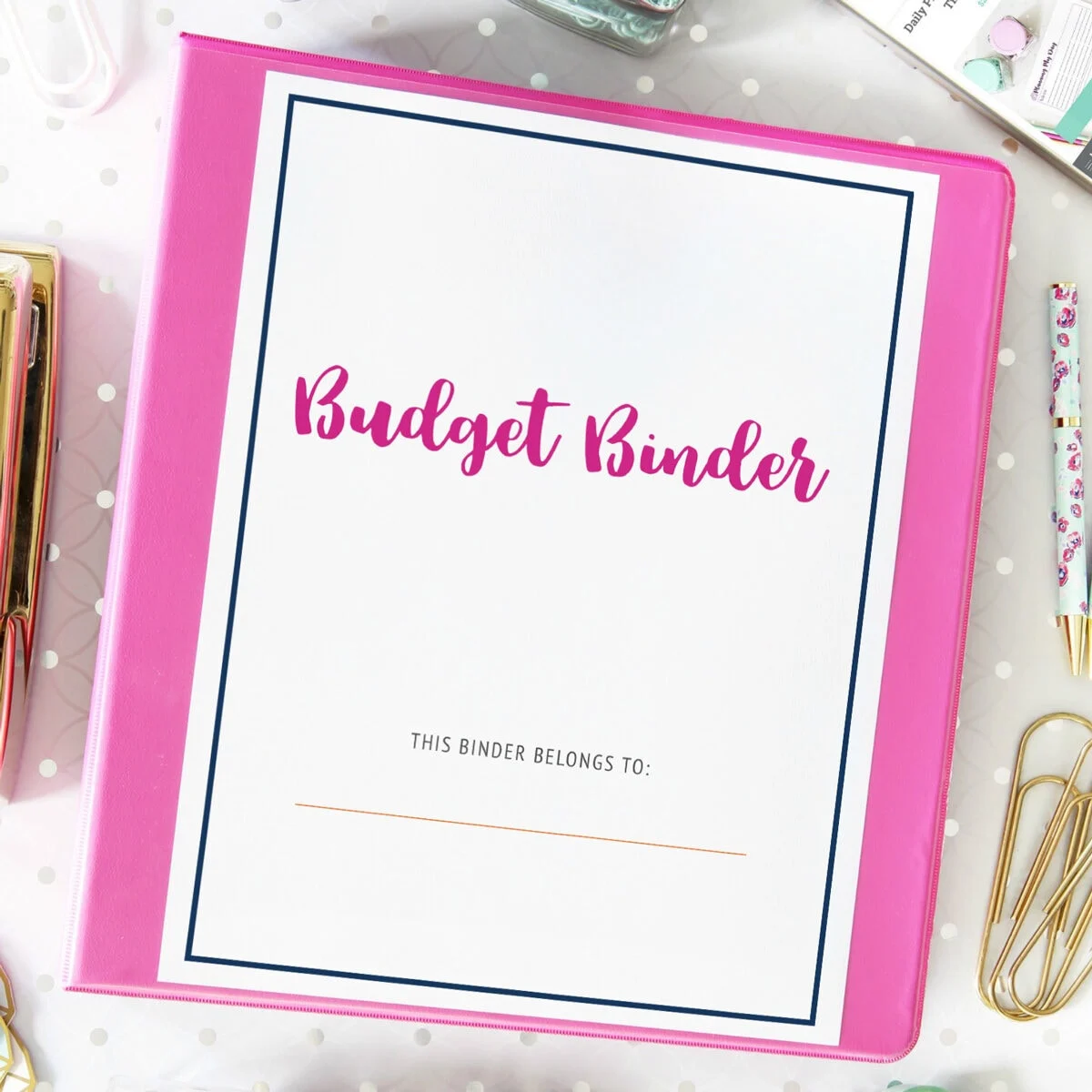
- The Appeal: Zero-cost accessibility, customizable layouts, and seamless integration into analog organization systems like three-ring binders, refrigerators, and desktop command centers.
- The Demand: Unprecedented early-bird inquiries began flooding lifestyle platforms as early as April—several months ahead of historical averages.
According to prominent organization experts and creators, the desire for structural clarity long before the turn of the year reflects a broader societal yearning for control, predictability, and intentional living.
Chronology: The Timeline of Calendar Anticipation
The trajectory toward the 2027 planning cycle highlights a fascinating shift in consumer behavior regarding time management and future-proofing:
- April: The first informal requests for the 2027 calendars arrive via digital inbox inquiries, marking the earliest recorded demand cycle in the platform’s history.
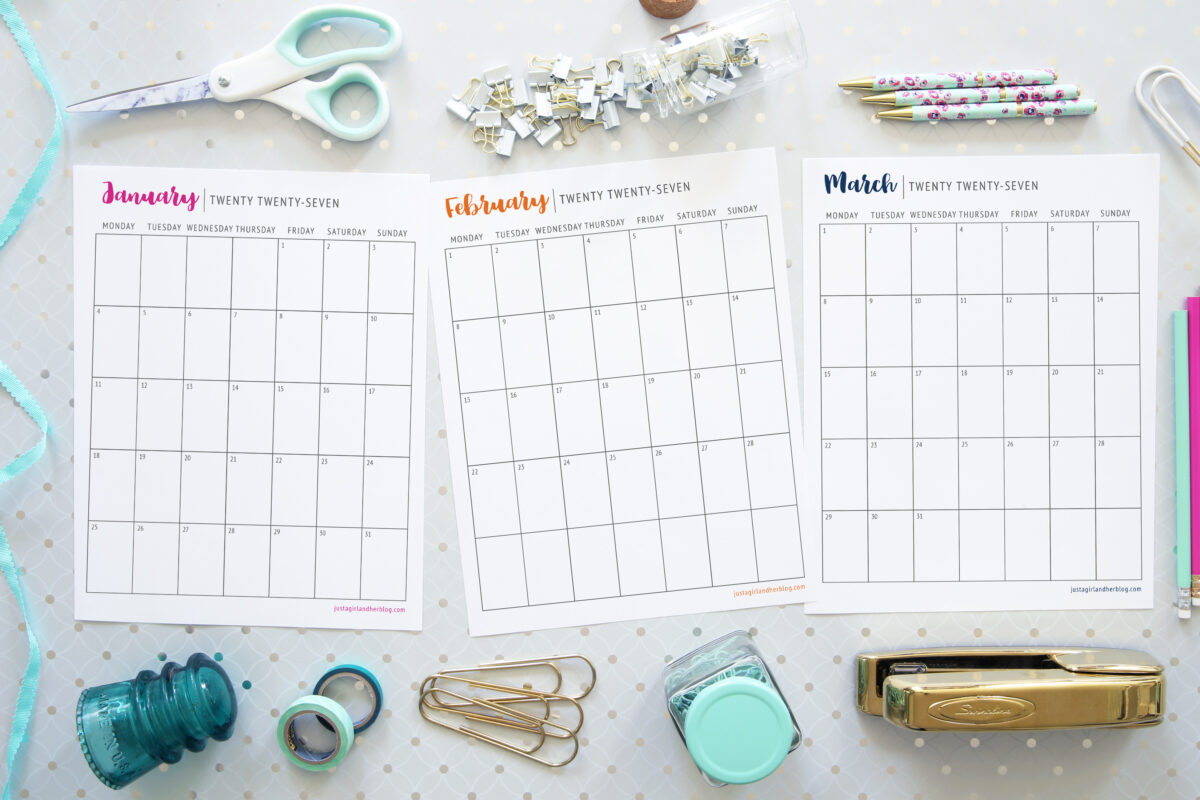
- Mid-Summer: Preparatory design phases, layout testing, and aesthetic optimizations take place to accommodate both vertical and horizontal formatting preferences.
- Release Day: The official launch of the free digital repository, granting immediate access to high-definition PDF downloads for global users.
- Post-Launch Phase: Ongoing community engagement, featuring user spotlights on creative desk setups, color-coding methodologies, and binder organization hacks.
Historically, physical calendar distribution followed strict seasonal holidays. In decades past, commercial banks and retail institutions would hand out promotional calendars during late November and December. Today, digital creators have disrupted this timeline, empowering proactive planners to organize their lives up to eight months in advance.
Supporting Data: The Psychology of Paper Productivity
While tech companies frequently tout the benefits of cross-platform synchronization, productivity research consistently highlights the cognitive advantages of analog planning.
Why Physical Calendars Still Win
- Enhanced Memory Retention: Writing appointments and deadlines down by hand activates sensorimotor regions of the brain, leading to significantly higher recall rates compared to typing on a keyboard or touchscreen.
- Reduced Digital Fatigue: With remote work and screen time at an all-time high, stepping away from glowing devices to review a physical wall calendar offers a much-needed mental break.
- Visual Clarity: A large-format monthly grid provides an immediate, macro-level view of upcoming obligations without the need to scroll through endless digital menus or pop-up notifications.
Data gathered from community engagement metrics reveal that users deploy these printable templates for far more than basic date-checking. Common applications include:
- Tracking academic semesters and professional project deadlines.
- Managing fitness routines, meal-prep schedules, and hydration goals.
- Coordinating complex family logistics, carpools, and extracurricular activities.
- Executing content calendars for digital creators and small-business owners.
Official Insights and Creator Perspectives
For creators who specialize in home management and design, the passion surrounding printables is palpable. Reflecting on years of observing consumer habits, industry veterans note that the enthusiasm for physical stationery has always transcended simple utility.
"Calendar people are my kind of people," shares lifestyle publisher and organization advocate Abby Lawson. "Every year around this time, I start to get a bunch of emails asking, ‘When is next year’s calendar coming out?!’ This year it started earlier than ever. I think I got my first 2027 calendar request in April!"
Reflecting on her earlier career in the banking sector, Lawson recalls how physical calendars were treated like prized commodities. "When I worked at a bank years ago, we would give out free calendars around the holidays. People would come in and start asking for them in the summer! And when we finally got them in, we’d have to ration them out because people would ask if they could take ten. They must’ve really loved calendars."
This deep-seated affection stems from the emotional reward of organization. According to design experts, simply acquiring a blank calendar sparks a psychological fresh-start effect, motivating individuals to tackle stalled projects, restructure chaotic routines, and set ambitious future goals.
Implications: The Future of Hybrid Productivity
As society navigates the intersection of digital convenience and analog mindfulness, the release of the 2027 printable calendars points toward a broader evolution in how humans manage their lives.
1. The Rise of the Hybrid Planner
Rather than choosing exclusively between digital apps (such as Google Calendar or Apple Reminders) and paper planners, modern productivity enthusiasts are adopting hybrid systems. Digital tools manage real-time alerts and travel notifications, while paper calendars serve as master strategy boards for monthly goals and visual overviews.
2. Accessibility and Personalization
The democratization of design through free downloadable printables ensures that effective organization is no expensive luxury. Users can print as many copies as needed, experiment with minimalist or colorful layouts, and tailor their planning systems to fit unique neurodivergent needs, family structures, or professional workflows.
3. Mindfulness and Intentional Living
In an age where multitasking is often glorified, sitting down with a pen and a blank monthly grid encourages slower, more deliberate thought processes. It forces individuals to evaluate their commitments critically, preventing burnout by highlighting overcrowded schedules before they become overwhelming.
How to Access and Utilize the 2027 Calendars
For those looking to get a jump start on their future planning, the official resources are readily available.
- Format Options: Standard layouts include both vertical and horizontal monthly views, ensuring compatibility with various desk spaces, clipboards, and planners.
- Printing Recommendations: For optimal durability—especially if using highlighters, markers, or decorative washi tape—printing on slightly heavier cardstock or standard 8.5” x 11” paper via a high-quality home printer is recommended.
- Storage Solutions: Completed months can be archived in three-ring binders to create a physical retrospective of the year’s achievements, while current months can be pinned to refrigerators or displayed prominently in home offices.
As the 2027 planning season gathers momentum, one thing is abundantly clear: while technology will continue to advance, the simple satisfaction of crossing off a completed day on a crisp paper calendar remains timeless.