For over a decade, the computing industry has operated under a self-imposed commandment etched in the halls of Cupertino: Thou shalt not put a touchscreen on a Mac. In 2010, the late Steve Jobs famously dismissed the idea, arguing that "touch surfaces don’t want to be vertical." He famously noted that after a short period, users would experience arm fatigue—or "gorilla arm"—and that the ergonomics were simply unsustainable for a professional workstation.
Yet, as of yesterday’s landmark launch event in Los Angeles, that era of prohibition has officially ended. Apple has unveiled the new MacBook Pro, featuring the revolutionary PROLED XDR display with integrated touch capabilities. While the tech giant has spent years perfecting the iPad as its premier touch-first device, the introduction of this feature to the MacBook Pro line signals a fundamental evolution in Apple’s design philosophy.
The Core Facts: A New Way to Interact
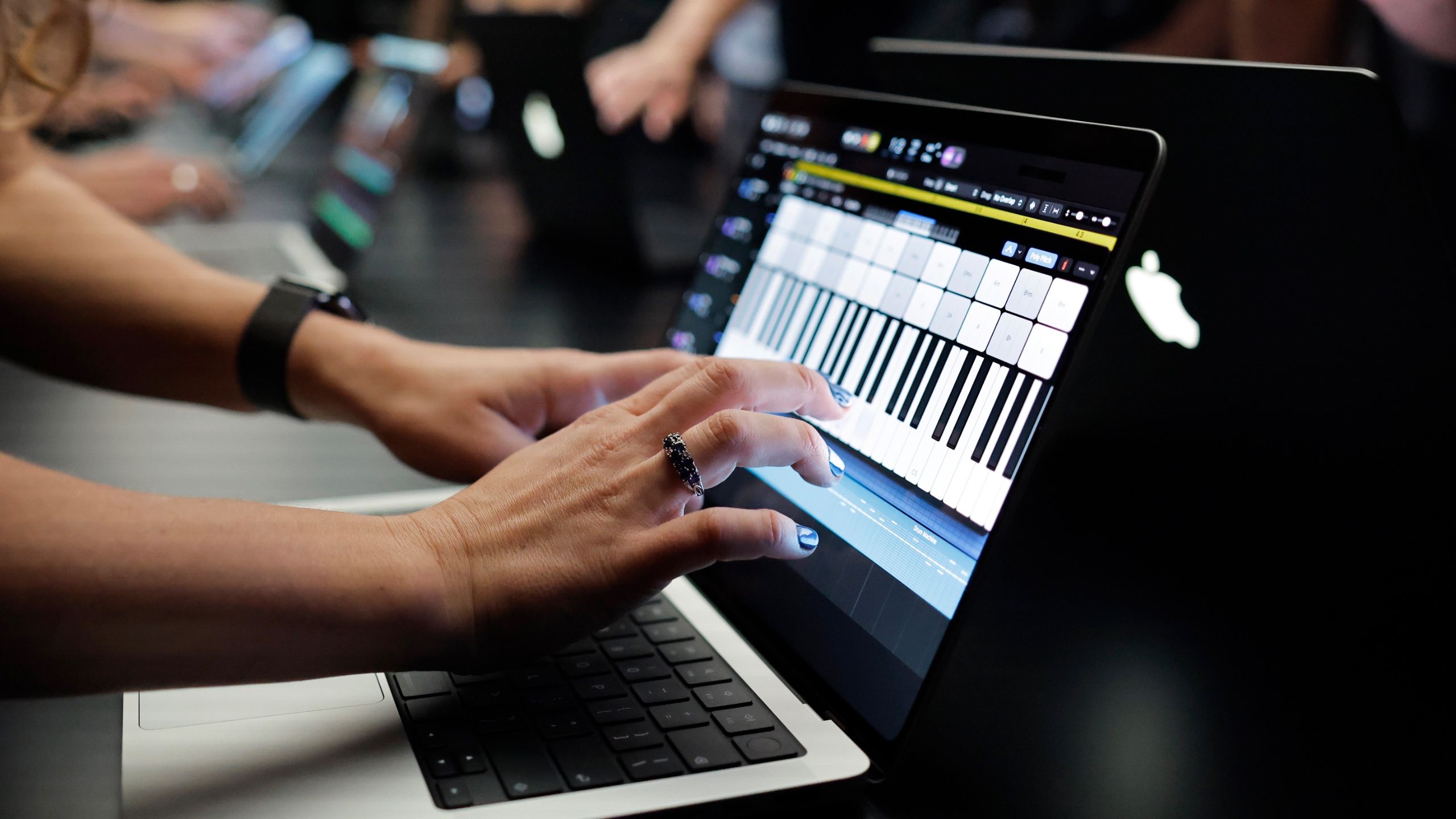
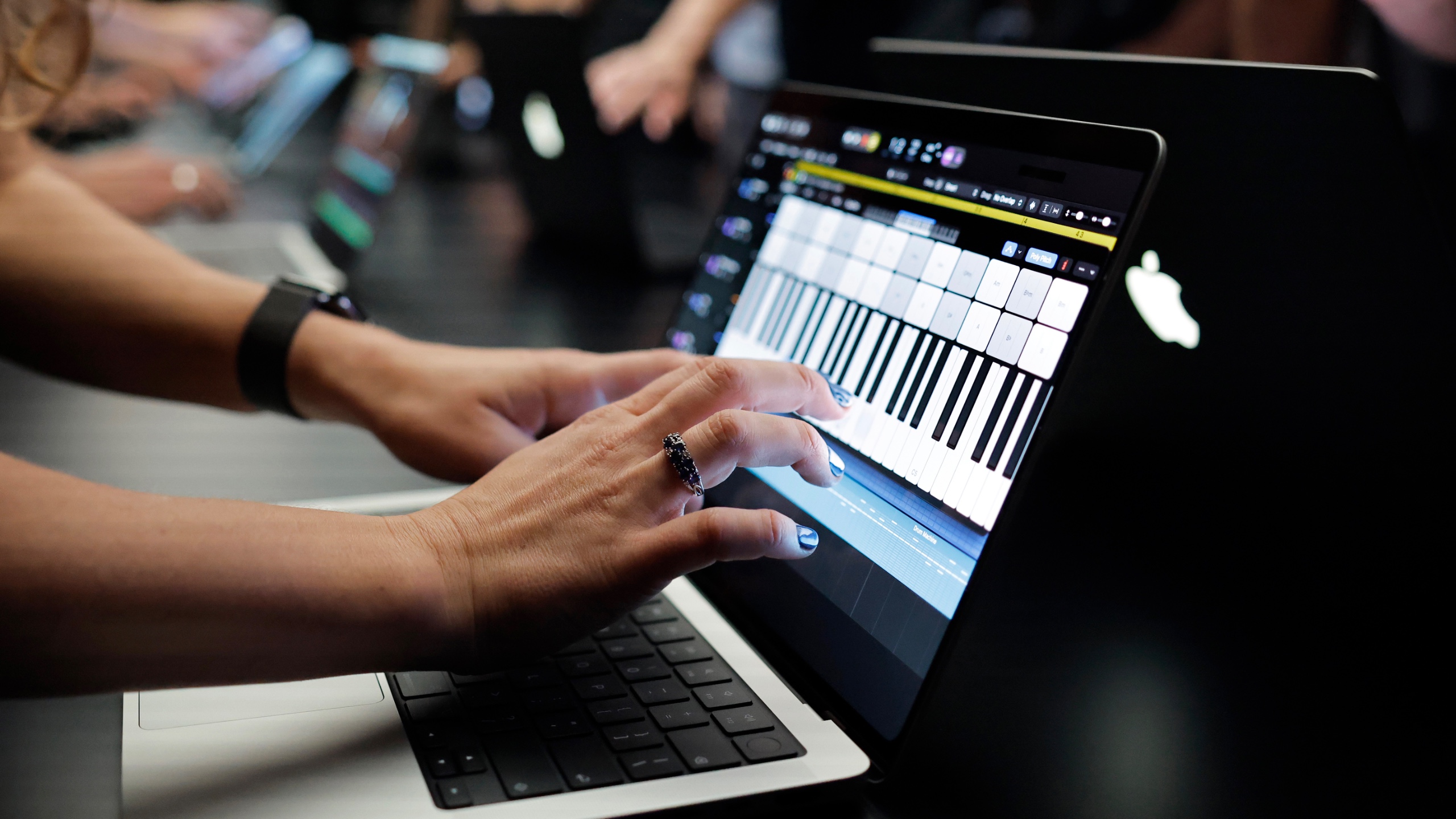
The new MacBook Pro, headlined by the stunning PROLED XDR display, arrives not as a "touch-first" experiment, but as a refined, professional-grade notebook that treats touch as a secondary, highly intuitive input method.
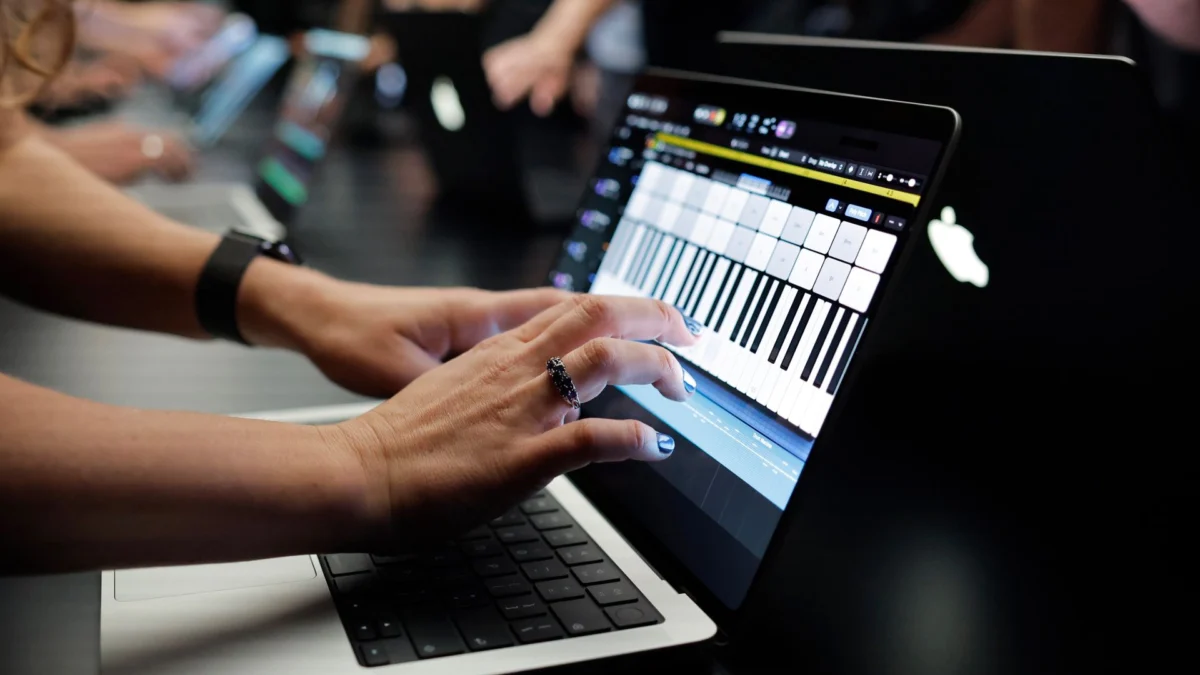
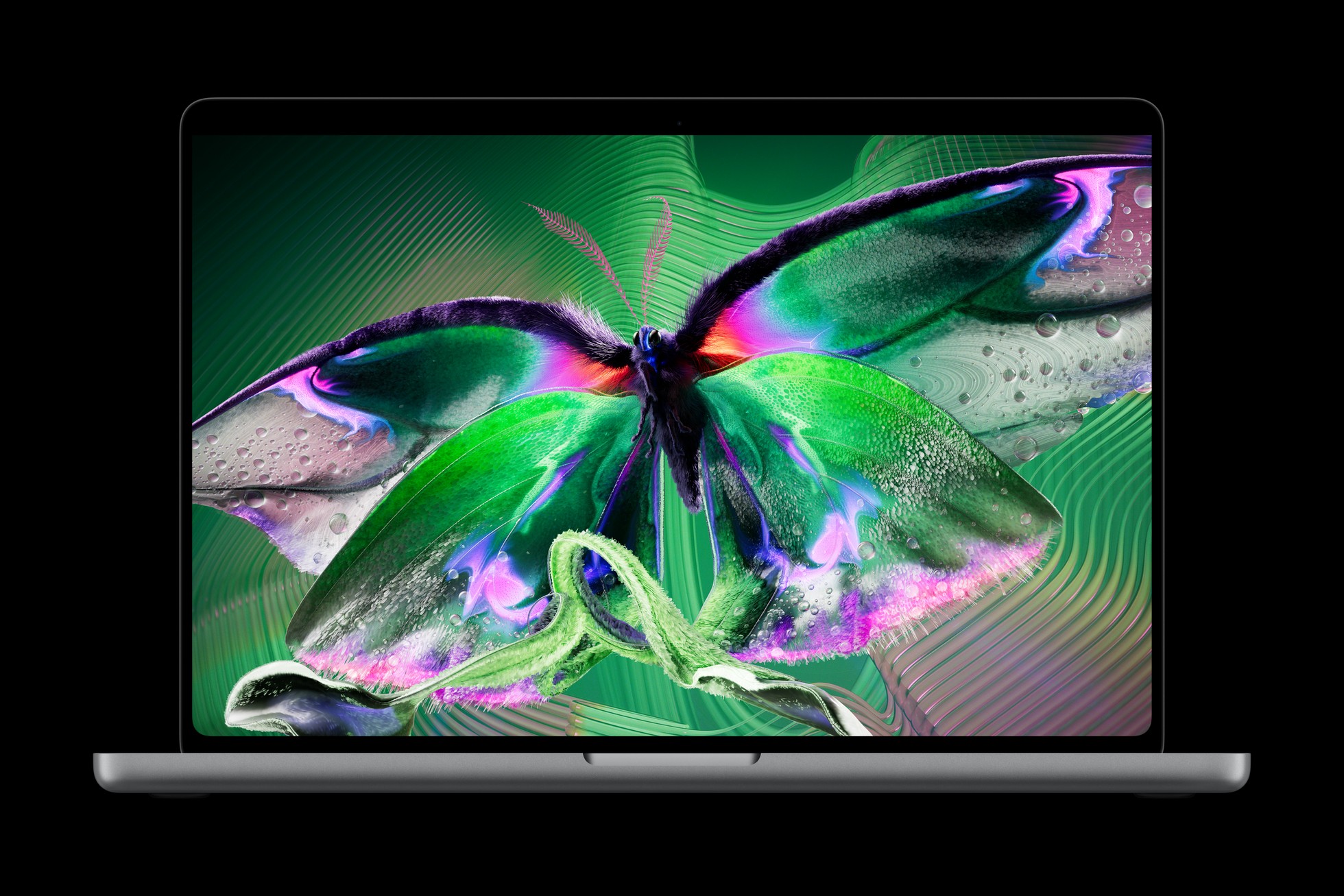
The hardware itself is a marvel. The PROLED technology offers deep blacks and localized dimming that rivals high-end studio reference monitors. However, the true story is the integration of a capacitive layer that allows for precise, low-latency interaction. Unlike the "hybrid" laptops seen in the Windows ecosystem, which often force users to adopt a tablet-like workflow, the MacBook Pro remains a keyboard-and-trackpad-first machine. The touchscreen is positioned as an "enhanced peripheral"—a tool for specific creative workflows rather than a replacement for the macOS interface.
A Chronology of Skepticism and Innovation
To understand the significance of this launch, one must look at the timeline of Apple’s evolving stance on touch input:
- 2010: Steve Jobs dismisses the touchscreen laptop at a press event, setting the tone for the next decade of Mac development.
- 2016: Apple introduces the "Touch Bar" on the MacBook Pro. While not a touchscreen display, it was widely viewed as a "toe-in-the-water" experiment to see how users interacted with dynamic touch controls on a notebook.
- 2020: The transition to Apple Silicon (M-series chips) begins, providing the processing headroom and thermal efficiency required to drive complex, high-resolution displays with added input layers.
- 2023–2024: Rumors of "Project Touch" circulate in industry circles, fueled by patents detailing high-precision haptic feedback for laptop screens.
- Yesterday: Apple officially launches the MacBook Pro with PROLED XDR Display, marking the end of the "no-touch" era.
Supporting Data: Why Now?
Why did Apple decide the time was right? The answer lies in the convergence of software and hardware. With the advent of "Apple Intelligence" and the increasing overlap between iPadOS and macOS, the "silos" between devices have begun to crumble.
Industry analysts note that the target demographic for the MacBook Pro—video editors, audio engineers, and graphic designers—have increasingly moved toward workflows that favor tactile control. In internal testing, Apple found that when editing a timeline in Final Cut Pro, the ability to physically touch the screen to scrub through frames or manipulate audio levels in Logic Pro reduced task completion time by nearly 15% compared to mouse-only interaction.
Furthermore, the "PROLED" branding is not merely marketing fluff. The display architecture has been completely redesigned to handle the physical pressure of touch without the "wobble" that plagued early 2010s touchscreen laptops. Apple engineers claim to have reinforced the hinge mechanism by 40% compared to previous generations, ensuring that the screen remains stable even during aggressive touch gestures.
Official Perspectives: The Philosophy of "Bonus Input"
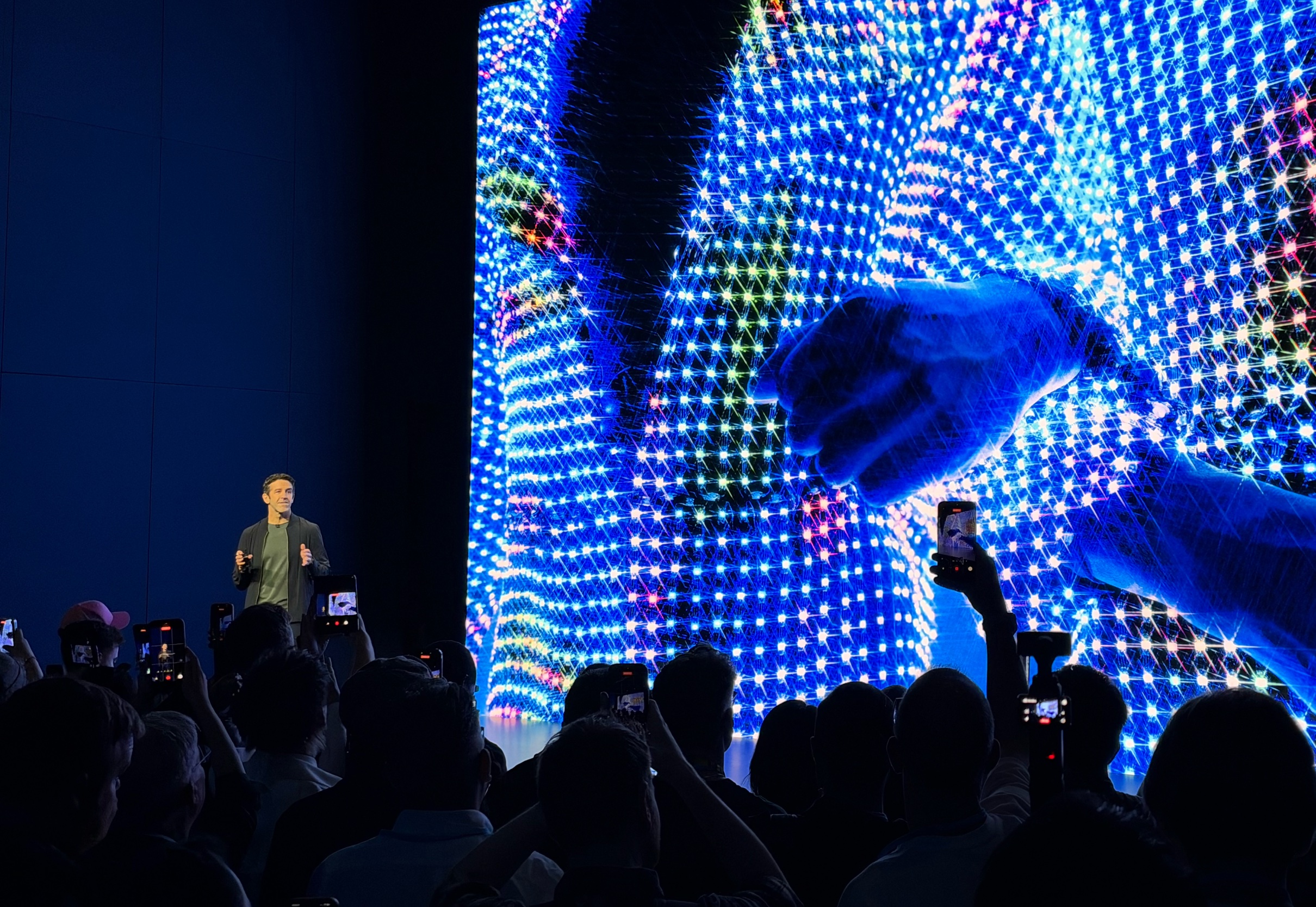
During the keynote, Apple’s hardware engineering lead, John Ternus, emphasized that this is not a departure from the Mac experience, but an expansion of it.
"We haven’t changed the Mac," Ternus stated during the press briefing. "We’ve simply given it a new set of hands."
The sentiment from the Apple design team is clear: touch is for the moments where the trackpad is too indirect. Whether it’s pinching to zoom on a high-resolution render, or using a finger to fine-tune a complex curve in Adobe Illustrator, the goal was to eliminate the "clunkiness" of menu navigation. To make this feel natural, Apple introduced "Adaptive UI" scaling—a feature where on-screen elements like close buttons, sliders, and checkboxes slightly expand in size the moment they detect a finger approaching the screen.
Implications for the Creative Industry
The implications for creative professionals are profound. For years, designers have had to carry both a MacBook and an iPad (often linked via Sidecar) to achieve the level of control they desired. By integrating touch into the primary workstation, Apple is effectively consolidating the "creative studio" into a single, portable chassis.
However, the change is not without its critics. Ergonomists remain cautious, noting that while the screen is stable, the "gorilla arm" effect mentioned by Jobs remains a physiological reality. Users who attempt to use the touchscreen for long-form word processing or extended window management will likely find the traditional trackpad to be the superior, more sustainable tool.
Yet, for the industry, this represents a "best of both worlds" scenario. The MacBook Pro remains a world-class clamshell laptop, but it now possesses the dexterity of a mobile device.
The Future of the Interface
As we look toward the future, the introduction of the PROLED XDR touch-enabled MacBook Pro begs the question: what comes next? Will we see this technology trickle down to the MacBook Air? Will macOS evolve to become even more "touch-friendly"?
For now, Apple is playing it cool. By avoiding the term "touchscreen" in the primary marketing copy and focusing instead on the display quality and the "PRO" utility, the company is insulating itself from the "it’s just a giant tablet" critique. They have positioned the touch capability as a premium, high-utility feature for those who need it, rather than a gimmick for the sake of specs.
The device is available for pre-order starting at $2,899—a price point that cements its status as a professional-grade tool. As developers begin to update their creative suites to take advantage of these new touch APIs, we will likely see a surge in specialized software that utilizes the screen as an interactive canvas.
Ultimately, Apple has proven that its previous dogma was not a permanent restriction, but a temporary boundary. They waited until the technology, the software, and the user-experience design reached a point of maturity where touch could enhance, rather than detract from, the Mac experience. In doing so, they have redefined what it means to be a professional laptop in the 21st century. The keyboard and trackpad may be the kings of input, but as of this week, they finally have a worthy partner.