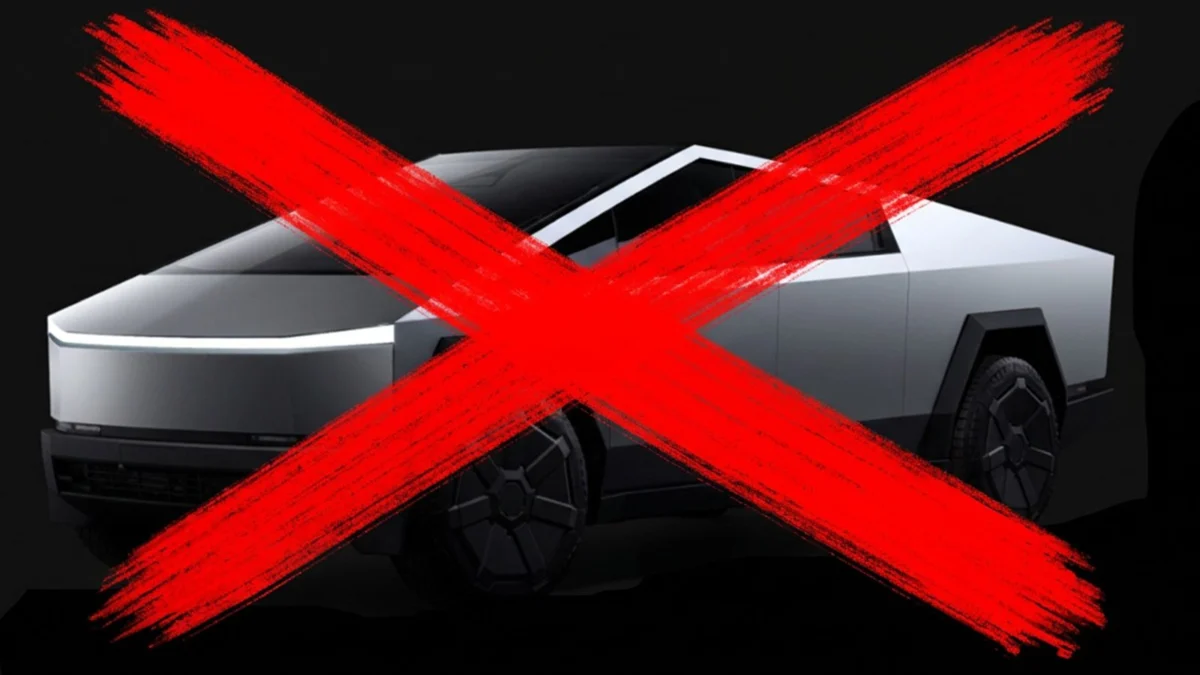
The automotive industry is no stranger to bold experiments, but few have polarized public opinion, engineering discourse, and the design community quite like the Tesla Cybertruck. What began in 2019 as a defiant, dystopian declaration of intent has, by late 2026, transformed into a cautionary tale of manufacturing hubris and design overreach. Recent reports have confirmed that Tesla is preparing to wind down production of the polarizing pickup at its Gigafactory Texas by mid-2027, signaling a strategic pivot toward the company’s autonomous future: the Cybercab.
This shift marks the end of one of the most controversial chapters in modern vehicle design. As the angular, stainless-steel silhouette prepares to fade from the assembly lines, it leaves behind a legacy defined by broken promises, technical failures, and a fundamental disconnect between sci-fi aesthetics and the unforgiving reality of road-legal manufacturing.
A Chronology of Controversy: From Reveal to Retreat
To understand the sunset of the Cybertruck, one must revisit the cold, neon-lit stage of its 2019 unveiling. Elon Musk’s presentation was intended to be a watershed moment in truck history—a vehicle that looked like it had been lifted from the set of Blade Runner. However, the "shattering" of the supposedly indestructible Armor Glass during a live demonstration became the defining image of the project: a high-stakes promise followed by an awkward, public failure.
Following that debut, the timeline of the Cybertruck was marked by continuous delays. What was initially touted as a mass-market revolution became a boutique, high-cost endeavor. By the time the first production units finally reached customers in late 2023, the automotive landscape had shifted significantly.
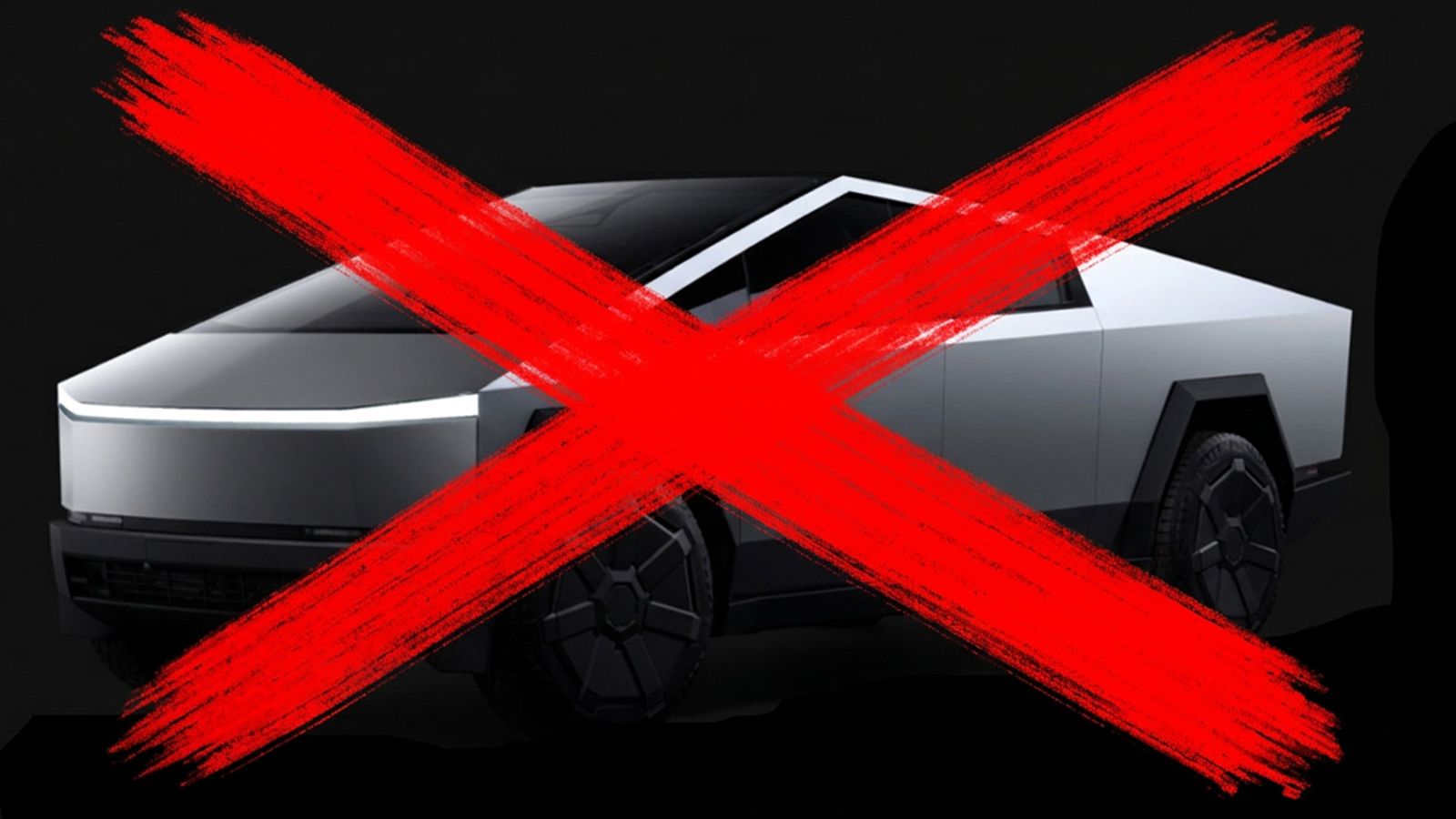
- 2019: The grand unveiling, characterized by the "shattered window" incident and promises of sub-$40,000 pricing.
- 2020–2022: A period of radio silence and development shifts, during which Musk repeatedly revised production timelines.
- 2023: Initial customer deliveries begin, revealing significant discrepancies between the original concept and the final production model.
- 2024–2025: A series of high-profile recalls, reports of panel gaps, and mounting criticism regarding the truck’s practical utility, culminating in a sharp decline in sales figures.
- 2026: Elon Musk confirms the mid-2027 wind-down of production at Giga Texas to accommodate the Cybercab.
The Metrics of Miscalculation: Supporting Data
The commercial trajectory of the Cybertruck provides a stark illustration of the challenges faced by the vehicle. While Tesla’s other models—the Model 3 and Model Y—have enjoyed sustained mass-market appeal, the Cybertruck struggled to find a foothold beyond early adopters and brand loyalists.
According to data cited by Reuters and corroborated by industry analysts at Kelley Blue Book, the Cybertruck’s market penetration has been underwhelming. In 2025, Tesla moved just 20,237 units in the United States, representing a staggering 48% decline from the previous year. This performance stands in direct opposition to Musk’s early, ambitious projections of 250,000 annual sales.
The failure to scale, however, is not merely a matter of consumer taste. The stainless-steel exoskeleton, while aesthetically unique, proved to be an industrial nightmare. The difficulty in stamping and finishing such a rigid material led to production bottlenecks that hampered efficiency. When coupled with the vehicle’s inability to meet European pedestrian safety standards—due to its rigid, angular front-end design—it became clear that the Cybertruck was destined to remain a niche, North American-centric product with limited long-term viability.
Design Fails: When Form Overrides Function
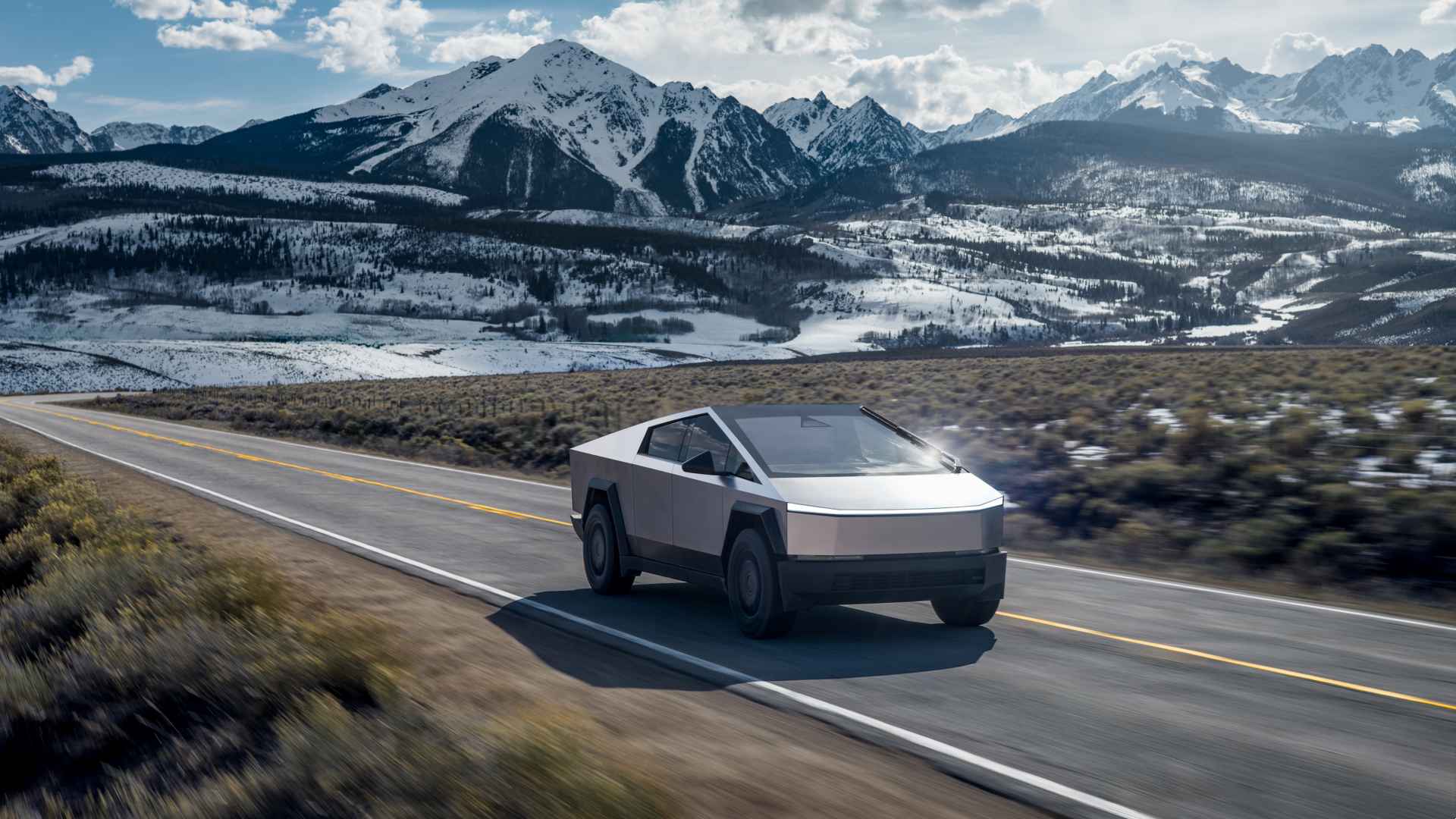
For design critics, the Cybertruck represents the ultimate "low-poly" disaster. Beyond the initial shock value, the vehicle faced a barrage of functional critiques. The single, massive wiper blade—a necessity for the oversized windshield—became a symbol of the truck’s compromises.
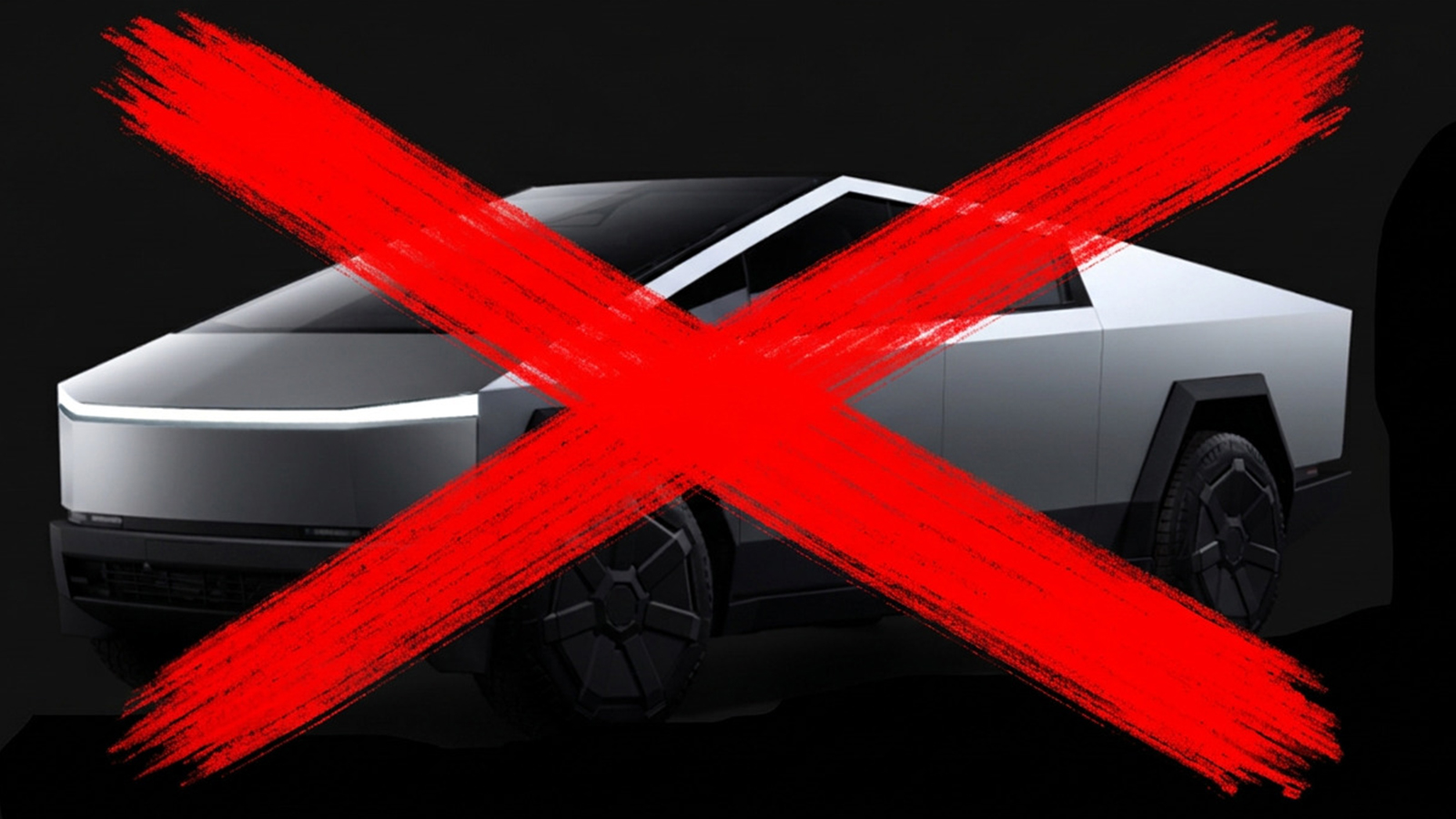
The issues extended far deeper than aesthetics. Reports from the field began to mount, painting a picture of a vehicle that struggled with basic, everyday tasks. From the accelerator pedal recall that threatened to jam under floor mats, to incidents of exterior panels detaching during high-speed transit, the Cybertruck frequently appeared unfinished.
Perhaps most damning were the instances of the truck—marketed as an off-road titan—becoming immobilized in mud or shallow water. These incidents, often captured on social media, eroded the brand’s image of "toughness." When a vehicle styled as an armored tank proves unable to navigate a muddy trail, the illusion of utility is shattered, leaving the consumer with nothing but an expensive, high-maintenance design object.
Official Responses and Strategic Pivots
Tesla has remained characteristically opaque regarding the specific "why" behind the production halt, preferring to frame the transition as a natural evolution. The company’s messaging now centers on the "Cybercab"—a two-seat, fully autonomous robotaxi that represents Tesla’s pivot toward an AI-driven, service-based business model.
By reallocating the resources of the Texas Gigafactory, Tesla aims to move away from the manufacturing-heavy, material-intensive world of trucks and into the high-margin, software-heavy world of autonomous transport. This transition suggests that for Tesla, the Cybertruck was never intended to be a long-term staple of their fleet, but rather a "halo project" designed to generate headlines and push the boundaries of manufacturing technology—even if it ultimately failed to deliver on its core promise of being a practical utility vehicle.
The Implications: What the Cybertruck Leaves Behind
The sunsetting of the Cybertruck raises fundamental questions about the role of design in the automotive industry. It serves as a reminder that "disruption" is not a substitute for rigorous engineering.
For the design community, the Cybertruck will be studied for decades. It is a masterclass in how to capture the public imagination through bold, minimalist geometry, but it is also a cautionary tale of what happens when that geometry is not tempered by the realities of production and human use. It challenged the status quo, yes, but it also highlighted the danger of "designing in a vacuum," where the vision of a single leader takes precedence over the collective expertise of engineering teams who understand the limits of material science and safety regulations.
Furthermore, the pivot to the Cybercab suggests that Tesla is moving away from selling "vehicles" and toward selling "experiences" or "transportation as a service." Whether this new vision will suffer from the same "silly design fails" as its predecessor remains to be seen, but the industry will be watching with a more critical eye.
As we look toward the 2027 sunset, the Cybertruck stands as a monument to a specific era of corporate ambition—an era that valued the audacity of the idea over the reliability of the execution. It was a bold swing that changed the conversation, even if it failed to change the road. For now, the dust settles on the wedge-shaped silhouette, leaving us to wonder if the future of transportation will be as sterile and autonomous as the Cybercab promises, or if there is still room for the human element—one that values the comfort, reliability, and emotional resonance of a well-engineered, thoughtfully designed machine.