Since its inception in 2008, Audeze has cultivated a reputation as a titan in the high-fidelity audio world. Known primarily for its sophisticated planar magnetic technology, the Californian company has spent over a decade catering to the most demanding audiophiles. However, the last few years have marked a strategic pivot: the company is now aggressively capturing the gaming headset market, bringing studio-grade performance to the living room and the competitive arena.
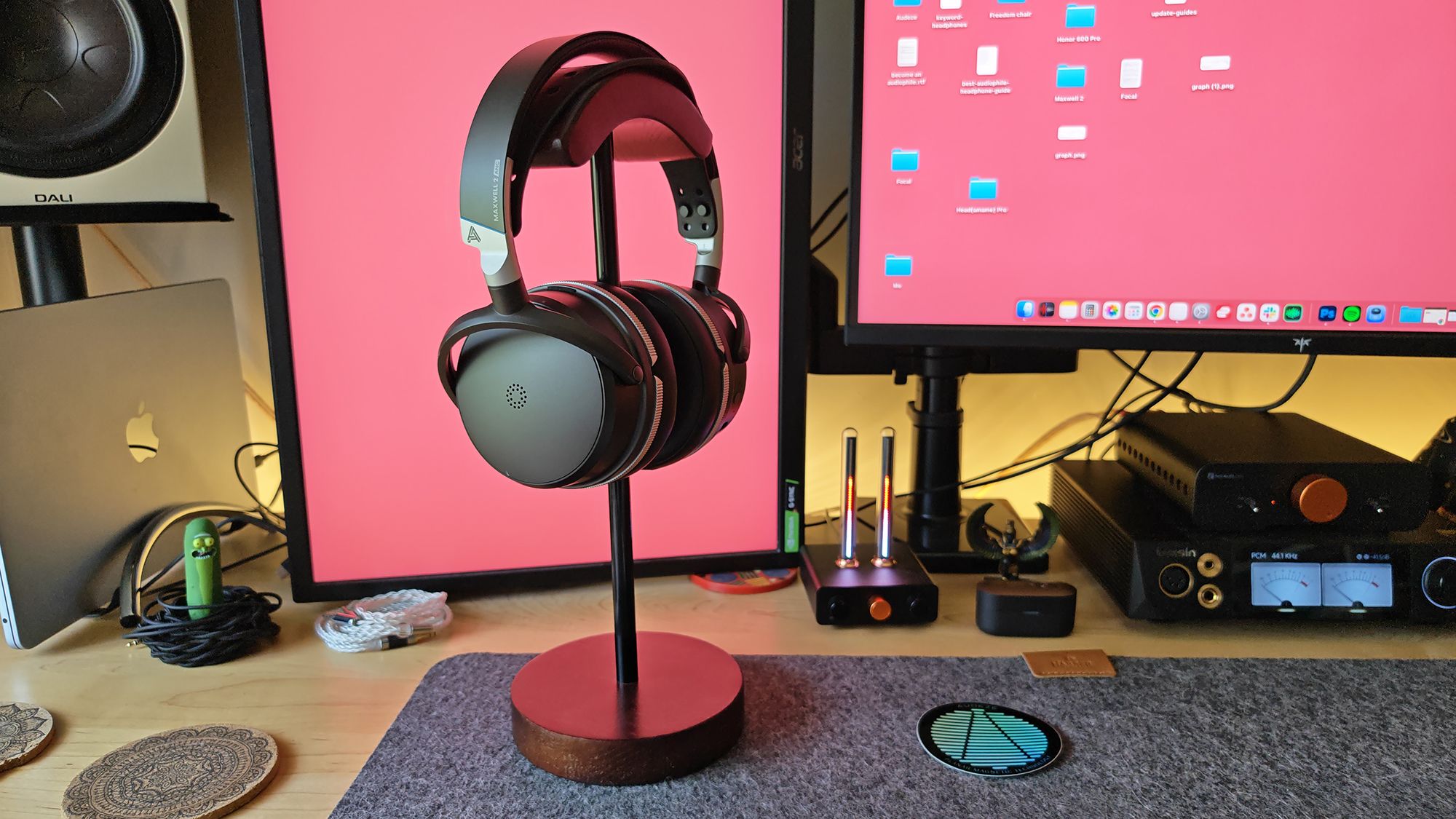
With the launch of the new $449 Maxwell 2 ANC, Audeze is not merely iterating on a previous design; it is setting a new benchmark for what gamers should expect from their audio hardware. By integrating advanced, AI-driven Active Noise Cancellation (ANC) into one of the most acclaimed gaming platforms currently on the market, Audeze is effectively forcing a paradigm shift in a space often dominated by mass-market, budget-focused competitors.
Main Facts: A Technical Powerhouse
The Maxwell 2 ANC is built upon the foundation of its predecessor’s success but elevates the user experience through a suite of sophisticated technical enhancements. At the heart of this new release is the adaptive hybrid noise cancellation system. Unlike standard ANC solutions that provide a "one-size-fits-all" approach to silence, the Maxwell 2 utilizes a dual-mic array—feedforward microphones on the exterior and feedback microphones inside the ear cups—to sample the environment in real time.
This AI-controlled system is designed to isolate and negate constant low-frequency ambient noise without compromising the integrity of the positional audio cues—such as footsteps or distant gunfire—that are critical for competitive gaming. Additionally, the headset introduces simultaneous wired and Bluetooth audio playback, ensuring that users never have to choose between their console connection and their mobile notifications.
Perhaps most impressively, Audeze has implemented a protective audio compressor. This feature is designed to ensure that the activation of ANC does not color or distort the headphone’s native sound signature, maintaining the high-fidelity, punchy audio profile for which the brand is known.
Chronology: The Evolution of Audeze’s Gaming Ambition
To understand the significance of the Maxwell 2 ANC, one must look at the company’s trajectory. Audeze began its journey as a boutique manufacturer of high-end, open-back planar magnetic headphones. For years, these were the tools of recording engineers and dedicated music lovers.
The turning point occurred when Audeze realized that the gaming industry was severely underserved by "gaming-branded" audio hardware, which often sacrificed sonic accuracy for aggressive aesthetics and artificial bass boosting. The release of the original Maxwell signaled a "bridge" period—a device that could satisfy a studio professional during the day and a competitive gamer at night.
Following the success of the initial Maxwell iterations, the demand for silence became the loudest request from the user base. The development of the Maxwell 2 ANC represents a year-long engineering effort to cram sophisticated ANC circuitry into a chassis that was already tightly packed with high-end drivers and battery components. The result is the most refined, feature-rich product in the company’s fifteen-year history.
Supporting Data: Why ANC Matters Beyond Silence
While marketing materials often tout noise cancellation as a tool for "blocking out the world," the implementation in the Maxwell 2 ANC serves a more technical purpose: acoustic consistency.
In the world of closed-back headphones, the quality of the sound is inextricably linked to the seal around the user’s ears. If a user wears glasses, or if the ear cups do not sit perfectly against the head, the air gap can lead to a significant loss of low-frequency response, resulting in a "thin" and underwhelming sound profile.
The Maxwell 2 ANC addresses this through its DSP (Digital Signal Processing) capabilities. The internal microphones act as a feedback loop, detecting if the sound pressure within the cup has dropped due to a poor seal. The system then intelligently compensates for this variance in real-time. Whether the user has a larger head or is wearing thick-rimmed glasses, the headset effectively "tunes" itself to ensure that every user experiences the same, intended, powerful bass response. This capability minimizes the "unit variation" that plagues many high-end audio devices, creating a uniform experience for all users.
Official Responses and Engineering Philosophy
During the recent product launch, Audeze representatives emphasized that the inclusion of ANC was not an afterthought, but a necessary evolution. "We didn’t want to just add a button that makes things quiet," noted one lead engineer. "We wanted to ensure that the act of canceling noise actually improved the baseline performance of the headphones."
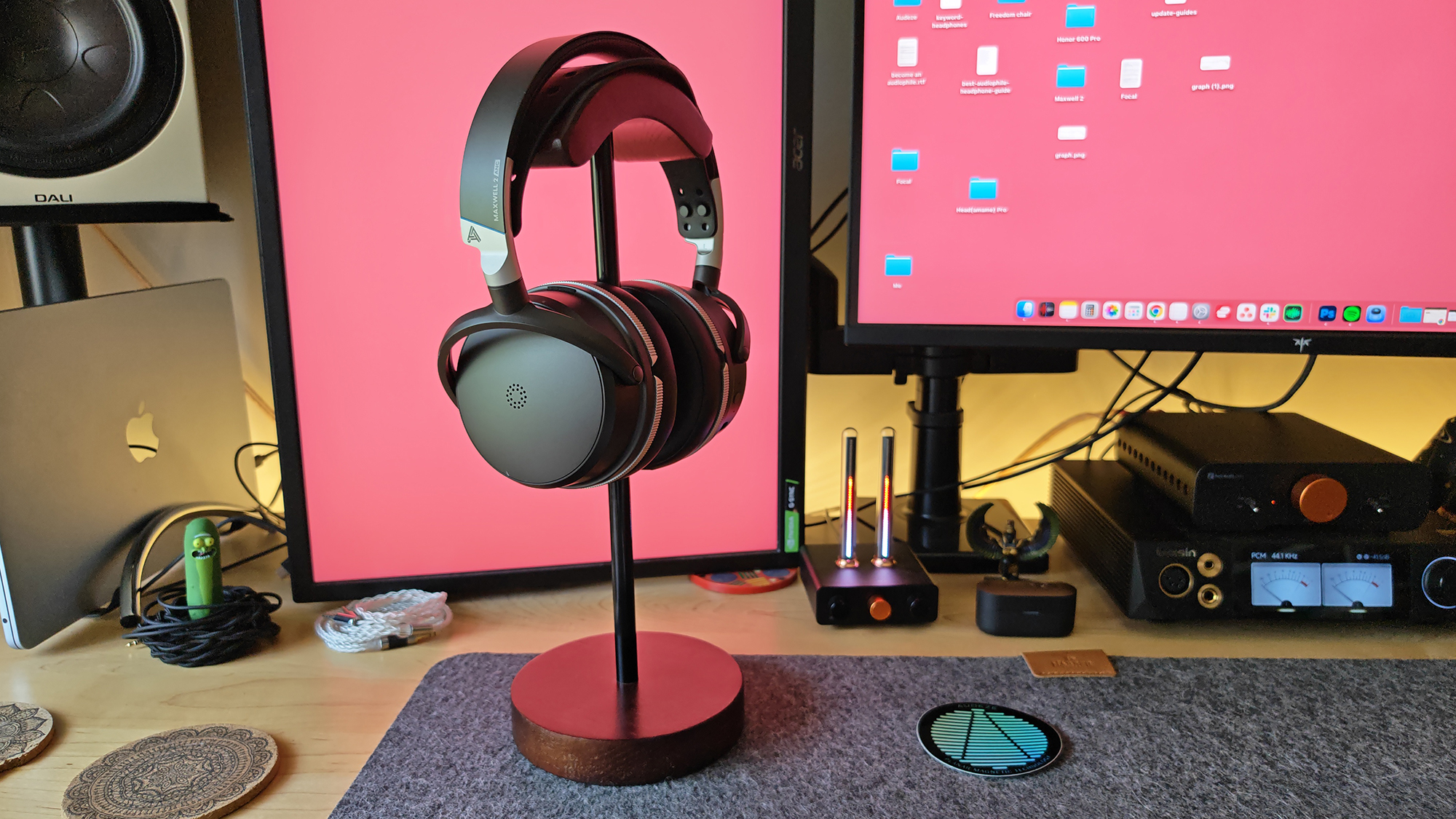
The decision to maintain the 560-gram weight—which is approximately 70 grams heavier than the original Maxwell—was a calculated trade-off. To accommodate the advanced ANC hardware, the battery, and the high-fidelity drivers, the chassis required substantial reinforcement. The company maintains that for the serious gamer who is looking for a "powerhouse" experience, the weight is a small price to pay for the level of audio immersion provided.
Implications for the Industry
The release of the Maxwell 2 ANC poses a significant threat to established industry players like SteelSeries and Razer. For years, the gaming headset market has relied on software gimmicks and RGB lighting to drive sales. Audeze is effectively betting that the tide is turning toward "audiophile-first" gaming.
By providing a product that excels in three distinct areas—gaming latency, music fidelity, and now, active noise isolation—Audeze is forcing competitors to reconsider their own engineering priorities. If a user can get an audiophile-grade headphone that also happens to be a perfect gaming headset, the market for "gaming-only" hardware may begin to shrink.
A Balanced Look: The Comfort Conundrum
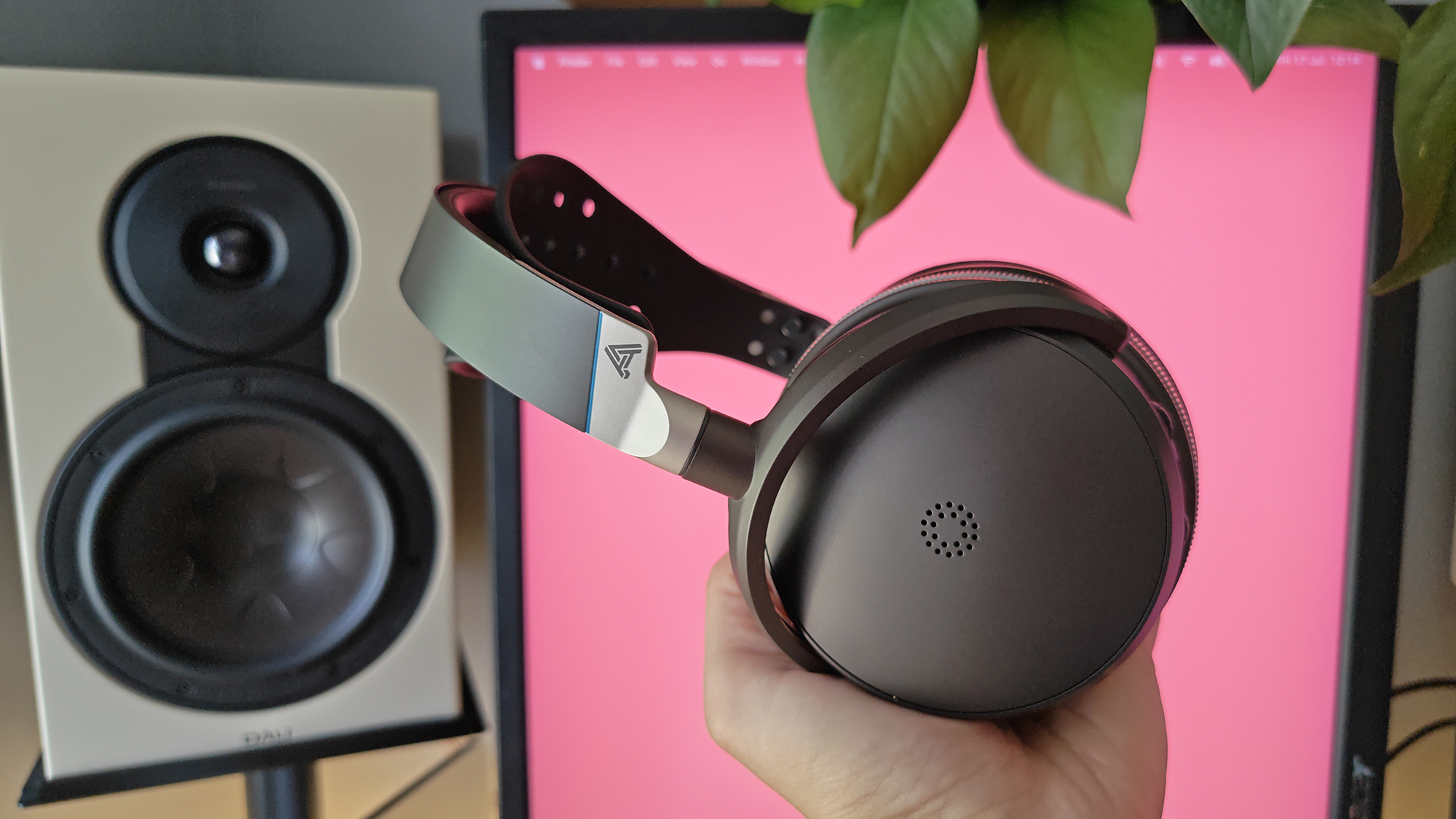
Despite the technical brilliance of the Maxwell 2 ANC, the user experience is not without its hurdles. The most prominent of these is the physical design. At 560 grams, the headset is undeniably heavy, and it is a device that will be felt during long gaming sessions.
Furthermore, the suspension headband remains a point of contention. Much like its predecessors, the Maxwell 2 ANC offers only three fixed adjustment settings. For a device at a $449 price point, this lack of granular adjustability is a noticeable oversight. While the middle setting provides an improved fit compared to the previous model, users with head shapes that fall outside the "standard" range may find themselves wanting more customization.
However, for those willing to adapt to its heft, the return on investment is clear. The Maxwell 2 ANC is not a casual accessory for the occasional gamer; it is a dedicated tool for those who prioritize audio purity.
Conclusion: Is It Worth the Investment?
The Audeze Maxwell 2 ANC occupies a unique space in the current market. It is a device that does not compromise on audio fidelity, and by adding intelligent, adaptive noise cancellation, it has successfully mitigated one of the biggest challenges in closed-back design: environmental and fit-based sound degradation.
For the competitive gamer, the benefit is twofold: you get the spatial awareness required to dominate in-game, and you get a level of immersion that allows you to focus entirely on your performance. For the music lover, the sound quality remains as pristine as one would expect from a brand with Audeze’s pedigree.
While the weight and the limited headband adjustments are valid criticisms, they are largely overshadowed by the sheer technical achievement of the device. As the lines between gaming and high-end audio continue to blur, the Maxwell 2 ANC stands as a testament to what is possible when a company prioritizes sound above all else. Whether you are a professional esports athlete or an audiophile who enjoys gaming, the Maxwell 2 ANC is arguably the most important headset release of the year.