By Pradershika Sharma | October 26, 2026
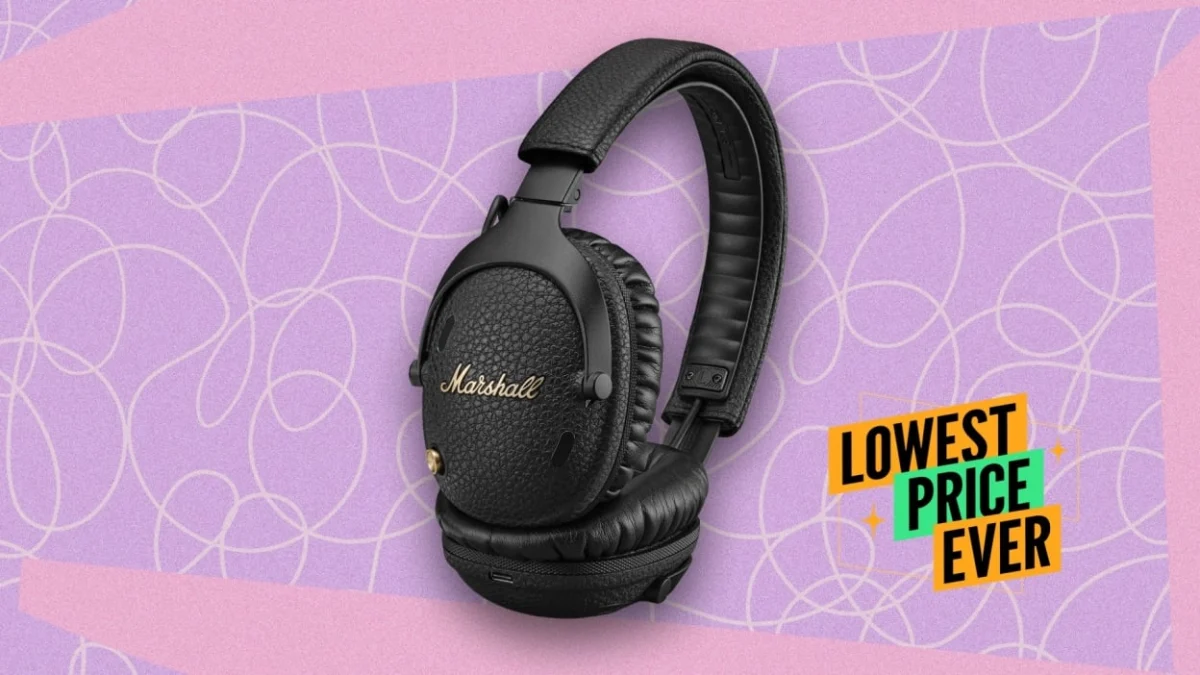
For audiophiles and aesthetic-conscious listeners alike, the intersection of high-fidelity audio and vintage rock-and-roll heritage is a rare commodity. Today, that intersection has become significantly more accessible. The Marshall Monitor III ANC headphones, a device that has garnered significant attention for its distinct “amplifier-inspired” aesthetic, have plummeted to a record-low price of $199.99—a substantial markdown from their $379.99 launch MSRP.
This aggressive pricing move positions Marshall—a brand synonymous with the golden age of stage performance—directly against the industry titans of the premium over-ear headphone market, such as Bose and Sony. As we navigate the current landscape of consumer electronics, this deal stands out not only for its financial value but for what it represents in the ongoing evolution of premium audio gear.
Main Facts: A Convergence of Heritage and Modern Tech
The Marshall Monitor III ANC headphones are more than just a fashion statement; they are a sophisticated piece of audio hardware designed for the modern commuter and the home-office professional. At their core, these headphones feature:
- Signature Design: Featuring textured earcups and the iconic gold-tone Marshall logo, the headset pays homage to the brand’s storied history in music production.
- Active Noise Cancellation (ANC): Engineered to silence the background hum of modern life, the ANC technology effectively masks ambient noise, making them ideal for air travel and busy urban environments.
- Unmatched Battery Endurance: The standout feature of the Monitor III is its longevity, offering up to 70 hours of playback with ANC enabled, and an industry-leading 100 hours with ANC disabled.
- Modular Build: Unlike many competitors that prioritize disposability, Marshall has incorporated replaceable ear cushions and a swappable silicone headband strap, extending the product’s lifecycle.
- Intuitive Controls: A multi-directional gold joystick facilitates seamless track skipping and volume adjustments, complemented by a customizable shortcut button accessible via the Marshall companion app.
Chronology: From Launch to Market Disruption
The journey of the Marshall Monitor III ANC to its current price point reflects the fast-paced nature of the 2026 consumer tech market.
Initial Launch (Mid-2026): Upon release, the Monitor III was positioned as a premium flagship device. With a retail price of nearly $380, it was targeted at the enthusiast demographic—users who valued the Marshall "vibe" as much as the frequency response. Reviews at the time praised the build quality and the sheer battery capacity, though some critics noted that the codec support—limited to AAC and SBC—left audiophiles wanting more compared to competitors offering LDAC or aptX Adaptive.
Early Adoption Phase (Q3 2026): During the initial months, the headphones saw moderate success, particularly among the "lifestyle" segment of the market. The ability to fold the unit into a compact, protective hard case made it a favorite for travelers. However, the stiff competition from established noise-canceling giants meant that sales remained steady but not explosive.
The October 2026 Price Correction: As we approach the end of October, retailers have initiated a aggressive pricing strategy to clear inventory ahead of the holiday shopping season. By dropping the price to $199.99, Marshall has effectively changed the value proposition of the device. It is no longer a “premium-priced luxury item” but rather a “high-value mid-range contender,” a move that has historically led to a surge in market share for such devices.
Supporting Data: Understanding the Performance Gap
While the $199.99 price tag makes the Monitor III an easy purchase, prospective buyers should weigh the performance data to ensure it aligns with their specific needs.

The Sound Profile
Marshall has tuned these headphones with a focus on the mid-to-low range, providing a punchy, vibrant sound signature that favors hip-hop, rock, and electronic music. While the soundstage is immersive, those looking for ultra-analytical, neutral audio may find the bass slightly emphasized.
ANC Efficacy vs. Industry Leaders
Data from independent testing, including assessments from outlets like PCMag, suggests that while the ANC is excellent for removing consistent low-frequency drones (such as jet engines), it is not as adept as the Bose QuietComfort series at filtering out unpredictable, high-frequency midrange chatter. For a home office or a train commute, the performance is stellar; for a noisy open-plan office, it may require a higher volume to achieve total isolation.
Connectivity Limitations
The device utilizes Bluetooth 5.3, ensuring a rock-solid connection and low latency for video consumption. However, the reliance on a single USB-C port for both charging and wired playback means that users cannot engage in high-res wired listening while the device is plugged into a power source—a minor, though notable, drawback for power users.
Official Responses and Brand Positioning
Marshall’s design philosophy has always been centered on the "experience" of music. In various promotional materials, the company has highlighted that they aren’t just selling headphones; they are selling the "Marshall Sound."
By maintaining a proprietary app with a simple, five-band EQ, Marshall has opted for accessibility over granular complexity. Their strategy appears to be a direct appeal to the average consumer who wants an elevated audio experience without the steep learning curve of audiophile-grade software. The brand’s focus on hardware durability—specifically the replaceable components—also serves as a response to the growing consumer demand for "Right to Repair" friendly devices in an era of electronic waste.
Implications: The Shift in the Premium Audio Market
The current discount on the Marshall Monitor III ANC has broader implications for the headphone industry as we look toward the final quarter of 2026.
- The "Premium Mid-Range" Squeeze: By dropping a $380 pair of headphones to $200, Marshall is effectively squeezing out mid-range competitors that lack the brand recognition of a legacy name like Marshall. Consumers are now incentivized to choose a "premium" product at a "budget" price rather than settling for mid-tier alternatives.
- The Sustainability Factor: Marshall’s emphasis on swappable parts is a growing trend. As users become more cognizant of the environmental impact of their tech, companies that offer modularity—even in small ways—are finding greater loyalty. If this model proves successful for the Monitor III, we can expect competitors to follow suit in future design cycles.
- Market Saturation: The fact that such a significant discount is available this early in the season suggests a highly competitive market. As we head into the holiday shopping period, we can anticipate further aggressive price drops, which ultimately benefits the consumer but puts immense pressure on profit margins for audio hardware manufacturers.
Final Verdict: Is it for you?
If you prioritize battery life, build quality, and a design that makes a statement, the Marshall Monitor III ANC at $199.99 is arguably the best value in the current market. While it may not satisfy the needs of those seeking hi-res codecs or the absolute best-in-class noise cancellation, it offers a refined, enjoyable, and incredibly durable listening experience that is hard to beat at this price point.
As always, keep in mind that deal pricing and availability are subject to change. If you have been waiting for the right moment to upgrade your daily driver, the intersection of heritage sound and modern value has rarely looked this compelling.
Disclaimer: We may earn a commission from links on this page. Deal pricing and availability are subject to change after the time of publication.