Introduction and Main Facts
For decades, the documentary short film category has labored under a pervasive, if unspoken, industry truism: to be taken seriously as high art, cinema must suffer. From harrowing accounts of geopolitical conflict and systemic poverty to elegiac studies of terminal illness and historical trauma, the cinematic landscape of short-form non-fiction has heavily skewed toward grief, hardship, and despair.
This unspoken industry bias even found a tongue-in-cheek spotlight on Hollywood’s biggest stage. While introducing the Documentary Short category at the Academy Awards, host Conan O’Brien famously paused to jokingly rename it the “little sads.” He then surveyed the star-studded room, asking whether the nominated films had, in fact, made them universally depressed. The room murmured in collective, knowing agreement.
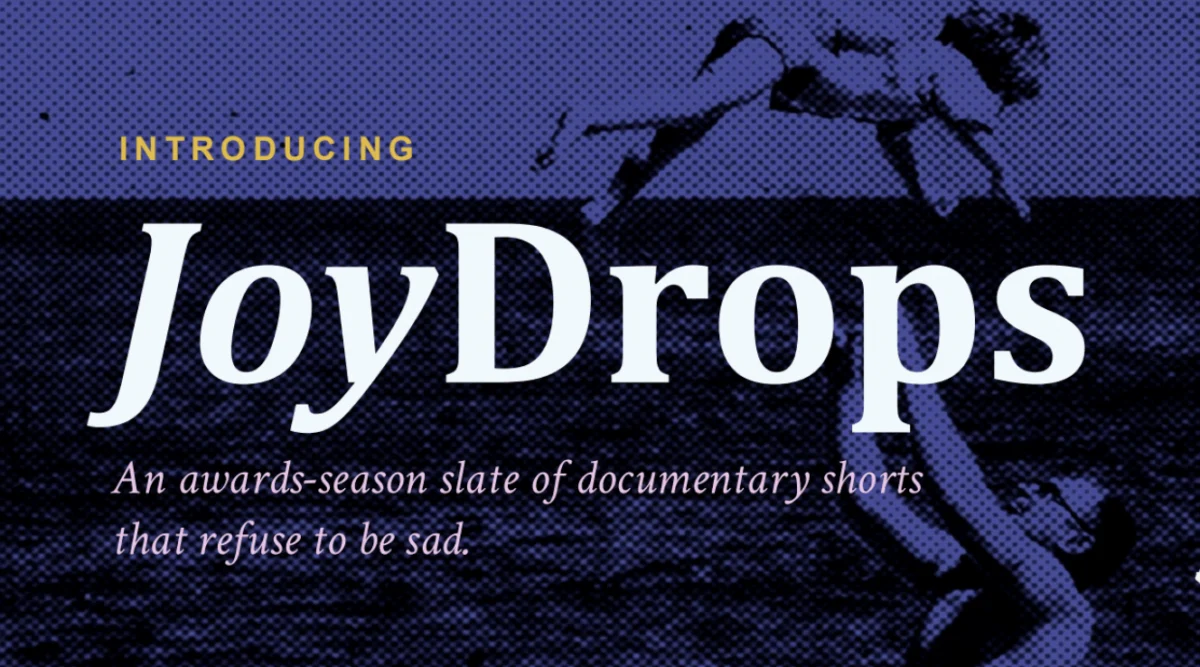
Enter JoyDrops, a groundbreaking collaborative initiative launched by the Good News Network (GNN) and Switchboard Magazine. Designed as a direct corrective to the pervasive gloom of traditional awards-season fare, JoyDrops is a meticulously curated slate of award-winning documentary short films that center on wonder, resilience, humor, and unbridled hope.
Rather than relegating positive, life-affirming cinema to the sidelines of the prestige film circuit, JoyDrops elevates these artisan-crafted films to the forefront of the cultural conversation. The initiative proves definitively that a documentary can be rigorously reported, artistically sublime, emotionally profound, and deeply hopeful all at once.
Over the coming weeks, the initiative will roll out as an exclusive, five-part weekly series published by the Good News Network. Each weekly installment pairs one extraordinary short film from the slate with an in-depth, exclusive interview with its director. These conversations pull back the curtain on the creative process, exploring what drew the filmmakers to their subjects, the unexpected narrative twists they encountered along the way, and why they believe uplifting stories deserve a prominent seat at the awards-season table.
The Chronology and Genesis of the Movement
The conceptual birth of JoyDrops did not happen overnight; rather, it was a reaction years in the making, catalyzed by a shifting cultural appetite for media that heals rather than harms.
The Breaking Point on the Oscars Stage
While independent filmmakers have spent decades pushing against the boundaries of what non-fiction storytelling can achieve, the institutional gatekeepers of prestige cinema have historically rewarded tales of suffering. The tipping point for many cultural critics and independent curators arrived during the most recent Academy Awards ceremony. When Conan O’Brien quipped about the “little sads,” it crystallized a frustration shared by audiences and creators alike: why must cinematic excellence be synonymous with misery?
The leadership teams at the Good News Network and Switchboard Magazine saw an opportunity to challenge this paradigm. They recognized that while stories of hardship are vital, the over-indexing on despair creates a cinematic monoculture that ignores the vast spectrum of the human experience—specifically our capacity for joy, community, and redemption.
Curating the Slate: From the Festival Circuit to the Spotlight
The curation team embarked on a rigorous months-long search through the international film festival circuit. They sought out works that had already proven their artistic merit through numerous accolades and awards, yet had been overlooked in major awards-season conversations simply because they lacked the requisite tragic weight.
By uniting these distinct cinematic voices under the unified banner of JoyDrops, the organizers created a cohesive alternative slate. Each film stands firmly on its own artistic merits, but together, they form a manifesto for a new kind of documentary filmmaking—one that honors the complexities of real life without surrendering to despair.
Supporting Data: Meet the JoyDrops Slate
The heart of the JoyDrops initiative lies in its diverse, masterfully crafted lineup of five documentary shorts. Each film explores a radically different corner of the human experience, yet all share a common DNA of hope and resilience.
1. The Boys and the Bees (Directed by Arielle Knight)
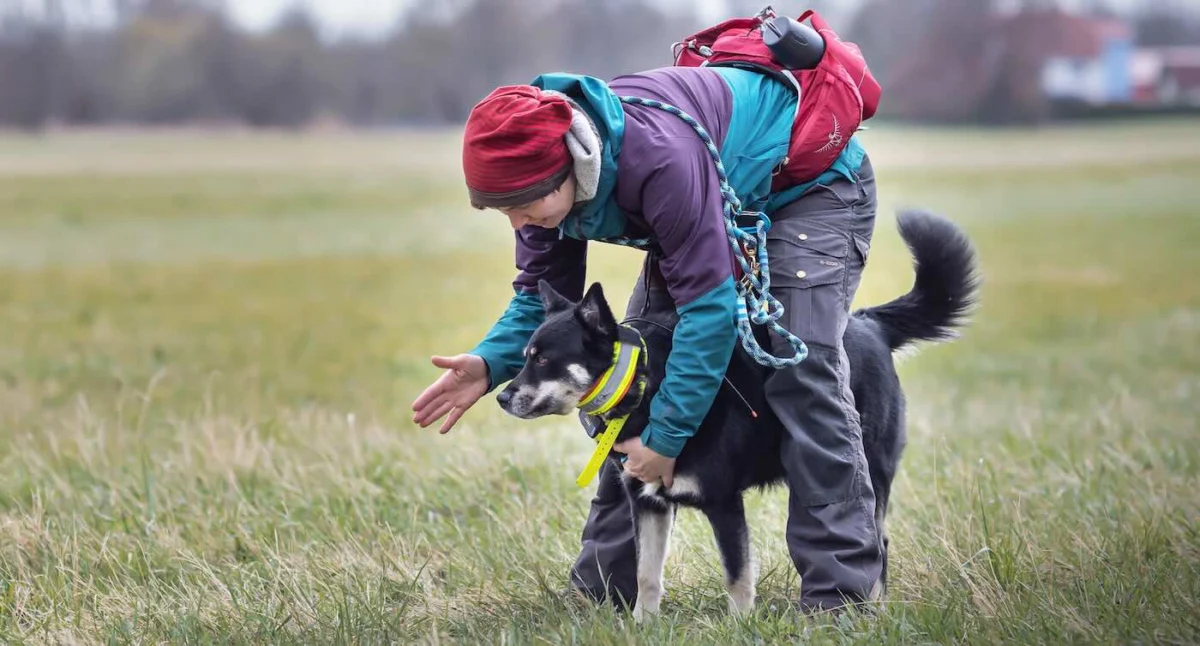
Set against the backdrop of an idyllic, sun-drenched farm in rural Georgia, The Boys and the Bees is a poetic meditation on family, stewardship, and natural cycles. The film follows a devoted beekeeping couple as they impart their profound knowledge of life, love, and the natural world to their two young sons while simultaneously restoring their historic family homestead.
- Production Lineage: Presented by POV Shorts and TIME Studios, in partnership with Switchboard Magazine and Higher Ground, the film bridges high-production-value documentary storytelling with intimate, grassroots human emotion.
- Thematic Impact: Director Arielle Knight captures the delicate symbiosis between humans and nature, illustrating how generational knowledge is passed down not through lectures, but through shared labor and wonder.
2. Panther Pat (Directed by Ashley Brandon)
In Panther Pat, filmmaker Ashley Brandon resurrects a fascinating, nearly forgotten chapter of American sports history. The documentary tells the trailblazing story of Patricia Palinkas, who in 1970 shattered a formidable glass ceiling by becoming the first woman to play professional football.
- Creative Execution: Eschewing conventional historical documentary tropes, Brandon employs a wildly inventive visual palette utilizing archival interviews, vintage Barbies, and intricate stop-motion animation.
- Thematic Impact: The film revisits a pivotal moment when a rigid gender barrier fell in America’s gridiron game, celebrating athletic grit, institutional disruption, and the pioneering women who paved the way for future generations.
3. The Grandfather Puzzle (Directed by Ora DeKornfeld)
Ora DeKornfeld’s deeply personal documentary tracks her quixotic, poignant search for her grandfather’s hidden past. Fleeing Hungary decades prior, her grandfather left behind a sprawling castle, a legitimate baronial title, and a lifetime of memories that he stubbornly refused to discuss. Haunted by his silence, and noting his lifelong obsession with jigsaw puzzles, DeKornfeld took a transformative journey to Hungary. There, she photographed his ancestral castle and painstakingly transformed those images into a physical jigsaw puzzle.
- Thematic Impact: The Grandfather Puzzle explores how we reconcile family history, inherited trauma, and silence, demonstrating that sometimes understanding the past requires literal assembly, piece by piece.
4. The Second Life of Freddie Nole (Directed by Dana Nachman)
Acclaimed director Dana Nachman turns her lens toward systemic redemption in The Second Life of Freddie Nole. The film follows Freddie Nole, a man who endured half a century—50 long years—behind bars. Having paid his debt to society, Nole has dedicated his twilight years to breaking the cycle of recidivism. Today, he meets newly released men at the prison gates, offering them a warm ride, material support, and a compassionate, guiding hand toward a genuine second chance at life.
- Thematic Impact: The documentary offers a searing look at criminal justice reform from the ground level, proving that human rehabilitation is not only possible, but actively sustained by those who have walked the darkest paths themselves.
5. Oh Whale (Directed by Winslow Crane-Murdoch)
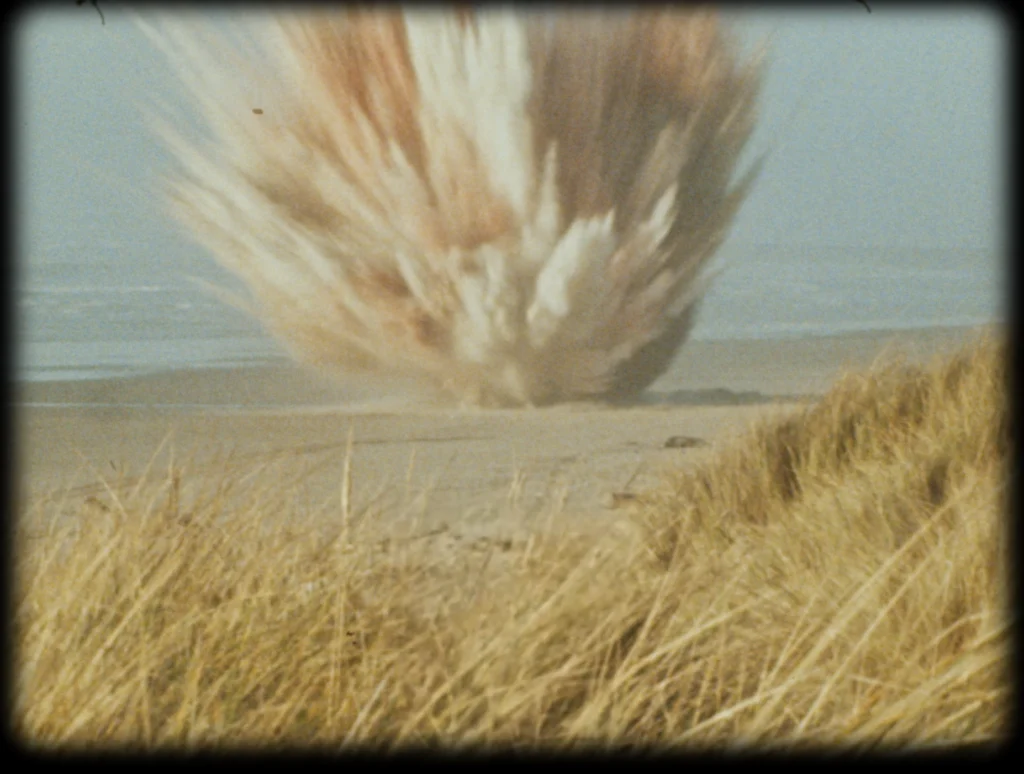
In Oh Whale, filmmaker Winslow Crane-Murdoch embarks on a nostalgic, philosophical journey back to a small Oregon coastal town. The film revisits one of the most bizarre viral moments in television history: the infamous 1970 exploding whale incident and the local TV newsman who accidentally made the bizarre story a legend.
- Thematic Impact: Beneath the eccentric humor of a decomposing cetaceous spectacle, Crane-Murdoch crafts a profound meditation on fate, absurdity, and human agency. The film reflects eloquently on the reality that while we cannot always choose our fate, we retain absolute autonomy over what we choose to make of it.
Official Responses and Perspectives from the Creators
The creators behind the JoyDrops slate view the initiative not merely as a streaming showcase, but as a vital philosophical intervention in contemporary media culture.
In their joint statement announcing the partnership, representatives from the Good News Network and Switchboard Magazine emphasized that optimism is not synonymous with naivety. True optimism, they argue, requires clear-eyed observation of the world’s complexities coupled with a stubborn, resolute refusal to surrender to cynicism.
Directors participating in the series have echoed this sentiment, noting the professional toll of working within an ecosystem that exclusively rewards trauma.
"When you spend years documenting human struggle, you absorb a certain weight," shared one director involved in the slate (speaking on condition of anonymity ahead of their dedicated feature). "To have a platform like JoyDrops recognize that joy, humor, and resilience require just as much—if not more—artistic rigor to capture is validating beyond words."
Throughout the five-part rollout, the participating directors will detail the surprising moments of levity and grace they uncovered while embedded with their subjects. These interviews aim to demystify documentary filmmaking, showing audiences that stories of hope are not manufactured PR pieces, but authentic reflections of the human spirit’s capacity to endure and thrive.
Cultural Implications and How to Participate
The launch of JoyDrops arrives at a critical juncture in the media landscape. As audiences increasingly report news fatigue and streaming burnout from an endless parade of "prestige doom-scrolling" content, the appetite for redemptive narratives has never been higher.
Shifting the Awards Conversation
By carving out a dedicated space for positive, artisanal documentary shorts, JoyDrops challenges the entrenched voting bodies of the entertainment industry. The initiative forces critics, guilds, and academy members to reckon with an institutional bias that equates artistic seriousness with suffering. If these films can captivate festival audiences and sweep regional circuits, the initiative asks, why shouldn’t they occupy the highest echelons of global cinematic recognition?
A Call to Action: Share Your Joy
JoyDrops is designed to be more than a passive viewing experience; it is intended to spark a widespread cultural movement. The organizers are inviting audiences across the globe to actively participate in redefining the daily narrative.
- How to Join the Movement: Viewers are encouraged to post about the people, places, and fleeting moments that bring genuine happiness into their daily lives across major social media platforms—including Facebook, Instagram, TikTok, and X (formerly Twitter).
- The Hashtag: Posts should be tagged with #JoyDrops.
- Community Amplification: The editorial teams at GNN and Switchboard Magazine will regularly review submissions and share their favorite stories of community resilience and personal joy across their official channels, turning the initiative into a living, breathing crowdsourced celebration of human flourishing.
As the five-part series rolls out over the coming weeks, JoyDrops stands ready to prove its core thesis: that a film can leave you fundamentally better than it found you, and still rightfully claim its place at the apex of the cinematic arts.